
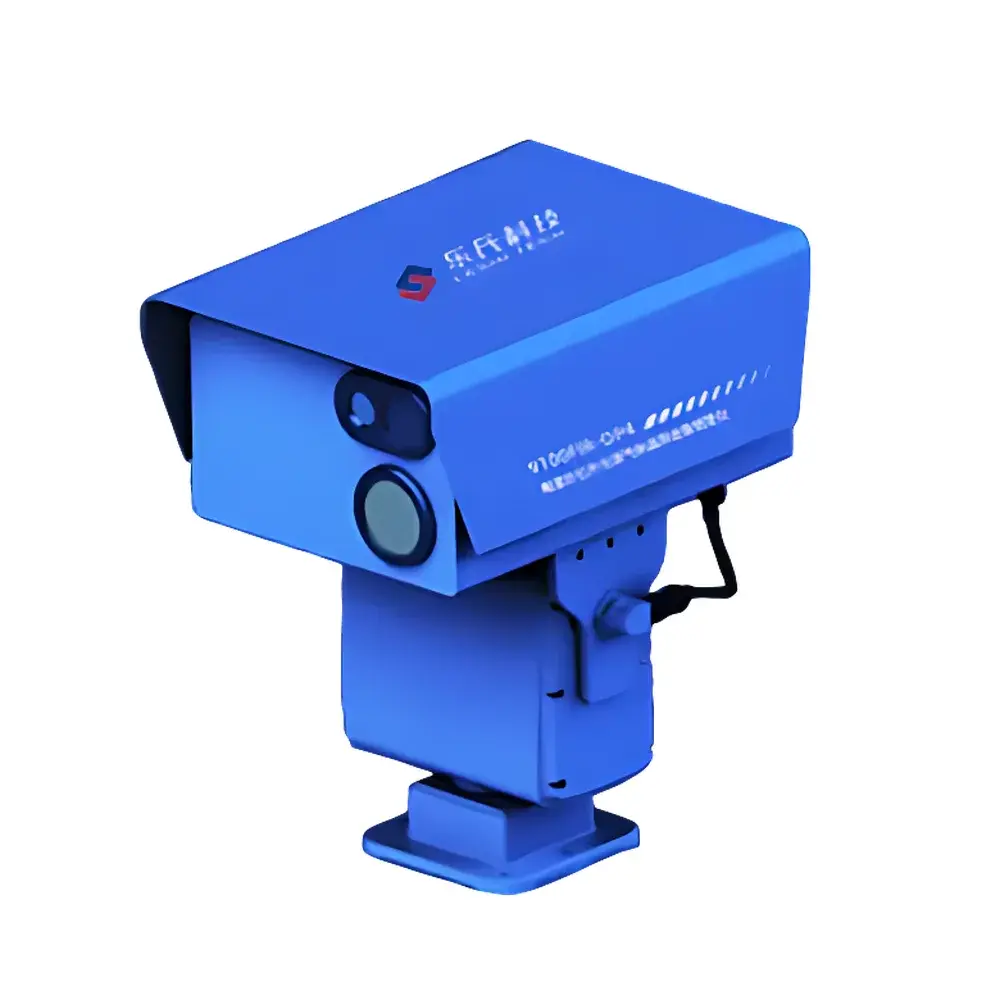
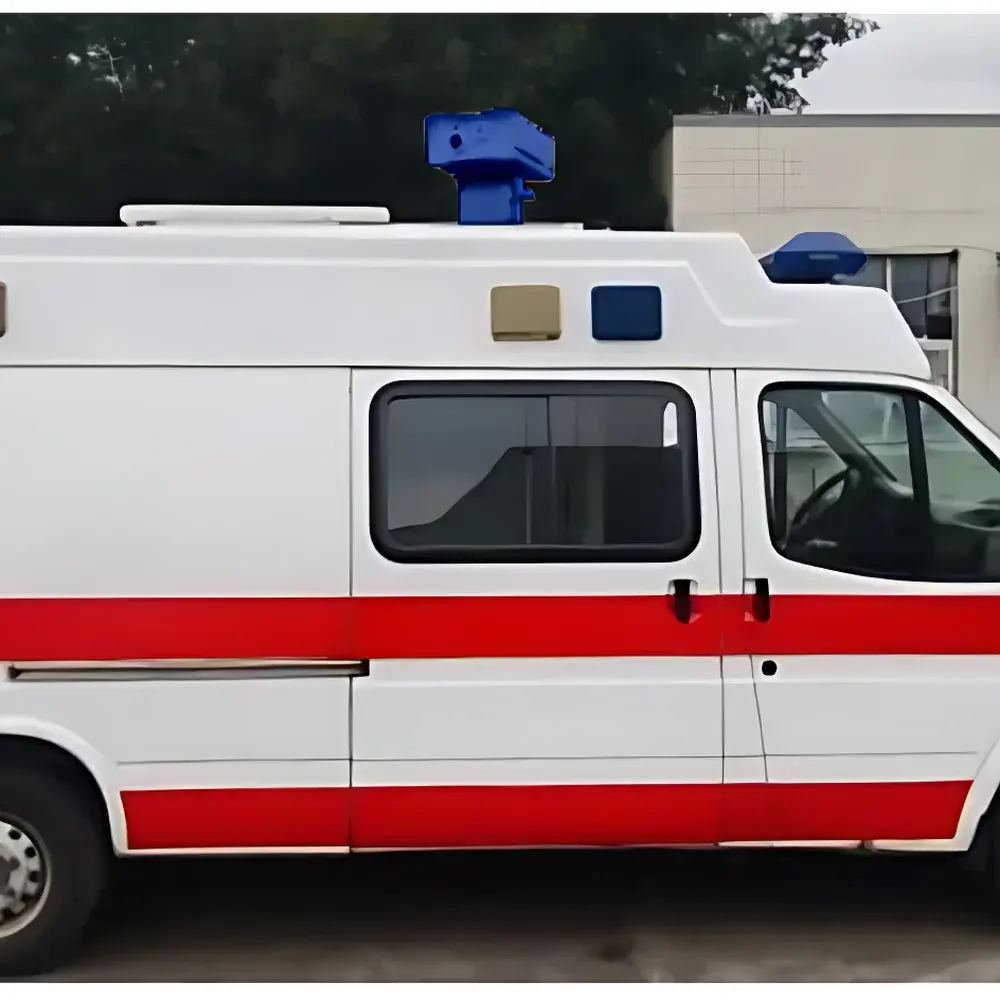
LESHI 9100FIR-OP4 Passive Fourier Transform Infrared (FTIR) Open-Path Gas Imaging and Early-Warning System
| Brand | LESHI |
|---|---|
| Origin | Beijing, China |
| Manufacturer Type | Authorized Distributor |
| Product Category | Domestic |
| Model | 9100FIR-OP4 |
| Price Range | USD 320,000 – 375,000 |
| Detection Radius | ≥5 km |
| Spectral Resolution | ≤0.5 cm⁻¹ |
| Thermal Sensitivity (NETD) | ≤25 mK |
| Gas Detection Sensitivity | ppm-level |
| Supported Gases | >500 toxic, flammable, explosive, and chemical warfare agents |
| Detector Type | Military-grade HgCdTe (MCT) focal plane array |
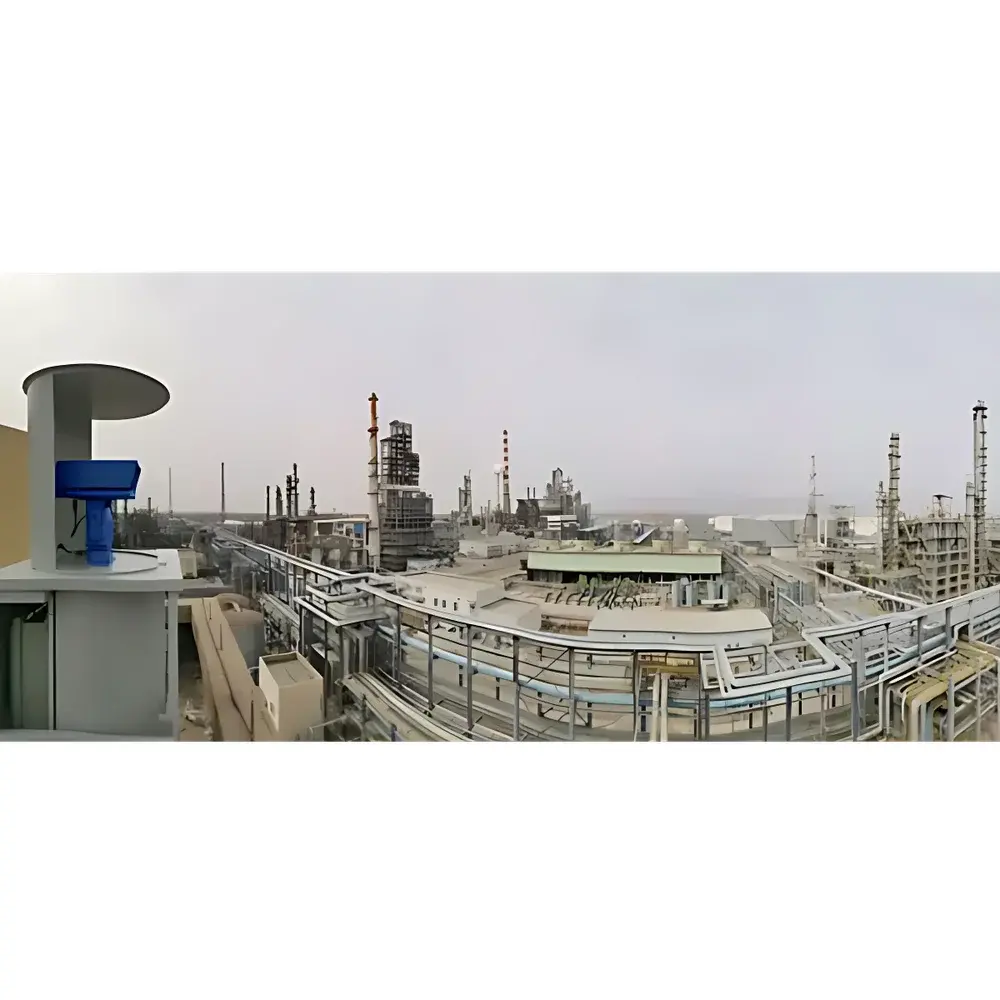
| Operating Modes | Fixed-point, 360° panoramic, user-defined ROI scanning |
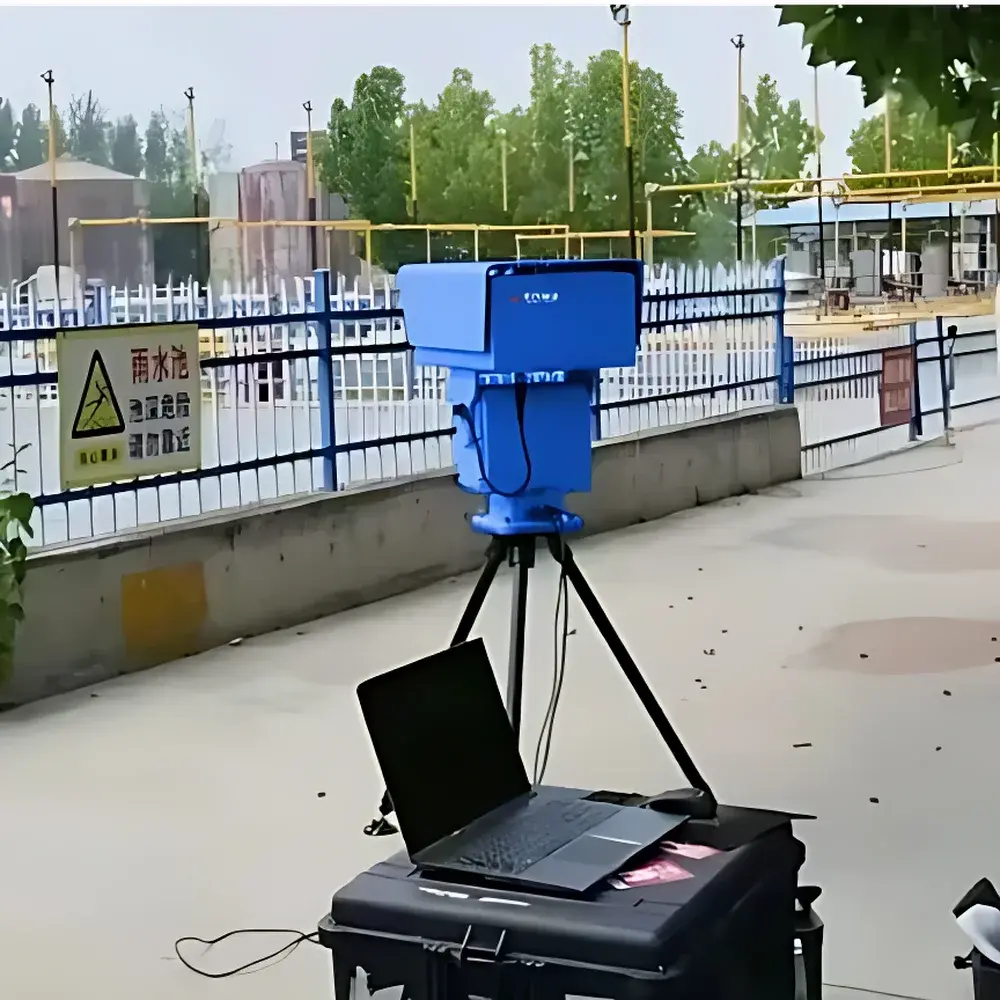
| Deployment Platforms | Stationary, vehicle-mounted, airborne, marine-mounted |
| Compliance | ASTM E1473, ISO 14001-aligned operational protocols, supports GLP/GMP audit trails via software logging |
Overview
The LESHI 9100FIR-OP4 is a passive open-path Fourier Transform Infrared (FTIR) gas imaging and early-warning system engineered for long-range, real-time identification and quantification of airborne chemical threats. Unlike active IR systems that emit radiation, the 9100FIR-OP4 operates in passive mode—detecting natural thermal emissions from gases within the mid-infrared spectral region (typically 2–14 µm). It leverages Michelson interferometry to acquire high-fidelity interferograms, which are then Fourier-transformed into calibrated absorption spectra. This enables simultaneous qualitative identification and quantitative concentration mapping of gaseous species across large spatial domains without physical sampling. Designed for continuous 24/7 operation, the system delivers chemical plume visualization with georeferenced concentration gradients, diffusion vectors, and temporal evolution—critical for perimeter security, industrial fence-line monitoring, and rapid incident response.
Key Features
- Passive FTIR architecture eliminates need for external illumination or laser sources—ensuring covert, eye-safe, and maintenance-free operation.
- High-resolution spectral acquisition (≤0.5 cm⁻¹ unapodized resolution) enables discrimination of closely spaced absorption features, essential for resolving complex gas mixtures.
- Military-grade HgCdTe (MCT) focal plane array detector with NETD ≤25 mK ensures exceptional thermal contrast sensitivity under low-emissivity or low-temperature-differential conditions.
- Real-time spectral library matching against a validated database of >500 hazardous compounds—including VOCs, acid gases (e.g., HCl, HF), ammonia, methane, hydrogen sulfide, chlorine, phosgene, and organophosphate simulants.
- Multi-mode scanning capability: programmable fixed-point observation, full 360° azimuthal coverage, and user-defined region-of-interest (ROI) raster scanning.
- Ruggedized optomechanical design with active thermal stabilization and anti-vibration mounting—certified for operation across −25°C to +55°C ambient range and IP54 environmental rating.
- Modular integration architecture supporting Ethernet/IP, RS-485, and MIL-STD-1553B interfaces for seamless interoperability with SCADA, GIS, and emergency command systems.
Sample Compatibility & Compliance
The 9100FIR-OP4 is optimized for open-path atmospheric sampling over distances up to 5 km, requiring no sample extraction, preconcentration, or consumables. It detects gases based on their intrinsic rotational-vibrational absorption signatures—making it inherently compatible with volatile, reactive, or thermally labile species that degrade in extractive systems. The system adheres to measurement principles aligned with ASTM E1473 (Standard Test Method for Determination of Gaseous Emissions by Open-Path Fourier Transform Infrared Spectroscopy) and supports data reporting formats compliant with ISO 14001 environmental management frameworks. Software-generated audit logs include timestamped spectral records, calibration metadata, operator actions, and alarm event histories—fully traceable for GLP and GMP-regulated applications.
Software & Data Management
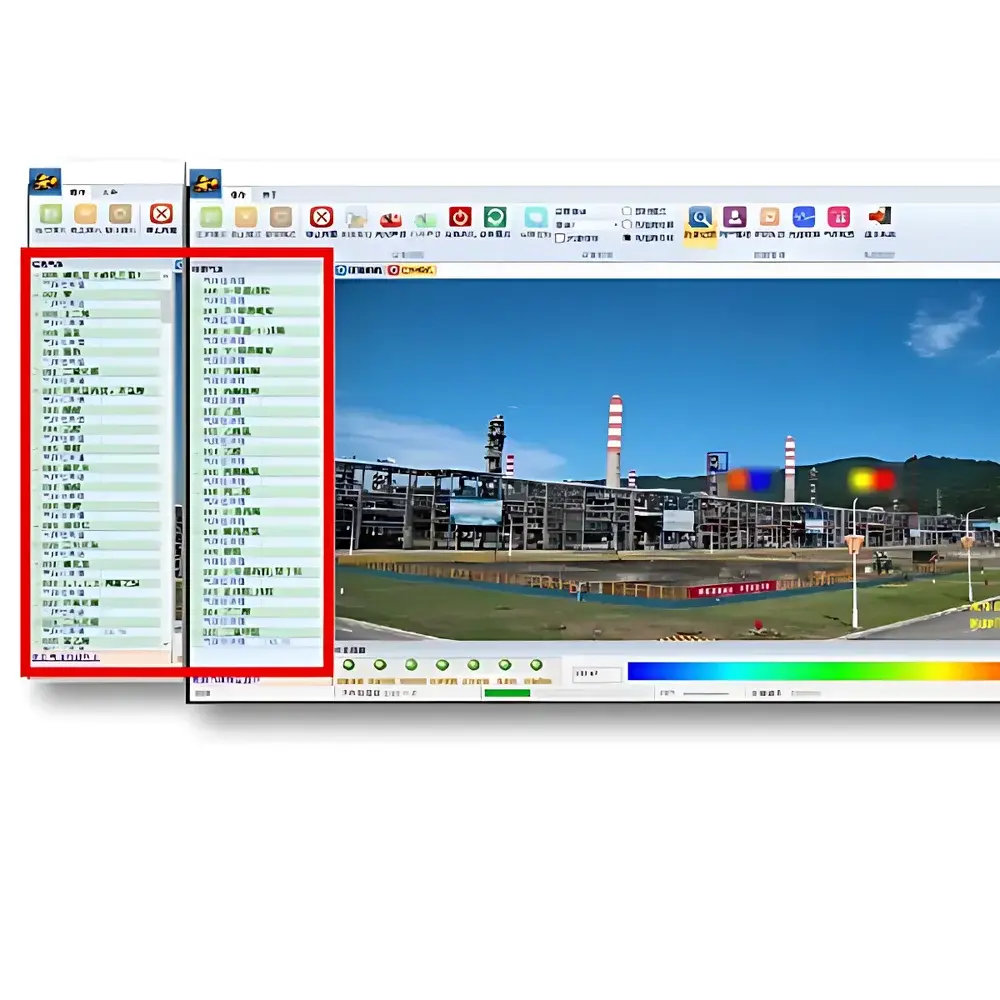
The embedded LESHI GasVision™ software suite provides real-time spectral processing, automated library search (with confidence scoring), concentration inversion using radiative transfer modeling (e.g., MODTRAN-based path radiance correction), and dynamic plume visualization in GIS-integrated 2D/3D overlays. All raw interferograms and processed spectra are stored in HDF5 format with embedded CF-conventions metadata. Export options include CSV, NetCDF, and XML for third-party analysis tools. The system supports FDA 21 CFR Part 11-compliant electronic signatures, role-based access control, and encrypted remote diagnostics via TLS 1.2–secured channels.
Applications
- Continuous fence-line monitoring of petrochemical, chlor-alkali, and semiconductor manufacturing facilities.
- Early detection of fugitive emissions and leak events in LNG terminals, refineries, and pipeline corridors.
- Urban air quality surveillance—tracking NO₂, SO₂, O₃, benzene, and formaldehyde near transportation corridors and waste treatment infrastructure.
- Emergency response deployment for hazmat incidents, fireground toxic gas assessment, and post-blast CWA screening.
- Defense and homeland security applications including border surveillance, port security, and counter-CBRN operations.
- Judicial environmental forensics—providing admissible spectral evidence for emission source attribution and regulatory compliance verification.
FAQ
What spectral range does the 9100FIR-OP4 cover?
The system operates across the mid-infrared band from 2.5 µm to 14 µm (4000–700 cm⁻¹), optimized for fundamental vibrational absorption bands of most industrial and hazardous gases.
Can it quantify gas concentrations in real time?
Yes—using non-linear least-squares fitting against reference spectra and path-integrated radiance modeling, it delivers ppm·m column density estimates updated at 1 Hz, with optional conversion to volumetric mixing ratios using meteorological inputs.
Is calibration required before each deployment?
No—factory-calibrated with NIST-traceable blackbody sources; field validation uses ambient sky background and known atmospheric absorption features (e.g., CO₂, H₂O) for automated drift correction.
Does it support integration with existing plant DCS or EMS platforms?
Yes—via Modbus TCP, OPC UA, and custom API endpoints; all alarm states, concentration maps, and spectral snapshots are exportable as structured JSON or MQTT payloads.
What are the minimum detectable limits for common industrial gases?
Detection thresholds vary by compound and path length; typical values include 0.5 ppm·m for NH₃, 1.2 ppm·m for CH₄, and 0.3 ppm·m for Cl₂ at 1 km path length—achievable under standard atmospheric conditions.







