
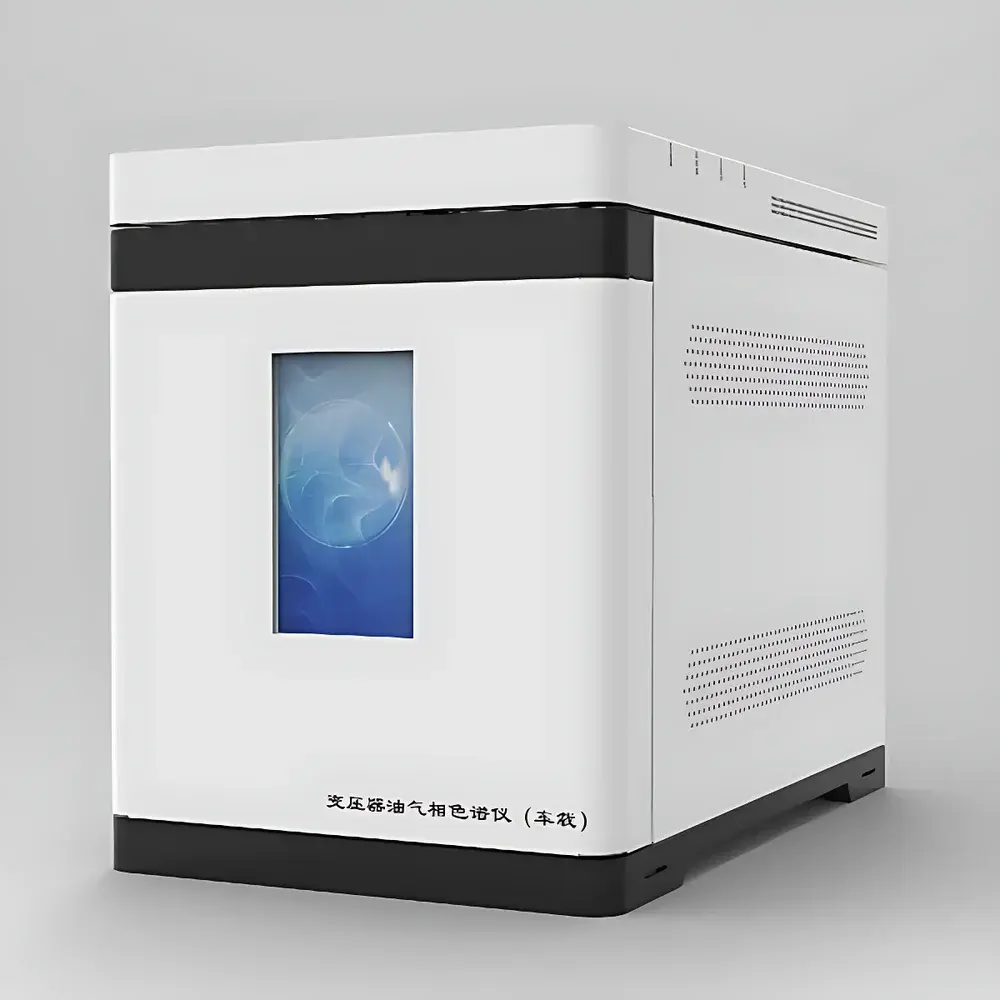
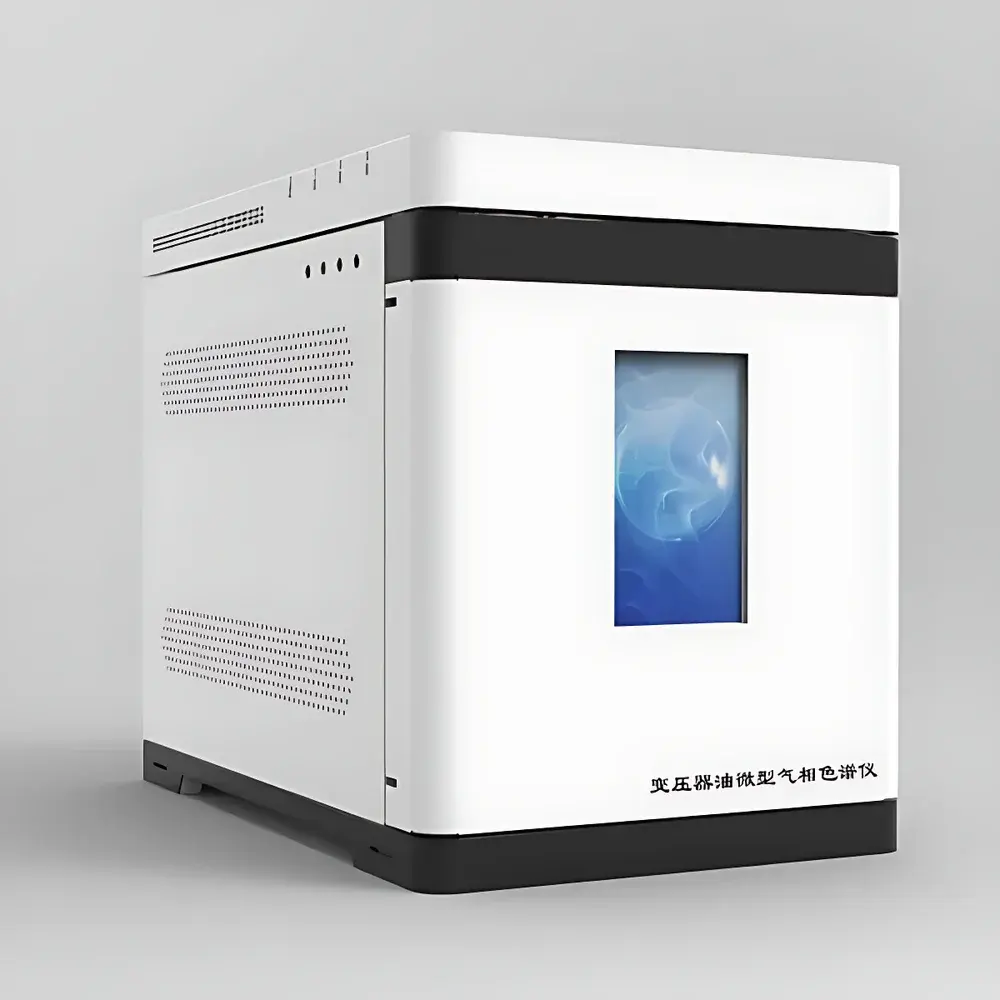
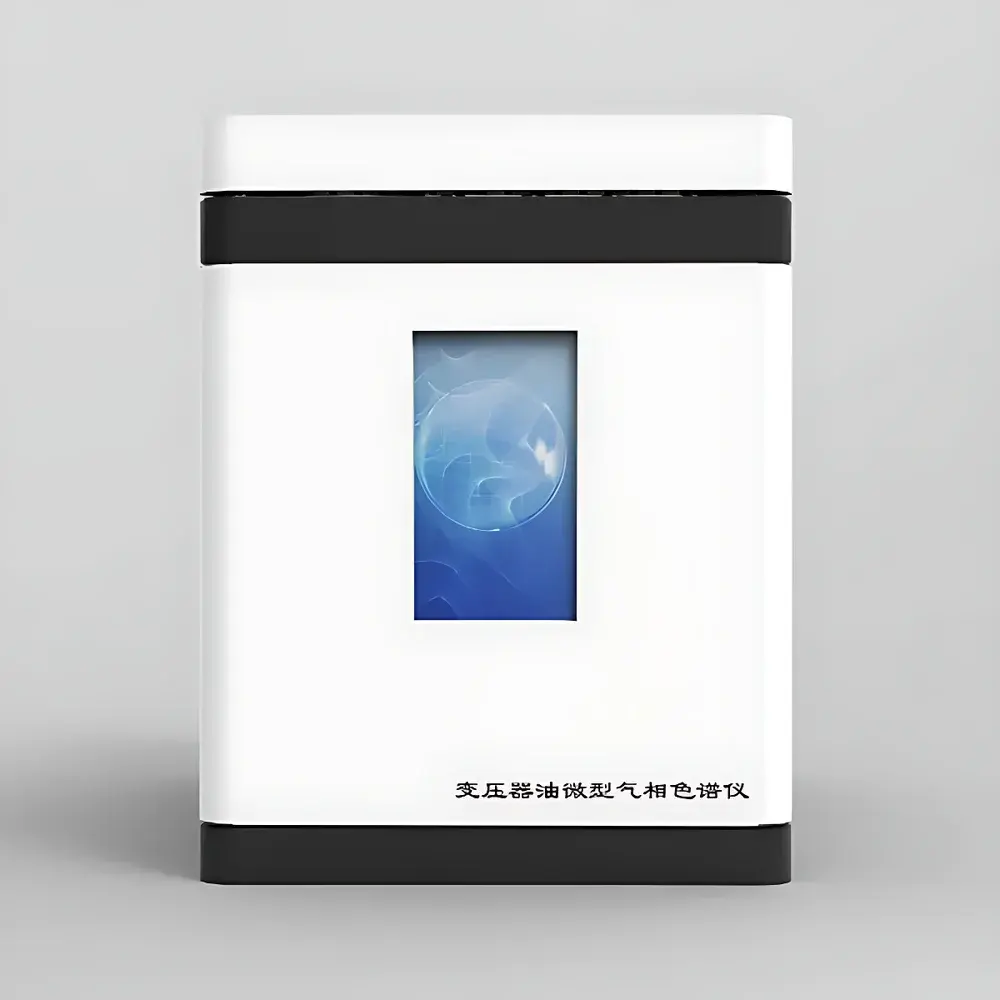
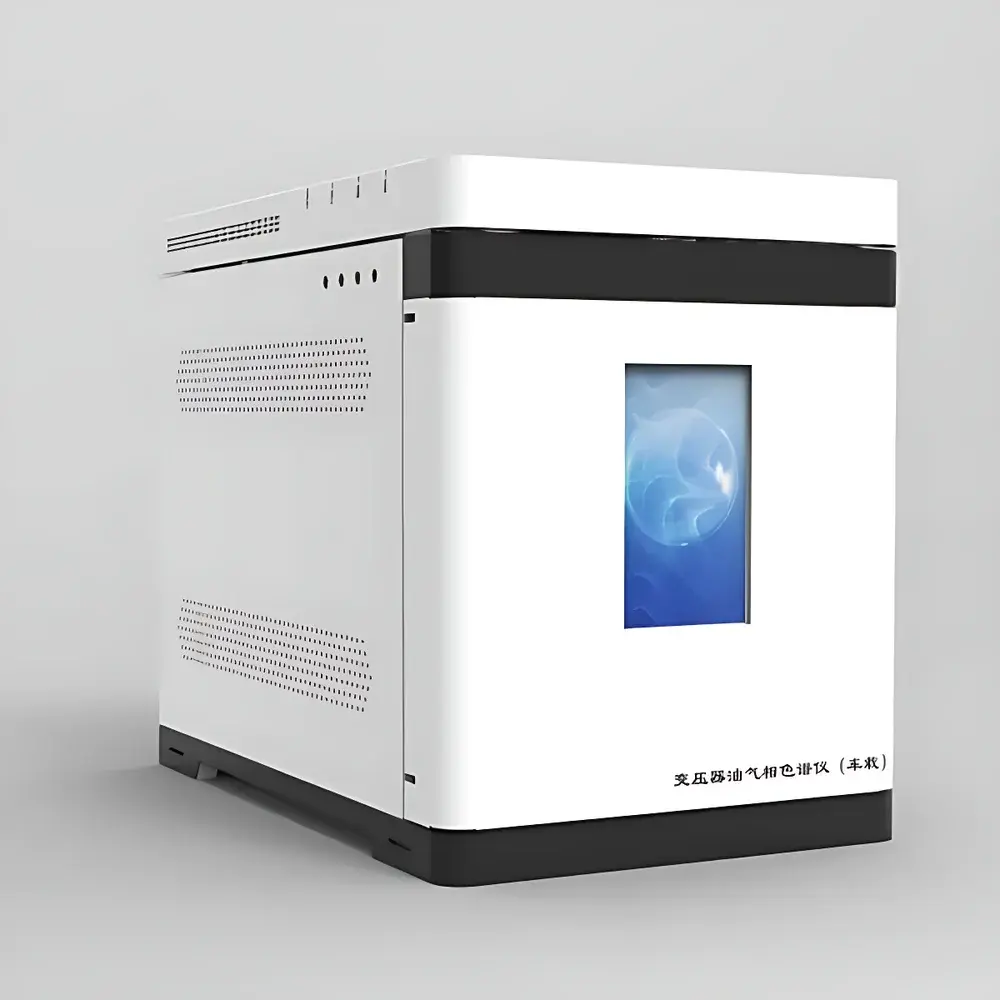
Luchuang GC-9870PRO Miniature On-Vehicle Gas Chromatograph for Transformer Oil Analysis
| Brand | Luchuang |
|---|---|
| Origin | Shandong, China |
| Manufacturer Type | OEM Manufacturer |
| Instrument Type | Portable Gas Chromatograph |
| Application Field | Power Industry – Transformer Oil Dissolved Gas Analysis (DGA) |
| Oven Temperature Range | Ambient +4°C to 450°C |
| Maximum Ramp Rate | 0.1–50°C/min |
| Cooling Time | ~3 min (200°C to 100°C) |
| Carrier Gas Flow Control Range | 0–1200 mL/min (7 programmable segments) |
| Carrier Gas Pressure Control Range | 0–970 kPa (7 programmable segments) |
| Injector Max Operating Temperature | 450°C |
| Injector Pressure Setting Range | 0–970 kPa |
| Injector Total Flow Setting Range | 0–1200 mL/min |
| Temperature Stability | ±0.02°C |
| Programmable Temperature Steps | Up to 32 oven ramps |
| EPC Precision | Pressure ±0.001 psi |
| Dimensions | 400 mm × 300 mm × 400 mm (L×W×H) |
Overview
The Luchuang GC-9870PRO is a purpose-built, miniature on-vehicle gas chromatograph engineered exclusively for dissolved gas analysis (DGA) in power transformer insulating oil. Designed to meet the stringent operational and regulatory demands of substation maintenance teams and utility fleet laboratories, it implements capillary or packed-column gas chromatography with flame ionization detection (FID), thermal conductivity detection (TCD), and flame photometric detection (FPD) — all fully integrated within a compact, ruggedized chassis optimized for mobile deployment. Its core analytical principle relies on selective separation of hydrocarbon gases (H₂, CH₄, C₂H₂, C₂H₄, C₂H₆, CO, CO₂, O₂, N₂) and reactive sulfur compounds (e.g., H₂S) dissolved in mineral oil under standardized ASTM D3612 and IEC 60567 conditions. The instrument’s thermally stable column oven, coupled with high-fidelity electronic pressure control (EPC), ensures retention time reproducibility ≤0.05% RSD across repeated injections — a prerequisite for trending fault-gas evolution in aging transformers.
Key Features
- Compact footprint (400 × 300 × 400 mm) with shock-absorbing mounting interface for vehicle integration and field deployment.
- Full-EPC architecture controlling carrier gas pressure, flow, and linear velocity across 12 programmable steps per channel — supporting method transfer from lab-based GC systems.
- Column oven with 32-stage temperature programming, ramp rates from 0.1 to 50°C/min, and thermal stability of ±0.02°C at isothermal conditions.
- Eight independent temperature-controlled zones: column oven, dual FID detectors, TCD cell, FPD photomultiplier, two injectors, and auxiliary heater — each with overtemperature cutoff and alarm.
- Dual-FID configuration with logarithmic amplification and auto-ignition logic, including flame-out detection and automatic re-ignition sequences compliant with IEEE C57.104 guidelines.
- Integrated TCD with constant-current regulation up to 220 mA and FPD optimized for sub-ppb H₂S quantification in oil headspace samples.
- Modular detector bay supporting concurrent installation of up to four detectors (e.g., FID/TCD/FPD/conversion furnace) and provision for future GC-MS coupling via standard vacuum interface.
Sample Compatibility & Compliance
The GC-9870PRO accepts standard 1–10 mL oil samples processed via headspace extraction or vacuum degassing per ASTM D3612 Type A/B/C protocols. It accommodates both stainless-steel packed columns (e.g., Porapak Q, Molecular Sieve 5A) and fused-silica capillaries (e.g., PLOT Al₂O₃/KCl) commonly used in DGA workflows. All hardware and software comply with GLP documentation requirements, including audit-trail-enabled method versioning, user-access controls, and electronic signature support. Data output conforms to IEC 61850-90-12 and IEEE C57.104 Annex D reporting formats. The system supports 21 CFR Part 11-compliant data integrity when operated with validated software configurations.
Software & Data Management
The embedded GC workstation — developed in-house and pre-installed on the onboard industrial PC — provides bidirectional instrument control, real-time chromatogram visualization, peak integration using ISO 17025-validated algorithms, and automated DGA interpretation per Duval Triangle, Rogers Ratio, and IEC 60599 coding. Method templates are stored as encrypted XML files with checksum verification. Raw data (.CDF) and processed reports (.PDF/.XLSX) are timestamped, digitally signed, and archived with configurable retention policies. Remote diagnostics and firmware updates are supported via secure TLS 1.2 Ethernet connection — no external cloud dependency.
Applications
- On-site dissolved gas analysis (DGA) for predictive maintenance of oil-immersed power transformers, reactors, and tap changers.
- Routine monitoring of gas-in-oil concentrations during commissioning, post-fault investigation, and life-extension assessments.
- Quantitative detection of hydrogen sulfide (H₂S) and organic sulfur species associated with copper corrosion and paper degradation.
- Verification of oil reclamation efficacy following vacuum dehydration and adsorption treatment.
- Mobile laboratory support for emergency response to transformer failures in remote substations or distributed generation sites.
FAQ
Is the GC-9870PRO certified for use in explosive atmospheres (ATEX/IECEx)?
No — it is designed for use in non-hazardous environments only. Operators must ensure proper ventilation and gas venting during FID operation.
Can the instrument be calibrated using certified gas standards traceable to NIST?
Yes — the EPC system accepts external calibration via certified gas mixtures; calibration curves are stored with metadata including standard lot number, expiration date, and certifying lab ID.
Does the software support automated report generation aligned with utility-specific DGA templates?
Yes — custom report layouts can be imported via XSLT mapping; preconfigured templates for State Grid Corporation of China (SGCC) and南方电网 (CSG) are included.
What is the typical analysis cycle time for a full DGA profile?
Under optimized method conditions (12-min run time + 3-min cool-down), throughput is ≤18 minutes per sample, including autosampler injection and baseline re-equilibration.
Is preventive maintenance documentation provided in English?
Yes — comprehensive English-language service manuals, spare parts catalogs, and PM checklists are supplied with each unit and updated quarterly via secure download portal.






