MingShen Science JX-2 Slagging Tendency Tester
| Brand | MingShen Science |
|---|---|
| Origin | Henan, China |
| Manufacturer Type | Authorized Distributor |
| Country of Manufacture | China |
| Model | JX-2 |
| Price | USD 2,700 (approx.) |
| Compliance | GB/T 1572–1989 |
| Sample Size | 400 cm³ |
| Particle Size Range | 3–6 mm |
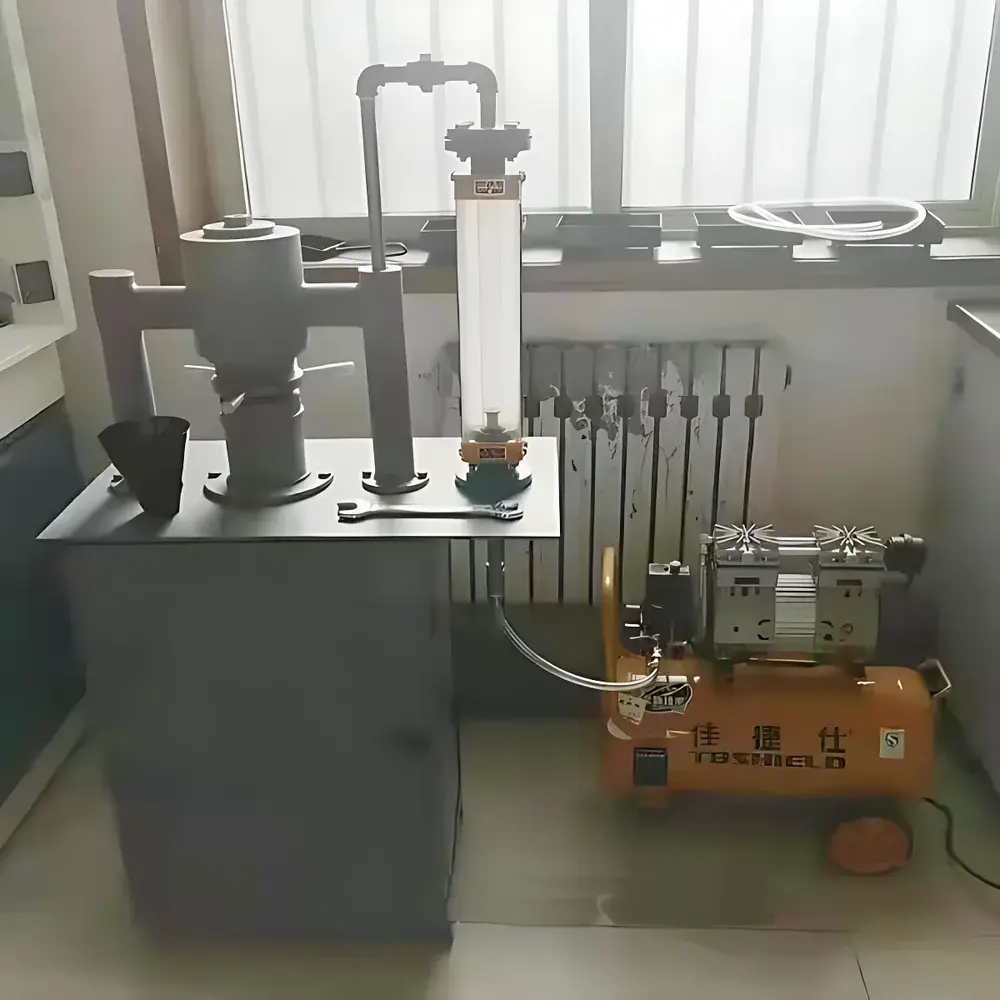
| Required Air Blower | ≥12 m³/h airflow, ≥1000 mmHg pressure |
| Sieve Aperture | 6 mm |
| Slag Retention Measurement | Mass fraction (%) of residue >6 mm after vibratory sieving |
Overview
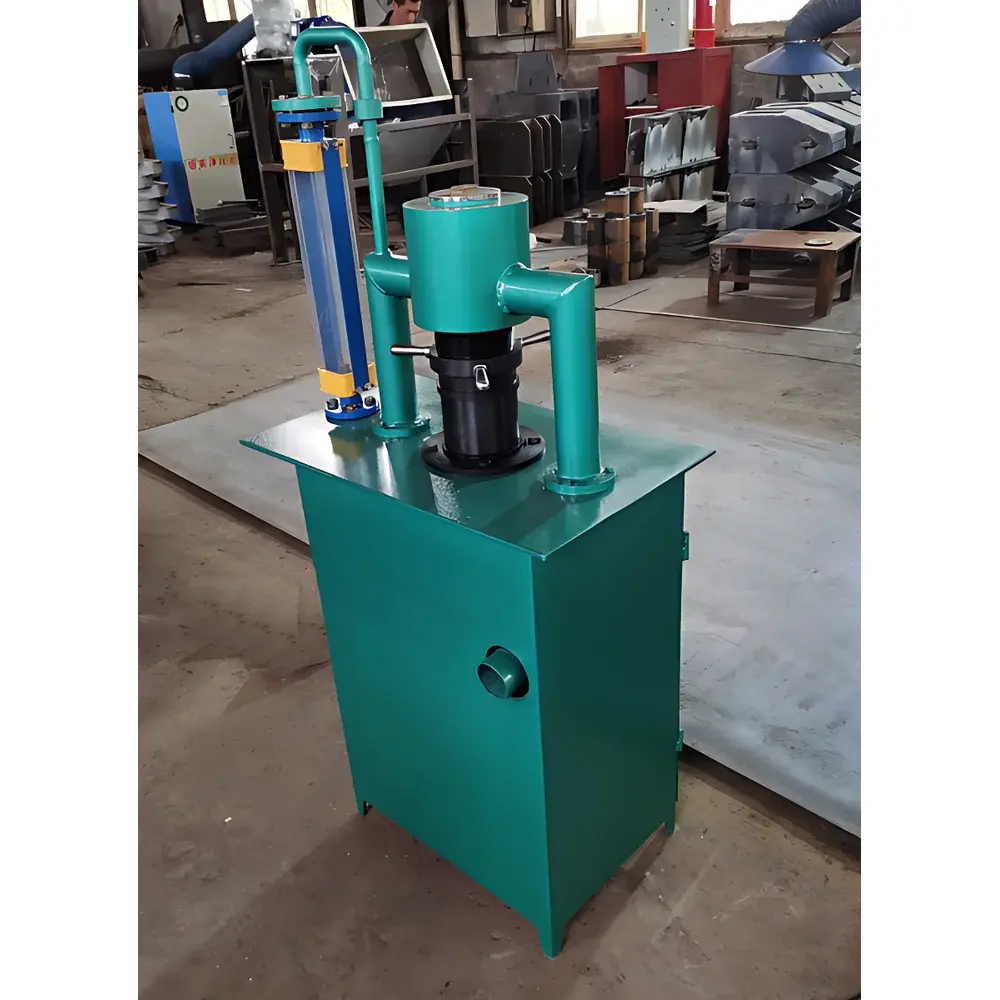
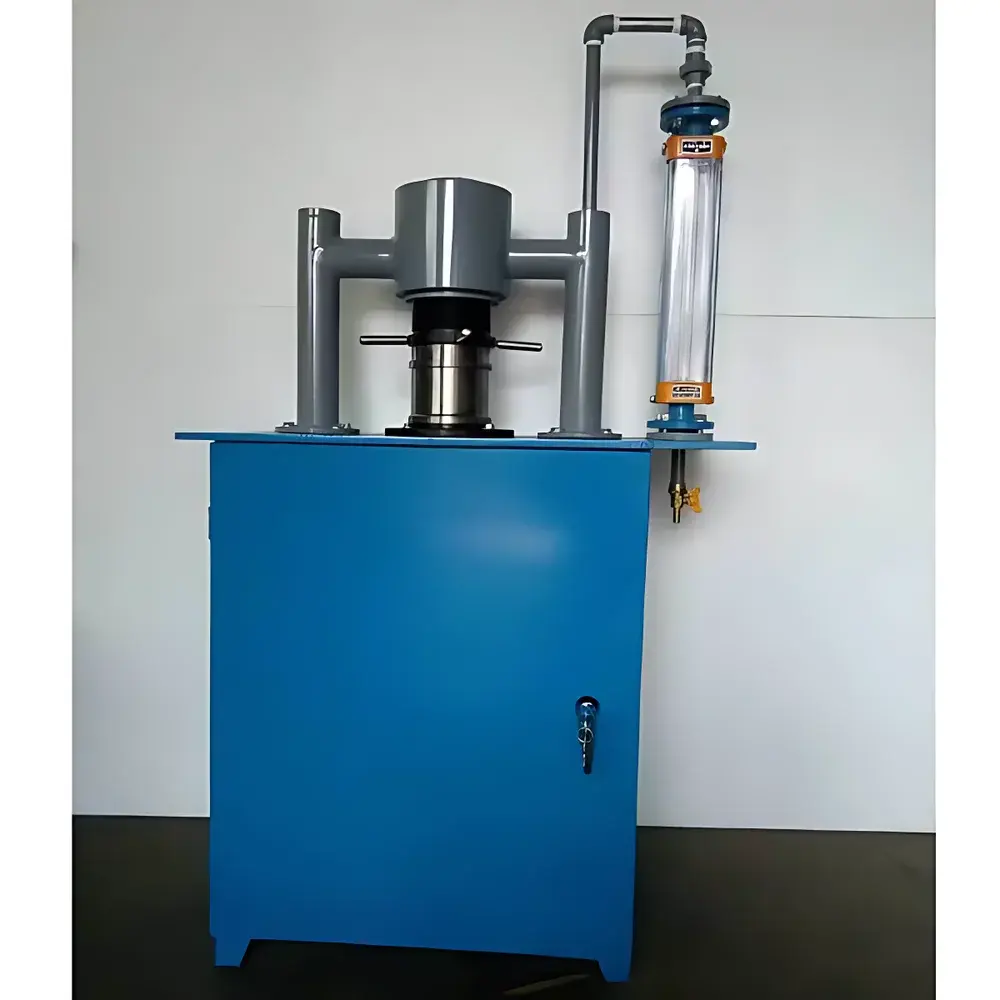
The MingShen Science JX-2 Slagging Tendency Tester is a dedicated laboratory instrument engineered for the standardized determination of coal slagging propensity under controlled gasification or combustion conditions. It operates in strict accordance with the Chinese national standard GB/T 1572–1989, “Method for Determination of Slagging Tendency of Coal,” which defines a reproducible thermal–aerodynamic test protocol to quantify the degree to which coal forms fused, adherent residues during high-temperature oxidation. The instrument simulates the critical early-stage behavior of coal in fixed-bed gasifiers and grate-fired boilers, where slag formation directly impacts operational continuity, heat transfer efficiency, and maintenance frequency. By measuring the mass percentage of uncrushed char residue retained on a 6 mm aperture sieve following controlled burning—termed the “slagging index”—the JX-2 provides a quantitative, comparative metric essential for coal procurement, blending strategy, and boiler feedstock qualification.
Key Features
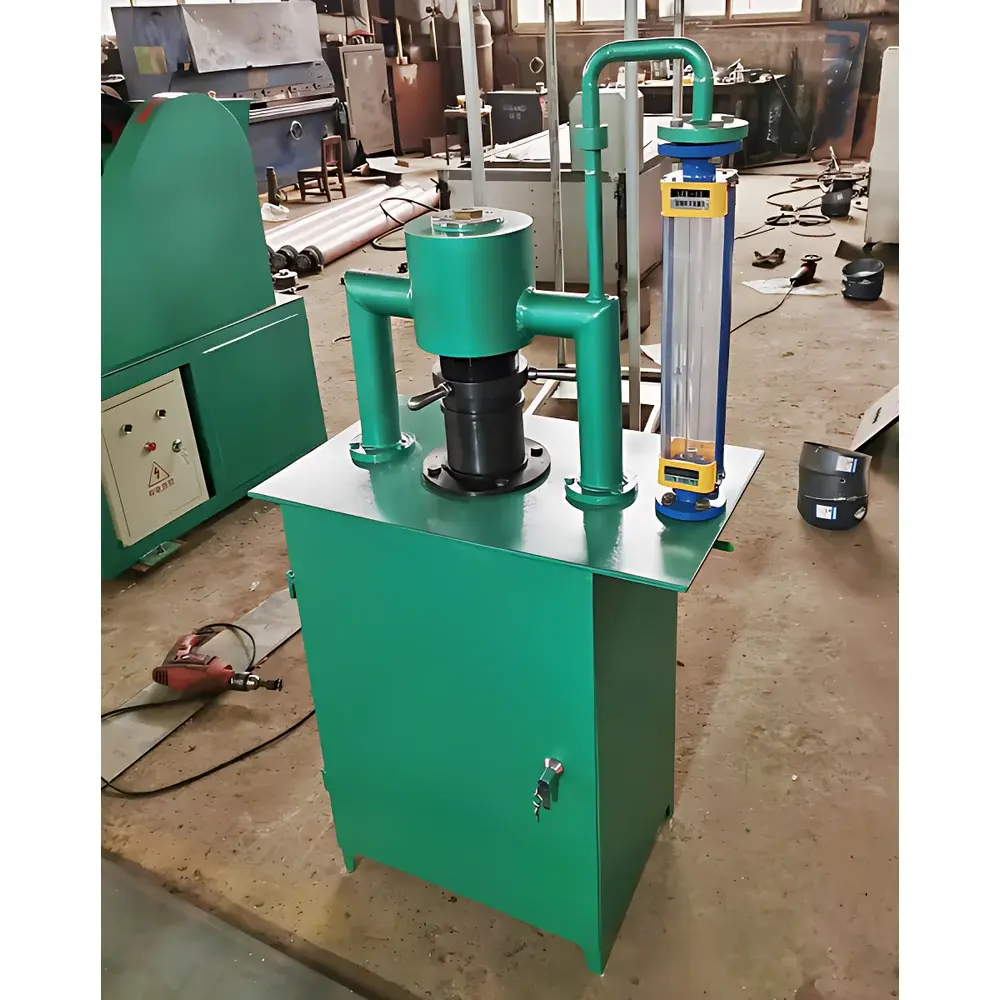
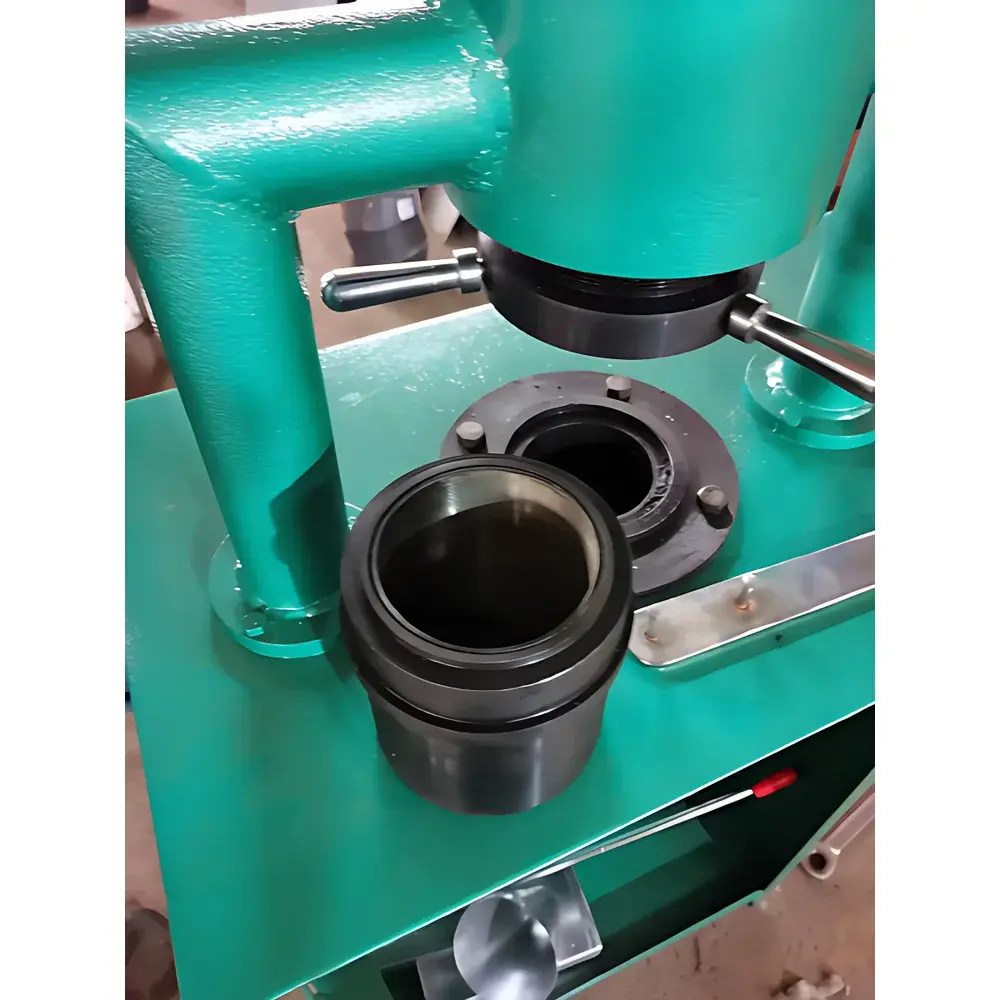
- Robust stainless-steel gasification chamber designed for repeated thermal cycling up to 1,100 °C; chamber geometry optimized to ensure uniform air distribution and consistent ignition propagation.
- Integrated high-pressure blower interface supporting external air supply units meeting ≥12 m³/h volumetric flow and ≥1000 mmHg static pressure requirements per GB/T 1572–1989.
- Precision-engineered sample loading volume of 400 cm³, calibrated to accommodate coal particles sized strictly within 3–6 mm—critical for eliminating size-related bias in slag morphology development.
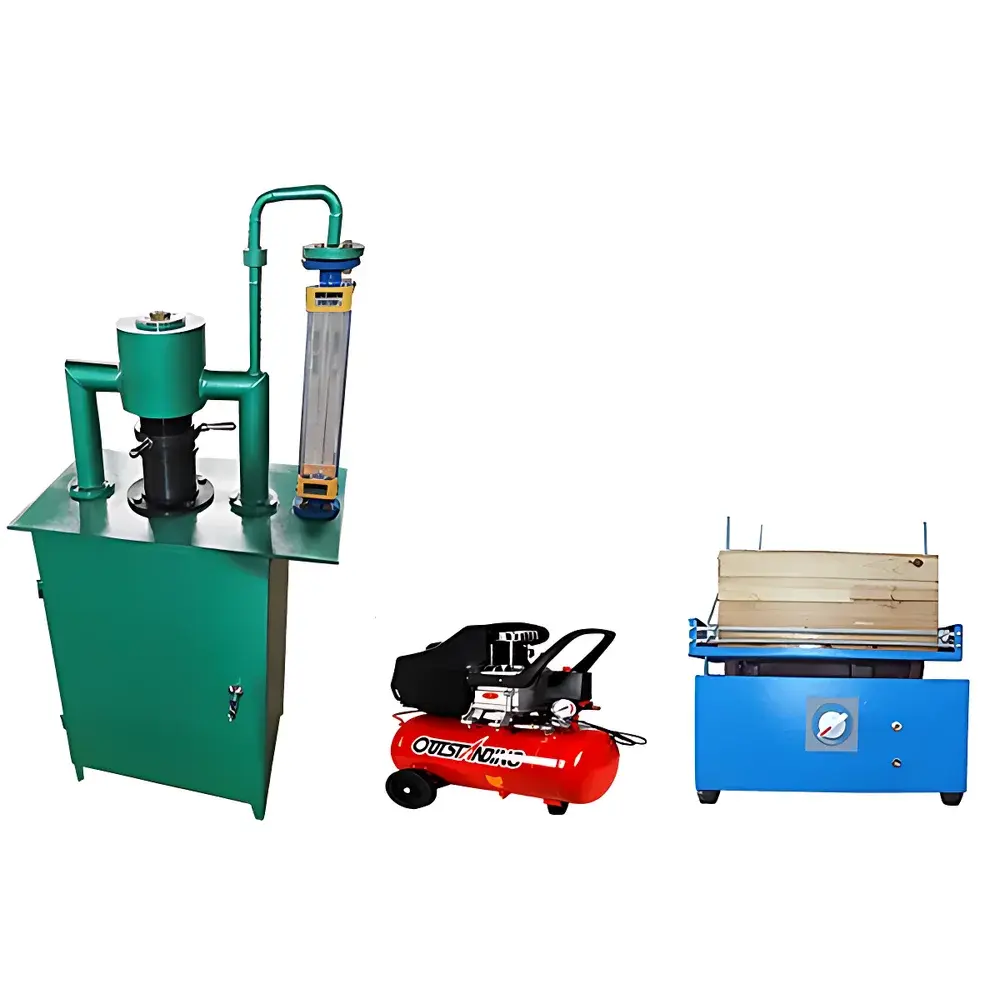
- Modular accessory set including vibration sieve apparatus (6 mm mesh), calibrated weighing pan, perforated iron shovel, and air duct assembly—all traceable to metrological best practices for inter-laboratory comparability.
- Thermally insulated smoke chamber and dual-path air routing system minimizing cross-contamination and ensuring stable draft dynamics during test execution.
Sample Compatibility & Compliance
The JX-2 is validated exclusively for solid fossil fuels conforming to ISO 1953:2013 (Coal — Determination of slagging tendency) and aligned with ASTM D3175–22 (Standard Test Method for Volatile Matter in the Analysis Sample of Coal and Coke) in sample preparation methodology. It accepts bituminous coals, anthracites, and low-rank coals provided particle size distribution falls within the 3–6 mm specification and moisture content remains below 8 wt% (as-received basis). All test procedures comply with GLP principles for data integrity: manual recording of ignition time, airflow stabilization duration, burnout confirmation, and post-sieve residue mass must be documented in a bound, numbered logbook. While not FDA 21 CFR Part 11–compliant (as it is non-digital), the system supports audit-ready documentation when used within ISO/IEC 17025-accredited laboratories.
Software & Data Management
The JX-2 is a manually operated, analog instrumentation platform with no embedded microprocessor or digital interface. All measurements—including initial sample mass, post-combustion residue mass, and retained fraction after 6 mm sieving—are recorded externally using calibrated analytical balances (0.01 g resolution recommended) and standardized reporting templates. Laboratories deploying the JX-2 are advised to integrate results into LIMS platforms via manual entry or spreadsheet import. For regulatory traceability, users should retain original handwritten records alongside digital copies for minimum retention periods defined by internal QA policy or national coal testing regulations (typically ≥5 years).
Applications
- Pre-combustion evaluation of coal blends for utility-scale pulverized coal and stoker-fired boilers to mitigate unplanned shutdowns caused by clinker accumulation.
- Quality assurance screening in metallurgical coke production facilities assessing raw coal suitability for coke oven charge formulations.
- R&D support in clean coal technology programs investigating additive effects (e.g., limestone, kaolin) on slag viscosity and fusion temperature.
- Contractual verification between coal suppliers and end-users where slagging index thresholds are stipulated in technical specifications (e.g., ≤15% slag retention for Class A industrial coal).
- Academic research in fuel science laboratories studying correlations between petrographic composition (vitrinite reflectance, mineral matter type) and macroscopic slag behavior.
FAQ
What is the primary output parameter reported by the JX-2?
The instrument yields the slagging index—the mass percentage of char residue retained on a 6 mm sieve after vibratory sieving and cooling, expressed as % (w/w).
Is calibration certification included with shipment?
No factory calibration certificate is supplied; users must verify dimensional accuracy of the 400 cm³ sample container and 6 mm sieve aperture using NIST-traceable gauges prior to first use.
Can the JX-2 be used for biomass or waste-derived fuels?
No—GB/T 1572–1989 applies solely to coal. Biomass slagging assessment requires alternative standards (e.g., CEN/TS 15104:2021) and modified test protocols not supported by this configuration.
What maintenance intervals are recommended for the gasification chamber?
Visual inspection and mechanical cleaning of the chamber interior, air distributor plate, and exhaust ducts are required after every 10 test cycles or at minimum weekly if operated daily.
Is a backup gasification chamber available as an optional spare part?
No—per manufacturer documentation, the gasification chamber is classified as a wear component not supplied as standard or optional inventory; users are advised to budget for periodic replacement based on usage intensity.