
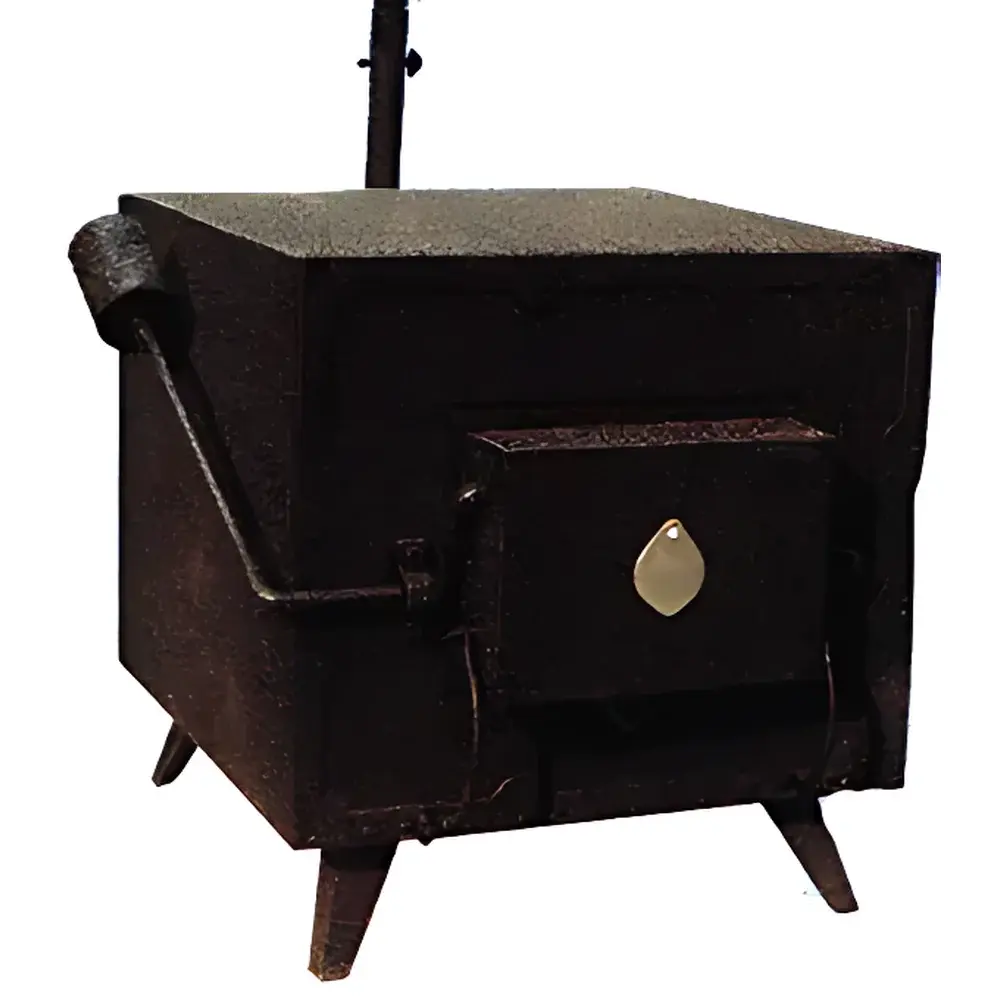
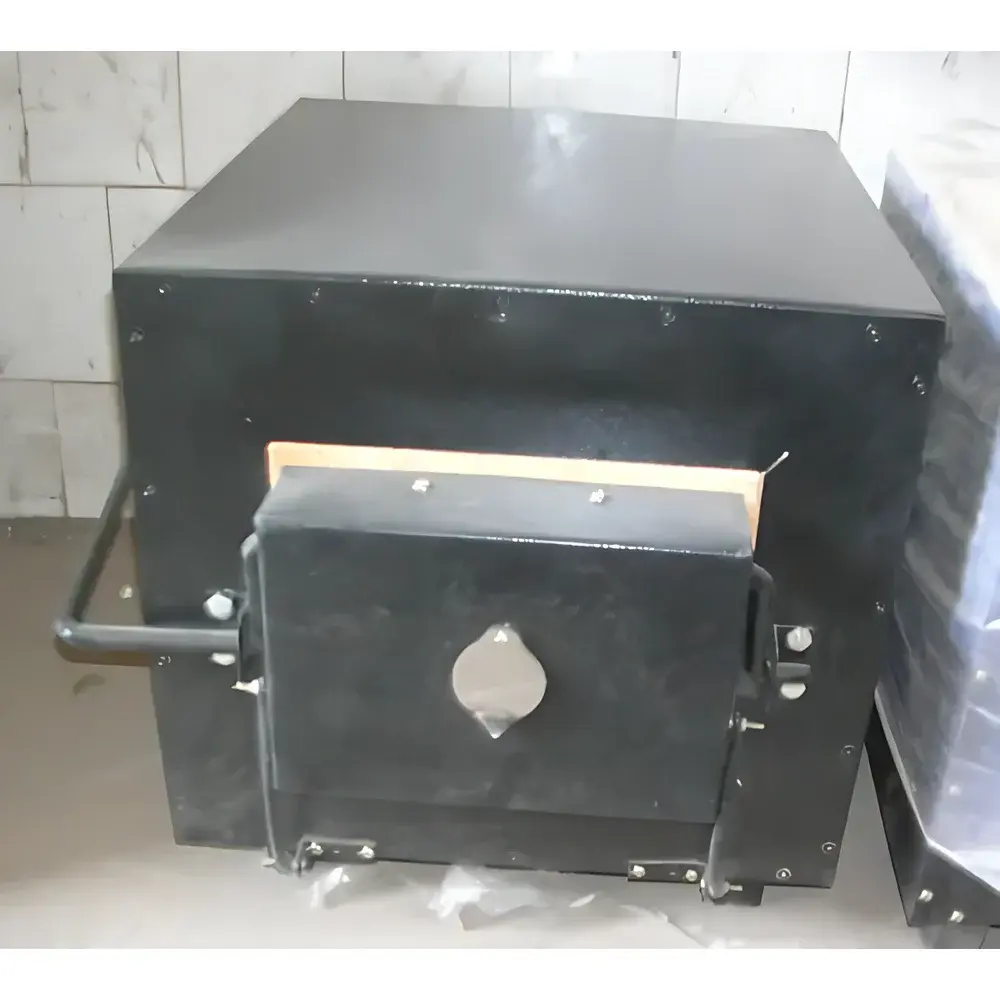
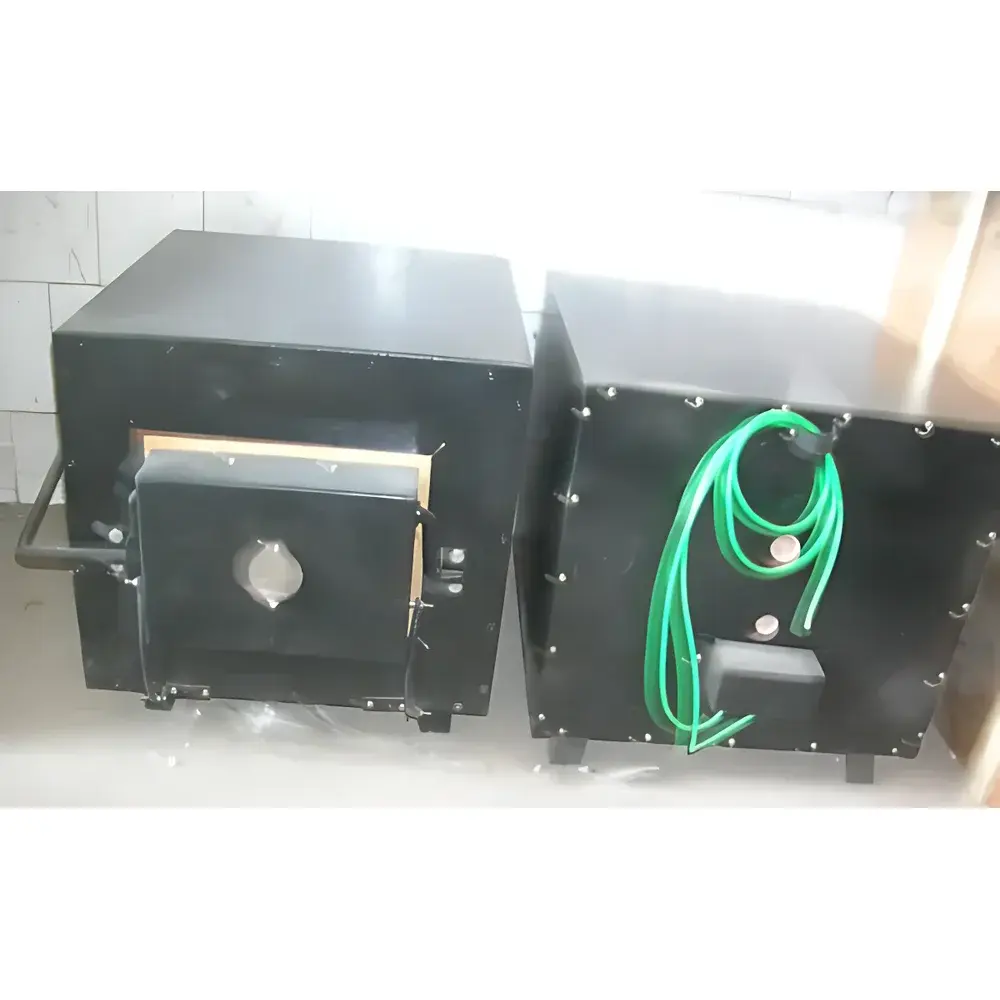
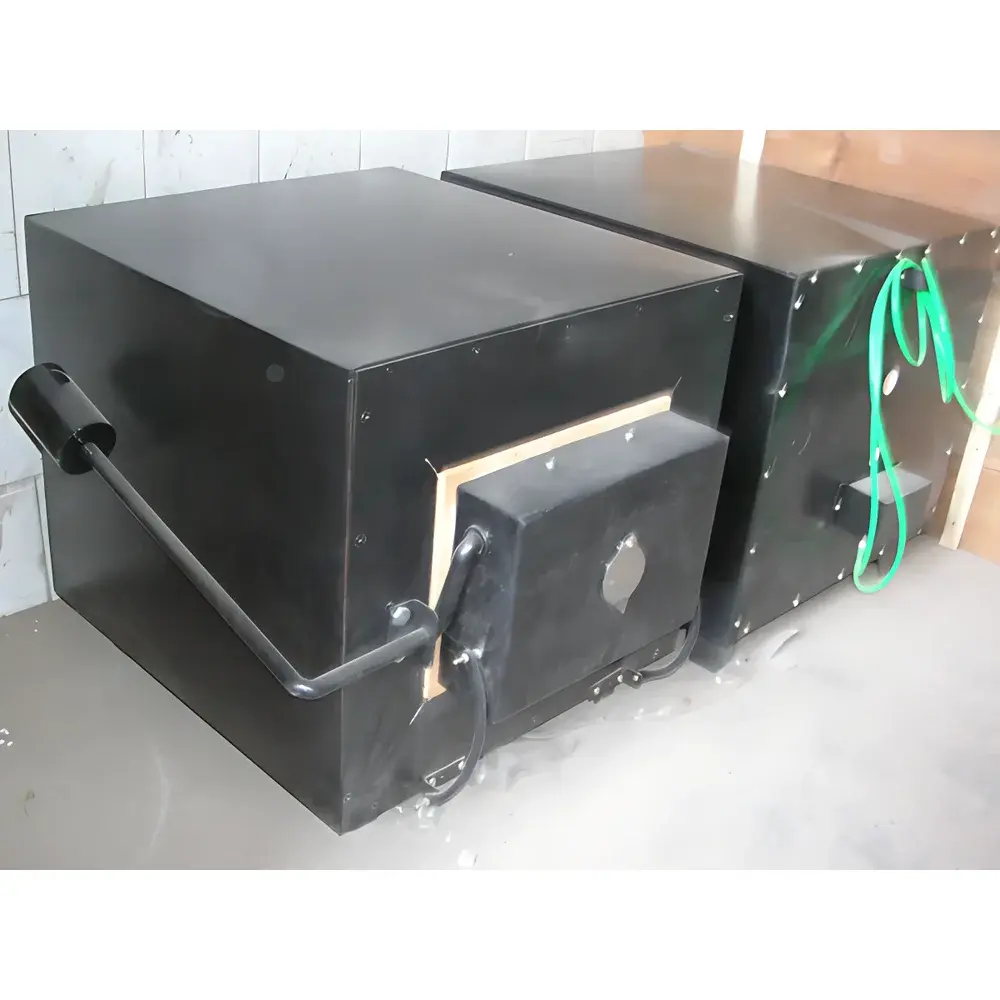
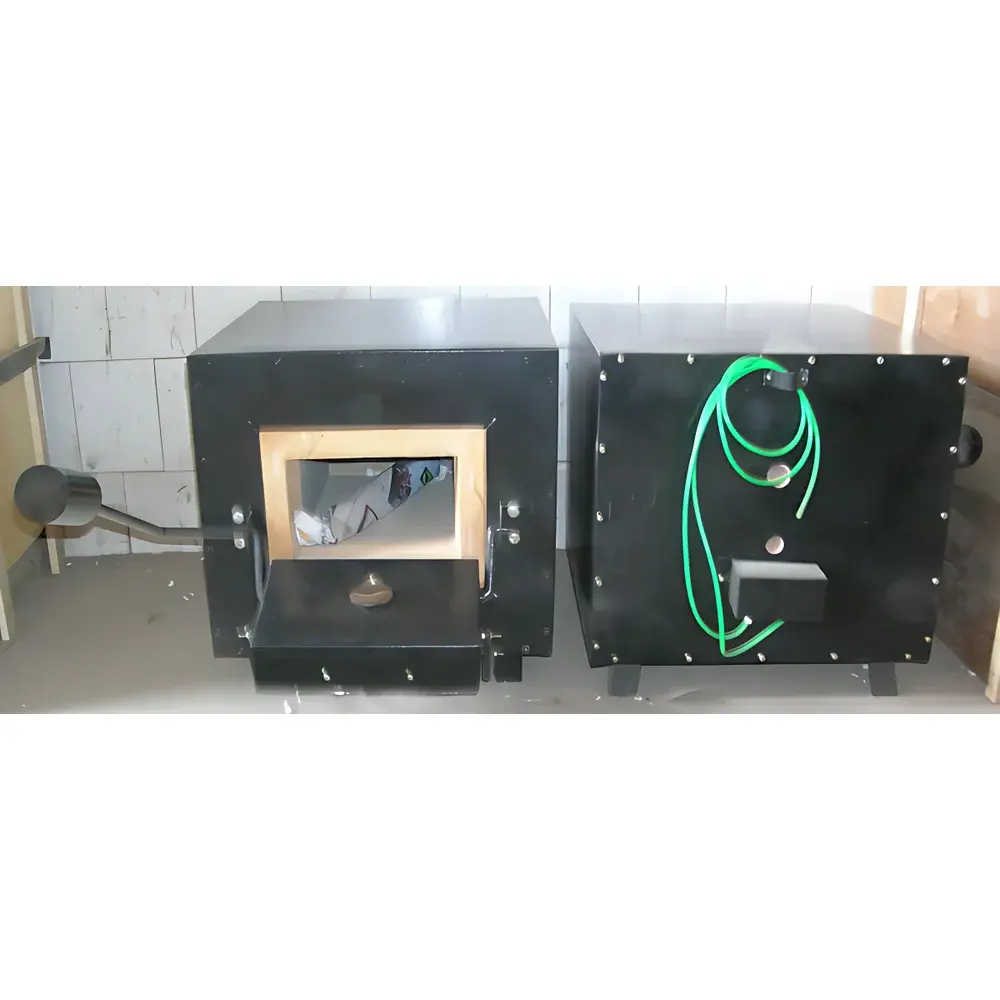
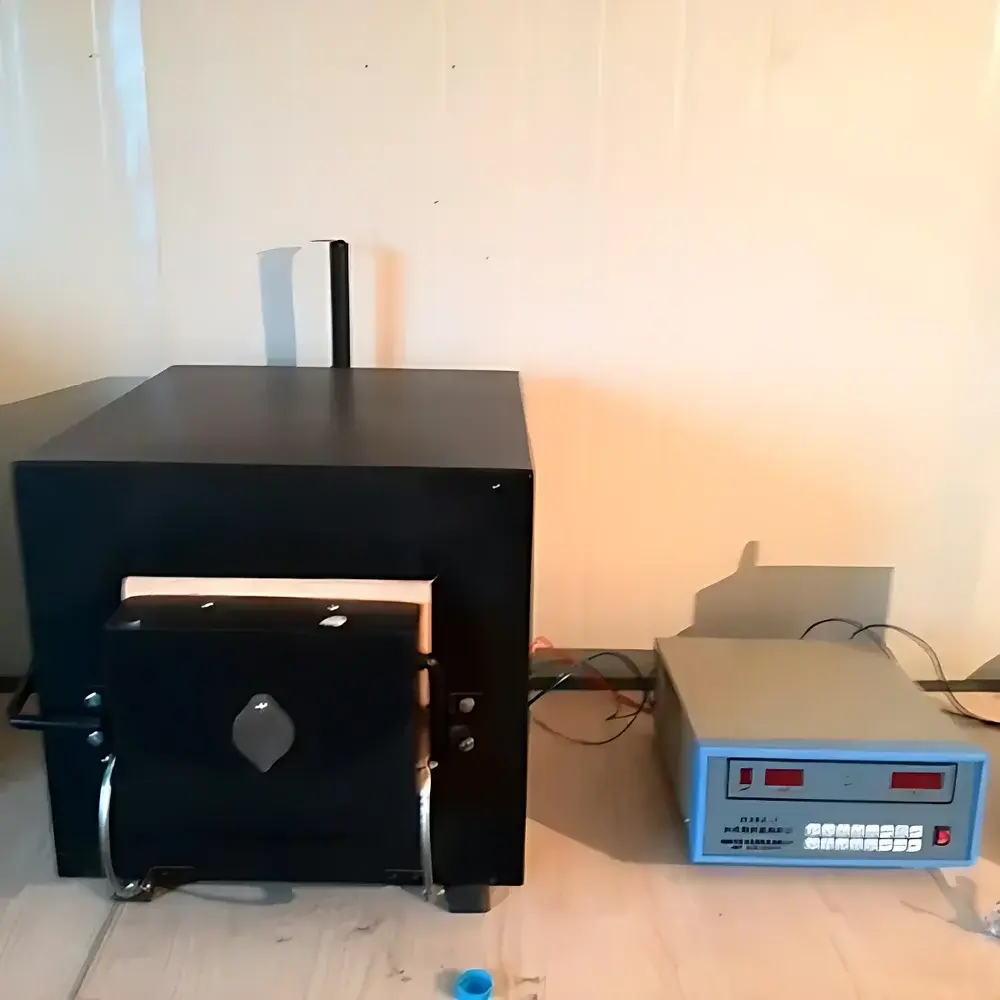
MingShen Science XL-1 Box-Type High-Temperature Resistance Furnace
| Brand | MingShen Science |
|---|---|
| Origin | Henan, China |
| Manufacturer Type | Authorized Distributor |
| Country of Origin | China |
| Model | XL-1 |
| Instrument Type | Box-Type Muffle Furnace |
| Maximum Temperature | 1000 °C |
| Temperature Control Accuracy | ±5 °C |
| Rated Power | 4 kW |
| Heating Time to Max Temp | 90 min |
| Heating Element | Nickel-Chromium Resistance Wire |
| Internal Chamber Dimensions | 325 × 200 × 125 mm (L × W × H) |
| Control Method | Analog On/Off or PID Controller (External) |
| Insulation Material | Lightweight Refractory Insulating Brick |
| Chimney Port | Adjustable Rear-Mounted Flue |
| Viewing Port | Centered on Door |
| Door Mechanism | Counterweighted Hinged Lid |
| Thermal Sensor Interface | Standard Thermocouple Insertion Port (Type K recommended) |
Overview
The MingShen Science XL-1 Box-Type High-Temperature Resistance Furnace is a robust, entry-level muffle furnace engineered for routine thermal processing in coal quality laboratories and general materials research. Operating on the principle of resistive Joule heating via embedded nickel-chromium alloy wire elements, the XL-1 delivers stable, uniform temperature distribution within its insulated chamber—critical for standardized ash content determination (ASTM D3174, ISO 1171), volatile matter analysis (ASTM D3175), and fixed carbon estimation per GB/T 212–2008. Its design adheres to fundamental safety and performance expectations for Class I, non-vacuum, atmospheric-pressure laboratory furnaces: no internal combustion, full electrical isolation of heating elements from the sample zone, and passive heat retention through low-conductivity refractory brick linings. The furnace is not intended for inert-atmosphere or reducing-gas applications; it operates exclusively in ambient air.
Key Features
- Lightweight refractory insulation system composed of high-purity insulating firebrick (thermal conductivity < 0.2 W/m·K at 800 °C), ensuring rapid heat-up while minimizing external surface temperature rise (< 60 °C at 1000 °C operation).
- Counterweighted hinged door mechanism with positive-latching engagement—enabling one-hand operation and repeatable sealing integrity without mechanical strain on hinges or gasket surfaces.
- Center-mounted quartz-glass observation window (Φ40 mm), rated for continuous exposure up to 1000 °C, allowing real-time visual monitoring of sample state (e.g., glow, charring, ash formation) without thermal interruption.
- Rear-mounted adjustable flue port with sliding damper—enabling controlled convective venting to manage off-gas accumulation during organic decomposition (e.g., coal pyrolysis) or moisture evaporation.
- Dedicated thermocouple insertion port (standardized 6 mm diameter, depth-adjustable) located at chamber mid-height, 25 mm above floor—ensuring representative temperature sensing per ASTM E220 calibration guidelines.
- Modular terminal block with isolated power input (L/N/PE), thermocouple input (cold-junction compensation enabled), and auxiliary control signal interface—compatible with third-party PID controllers meeting IEC 61000-4 EMC standards.
Sample Compatibility & Compliance
The XL-1 accommodates crucibles (alumina, porcelain, platinum), ceramic boats, and stainless-steel trays conforming to ASTM E1223 specifications for ash testing. Sample mass is limited by chamber volume and thermal mass constraints—maximum recommended load: 100 g for reproducible 1000 °C equilibration. The furnace complies with GB 4706.1–2005 (Safety of Household and Similar Electrical Appliances) and meets basic electromagnetic compatibility requirements per GB/T 17626.2–2018 (ESD immunity). While not certified to UL 746A or IEC 61010-1, its construction satisfies GLP-aligned operational prerequisites: traceable temperature verification (via external calibrated thermocouple), documented startup/shutdown sequences, and physical access controls (door interlock optional upon request). It supports audit-ready workflows when paired with validated external controllers compliant with FDA 21 CFR Part 11 data integrity requirements.
Software & Data Management
The XL-1 operates as a hardware platform requiring an external temperature controller—no embedded firmware or onboard display. Compatible controllers include MingShen’s TC-3000 series (PID with RS485 Modbus RTU output) or third-party units supporting 4–20 mA setpoint input and thermocouple feedback. All process data—including ramp rates, dwell times, peak temperatures, and alarm logs—must be captured externally. When integrated with validated SCADA or LIMS systems (e.g., LabWare LIMS, Thermo Fisher SampleManager), the furnace supports electronic batch records, user-authenticated parameter changes, and automated report generation aligned with ISO/IEC 17025 clause 7.7 (result reporting). Audit trails are maintained at the controller level; raw furnace telemetry is not stored internally.
Applications
- Coal and coke analysis: ash content (ISO 1171), volatile matter (ISO 562), sulfur residue evaluation.
- Ceramic pre-firing: binder burnout, green-body densification prior to sintering.
- Environmental sample preparation: sediment drying, filter paper ashing for gravimetric metal analysis (EPA Method 2540C).
- Pharmaceutical excipient testing: loss on drying (LOD) per USP <731>, residual solvent screening.
- Metallurgical assay support: flux fusion crucible conditioning, slag homogenization trials.
- Academic teaching labs: thermal decomposition kinetics, oxidation behavior studies of polymers and composites.
FAQ
What thermocouple type is recommended for use with the XL-1?
Type K (Chromel–Alumel) thermocouples are standard for 0–1000 °C operation and compatible with most analog PID controllers used with this furnace.
Is the furnace suitable for use under nitrogen or argon atmosphere?
No—the XL-1 lacks gas inlet/outlet ports, pressure rating, or sealed door gasketing; it is strictly designed for ambient-air operation.
Can the heating rate be programmed?
Not natively—the XL-1 has no built-in ramp-soak functionality; programmable heating profiles require an external multi-step PID controller.
What maintenance is required for long-term reliability?
Annual inspection of resistance wire integrity, thermocouple calibration verification, and cleaning of flue passages and door seal surfaces using non-abrasive tools.
Does the unit include overtemperature protection?
Yes—a redundant bimetallic safety cutoff (1050 °C trip point) is integrated into the main power circuit, independent of the primary controller.



