PMM 6000A Automotive BCI (Bulk Current Injection) Immunity Test System
| Brand | PMM |
|---|---|
| Origin | Italy |
| Model | 6000A |
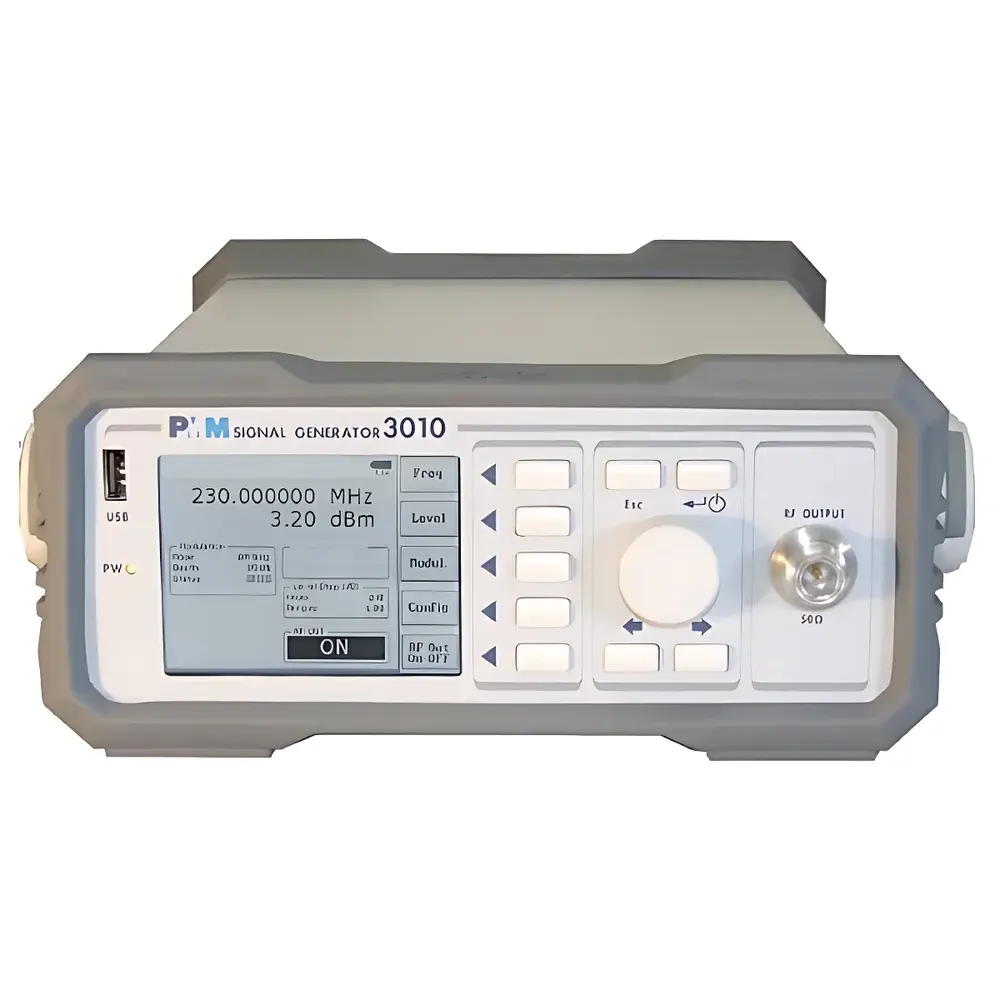
| RF Signal Source | PMM 3010 |
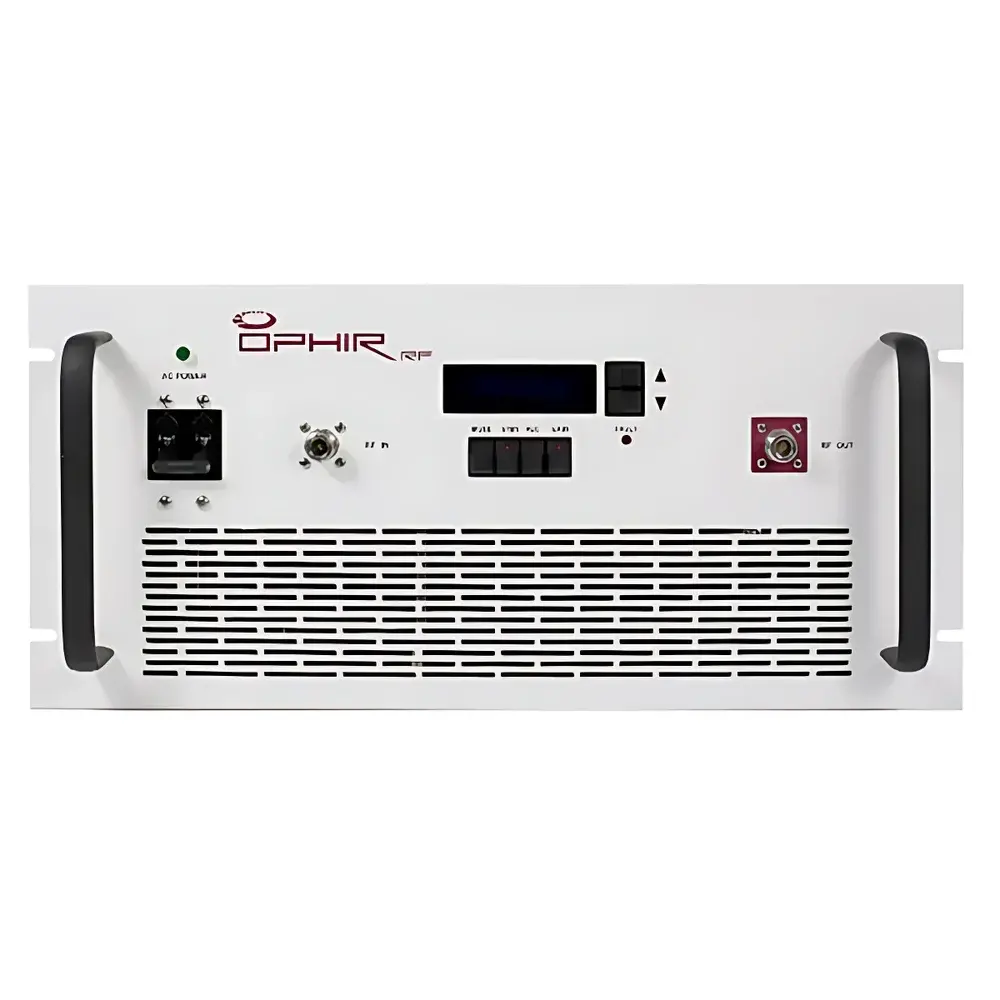
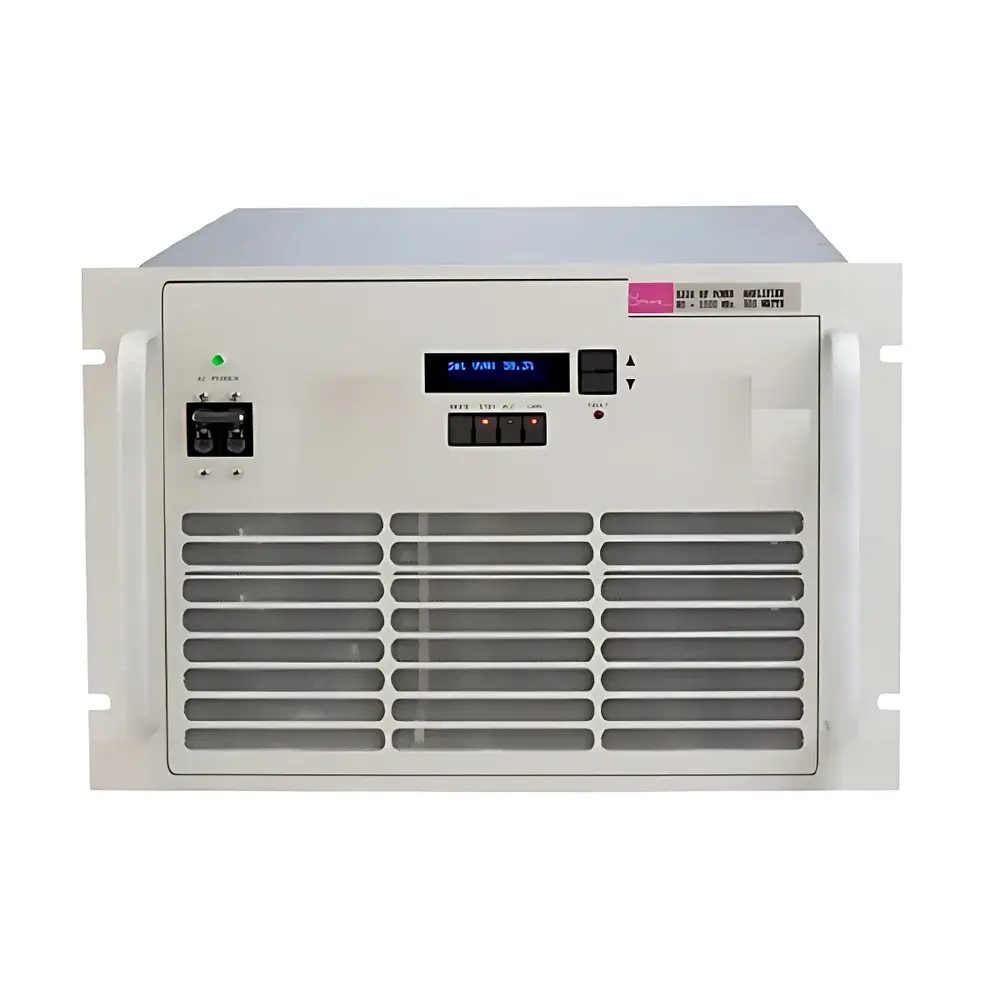
| Power Amplifier Options | PMM 5042 or 7034 |
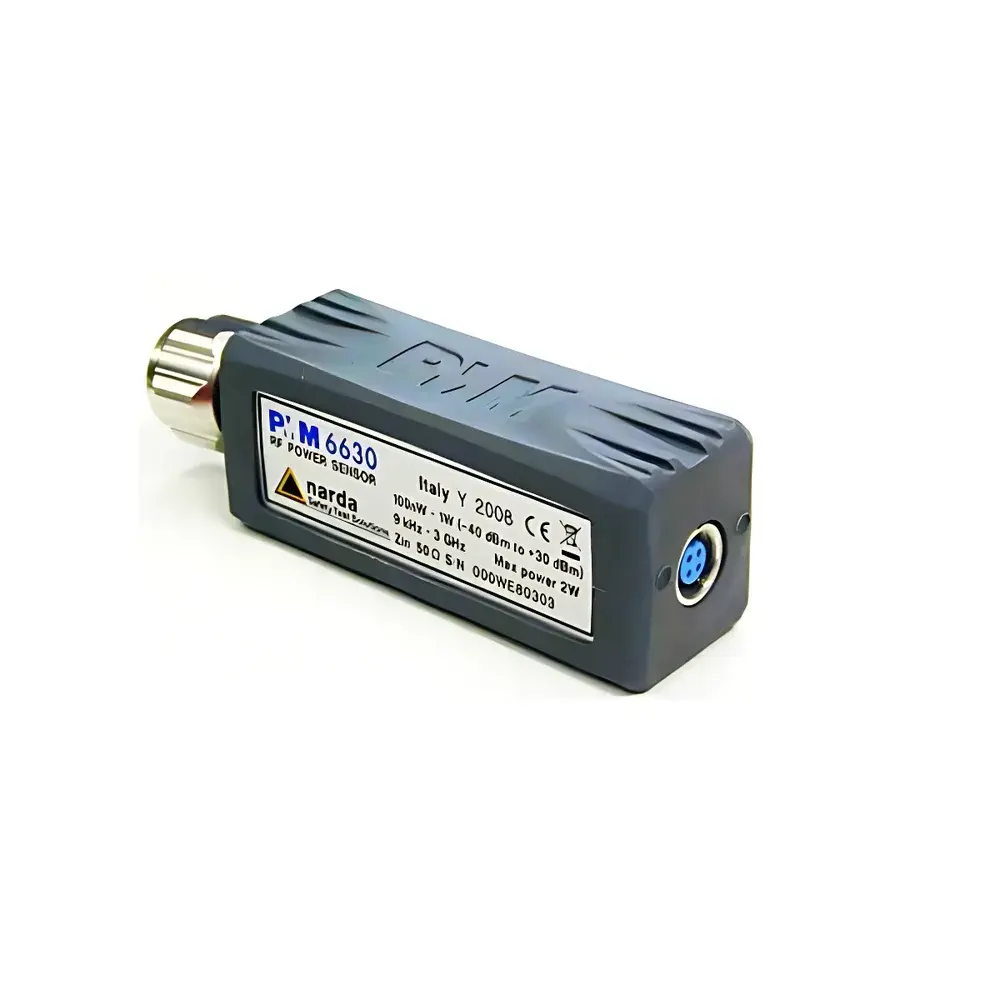
| Power Meter | PMM 6630 |
| Current Injection Clamp | OIP400 |
| Injection Current Capability | 200 mA, 300 mA, and 400 mA (peak) |
| Software | PIMS (Programmable Immunity Measurement System) |
| Hardware Architecture | Decentralized modular design |
| Instrument Interoperability | Compatible with R&S SMB100 series signal sources and third-party amplifiers/clamps per ISO 11452-4 |
| Compliance | Designed for ISO 11452-4, ISO 10605, SAE J1113/4, and CISPR 25 immunity validation |
Overview
The PMM 6000A Automotive BCI (Bulk Current Injection) Immunity Test System is a modular, standards-compliant platform engineered for electromagnetic immunity validation of electronic control units (ECUs), infotainment modules, ADAS sensors, and other automotive components according to ISO 11452-4. It implements the bulk current injection method—a calibrated near-field coupling technique that induces controlled RF currents directly onto wiring harnesses without physical connection to the device under test (DUT). Unlike TEM cell or radiated immunity setups, BCI provides repeatable, localized stress at the harness level while maintaining DUT operational integrity during testing. The 6000A system adopts a decentralized hardware architecture: all core instruments—including the RF signal source (PMM 3010), power amplifier (5042 or 7034), power meter (6630), and current injection clamp (OIP400)—are standalone, rack-mountable or portable bench instruments compliant with IEC 61000-4-6 and MIL-STD-461G CS114 requirements. This design ensures traceable calibration paths, field-replaceable modules, and long-term serviceability without system-wide obsolescence.
Key Features
- Modular instrument topology enabling hardware-level interoperability: supports third-party RF sources (e.g., R&S SMB100B), amplifiers, and clamps while preserving measurement integrity per ISO 11452-4 Annex B calibration procedures.
- Configurable injection current output: validated performance up to 400 mA peak (1 kHz–400 MHz) with real-time closed-loop monitoring via PMM 6630 power meter and OIP400 clamp calibration factors.
- PIMS software—developed in-house by PMM—provides full test sequencing control including frequency sweep range (10 kHz–400 MHz), step resolution (1%, 10 kHz min), dwell time per point (1–999 s), and user-defined hold points for behavioral observation.
- Automated EUT response logging: synchronized acquisition of monitored signals (e.g., CAN bus error frames, analog sensor drift, watchdog resets) via digital I/O or external DAQ integration.
- Decoupled hardware architecture ensures each module meets individual CE/UKCA marking, RoHS compliance, and carries independent factory calibration certificates (ISO/IEC 17025 accredited).
Sample Compatibility & Compliance
The 6000A system accommodates EUTs with harness lengths from 0.5 m to 3.0 m and common automotive connector types (e.g., USCAR-2, FAKRA, HSD). Clamp positioning follows ISO 11452-4 Section 6.3 guidelines; minimum distance from EUT enclosure is 50 mm. All configurations support both amplitude-modulated (AM, 1 kHz sine, 80% modulation depth) and pulse-modulated (PM, 1 kHz PRF) test signals as required by ISO 10605 and SAE J1113/4. System-level validation includes verification of forward/reflected power ratio (<1.5:1 across band), clamp factor linearity (±0.5 dB), and current probe uncertainty (k=2, ≤ ±5% per ANSI C63.4). Full test reports generated by PIMS include metadata traceable to NIST-traceable reference standards and comply with GLP audit requirements.
Software & Data Management
PIMS v4.x operates on Windows 10/11 (64-bit) and interfaces with instruments via LAN (VXI-11, SCPI-TCP) or USB-TMC. It implements role-based user access control, electronic signatures, and full 21 CFR Part 11 audit trail functionality—including operator ID, timestamped parameter changes, report generation events, and failed calibration alerts. Test data is stored in encrypted SQLite databases with optional export to CSV, XML, or PDF formats containing embedded calibration certificates. Raw RF power, injected current, and EUT status logs are time-synchronized to ±10 ms precision. Custom scripting (Python API) enables integration with CI/CD pipelines for automated regression testing in vehicle ECU validation labs.
Applications
- Pre-compliance and full compliance immunity testing of ECUs per ISO 11452-4, ISO 10605, and OEM-specific specifications (e.g., BMW GS95024, Ford EMC-CS-2009.1).
- Robustness evaluation of high-speed serial links (CAN FD, LIN, FlexRay, Automotive Ethernet) under RF stress conditions.
- Root cause analysis of intermittent faults induced by RF coupling into sensor signal lines or power distribution networks.
- Validation of shielded harness designs and ferrite suppression effectiveness using comparative BCI sweeps before/after mitigation.
- Support for R&D-level parametric studies—e.g., correlation between injection current magnitude, modulation type, and functional interruption thresholds.
FAQ
Does the 6000A system support fully automated test execution per ISO 11452-4 Clause 8?
Yes. PIMS automates frequency stepping, power level adjustment, dwell timing, and pass/fail evaluation against user-defined limits. Calibration verification checks occur before each test sequence.
Can third-party power amplifiers be integrated without firmware modification?
Yes—provided the amplifier supports standard SCPI commands and delivers stable gain flatness (±1.0 dB) over the 10 kHz–400 MHz band. PMM provides integration templates for Rohde & Schwarz, AR, and Teseq models.
Is PIMS software validated for use in FDA-regulated automotive medical device development?
PIMS v4.3+ includes IQ/OQ documentation packages and satisfies 21 CFR Part 11 requirements for electronic records and signatures when deployed on validated IT infrastructure.
What is the typical calibration interval for the OIP400 clamp and PMM 6630 power meter?
Annual calibration is recommended; both instruments ship with ISO/IEC 17025-accredited certificates. Field verification using PMM’s included calibration jig is supported pre-test.
How does the 6000A handle harmonics and spurious emissions from the amplifier during testing?
The system incorporates real-time spectral monitoring via optional external spectrum analyzer integration, and PIMS flags out-of-band emissions exceeding −20 dBc relative to carrier during test execution.