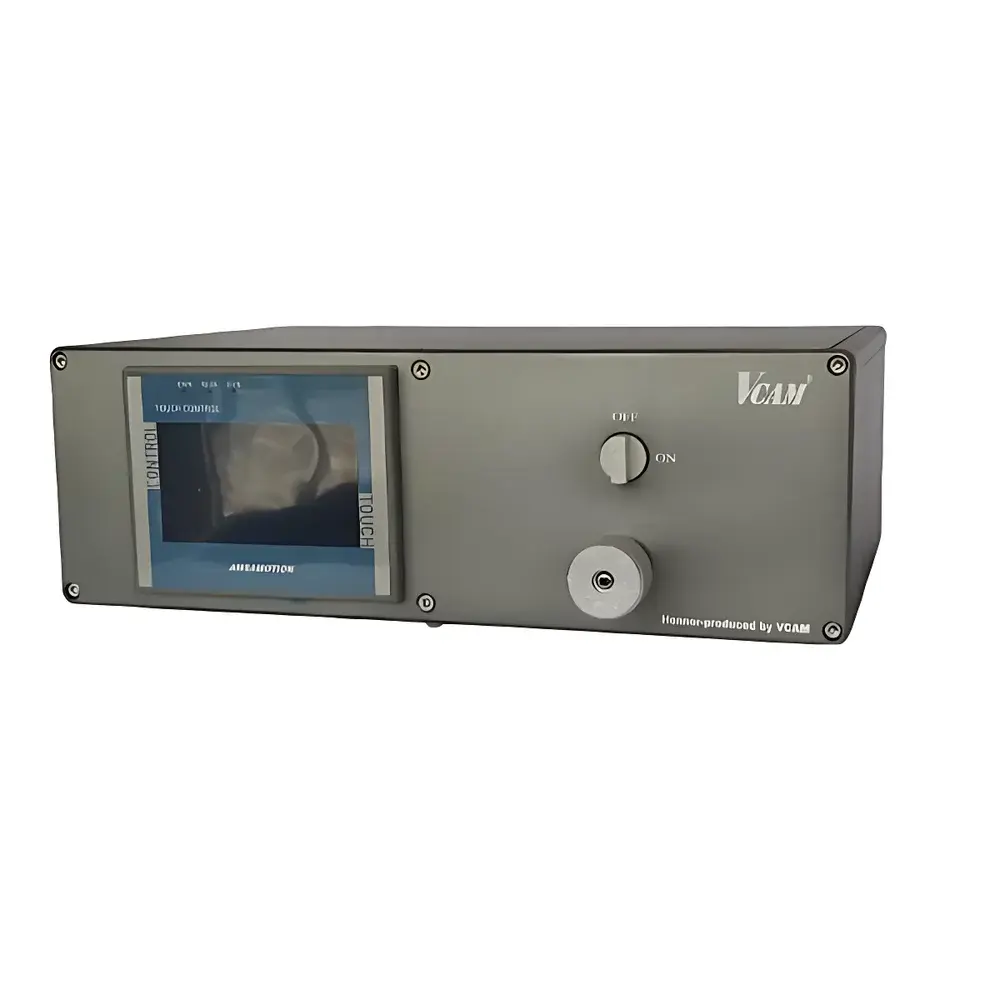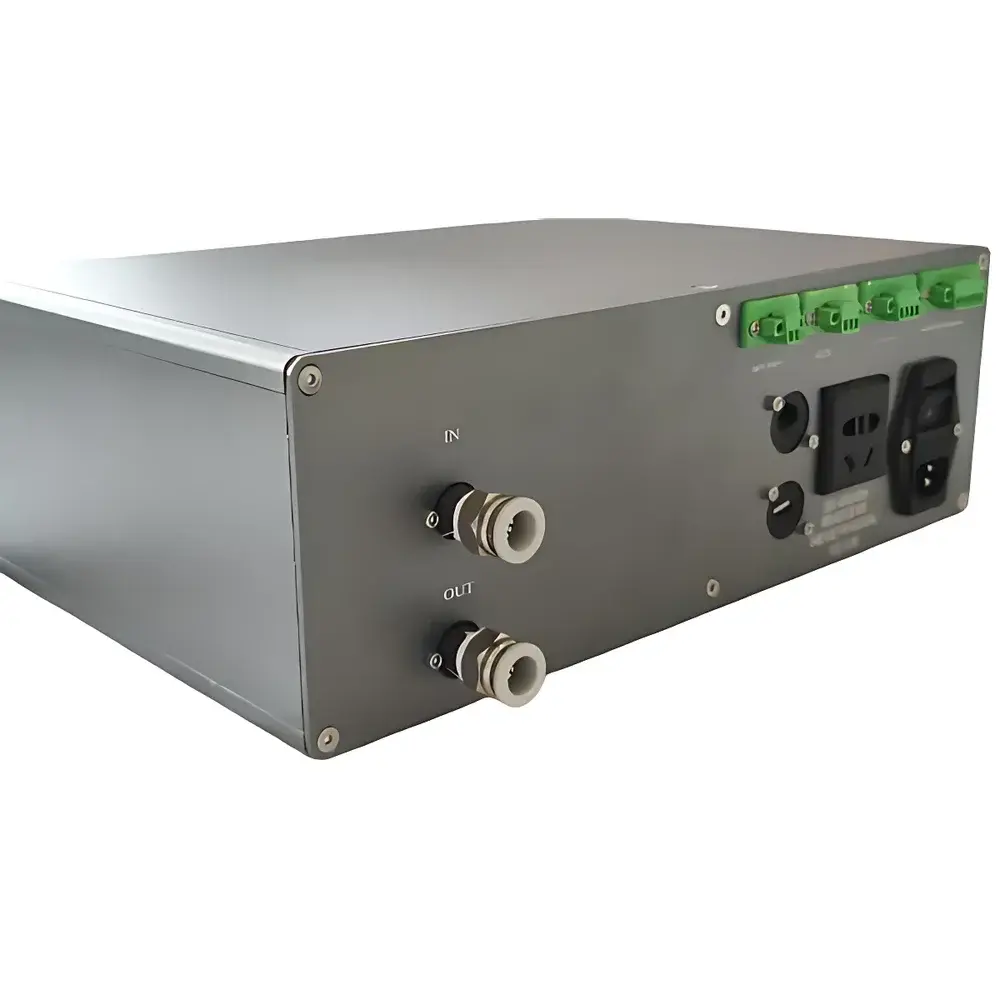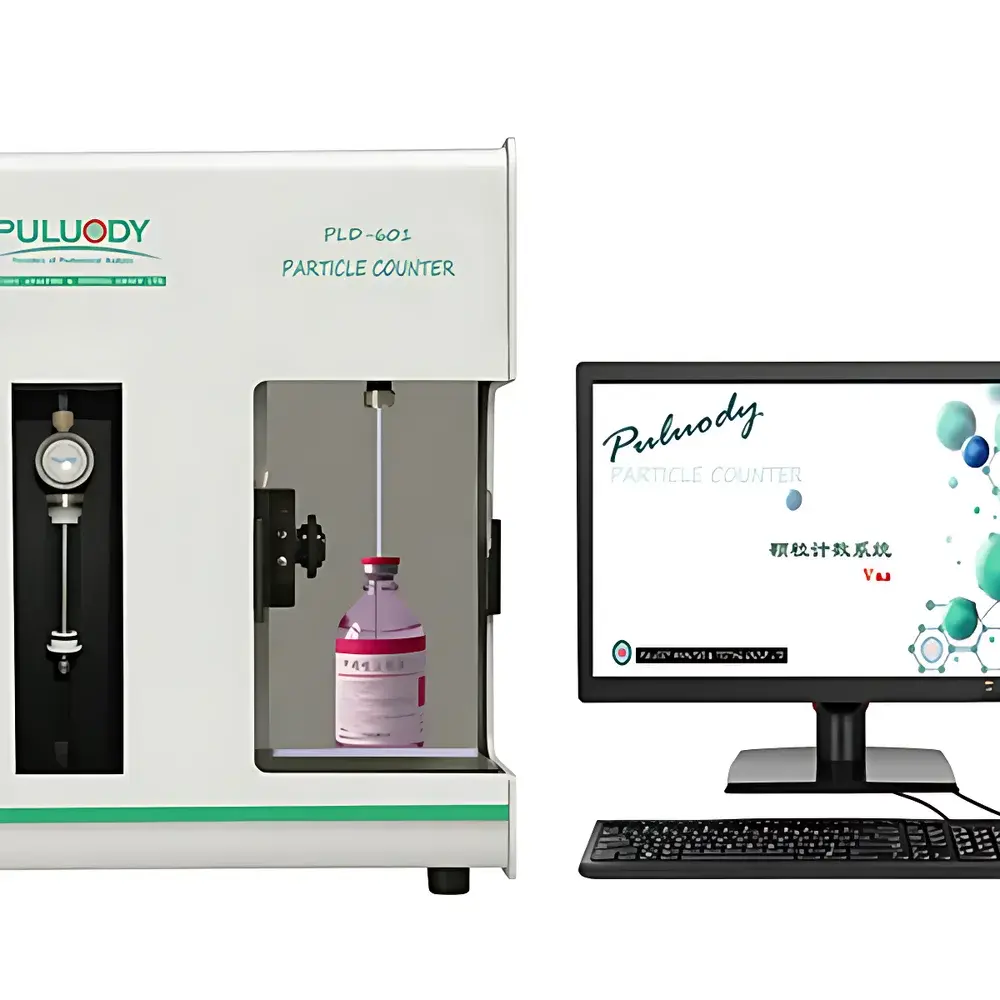
PULUODY PLD-601XJ Insoluble Particulate Analyzer for Flavor & Fragrance Applications
| Brand | PULUODY |
|---|---|
| Origin | Shaanxi, China |
| Model | PLD-601XJ |
| Detection Principle | Light Obscuration (LO) / Single-Particle Optical Sizing (SPOS) |
| Sensor Generation | 8th-Generation Dual-Laser Narrow-Beam Particle Sensor |
| Flow Control | Precision Metering Plunger Pump + Electromagnetic Flow Regulation |
| Measurement Range | 1–450 µm (customizable sub-ranges: 1–100 µm or 4–70 µm(c) |
| Resolution | >95% (per ChP 2015/2020), <10% (per USP/ISO 21501) |
| Channel Count | 1000 user-definable size channels (e.g., 4/8/16/32/64/128/128+ bins) |
| Sampling Flow Rate | 5–150 mL/min |
| Rinse Flow Rate | 5–500 mL/min |
| Sample Temperature Range | 0–80 °C |
| Ambient Operating Temperature | −15–50 °C |
| Accuracy | ±2.5% typical |
| Volume Accuracy | ±1% |
| Coincidence Limit | ≤2.5% error at 1000 particles/mL |
| Compliance | FDA 21 CFR Part 11, ASTM D6786, ISO 21501-4, ISO 11171, USP <788>, <789>, <797>, EP 10.0, ChP 0903, GB/T 11446.9-2013, YBB00272004-2015, GB 8368, ISO 4406, NAS 1638, MIL-STD-1246C, JIS B 9933 |
| Software | V8.9 Analytical Suite (PC + embedded touchscreen), 5-level role-based access control, full audit trail, electronic signature, data backup/recovery, power-fail protection |
| Calibration Standards | NIST-traceable latex spheres, ISO 21501-4 reference materials, JJG 1061 certified |
| Metrology Support | National Northwest Metrology & Testing Center (CNAS-accredited), Defense Science & Technology Commission Level-1 Particle Metrology Station No. 116 |
Overview
The PULUODY PLD-601XJ Insoluble Particulate Analyzer is a high-precision, regulatory-compliant instrument engineered for quantitative analysis of insoluble particulate matter in flavor and fragrance formulations, pharmaceutical liquids, ultra-pure process fluids, and critical excipient solutions. It operates on the light obscuration (LO) principle—also known as single-particle optical sizing (SPOS)—where particles suspended in a liquid stream pass through a collimated dual-laser sensing zone, generating transient signal pulses proportional to their cross-sectional area. The 8th-generation dual-laser narrow-beam sensor delivers enhanced signal-to-noise ratio and minimized diffraction artifacts, enabling reliable detection down to 0.1 µm(c) with trace-level sensitivity and high statistical confidence across broad dynamic ranges. Designed specifically for applications demanding strict adherence to pharmacopeial and industrial cleanliness standards, the PLD-601XJ supports full compliance with USP , , , EP 10.0, ChP 0903, and ISO 21501-4—making it suitable for QC release testing, filter validation, extractables/leachables assessment, and routine process fluid monitoring in GMP-regulated environments.
Key Features
- 8th-generation dual-laser narrow-beam particle sensor with optimized beam geometry for improved resolution and reduced coincidence error
- Dual-mode flow control architecture: precision metering plunger pump for volumetric accuracy (<±1%) and electromagnetic flow regulation for real-time stability (5–150 mL/min sampling; 5–500 mL/min rinse)
- 1000 fully customizable particle size channels—configurable from 4 to 128 discrete bins—supporting multi-standard alignment (e.g., USP, ChP, ISO, NAS)
- V8.9 analytical software suite with FDA 21 CFR Part 11 compliance: five-tiered user permission levels, immutable audit trail, time-stamped electronic signatures, and encrypted data backup/recovery
- Integrated touchscreen interface with bilingual (English/Chinese) operation, intuitive workflow navigation, and automated calibration verification protocols
- Thermally stable fluid path accommodating samples from 0 °C to 80 °C, with environmental tolerance from −15 °C to 50 °C
- Traceable calibration using NIST-certified polystyrene latex standards per JJG 1061 and ISO 21501-4, validated by CNAS-accredited metrology institutions including the National Northwest Metrology & Testing Center and DSTC Level-1 Particle Metrology Station No. 116
Sample Compatibility & Compliance
The PLD-601XJ is validated for use across diverse sample matrices requiring stringent particulate control—including aqueous and non-aqueous flavor emulsions, fragrance concentrates, injectable drug products (solution, lyophilized, and concentrated forms), ophthalmic preparations, vaccines, sterile active pharmaceutical ingredients (APIs), purified water (PW), water for injection (WFI), and ultrapure water (UPW) used in semiconductor fabrication. Its design meets material compatibility requirements for Class VI plastics and 316L stainless steel wetted parts, minimizing leachables and adsorption artifacts. Regulatory alignment includes full support for GLP/GMP documentation workflows, with built-in tools for filter challenge testing (e.g., terminal sterilizing filter efficiency per USP Annex), particulate shedding assessment of packaging components (YBB00272004-2015), and infusion device evaluation (GB 8368). All system-generated reports include metadata required for 21 CFR Part 11 compliance—user identity, timestamp, action type, and original data hash—ensuring defensible data integrity during regulatory inspections.
Software & Data Management
The V8.9 analytical platform provides a unified environment for method development, acquisition, reporting, and long-term archiving. Users define test parameters—including size thresholds, channel binning logic, pass/fail criteria, and alarm limits—via graphical configuration wizards. Raw pulse data is retained in native binary format with lossless compression, while summary results export to CSV, PDF, or XML for LIMS integration. Audit trail records capture every user interaction—including parameter edits, calibration events, result approvals, and report generation—with tamper-proof digital signatures. System validation packages include IQ/OQ documentation templates aligned with ASTM D6786 and ISO/IEC 17025 requirements. Remote diagnostics and firmware updates are supported via secure HTTPS channel, with optional cloud-based data synchronization (GDPR- and HIPAA-compliant architecture available upon request).
Applications
- Pharmaceutical manufacturing: Routine batch release testing of parenterals, ophthalmics, and biologics per USP , ChP 0903, and EP 10.0
- Flavor & fragrance R&D: Quantification of undissolved carrier particles, crystalline precipitates, or aggregation in ethanol/water/oil blends
- Water purification: Monitoring particulate contamination in UPW systems serving microelectronics fabs (per SEMI F57, ISO 14644-1 Class 1–5)
- Chemical process control: In-line slurry characterization for CMP slurries, nanomaterial dispersions, and pigment suspensions
- Medical device validation: Extractables profiling of IV sets, syringes, and elastomeric closures per ISO 10993-12
- Automotive & aerospace hydraulics: Fluid cleanliness grading per ISO 4406, NAS 1638, and SAE AS4059
FAQ
Does the PLD-601XJ comply with FDA 21 CFR Part 11 requirements for electronic records and signatures?
Yes—the V8.9 software implements full Part 11 functionality including role-based access control, audit trail with immutable timestamps, electronic signatures tied to verified user identities, and cryptographic data integrity checks.
Can the instrument be calibrated to meet both USP and Chinese Pharmacopoeia standards simultaneously?
Yes—its 1000-channel architecture allows concurrent configuration of multiple binning schemes, and calibration traceability is maintained via ISO 21501-4 and JJG 1061 reference materials validated by national metrology institutes.
Is the system suitable for analyzing viscous or low-conductivity flavor oils?
Yes—flow path design accommodates viscosities up to 50 cP, and optional solvent-compatible wetted materials (e.g., PEEK, sapphire windows) are available for aggressive organic media.
What third-party certification is provided for metrological validation?
Each unit ships with a Certificate of Calibration issued by either the National Northwest Metrology & Testing Center (CNAS L2222) or the Defense Science & Technology Commission Level-1 Particle Metrology Station No. 116.
How is data integrity preserved during unexpected power loss?
The system features hardware-level uninterruptible power management with automatic save-on-failover, preserving all unsaved acquisitions and session states without data corruption.