
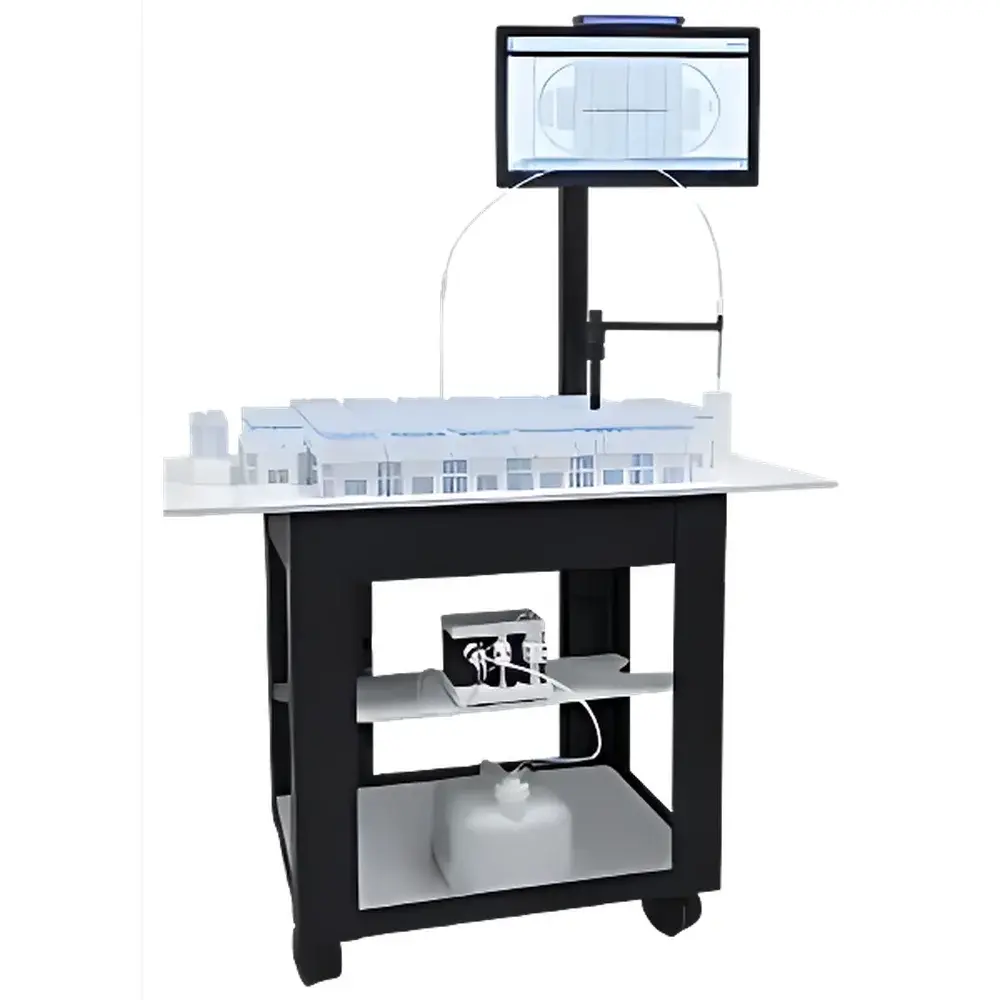
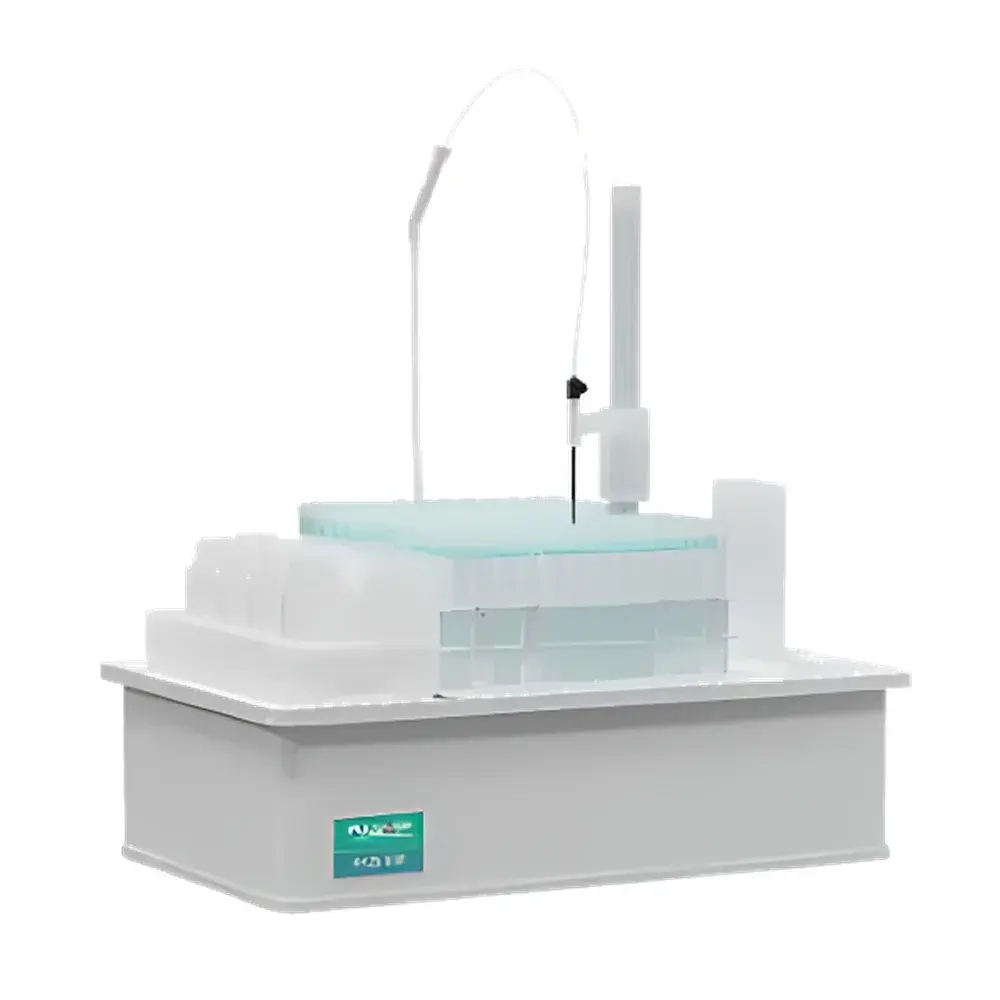
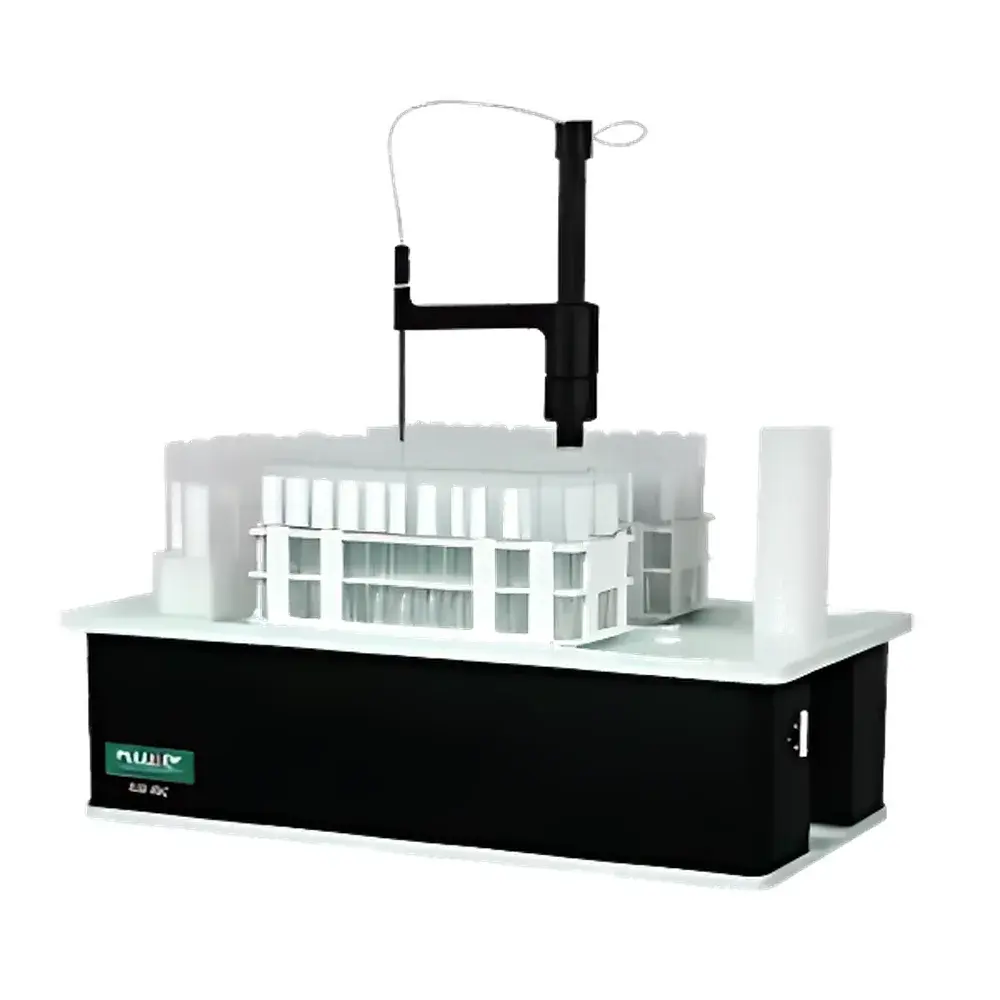
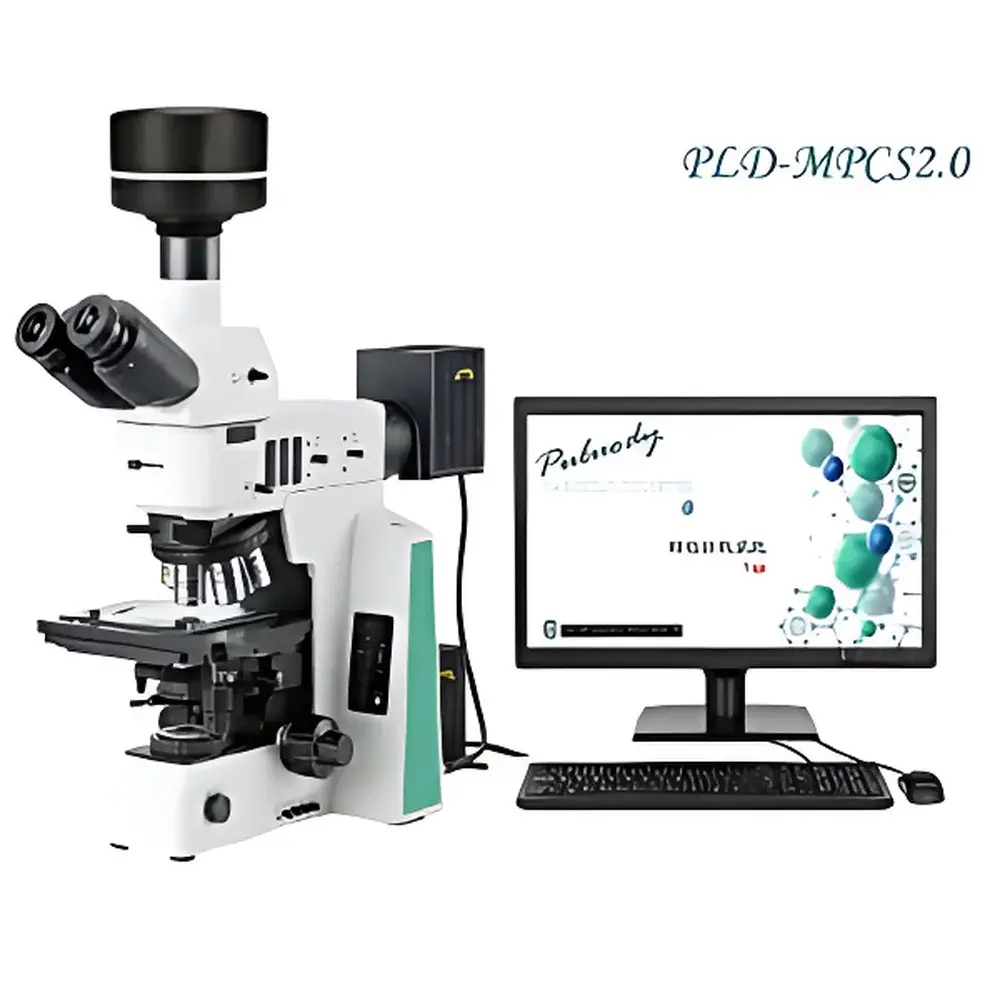
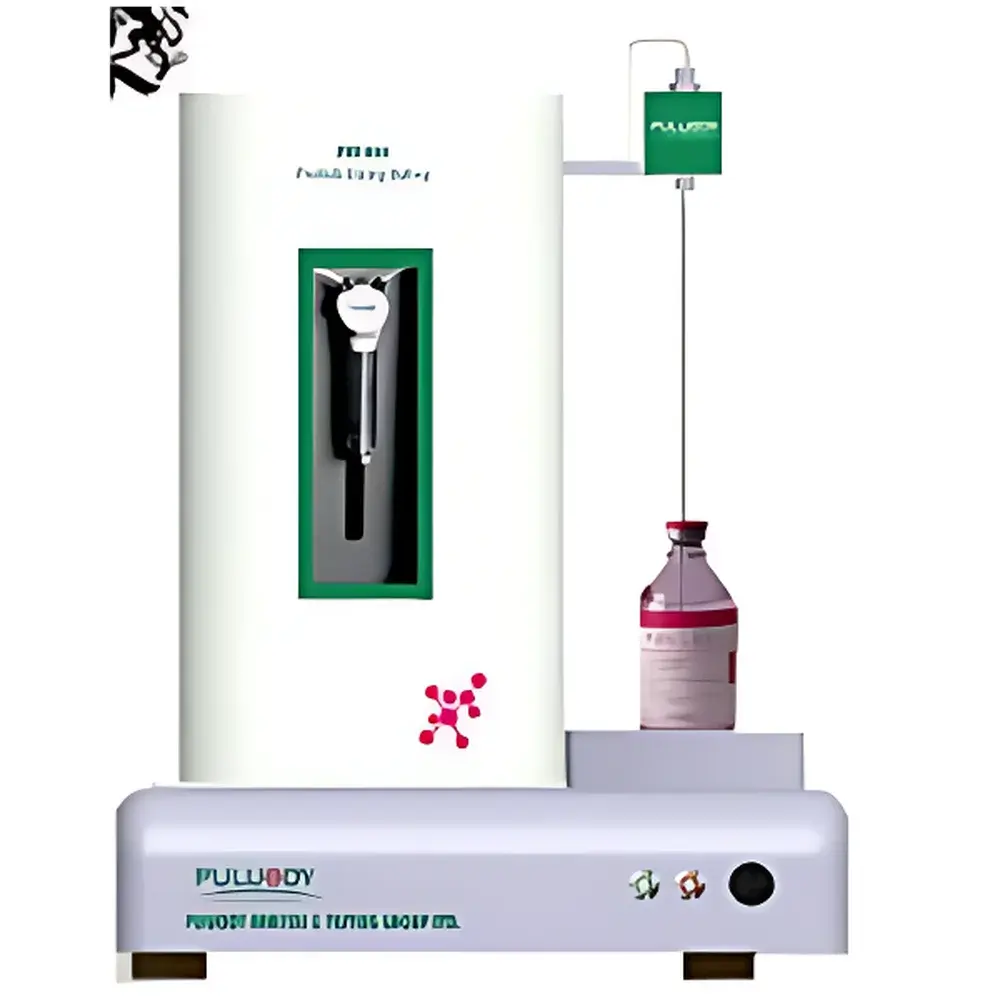
PULUODY PST-890SIS 36-Position Fully Automated Insoluble Particle Detection System
| Brand | PULUODY |
|---|---|
| Origin | Shaanxi, China |
| Model | PST-890SIS |
| Detection Principle | Light Obscuration (LO) with Dual-Laser Narrow-Beam Sensor |
| Particle Size Range | 1–450 µm (optional extension to 0.03–3000 µm) |
| Channel Resolution | 1000 adjustable channels (down to 0.01 µm bin width) |
| Sampling Accuracy | < ±1% |
| Measurement Accuracy | < ±3% (typical) |
| Coincidence Limit | ≤2.5% error at 1000 particles/mL |
| Resolution Compliance | >95% per ChP 2015/2020 |
| Flow Rate (Sampling) | 5–150 mL/min |
| Flow Rate (Rinse) | 5–500 mL/min |
| Fluid Temperature Range | 0–80 °C |
| Ambient Operating Temperature | −15–50 °C |
| Software | V8.9 Integrated Analysis Suite with 21 CFR Part 11 Compliance |
| Regulatory Alignment | ChP 0903, USP <788>/<789>/<797>, EP 10.0/9.0, BP 2019, JP 17, ISO 21510, ISO 11171, NAS 1638, ASTM D6786, GB/T 11446.9–2013, YBB00272004–2015, GB 8368 |
Overview
The PULUODY PST-890SIS is a 36-position fully automated insoluble particle detection system engineered for high-throughput, regulatory-compliant particulate analysis in pharmaceutical, biotechnology, and medical device manufacturing environments. It operates on the light obscuration (LO) principle—where particles suspended in liquid interrupt a collimated laser beam, generating voltage pulses proportional to their cross-sectional area. This eighth-generation dual-laser narrow-beam sensor architecture delivers enhanced signal-to-noise ratio, reduced optical interference, and superior discrimination of sub-micron particles in complex matrices such as lipid emulsions, viscous concentrates, and sterile powders after reconstitution. The system is purpose-built to meet the stringent requirements of pharmacopoeial methods—including USP , ChP 0903, EP 10.0, and JP 17—as well as industrial cleanliness standards including ISO 4406, NAS 1638, and ISO 21510. Its modular fluidic design integrates precision metering via dual-mode flow control: a calibrated piston pump for volumetric accuracy and an electromagnetic flow regulator for dynamic stability across variable viscosity and temperature conditions.
Key Features
- Eight-generation dual-laser narrow-beam optical sensor with 1000 programmable size channels (0.01 µm bin resolution), enabling compliance with over 510 international particle counting standards
- 36-position automated sample carousel with barcode-assisted loading, reducing manual intervention and operator-induced variability
- Dual-precision flow control system: high-accuracy piston pump (<±1% volumetric repeatability) coupled with real-time electromagnetic flow modulation (5–150 mL/min sampling range)
- V8.9 analytical software suite featuring full 21 CFR Part 11 compliance: role-based five-tier user permissions, electronic signatures, immutable audit trails, automatic data backup/recovery, and power-fail recovery protocols
- Thermally stabilized fluid path supporting operation from 0 °C to 80 °C—critical for temperature-sensitive biologics and cold-chain formulations
- Configurable particle sizing logic: supports fixed thresholds (e.g., ≥10 µm / ≥25 µm per USP ), custom ranges (e.g., 4–70 µm(c)), or continuous distribution analysis
- Integrated rinse protocol with independent high-flow cleaning mode (up to 500 mL/min) to minimize carryover between high-load samples
Sample Compatibility & Compliance
The PST-890SIS accommodates a broad spectrum of pharmaceutical and industrial liquid samples without dilution or filtration pre-treatment. Validated applications include intravenous lipid emulsions, lyophilized powder reconstitutes, ophthalmic solutions, vaccines, sterile active pharmaceutical ingredients (APIs), injectable concentrates, purified water (PW), water for injection (WFI), and ultra-pure water (UPW). It also supports evaluation of terminal sterilizing filters (e.g., 0.22 µm membrane integrity testing via challenge particle retention), packaging component extractables (per YBB00272004–2015), and infusion device leachables (per GB 8368). All measurement protocols are traceable to national metrology institutes—including calibration against NIST-traceable latex sphere suspensions (ISO 21501-2) or certified reference materials accredited by the National Institute of Metrology (NIM) and the Defense Science & Technology Commission’s Level-1 Particle Calibration Station (No. 116).
Software & Data Management
The embedded V8.9 software platform provides full lifecycle data governance aligned with GLP/GMP expectations. Each analytical run generates timestamped, digitally signed reports containing raw pulse data, histogram distributions, cumulative counts, and pass/fail determinations against selected pharmacopoeial criteria. Audit logs record all user actions—including parameter edits, report exports, and instrument configuration changes—with hash-verified immutability. Data export supports CSV, PDF/A-2, and XML formats compatible with LIMS integration. Optional cloud synchronization enables remote monitoring and centralized validation documentation management. The system supports IQ/OQ/PQ documentation templates compliant with Annex 11 and EU GMP guidelines.
Applications
- Pharmaceutical QC/QA labs performing routine batch release testing per ChP 0903, USP , or EP 10.0
- Biologics and cell/gene therapy manufacturers assessing microaggregate formation during formulation stability studies
- Medical device suppliers validating particulate shedding from IV sets, syringes, and stoppers per ISO 8536 and ISO 11608
- Semiconductor fabs quantifying slurry contamination (CMP slurries) and wafer rinse water purity per SEMI F63
- Electronics-grade water systems monitoring UPW for IC fabrication (ASTM D5127, SEMI F63)
- Chemical R&D labs evaluating dispersion stability of nanomaterials, inks, and functional coatings
- Food & beverage and cosmetics industries conducting raw material and final product particulate screening per internal specifications
FAQ
Does the PST-890SIS comply with FDA 21 CFR Part 11 requirements?
Yes. The V8.9 software implements full electronic signature capability, audit trail generation, user authentication, and data integrity safeguards required under Part 11 Subpart B.
Can the system be validated for GMP use?
Yes. Documentation packages—including URS, FAT/SAT protocols, IQ/OQ/PQ templates, and calibration certificates traceable to NIM or DL-116—are available upon request.
What is the smallest detectable particle size?
The base configuration detects particles ≥1 µm; optional optical upgrades support down to 0.03 µm using enhanced signal processing and low-noise photodetectors.
Is third-party calibration supported?
Yes. PULUODY maintains formal partnerships with CNAS-accredited calibration laboratories, including the Northwest Metrology Testing Center and the China National Institute of Metrology.
How is carryover managed between high-concentration samples?
The system executes an automated high-flow rinse cycle (up to 500 mL/min) with programmable duration and solvent selection, followed by blank verification prior to next sample injection.





