
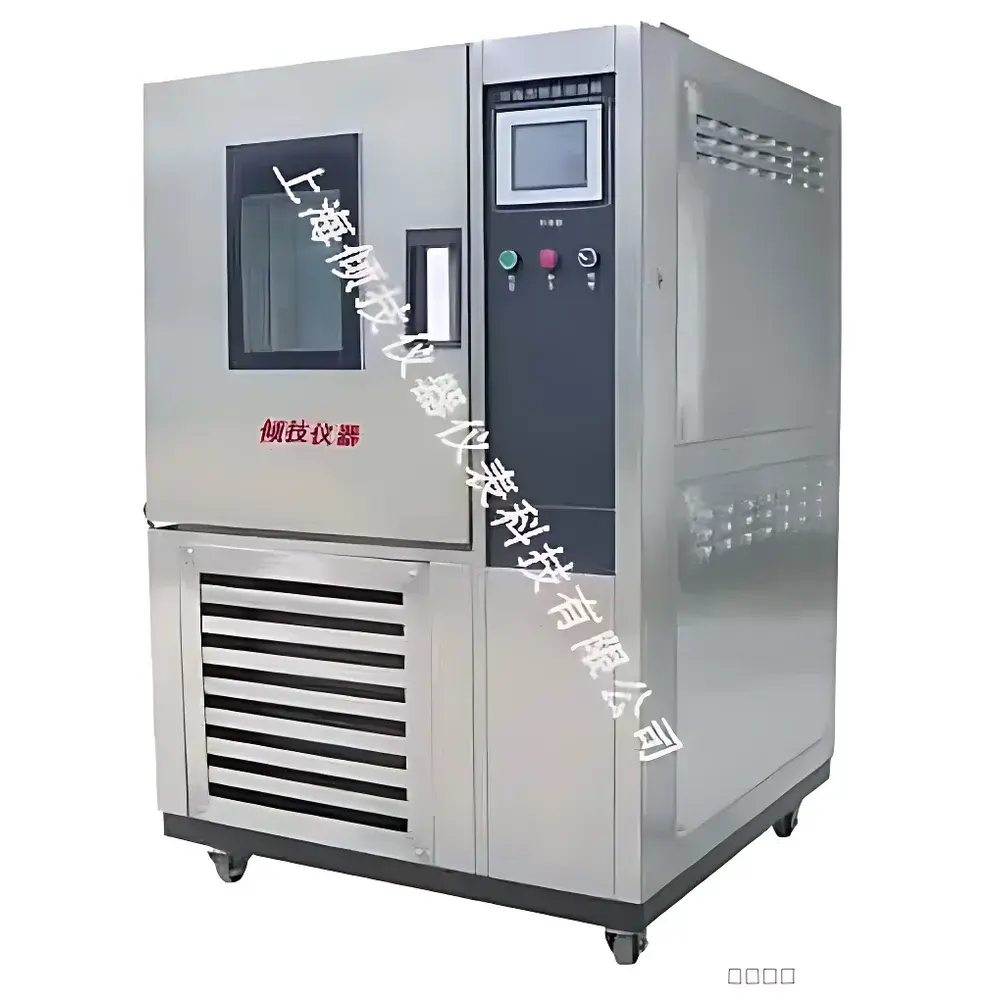
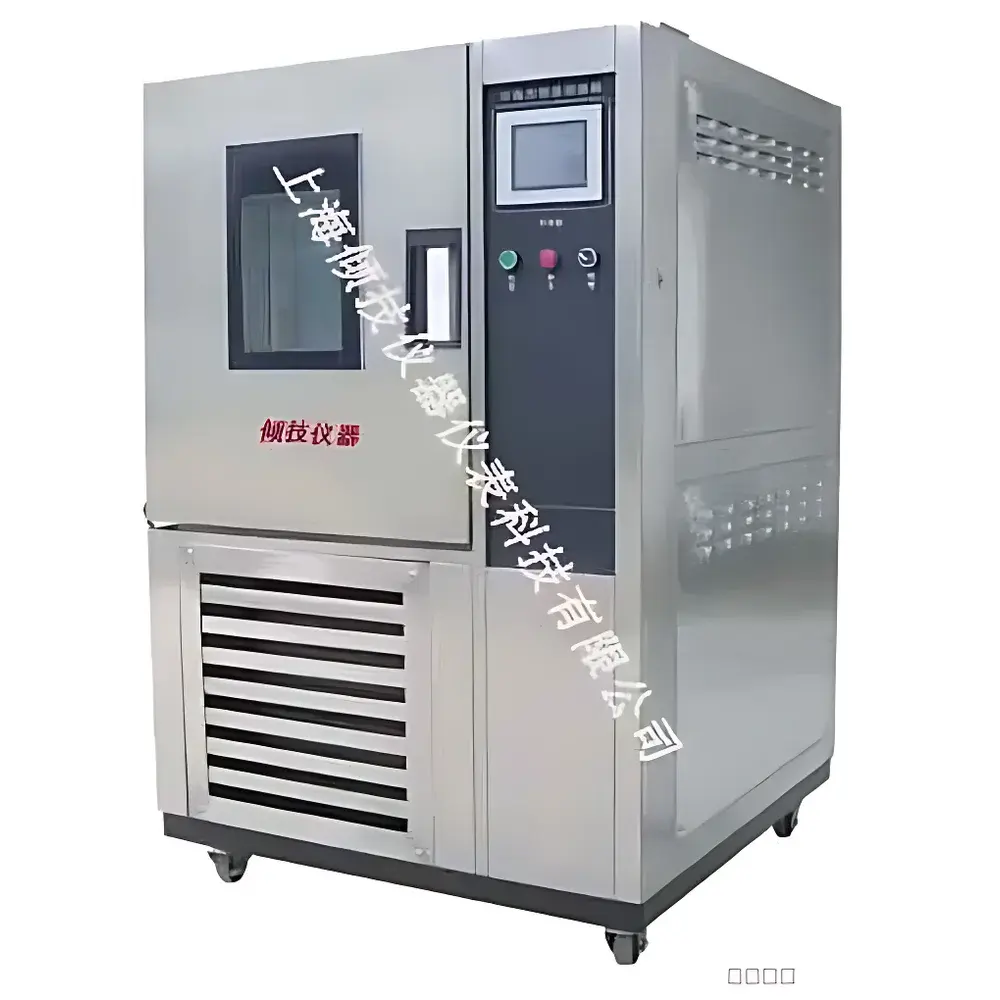
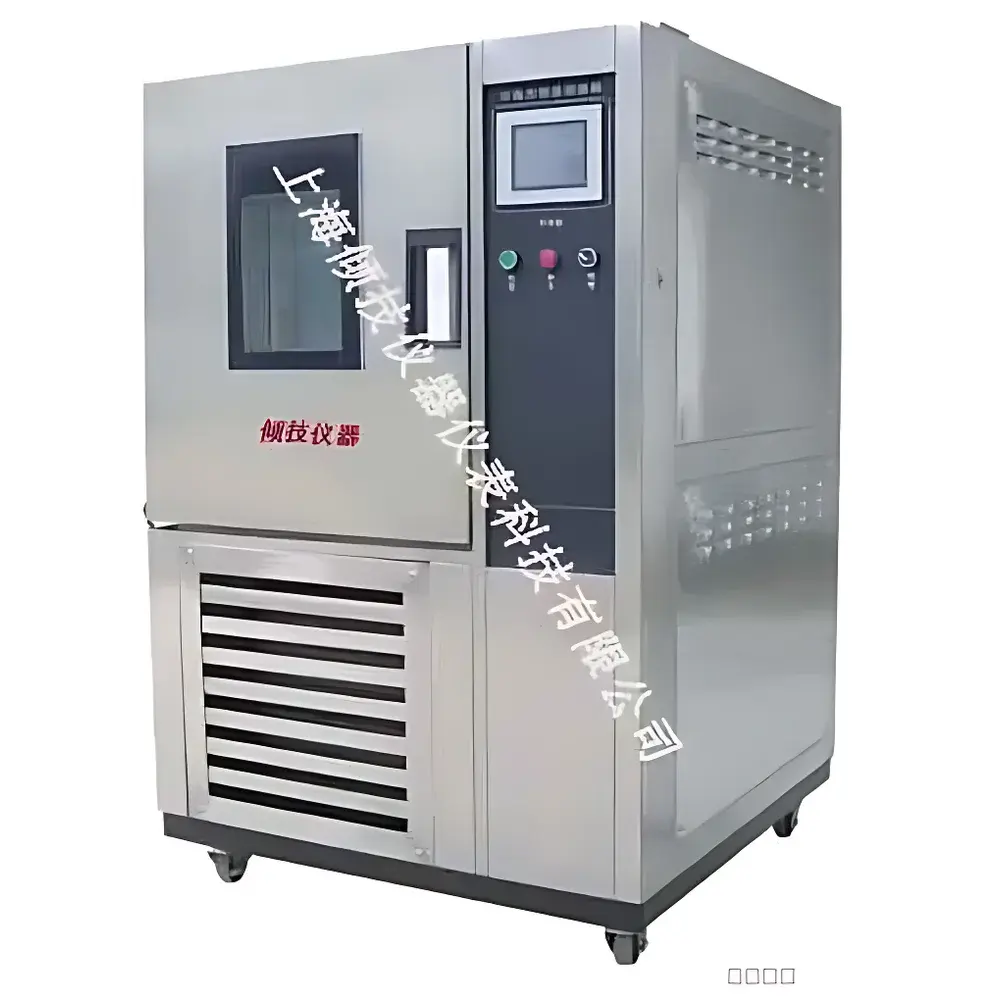
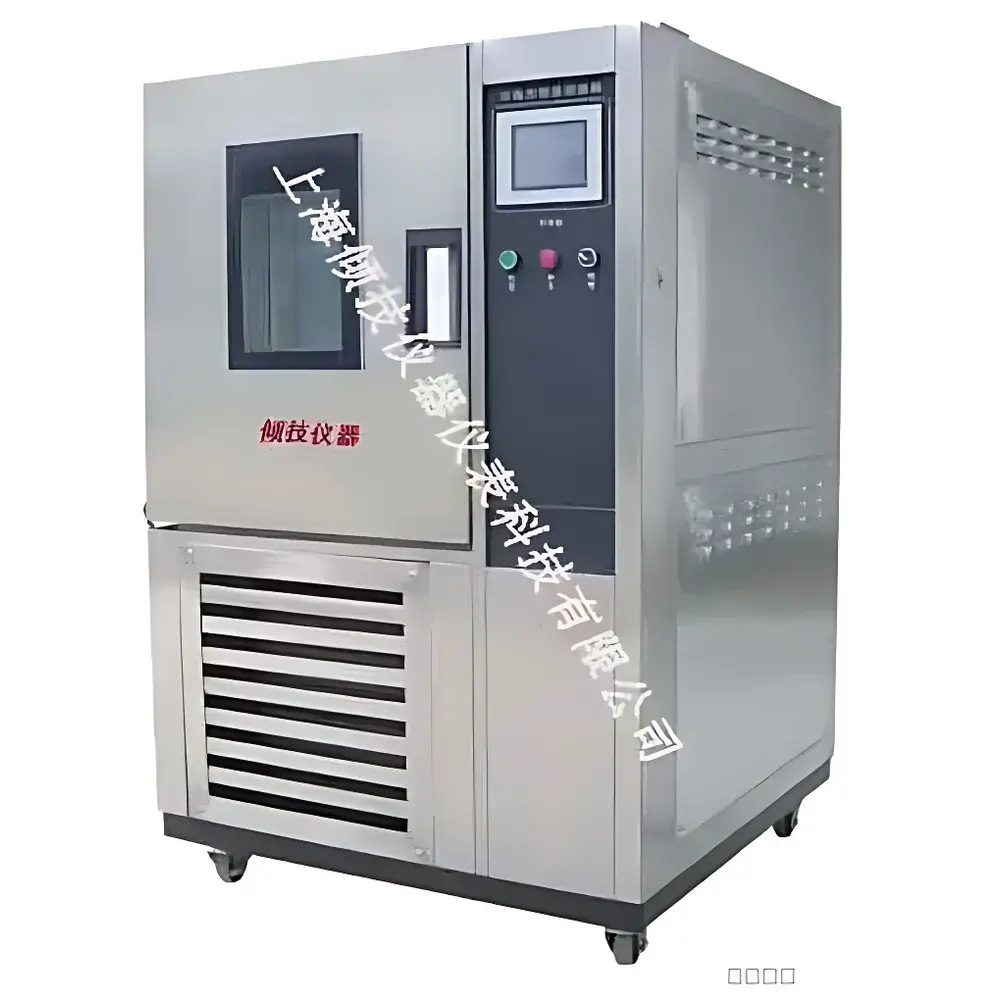
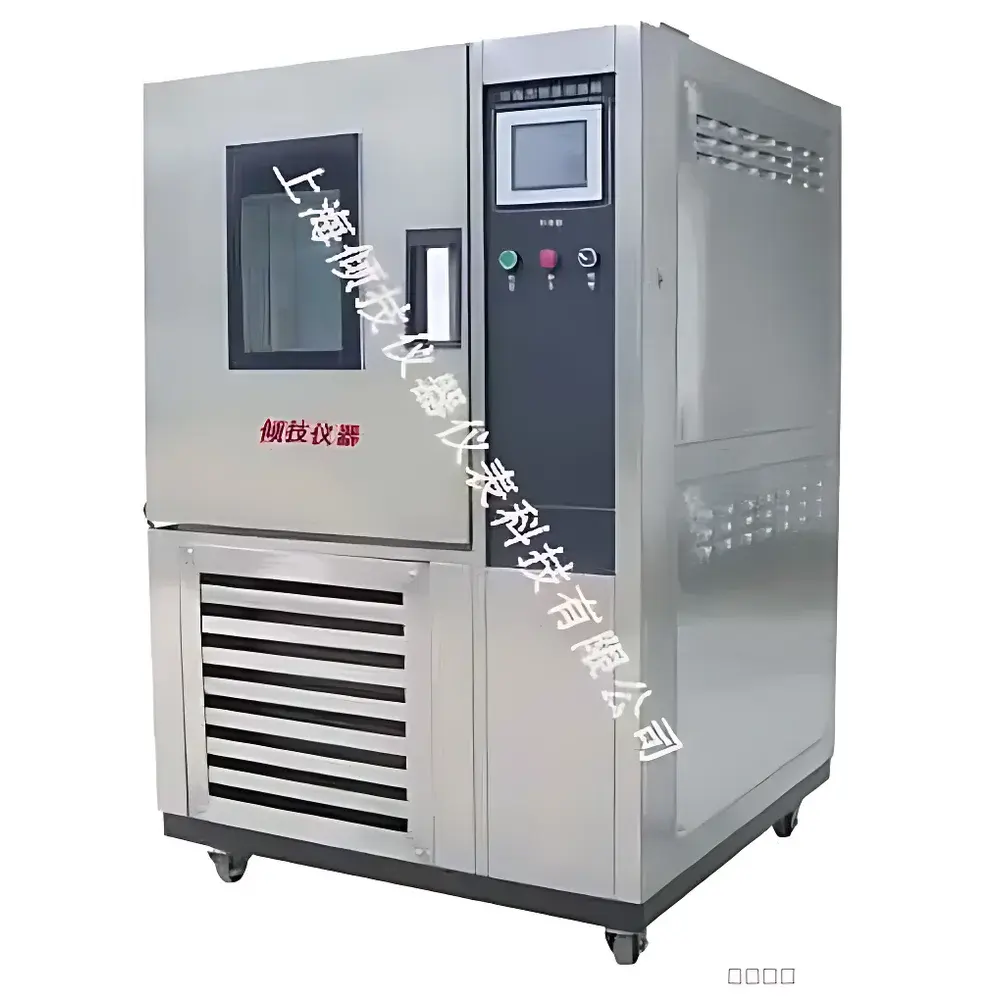
Qinji QJCLR8731 Three-Zone Thermal Shock Testing Chamber
| Brand | Qinji |
|---|---|
| Origin | Shanghai, China |
| Model | QJCLR8731 |
| Temperature Range (High Zone) | +60 °C to +150 °C |
| Temperature Range (Low Zone) | −10 °C to −40 °C |
| Temperature Stability | ±2 °C |
| Temperature Uniformity | ±2 °C |
| Recovery Time | 5 min |
| Heating Time (to +150 °C) | 40 min |
| Cooling Time (to −40 °C) | 60–90 min |
| Controller | 7.5″ color LCD touch-screen controller with bilingual (English/Chinese) interface |
| Standard Accessories | Two sample racks, one Ø50 mm cable port |
| Compliance | GB/T 2423.1–2001, GB/T 2423.2–2001, GJB 150.5A–2009, GB 10592–1989 |
Overview
The Qinji QJCLR8731 Three-Zone Thermal Shock Testing Chamber is an engineered environmental stress screening system designed for rapid, repeatable evaluation of material and component reliability under extreme thermal cycling conditions. Unlike single- or dual-chamber configurations, this three-zone architecture—comprising independent high-temperature, low-temperature, and test chambers—enables true zero-transfer-time thermal shock by physically moving the specimen carrier between thermally isolated zones. This eliminates mechanical delay and thermal lag associated with lift-type mechanisms, ensuring precise, reproducible exposure to defined temperature extremes. The chamber operates on the principle of accelerated thermal fatigue induction: rapid transitions between high and low setpoints simulate real-world service environments where materials undergo repeated expansion and contraction, thereby revealing latent defects such as interfacial delamination, solder joint fracture, coating adhesion loss, or microcrack propagation in metals, polymers, elastomers, and electronic assemblies.
Key Features
- Three-zone segregated design with independent PID-controlled heating and refrigeration circuits for simultaneous high- and low-temperature conditioning
- Specimen transfer mechanism with pneumatic actuation and position feedback sensors to ensure cycle repeatability and positional accuracy
- 7.5-inch high-contrast color LCD touchscreen controller supporting English and Chinese UI; programmable multi-step profiles with up to 99 segments and 999 cycles
- Comprehensive safety architecture including compressor high-pressure cut-off, over-temperature protection (dual independent sensors), motor overload protection, and non-fuse circuit breakers
- Thermal uniformity maintained at ±2 °C across the working volume per IEC 60068-3-5, verified via calibrated PT100 sensor mapping
- Standard Ø50 mm cable port with silicone gasket and clamping collar for live electrical or optical signal feedthrough during testing
Sample Compatibility & Compliance
The QJCLR8731 accommodates specimens up to 300 mm × 300 mm × 300 mm (W×D×H) on two adjustable stainless-steel sample racks. It supports both passive and powered device-under-test (DUT) configurations, enabling functional testing during thermal transition phases. The chamber meets the core requirements of multiple international and national standards for environmental stress screening, including GB/T 2423.1–2001 (cold testing), GB/T 2423.2–2001 (dry heat), GJB 150.5A–2009 (military thermal shock), and GB 10592–1989 (temperature chamber performance criteria). While not certified to ISO/IEC 17025 for calibration traceability, its control system supports external validation using NIST-traceable reference thermometers, and all operational parameters—including dwell time, transition rate, and temperature deviation—are logged with timestamped records suitable for internal quality audits.
Software & Data Management
The embedded controller provides local data logging at user-defined intervals (1–60 seconds), storing up to 10,000 data points per test cycle. Logged parameters include chamber zone temperatures, specimen surface temperature (when optional IR sensor is installed), cycle count, elapsed time, and alarm status. Export is supported via USB flash drive in CSV format for post-processing in MATLAB, Python, or statistical analysis packages. For integration into enterprise quality management systems (QMS), optional RS485 Modbus RTU or Ethernet TCP/IP communication modules enable real-time telemetry and remote command execution. Audit trail functionality—recording operator ID, parameter changes, and start/stop events—is available upon configuration, aligning with GLP and internal documentation practices for R&D and QA laboratories.
Applications
This thermal shock chamber is routinely deployed in failure analysis labs, electronics manufacturing services (EMS), automotive Tier-1 suppliers, and academic materials science departments. Typical use cases include qualification of PCB assemblies per IPC-9701, validation of encapsulant integrity in power modules, assessment of thermal interface material (TIM) durability, and screening of aerospace-grade composites for cryogenic-to-ambient cycling endurance. In polymer development, it aids in correlating coefficient of thermal expansion (CTE) mismatch with warpage or void formation. Its ability to execute programmable ramp-and-soak sequences also supports accelerated aging studies aligned with JEDEC JESD22-A104 and MIL-STD-810H Method 503.5.
FAQ
What is the maximum specimen weight the QJCLR8731 can accommodate?
The standard specimen carrier supports loads up to 15 kg. Custom carriers rated for 30 kg are available upon request.
Does the system support automated test sequencing across multiple temperature profiles?
Yes—the controller allows nested program structures with conditional branching based on cycle count or elapsed time, enabling complex multi-phase protocols without manual intervention.
Is third-party calibration documentation provided with shipment?
A factory verification report is included, listing temperature uniformity and stability measurements at three load points. Full ISO/IEC 17025 calibration is available as a value-added service.
Can the chamber be integrated with existing laboratory information management systems (LIMS)?
Via optional communication modules and configurable data output formats, yes—integration with LIMS platforms such as LabWare or Thermo Fisher SampleManager has been validated in customer installations.
What maintenance is required to sustain long-term thermal performance?
Quarterly inspection of refrigerant charge, condenser coil cleaning, and annual verification of door seal integrity and sensor drift are recommended. Preventive maintenance kits and service contracts are offered globally.



