
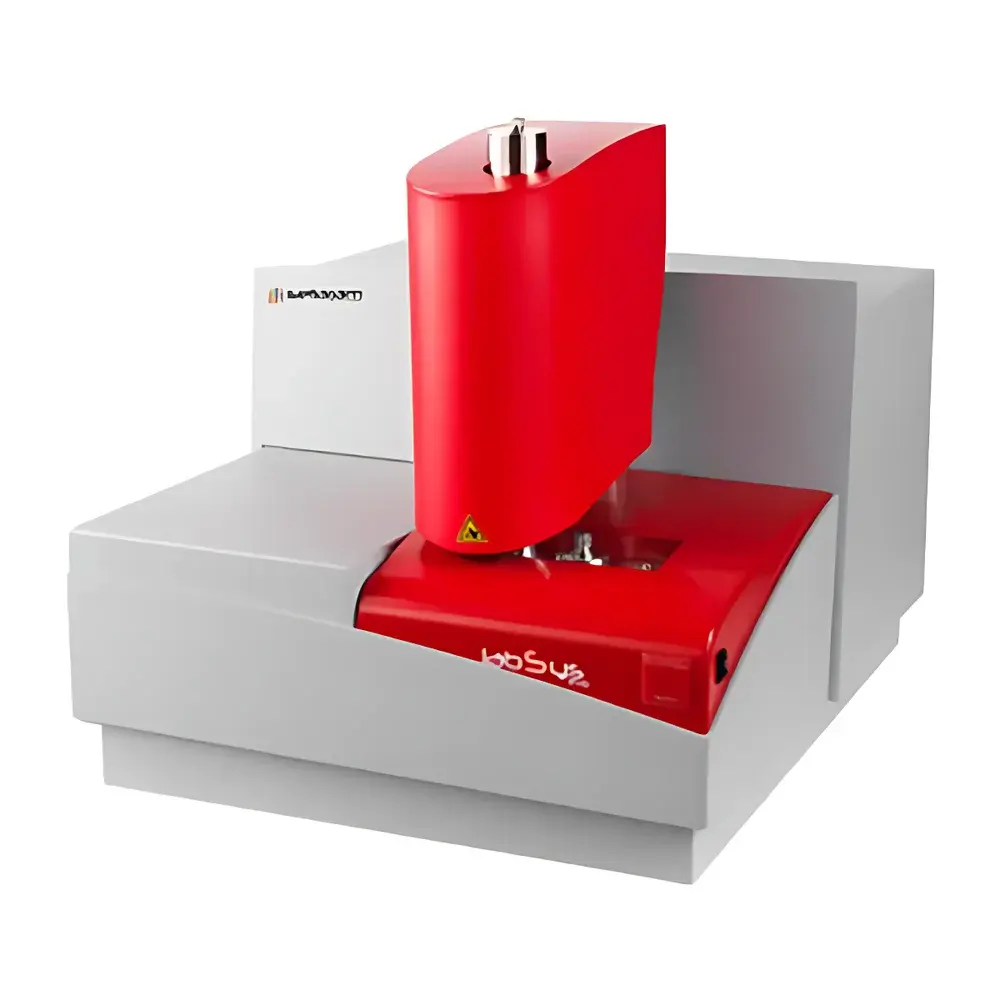
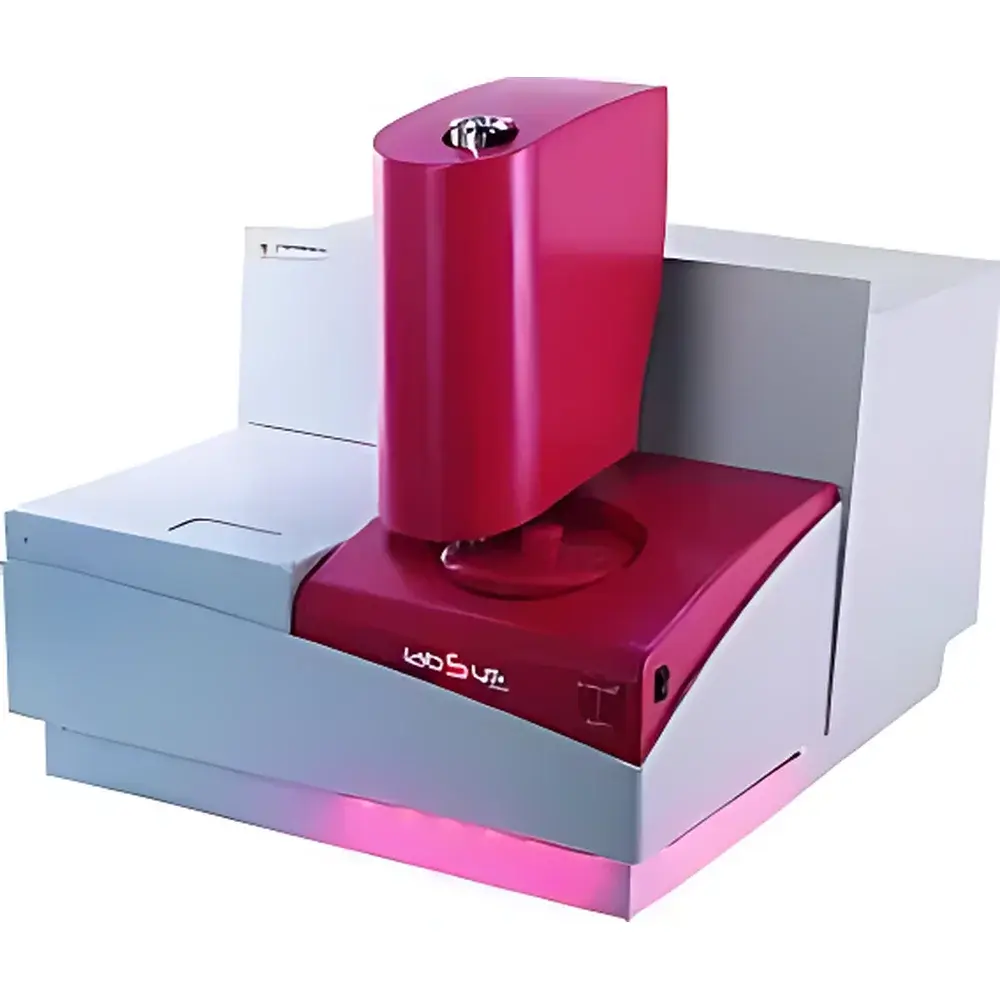
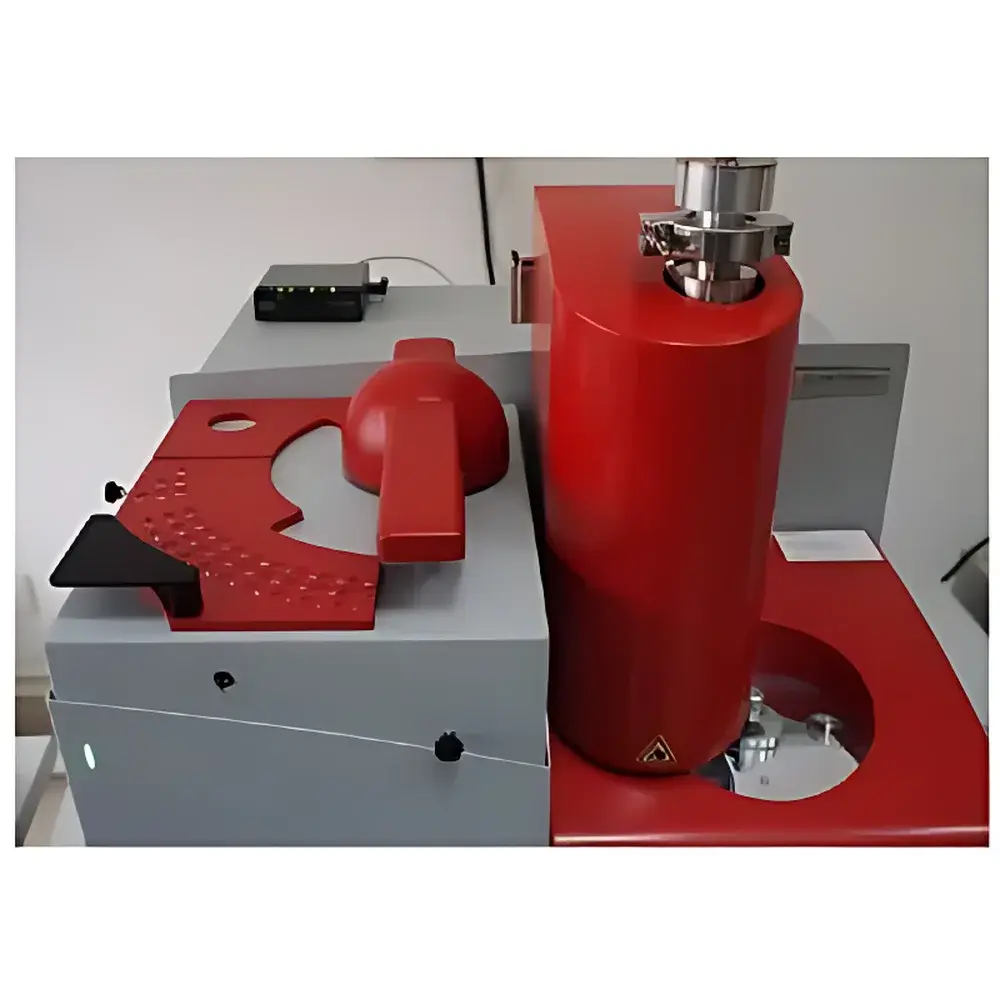
SETARAM Labsys Evo STA Simultaneous Thermal Analyzer
| Brand | SETARAM |
|---|---|
| Origin | France |
| Model | Labsys Evo STA |
| Heating Rate | 0–100 K/min |
| Temperature Range | Ambient to 1600 °C |
| Temperature Stability | ±0.05 °C |
| Maximum Sample Mass | 1000 mg |
| Atmosphere Compatibility | Inert, Oxidizing, Reducing, Steam, Corrosive Gases |
| Balance Resolution | 0.02 µg |
| DSC Sensitivity | 0.4 µW (sensor-dependent) |
| Cp Accuracy | <2% error |
| Gas Control | 3 mass-flow-controlled carrier gases + 1 auxiliary/reactive gas |
| EGA Interface | Standard MS/FT-IR/GC coupling ports |
| Optional Autosampler | 25-position ASC |
Overview
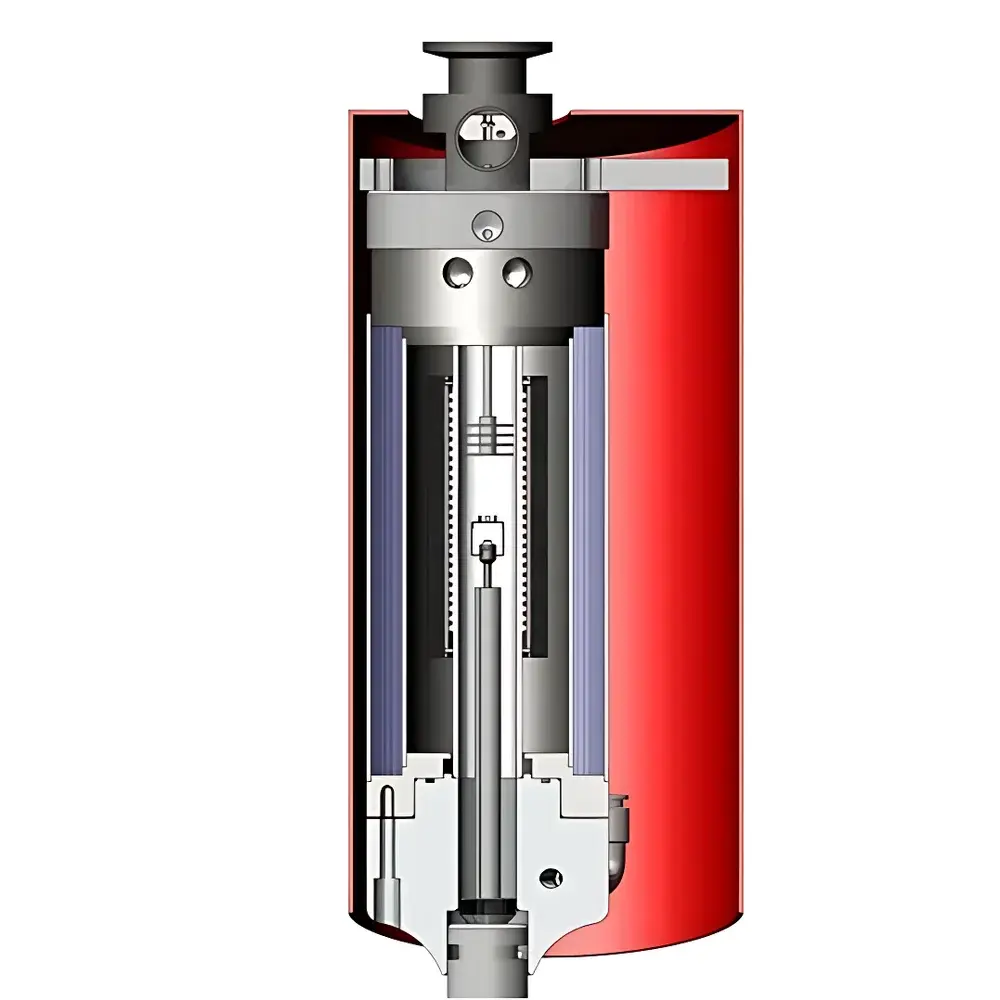
The SETARAM Labsys Evo STA Simultaneous Thermal Analyzer is a high-performance, vertically configured thermogravimetric-differential thermal analysis (TG-DTA) and thermogravimetric-differential scanning calorimetry (TG-DSC) platform engineered for precision, reproducibility, and operational flexibility in demanding research and industrial environments. Based on the Calvet-type 3D heat-flux sensor principle—distinct from conventional heat-flux or power-compensated DSC designs—the Labsys Evo delivers superior baseline stability, high signal-to-noise ratio, and exceptional accuracy in both mass change (TG) and enthalpic response (DTA/DSC) measurements. Its single-zone furnace architecture supports continuous operation from ambient temperature up to 1600 °C with programmable heating and cooling rates ranging from 0.01 to 100 K/min, enabling rigorous kinetic studies, phase transition characterization, decomposition profiling, and specific heat (Cp) determination across ceramics, metals, polymers, pharmaceuticals, and energy materials.
Key Features
- Vertical sample loading design minimizes convection-induced artifacts and ensures optimal thermal contact between sample and sensor.
- Integrated 20 g capacity microbalance with 0.02 µg resolution and active electromagnetic damping—no external water bath required for thermal stabilization.
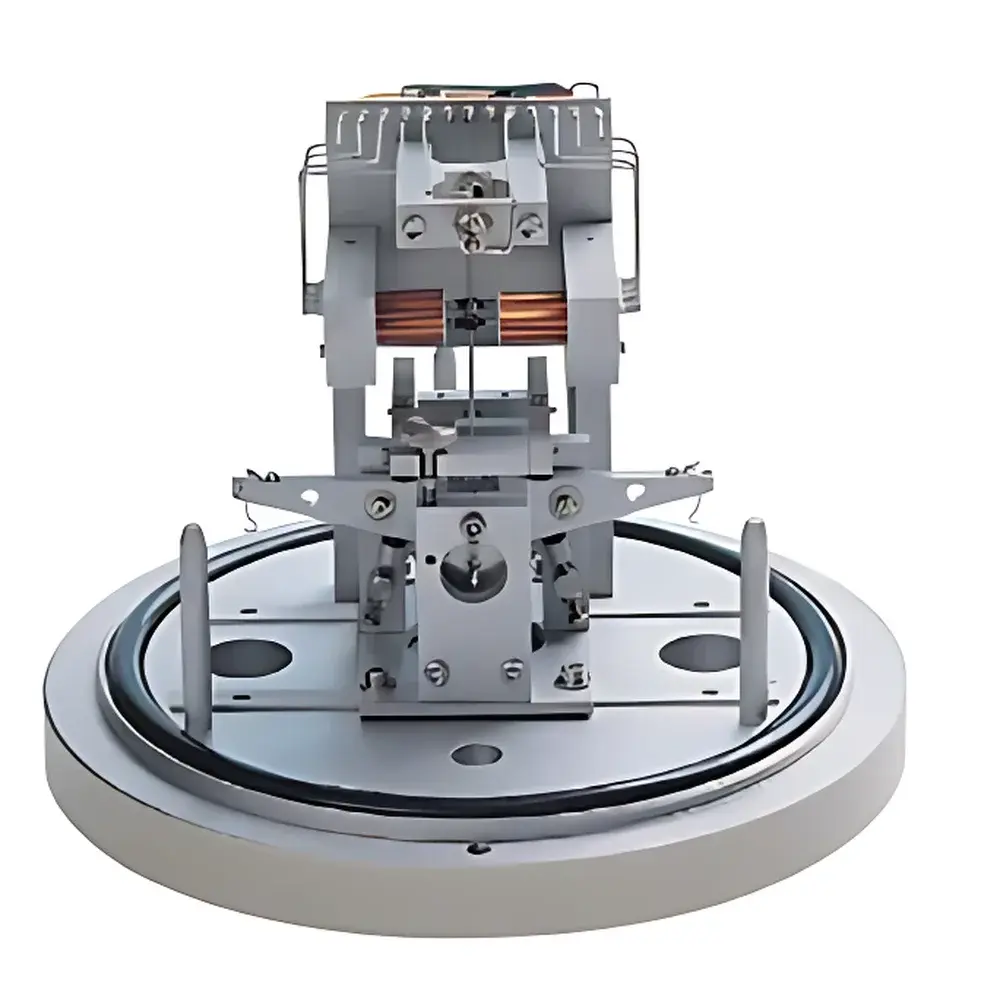
- Proprietary 3D Calvet Cp sensor enables direct, absolute specific heat measurement with <2% uncertainty under ISO 11357-4 and ASTM E1269 protocols.
- Modular, plug-and-play sensor rods: users can interchange TG-only, TG-DSC, or TG-DTA configurations without realignment or recalibration.
- Four-channel gas management system: three independently controlled mass flow controllers (MFCs) for carrier gases plus one dedicated MFC for reactive or auxiliary gas—enabling precise binary or ternary gas mixing, dynamic atmosphere switching, and vacuum-compatible operation.
- Standard EGA (Evolved Gas Analysis) interface compliant with industry-standard flange dimensions (CF35/KF25), facilitating seamless hyphenation with quadrupole mass spectrometers (QMS), Fourier-transform infrared spectrometers (FT-IR), and gas chromatographs (GC).
- Water-cooled furnace housing maintains external surface temperature below 40 °C during high-temperature operation, enhancing lab safety and long-term instrument reliability.
Sample Compatibility & Compliance
The Labsys Evo STA accommodates solid, powder, and pelletized samples up to 1000 mg in crucibles of alumina, platinum, gold, or graphite—compatible with inert (N₂, Ar), oxidizing (air, O₂), reducing (H₂, CO), steam, and mildly corrosive atmospheres (e.g., HCl, SO₂) under dynamic or static conditions. All hardware and software modules comply with GLP and GMP documentation requirements, including full audit trail support, electronic signature capability, and 21 CFR Part 11–compliant user access control within CALISTO software. Instrument validation adheres to ASTM E1131 (TG), ASTM E1269 (Cp), ISO 11357 series (DSC), and ISO 11358 (kinetic analysis) standards.
Software & Data Management
CALISTO v5.x is the unified, Windows-based control and analysis suite for all SETARAM instruments. It provides real-time multi-channel data acquisition (TG, DTA/DSC, temperature, gas flow, pressure), automated baseline correction, kinetic modeling (e.g., Kissinger, Ozawa-Flynn-Wall, Friedman), Cp calculation via dual-step method, and customizable report generation with embedded metadata (operator, date, method, calibration history). Raw data files are stored in vendor-neutral .csv and .tdms formats; export modules support ASTM E1510-compliant thermal analysis data exchange. Remote monitoring and method transfer are enabled via secure TCP/IP connectivity and optional LabSolutions integration.
Applications
- Decomposition kinetics and thermal stability assessment of battery cathode materials (e.g., NMC, LFP) under air/O₂/N₂ atmospheres.
- Quantitative hydration/dehydration behavior and polymorphic transitions in pharmaceutical APIs and excipients per USP & Ph. Eur. guidelines.
- High-temperature oxidation resistance evaluation of superalloys and refractory ceramics.
- Catalyst activation, coking, and regeneration profiling under controlled redox cycling.
- Specific heat capacity mapping of nuclear fuel simulants across 100–1500 °C for reactor thermal modeling.
- EGA-coupled identification of volatile organic compounds (VOCs), H₂O, CO₂, NOₓ, and SOₓ evolved during polymer pyrolysis or coal combustion.
FAQ
What types of sensors are supported by the Labsys Evo STA?
The system accepts interchangeable sensor rods for TG-only, TG-DSC, and TG-DTA configurations—all calibrated traceably to NIST SRMs.
Is vacuum operation possible?
Yes—vacuum compatibility down to 10⁻² mbar is supported using optional vacuum pump and sealing kits.
Can the instrument perform quantitative Cp measurements?
Yes—using the integrated 3D Calvet sensor and dual-step method per ISO 11357-4, with documented accuracy better than ±2% across the full temperature range.
How is gas composition controlled during dynamic experiments?
Three MFC-controlled carrier gases and one auxiliary gas line allow real-time, programmable blending—including ramped gas switches and partial pressure control—with repeatability better than ±0.5% of setpoint.
Is an autosampler available?
Yes—the optional 25-position Automatic Sample Changer (ASC) supports unattended sequential analysis with integrated crucible recognition and weight verification.



