
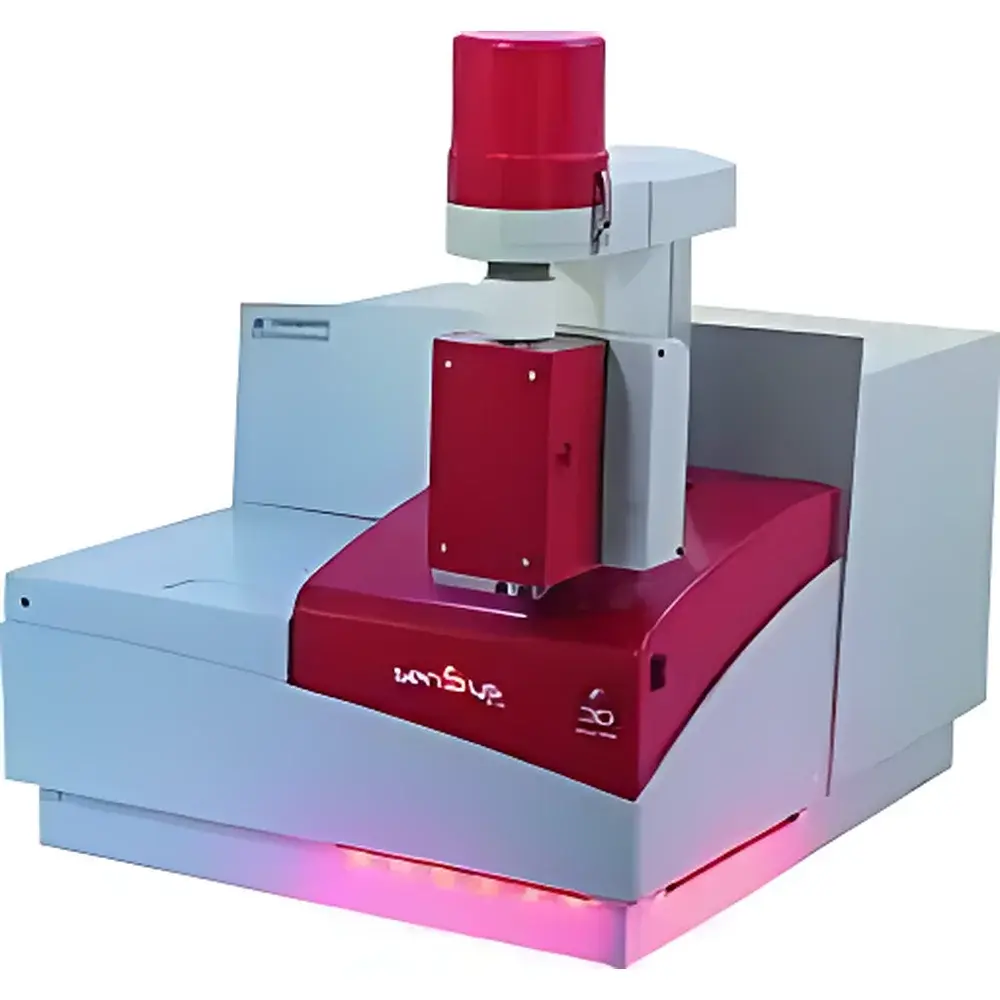
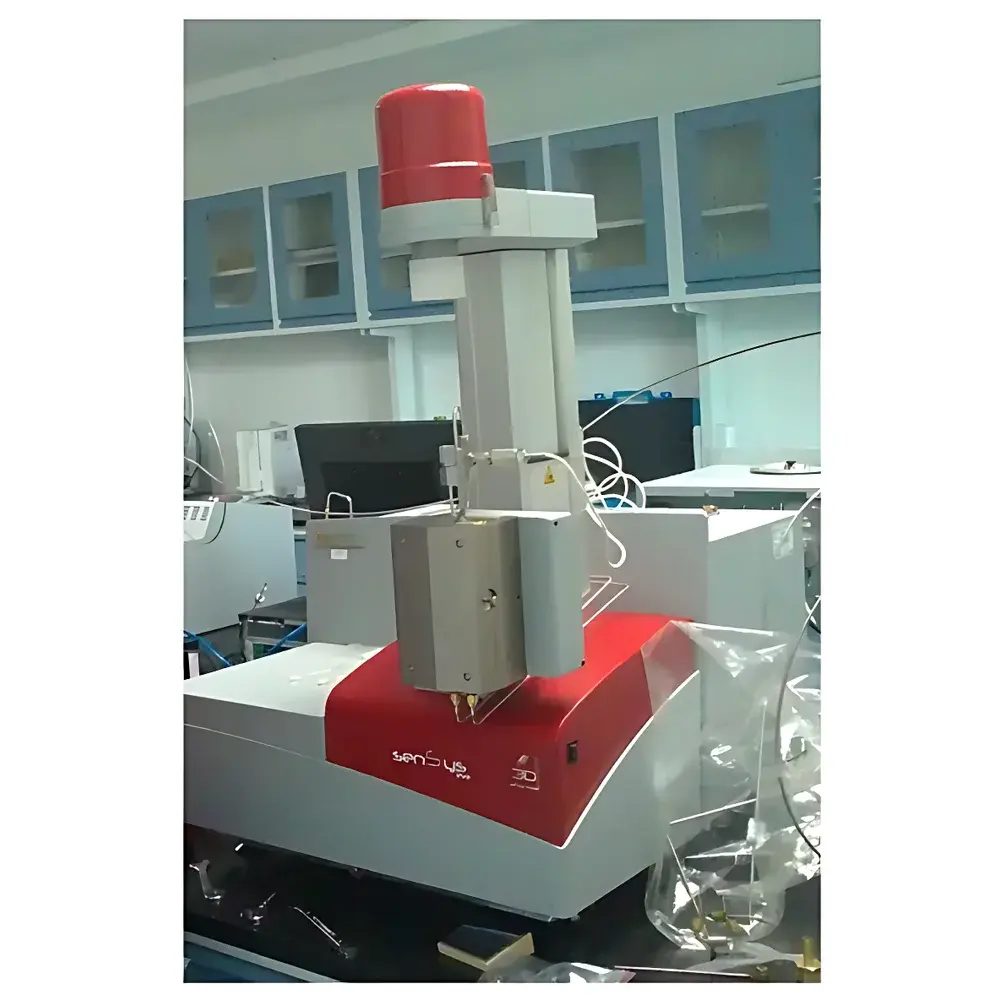
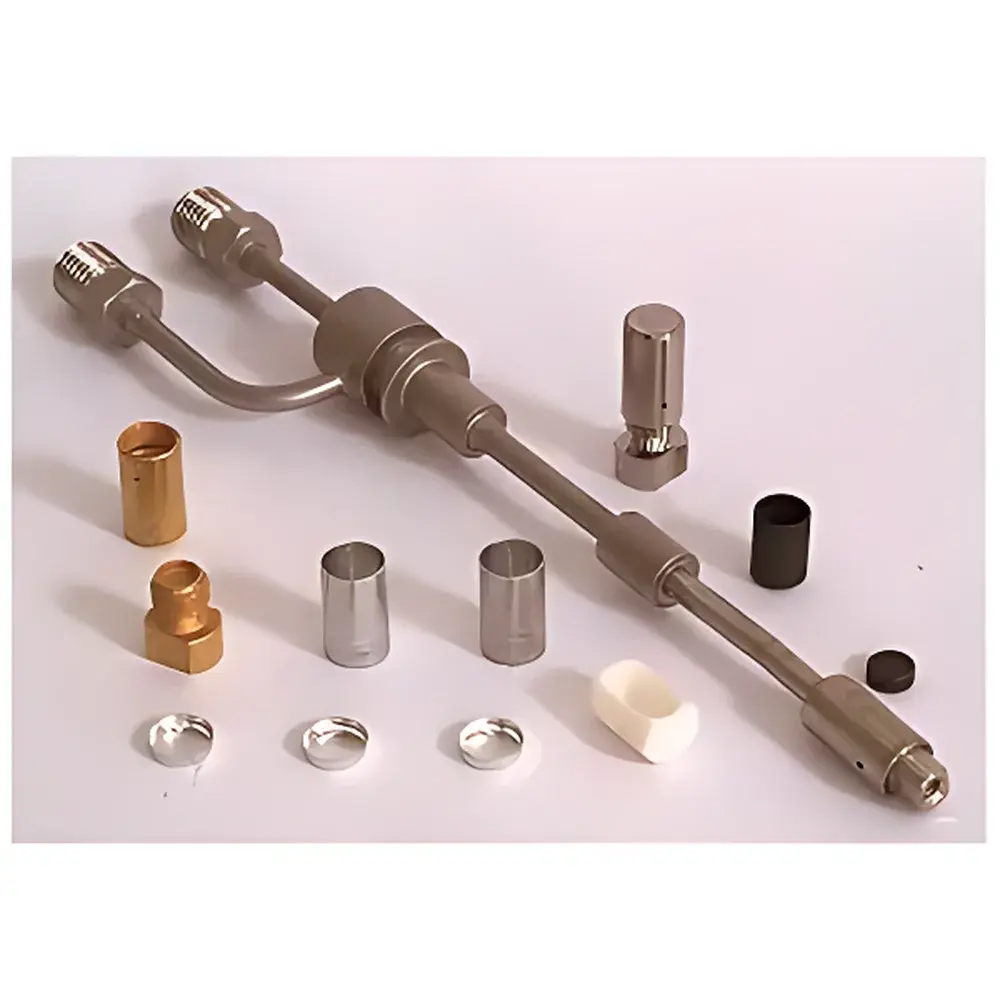
Setaram Sensys Evolution DSC-TG Hybrid Microcalorimeter
| Brand | Setaram |
|---|---|
| Origin | France |
| Model | Sensys Evolution |
| Temperature Range | –120 to 830 °C |
| Temperature Accuracy | ±0.1 °C |
| Heating/Cooling Rate | 0.01–30 °C/min |
| Mass Range | 3000 mg |
| Vacuum Level | <10⁻¹ mbar |
| TG Resolution | 0.002 µg |
| Atmosphere Options | Inert, Oxidizing, Reducing, Static/Dynamic, Vacuum, Corrosive (e.g., H₂S, NH₃), Humidified Steam |
| Gas Control | Integrated 3-channel mass flow controller (2 carrier + 1 reactive gas), programmable mixing ratio (1:99 to 50:50) |
| TG Baseline Drift | <10 µg over full scan |
| TG Baseline Repeatability | ±1 µg |
| Evolved Gas Analysis Compatibility | MS, FT-IR, GC |
| Optional Autosampler | 48-position ASC |
| Thermal Stability | ±0.001 to ±0.00001 °C (isothermal) |
| Sample Chamber Volume | 320 µL |
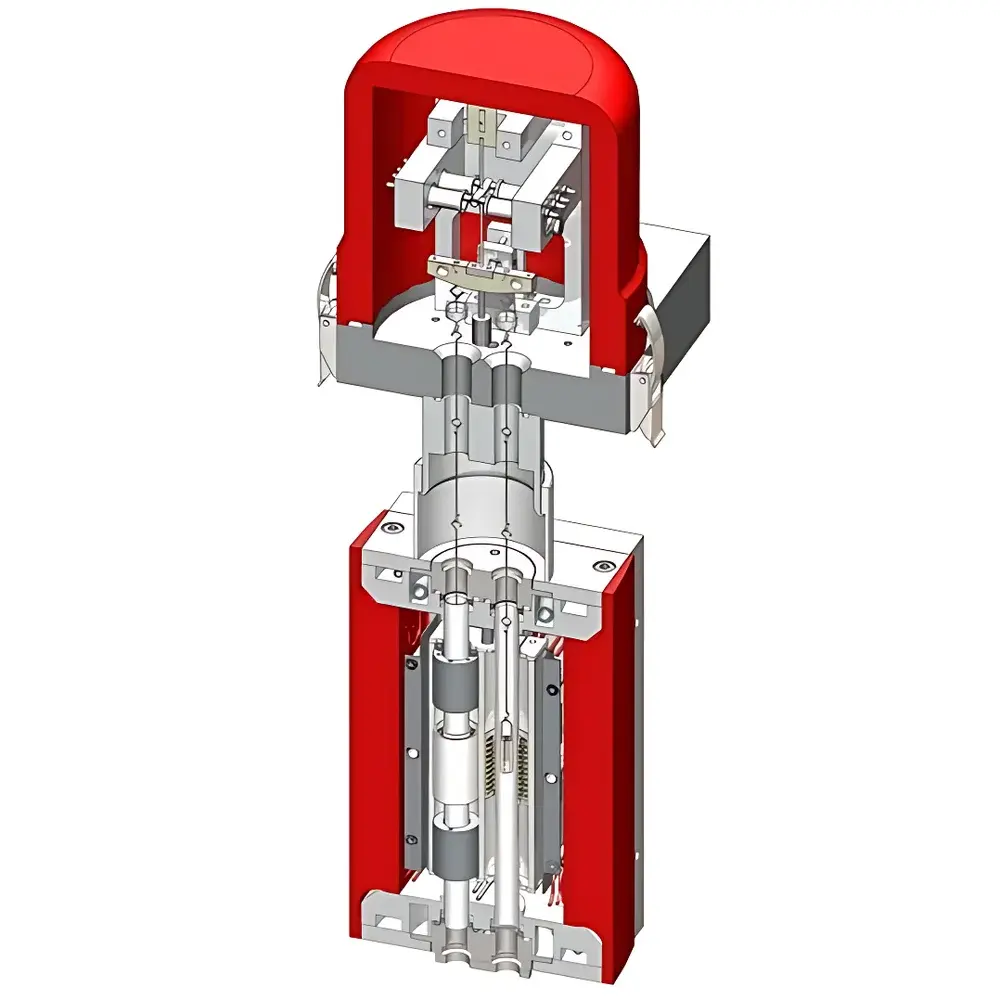
| Sensor Architecture | Calvet-type 3D thermopile sensor |
| Software | Calisto v6.x (21 CFR Part 11 compliant, GLP/GMP audit trail enabled) |
Overview
The Setaram Sensys Evolution DSC-TG Hybrid Microcalorimeter is a high-precision, modular thermal analysis platform engineered for quantitative calorimetric and thermogravimetric characterization of catalytic, energetic, and reactive materials under rigorously controlled atmospheres. Unlike conventional differential scanning calorimeters based on planar heat-flux sensors—whose thermal coupling efficiency rarely exceeds 50%—the Sensys Evolution implements Setaram’s proprietary Calvet 3D thermopile sensor architecture. This three-dimensional cylindrical sensor array surrounds the sample and reference positions symmetrically, achieving >94% thermal coupling efficiency and eliminating directional heat-loss artifacts. As a result, the instrument delivers true absolute heat flow measurement with minimal baseline drift and exceptional signal-to-noise ratio, even during low-energy catalytic adsorption/desorption or phase transitions in sub-milligram samples. Its fully insulated furnace environment maintains isothermal stability within ±0.001 °C (down to ±0.00001 °C under optimized conditions), enabling open-system gas–solid reaction studies—including catalyst activation, steam-assisted hydrolysis, and humidity-controlled hydration—that are inaccessible to standard DSC or TGA instruments.
Key Features
- Calvet 3D thermopile sensor delivering absolute heat flow measurement with >94% thermal coupling efficiency and negligible buoyancy effects
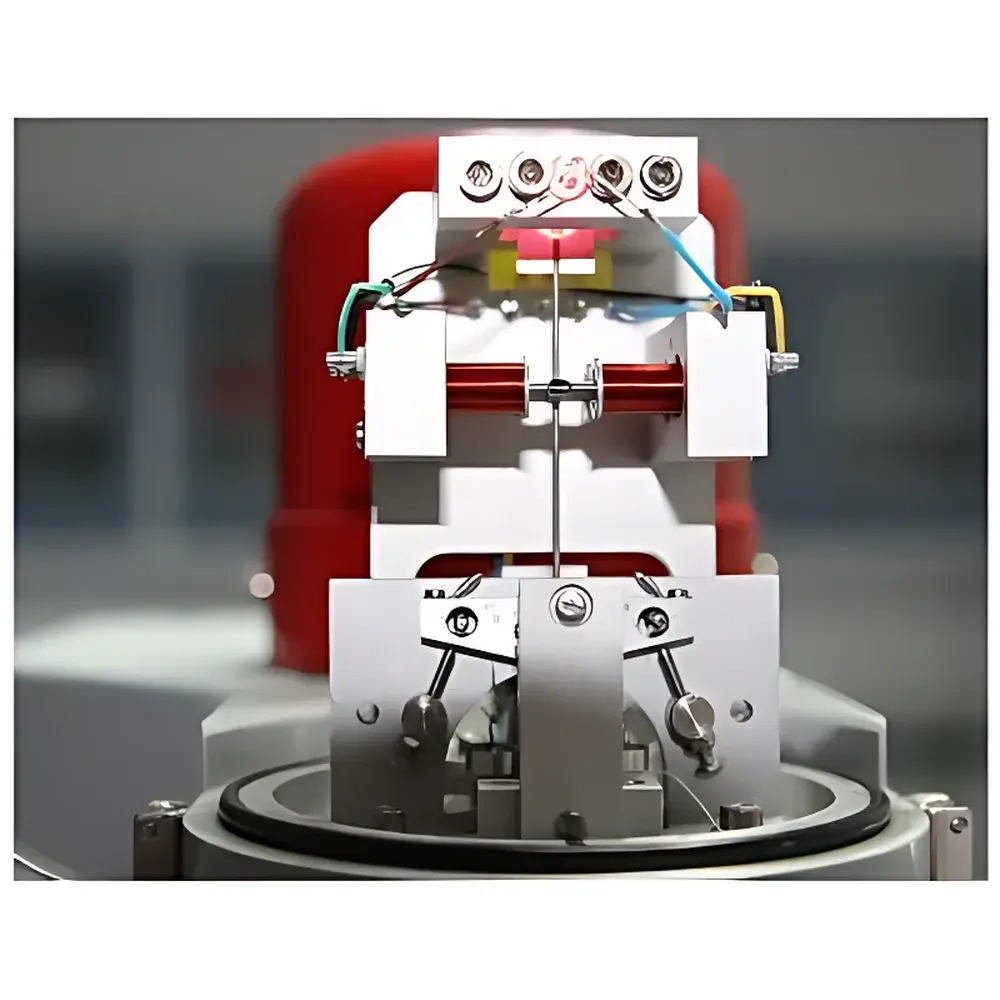
- Integrated simultaneous DSC and TG capability with independent temperature control and real-time mass–heat correlation
- Extended temperature range from –120 °C to 830 °C with programmable heating/cooling rates from 0.01 to 30 °C/min
- High-capacity 320 µL sample chamber compatible with pressurized crucibles (up to 10 bar), enabling kinetic studies under elevated partial pressures without sensor interference
- Corrosion-resistant gas handling system supporting aggressive atmospheres (H₂S, NH₃, H₂, CO, steam) with integrated 3-channel mass flow controller and precise binary gas mixing (1:99 to 50:50)
- Ultra-stable microbalance with 0.002 µg resolution, <10 µg full-scan baseline drift, and ±1 µg repeatability across 3000 mg dynamic range
- Modular interface for direct coupling with evolved gas analyzers (quadrupole MS, FT-IR, GC) and optional 48-position autosampler (ASC) for unattended multi-sample screening
Sample Compatibility & Compliance
The Sensys Evolution accommodates a broad spectrum of sample forms—including powders, pellets, thin films, gels, and liquid suspensions—in standard and custom crucibles (alumina, platinum, gold, stainless steel, quartz). Its inert, reducing, oxidizing, vacuum, and corrosive gas capabilities comply with ASTM E1269, ISO 11357, and USP for catalytic activity assessment and thermal stability profiling. The system meets GLP and GMP requirements via Calisto software’s 21 CFR Part 11-compliant electronic signatures, full audit trail logging, user access levels, and data integrity safeguards. All thermal and mass data are timestamped, version-controlled, and exportable in ASTM E1582-compliant .tdms or .csv formats for regulatory submission.
Software & Data Management
Calisto v6.x provides an intuitive, workflow-driven interface for method development, real-time data visualization, and advanced kinetic modeling (e.g., Friedman, Ozawa–Flynn–Wall, Kissinger–Akahira–Sunose). It supports automated baseline correction, peak deconvolution, enthalpy integration, and multi-step reaction fitting. Raw DSC/TG signals are stored in encrypted project files with embedded metadata (operator ID, calibration history, gas composition logs). Export modules generate PDF reports with traceable calibration certificates, uncertainty budgets, and ISO/IEC 17025-aligned validation summaries. Remote monitoring and secure cloud backup are available via optional Calisto Connect server integration.
Applications
- Catalyst characterization: Adsorption enthalpy, active site density, coke formation kinetics, regeneration exotherms
- Energy materials: Thermal runaway onset in battery cathodes, solid electrolyte interphase (SEI) formation, hydrogen storage thermodynamics
- Pharmaceuticals: Polymorph transition enthalpies, hydrate/dehydrate equilibria, excipient compatibility screening under controlled RH
- Polymers: Crystallization/melting behavior under reactive atmospheres, oxidative induction time (OIT), flame retardant decomposition pathways
- Inorganic chemistry: Metal–organic framework (MOF) stability, zeolite dealumination, sulfidation kinetics in hydrodesulfurization catalysts
FAQ
Can the Sensys Evolution operate under high-pressure reactive gas environments?
Yes—the sample chamber is rated for up to 10 bar internal pressure using sealed crucibles; the Calvet sensor design remains unaffected by pressure-induced convection or buoyancy forces.
Is humidity control supported for sorption studies?
Yes—optional integration with a calibrated humidity generator enables precise RH control (5–95% RH) during DSC/TG scans, facilitating quantitative water uptake enthalpy and hysteresis analysis.
How does the 3D Calvet sensor improve accuracy over conventional DSC?
By capturing radial, axial, and circumferential heat flow vectors simultaneously, it eliminates directional sensitivity and provides absolute heat flow values traceable to NIST standards—without requiring reference material calibrations for every run.
What data security protocols are implemented in Calisto software?
Calisto enforces role-based access control, electronic signatures with biometric or PKI options, immutable audit trails, and automatic encryption of raw data files per FDA 21 CFR Part 11 Annex 11 requirements.
Can evolved gas analysis be performed in real time during a TG-DSC experiment?
Yes—dedicated transfer lines with heated capillaries (up to 300 °C) deliver effluent directly to MS or FT-IR detectors, enabling time-resolved speciation of decomposition products with millisecond synchronization to thermal events.
Related Products



