
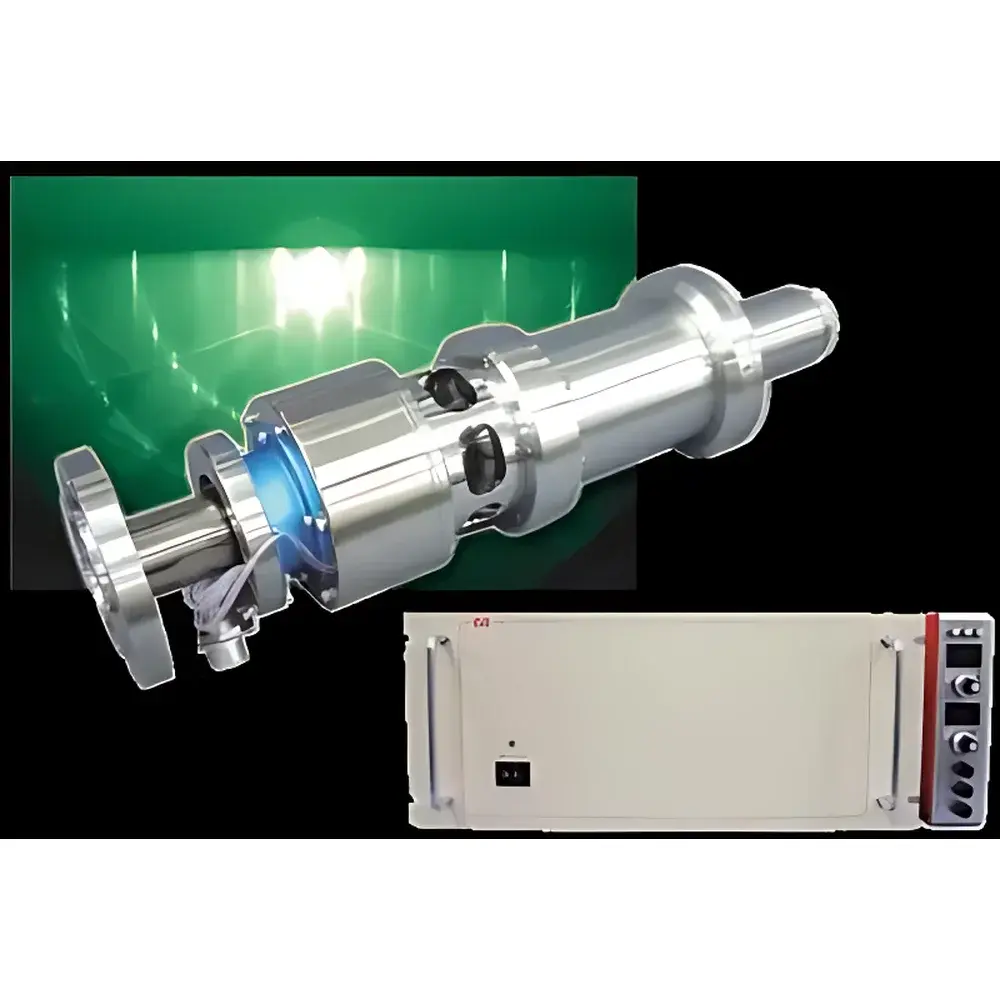
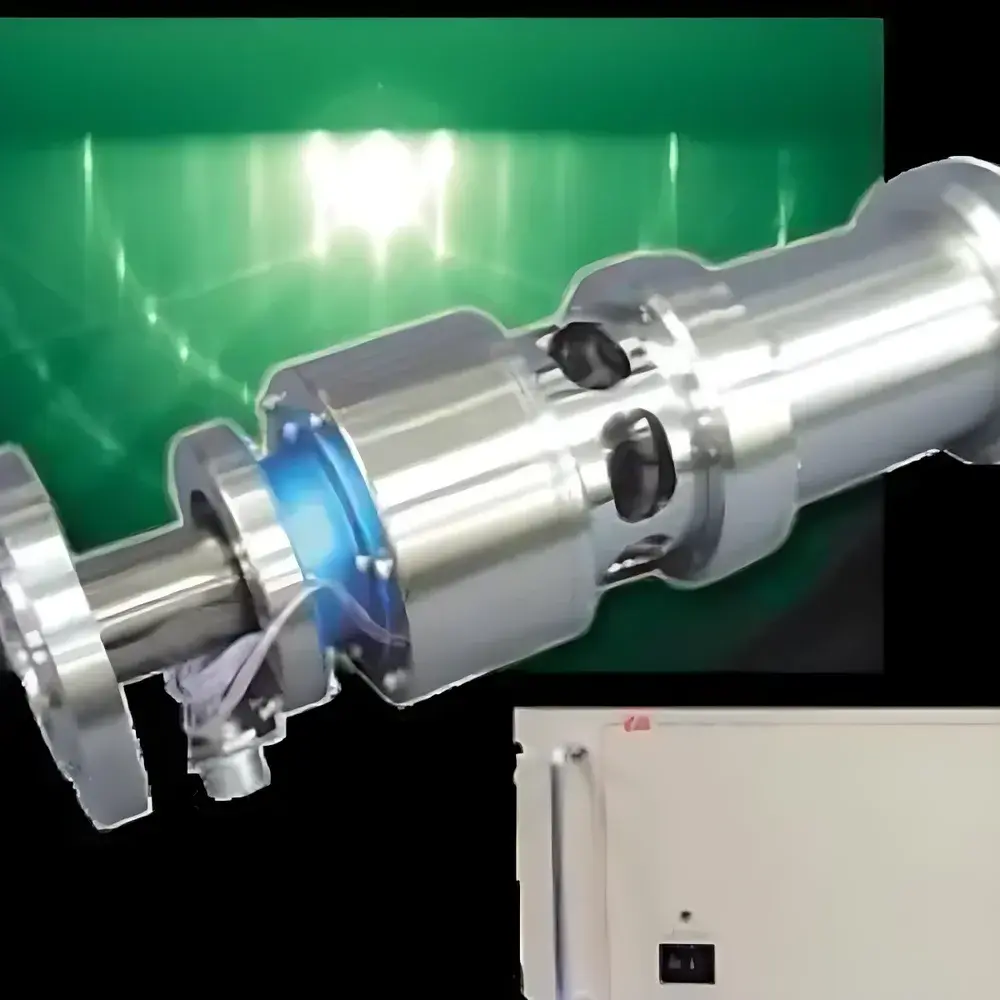
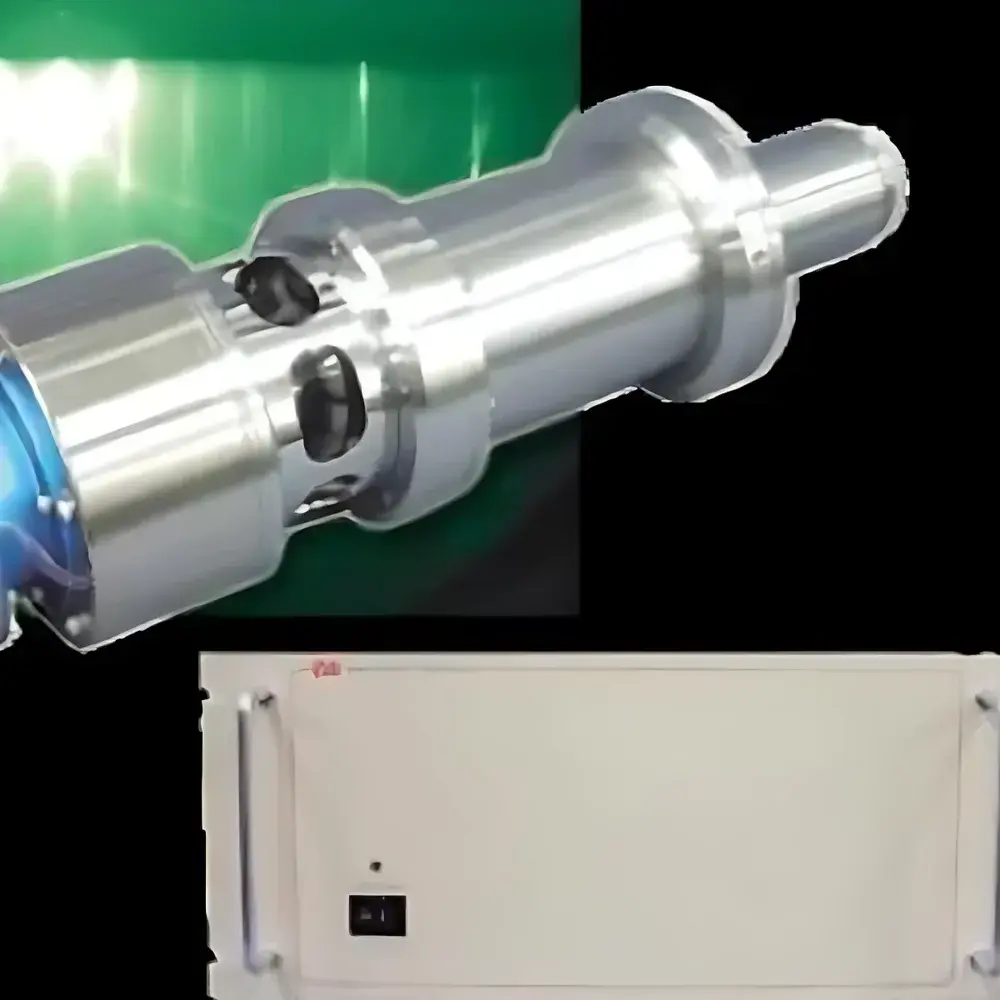
k-Space RDA Reflection High-Energy Electron Diffraction (RHEED) System
| Brand | k-Space |
|---|---|
| Origin | Japan |
| Manufacturer Status | Authorized Distributor |
| Origin Category | Imported |
| Model | RDA |
| Pricing | Upon Request |
Overview
The k-Space RDA Reflection High-Energy Electron Diffraction (RHEED) System is a precision in-situ surface characterization instrument engineered for real-time monitoring of crystalline surface structure evolution during thin-film growth. Operating on the principle of grazing-incidence electron diffraction, the RDA system directs a collimated 30 keV electron beam onto the sample surface at an incident angle of 1–2°. Electrons undergo elastic scattering from the topmost atomic layers, producing characteristic streaked diffraction patterns on a phosphor screen—each streak spacing inversely proportional to the surface lattice periodicity. Unlike bulk-sensitive techniques such as XRD or TEM, RHEED is uniquely surface-sensitive (probing only ~1–3 atomic layers) and compatible with ultra-high vacuum (UHV) environments down to 10⁻⁹ Pa. Its temporal resolution enables quantitative analysis of growth modes (e.g., layer-by-layer vs. island growth), surface reconstruction dynamics, and interface abruptness—making it indispensable for molecular beam epitaxy (MBE), pulsed laser deposition (PLD), metalorganic chemical vapor deposition (MOCVD), and reactive sputtering processes.
Key Features
- UHV-Optimized 30 keV Electron Gun: Features a hairpin-shaped tungsten filament (0.1 mm diameter), self-bias Wehnelt electrode, air-core solenoid focus lens, and toroidal deflection lens—enabling sub-100 µm beam spot size, low angular divergence, and minimal outgassing.
- External Mounting & In-Situ Maintainability: Fully external electron gun assembly with ICF70 flange interface; compatible with bakeout up to 200 °C without disassembly; supports in-chamber filament replacement and alignment.
- Differential Pumping Option: Integrated differential pumping stage isolates the electron gun region (10⁻⁴ Pa) from the main growth chamber (10⁻⁹ Pa), extending filament lifetime and enabling operation in reactive gas environments (e.g., O₂, NH₃).
- Precision Beam Steering: Motorized beam tilt mechanism allows dynamic adjustment of incidence angle (±2° range) without sample motion—critical for fixed-substrate MBE or rotating-disk PLD configurations.
- Programmable Aperture Control: Fast electrostatic beam shutter synchronizes with external triggers (e.g., shutter signals, laser pulses, lock-in amplifiers) to minimize electron dose and suppress magnetic interference.
- Stable Power Electronics: High-stability power supplies with ≤0.03% ripple on acceleration voltage (0–−30 kV), ≤0.05% ripple on filament/deflection/focus currents, and interlocked HV safety circuitry compliant with IEC 61010-1.
Sample Compatibility & Compliance
The RDA system interfaces seamlessly with standard UHV MBE, PLD, and CVD chambers via ICF70 or CF63 flanges. It accommodates substrates up to 4″ diameter and tolerates thermal cycling from cryogenic to >800 °C (depending on chamber design). All materials comply with RoHS Directive 2011/65/EU. The system architecture supports GLP/GMP-aligned workflows: electronic logbooks, user-access-controlled parameter sets, and audit-trail-capable software (via RHEED Vision Pro) meet requirements for FDA 21 CFR Part 11–compliant environments where traceability is mandated.
Software & Data Management
RHEED Vision Pro is a modular, Windows-based acquisition and analysis platform supporting real-time image capture (up to 60 fps), streak intensity profiling, oscillation period extraction, and Fourier-based surface roughness quantification. It integrates with LabVIEW and Python APIs for custom automation. Optional modules include shutter synchronization, lock-in detection for modulated growth, and time-resolved diffraction mapping. Raw data is saved in HDF5 format with embedded metadata (voltage settings, timestamps, chamber pressure), ensuring FAIR (Findable, Accessible, Interoperable, Reusable) data principles. Export options include ASCII, TIFF, and CSV for post-processing in MATLAB, Origin, or ImageJ.
Applications
- Molecular Beam Epitaxy (MBE): Real-time monitoring of GaAs, GaN, SrTiO₃, and topological insulator growth; quantification of RHEED oscillation damping for stoichiometry control.
- Pulsed Laser Deposition (PLD): Synchronization with laser firing for per-pulse surface structure feedback during complex oxide film synthesis.
- Surface Science Studies: Reconstruction transitions on Si(111)-7×7, Au(110)-(1×2), and graphene/SiC interfaces under controlled adsorption/desorption.
- Thin-Film Quality Assessment: Detection of step bunching, domain boundaries, and strain relaxation in heteroepitaxial systems (e.g., Ge/Si, LaAlO₃/SrTiO₃).
- In-Situ Catalysis Research: Observation of surface restructuring during CO oxidation or ammonia synthesis under operando UHV conditions.
FAQ
What vacuum level is required for stable RHEED operation?
Stable operation requires base pressure ≤10⁻⁸ Pa; differential pumping extends usability to 10⁻⁴ Pa in the gun region while maintaining <10⁻⁹ Pa at the sample.
Can the RDA system be integrated with existing MBE or PLD chambers?
Yes—standard ICF70 flange mounting and electrical feedthroughs (HV, filament, lens controls) ensure compatibility with most commercial UHV systems; k-Space provides mechanical and electrical integration support.
Is remote operation and automation supported?
Full remote control is enabled via Ethernet-connected controller; Python and LabVIEW drivers allow integration into automated growth recipes and closed-loop feedback systems.
How is beam alignment performed without breaking vacuum?
Axial alignment of filament and Wehnelt is achieved using motorized micrometers accessible externally; beam steering and focus are adjusted via software-controlled lens currents.
Does RHEED Vision support quantitative analysis of surface roughness?
Yes—streak width analysis, intensity decay modeling, and FFT-based correlation length calculation are implemented per ASTM E2923-21 guidelines for surface topography assessment.
Related Products



