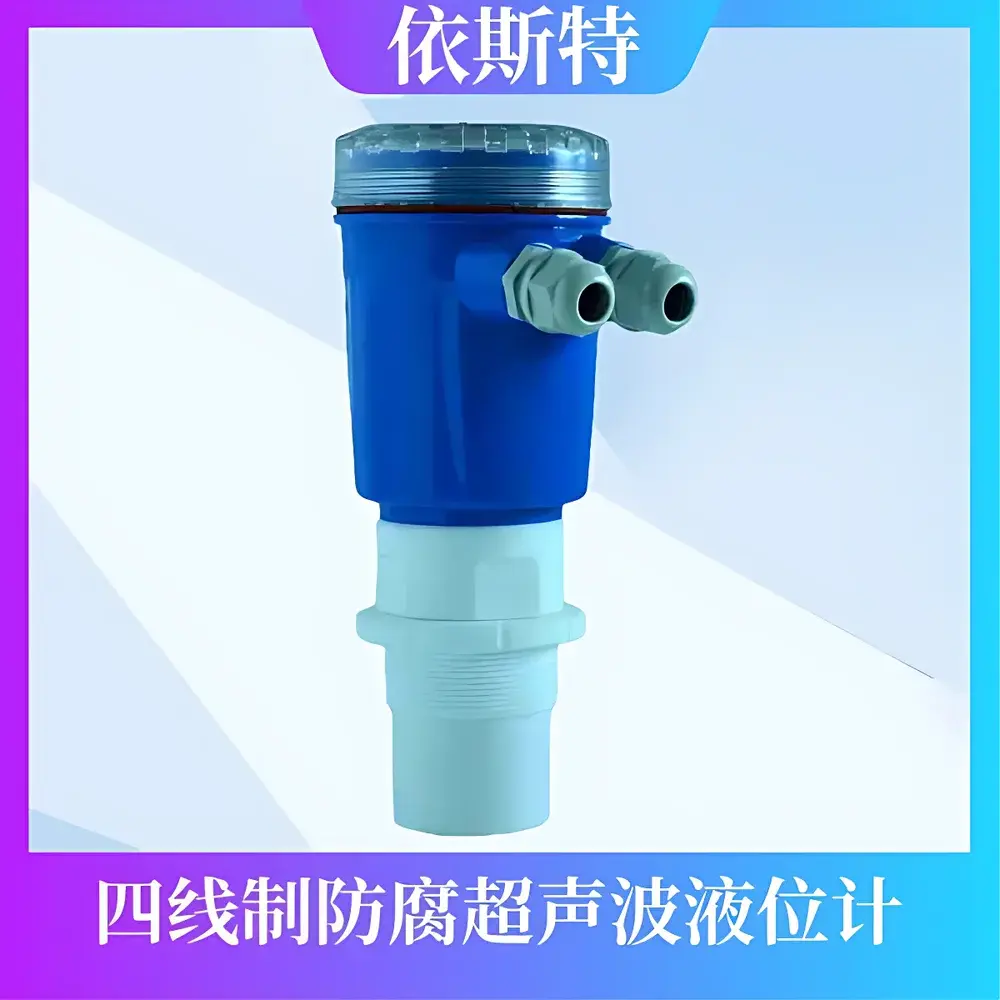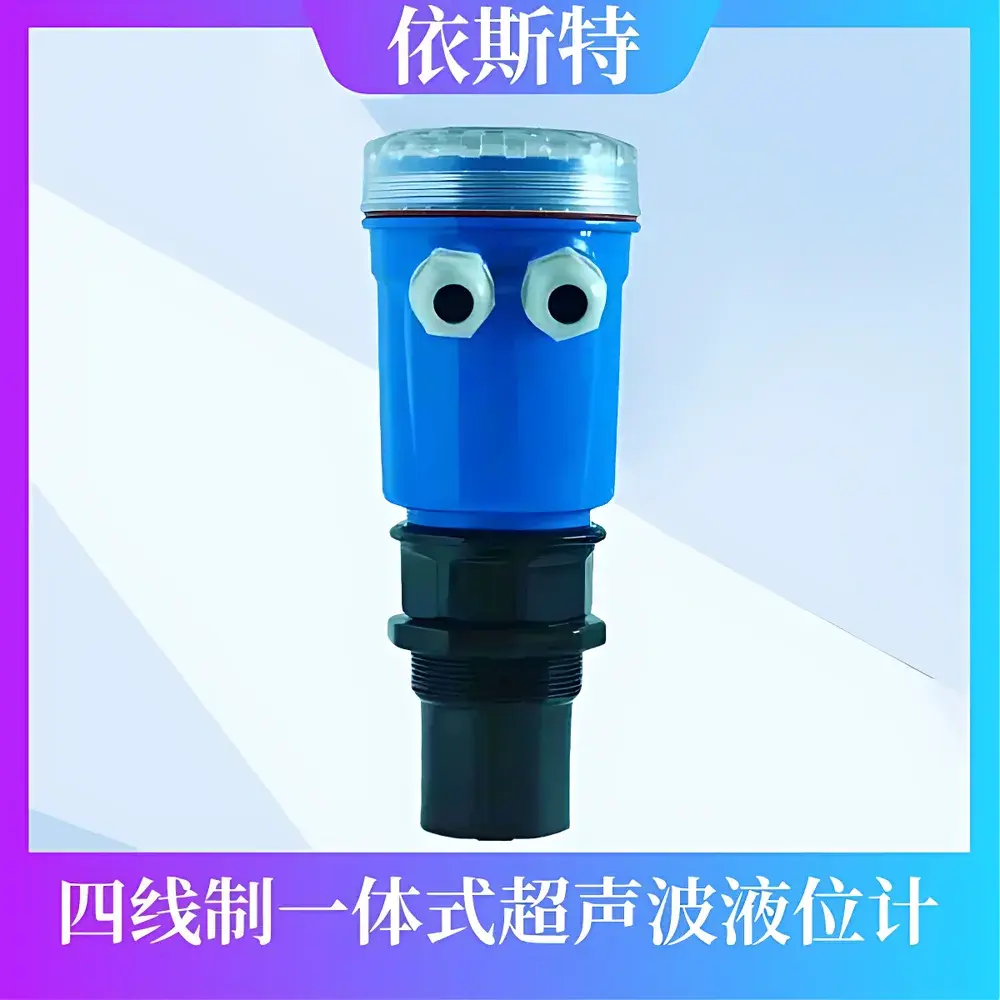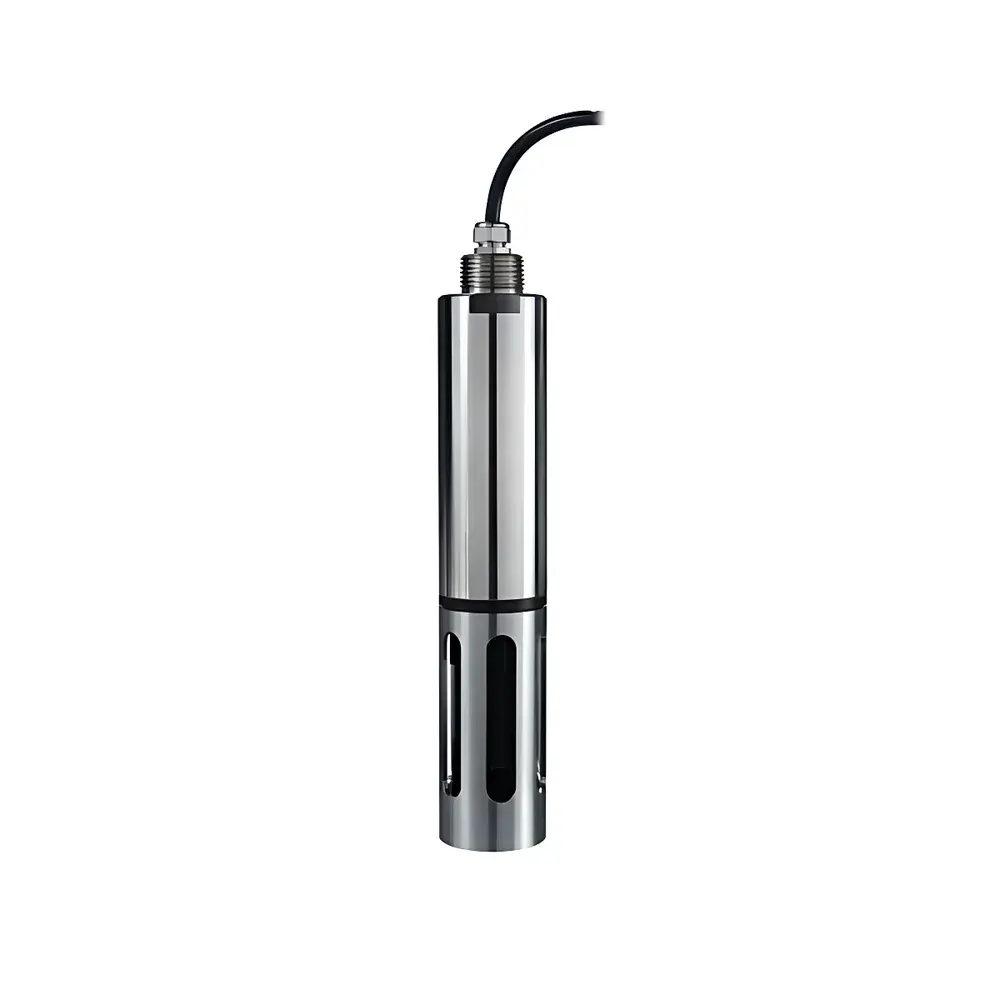
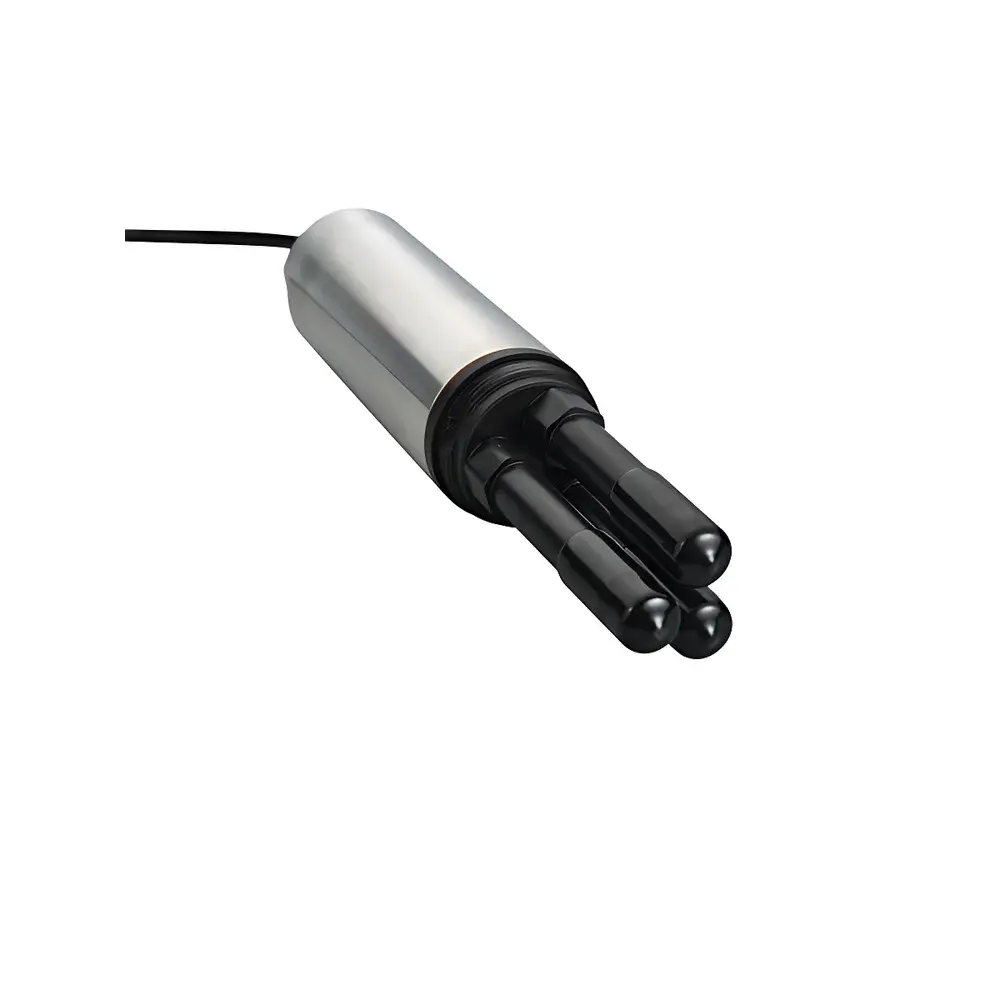
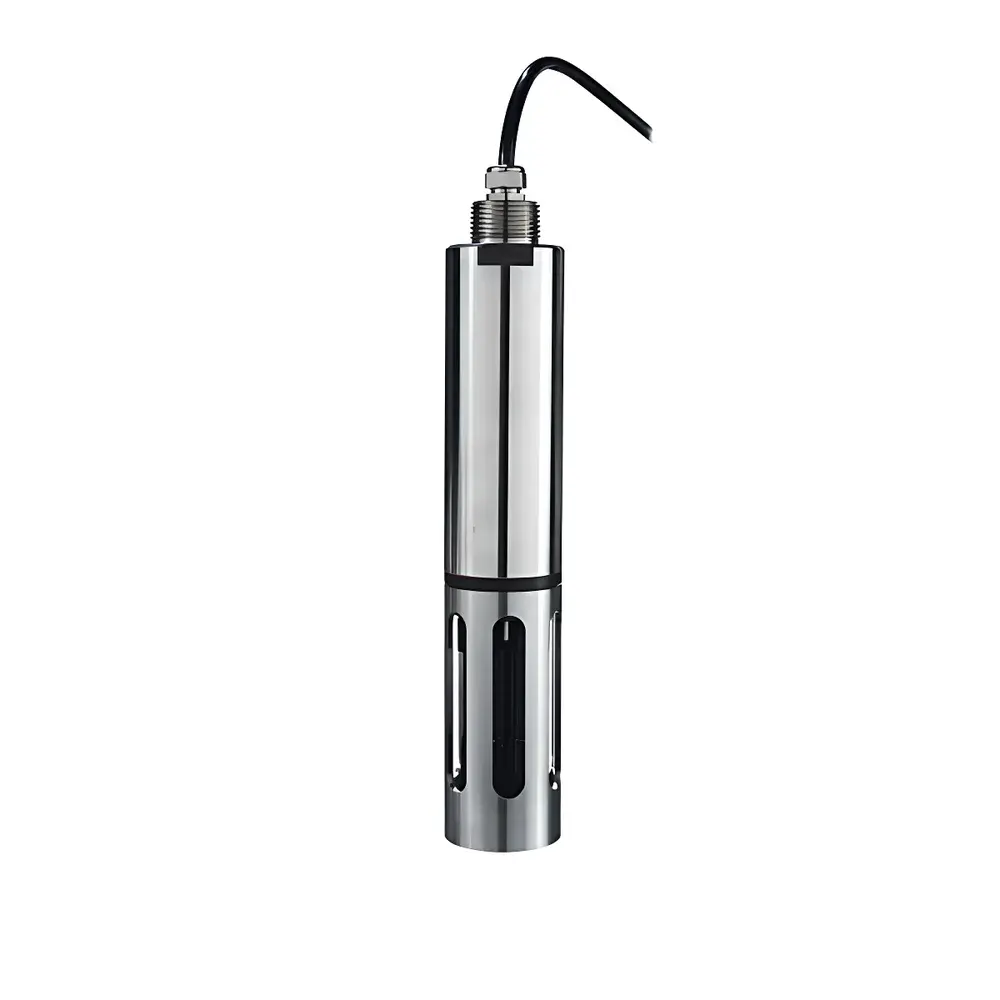
Thermo Scientific Orion CFAN10 Ammonia Nitrogen Sensor
| Brand | Thermo Fisher |
|---|---|
| Origin | Jiangsu, China |
| Manufacturer Type | Manufacturer |
| Origin Category | Domestic |
| Model | CFAN10 |
| Pricing | Upon Request |
Overview
The Thermo Scientific Orion CFAN10 Ammonia Nitrogen Sensor is a robust, submersible electrochemical sensor engineered for continuous, in-situ monitoring of total ammonia nitrogen (TAN) in aqueous environments. It operates on the principle of ion-selective electrode (ISE) potentiometry, where a gas-permeable membrane separates the sample from an internal electrolyte solution; dissolved ammonia diffuses across the membrane and alters the pH of the internal buffer, generating a Nernstian potential proportional to the logarithm of ammonia activity. This measurement principle enables direct, real-time quantification without sample extraction or chemical reagents—making the CFAN10 particularly suited for unattended operation in municipal drinking water distribution systems, wastewater treatment plants (primary, secondary, and tertiary stages), industrial effluent streams, and natural water bodies including surface water and groundwater.
Key Features
- Ion-selective electrode architecture with integrated multi-parameter compensation for temperature, pH, and potassium ion (K⁺) interference—ensuring measurement stability across variable water matrices.
- Submersible design allows direct immersion into process streams or open-channel applications; no external sampling system, peristaltic pump, or reagent dosing required.
- Automated air-pulse cleaning mechanism controlled by the compatible transmitter (e.g., Orion 5081 or 5084 series), minimizing biofouling and sediment accumulation on the sensing membrane.
- Two-point calibration protocol supported via standard ammonium chloride solutions, with user-accessible calibration history and slope diagnostics stored in non-volatile memory.
- Fault-tolerant operation mode: when K⁺ or pH sensor signals are temporarily unavailable, operators may manually input fixed values to maintain TAN calculation continuity—critical for regulatory reporting continuity.
- Simultaneous digital output of multiple parameters: ammonia nitrogen concentration (mg/L as N), temperature (°C), pH (unitless), and potassium ion activity (mol/L)—all time-synchronized and timestamped.
Sample Compatibility & Compliance
The CFAN10 is validated for use in water matrices with pH 6.0–9.0, conductivity ≤ 20 mS/cm, and suspended solids < 100 mg/L. It meets performance expectations aligned with ISO 14911 (water quality — determination of ammonium — ion-selective electrode method) and supports compliance workflows under EPA Method 350.1 and ASTM D1426-15. Its construction—using PEEK housing, EPDM seals, and platinum reference electrode—ensures resistance to chlorination residuals, moderate sulfide exposure, and typical municipal/industrial oxidants. The sensor’s electrical interface conforms to RS-485 Modbus RTU protocol, enabling integration into SCADA, DCS, and PLC-based process control systems compliant with IEC 61131-3 and ISA-88 standards.
Software & Data Management
When paired with Thermo Scientific Orion transmitters (e.g., 5081, 5084, or 5085 series), the CFAN10 leverages embedded firmware supporting audit-trail-enabled calibration logging, automatic drift detection, and configurable alarm thresholds (high/low, rate-of-change). Data export adheres to CSV and Modbus TCP formats for ingestion into LIMS platforms or cloud-based analytics tools. Firmware updates are performed via secure USB or Ethernet connection, and all configuration changes—including manual K⁺/pH overrides—are recorded with operator ID, timestamp, and pre-/post-value metadata—supporting 21 CFR Part 11-compliant environments when deployed with validated software stacks and access controls.
Applications
- Municipal water utilities: Real-time monitoring at intake points, clarifier effluents, filtration backwash streams, and distribution system nodes to verify disinfection byproduct control and nitrification status.
- Wastewater treatment: Process optimization in activated sludge systems, denitrification basins, and membrane bioreactors (MBRs); early detection of nitrification failure or influent shock loads.
- Industrial sectors: Effluent monitoring for food & beverage, pharmaceutical, and semiconductor manufacturing where ammonia discharge limits are enforced under local NPDES permits.
- Environmental monitoring: Long-term deployment in rivers, lakes, and aquifers for nutrient loading assessment and eutrophication trend analysis—compatible with solar-powered telemetry enclosures.
FAQ
What is the recommended calibration frequency?
Calibration is advised every 7–14 days under normal operating conditions; more frequent calibration may be required in high-fouling or highly variable pH/K⁺ environments.
Can the sensor operate in seawater or brackish water?
No—the CFAN10 is not rated for salinities > 5 g/L (5 ppt); elevated chloride and sodium concentrations cause irreversible ISE drift and membrane degradation.
Is the electrode module field-replaceable?
Yes—the sensing element (ammonia ISE membrane assembly and reference electrode) is a modular cartridge designed for replacement every 6 months, minimizing downtime and eliminating full-sensor disposal.
Does the sensor require zero-point calibration?
No—zero-point calibration is not applicable; the sensor relies exclusively on two-point span calibration using certified ammonium standards.
How does potassium interference correction work?
The sensor incorporates a dedicated K⁺ ISE that measures background potassium activity in real time; this value is used in the Henderson-Hasselbalch-derived algorithm to correct for ammonium/ammonia equilibrium shifts caused by ionic strength effects.
Related Products