
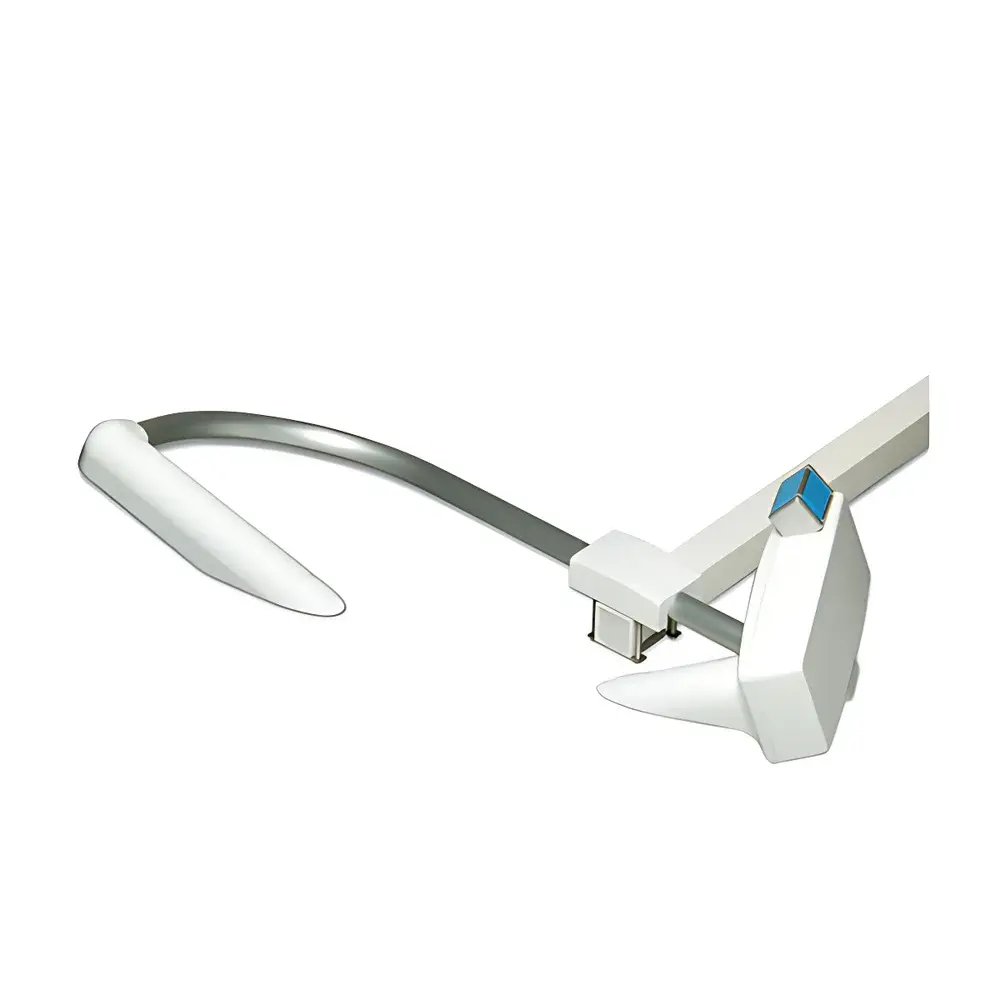
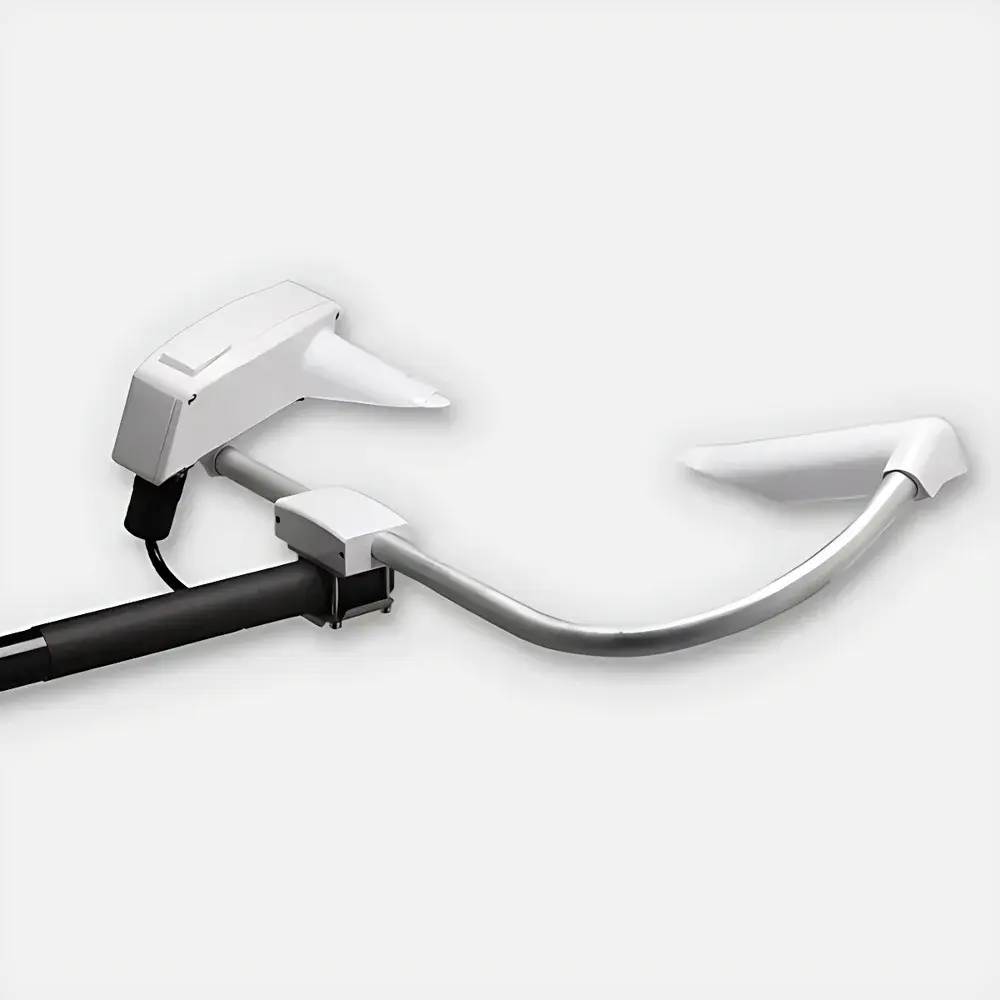
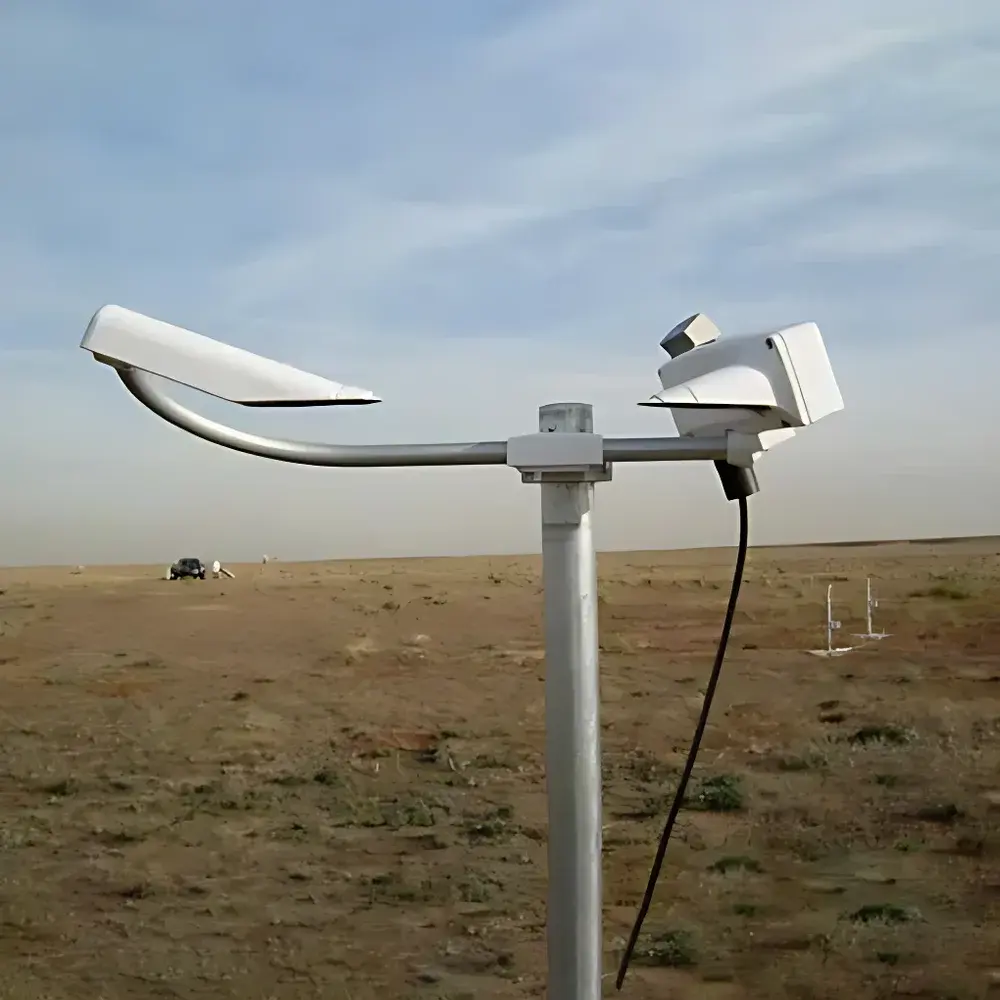
Vaisala PWD20 Weather Sensor for Visibility and Present Weather Detection
| Brand | Vaisala |
|---|---|
| Origin | Finland |
| Model | PWD20 |
| Measurement Principle | Forward Scatter |
| Visibility Range | 10–20,000 m |
| Accuracy | ±10% (10 m–10 km), ±15% (10–20 km) |
| Operating Temperature | −40 to +60 °C |
| Power Supply | 12–50 VDC (electronics), 24 VAC/DC (heater option) |
| Power Consumption | 3 W (standard), 65 W (with heater) |
| Output Interface | RS-232 / RS-485 |
| Dimensions | 40.4 × 69.5 × 19.9 cm |
| Weight | 3 kg |
| IP Rating | IP66 |
| EMC Compliance | CISPR 16-1/-2, IEC 61000-4-2/-3/-4/-5/-6 |
Overview
The Vaisala PWD20 is a field-proven, all-weather forward scatter weather sensor engineered for continuous, high-reliability measurement of Meteorological Optical Range (MOR) and present weather phenomena. Designed and manufactured in Finland, the PWD20 applies validated forward scatter photometry—calibrated traceably against reference transmissometers—to quantify atmospheric extinction caused by aerosols, fog, haze, rain, snow, and drizzle. Its core function is to deliver real-time MOR values compliant with WMO and NWS message formats (e.g., METAR, SPECI), while simultaneously classifying precipitation type (rain, snow, drizzle, freezing rain), estimating intensity and accumulation, and detecting obscuration events. The sensor’s optical path is oriented downward to minimize contamination from wind-driven particulates, and its lens is protected by a hydrophobic, UV-stable acrylic dome. Optional integrated heating ensures operational integrity under icing or snow-loading conditions—critical for unattended deployment in maritime, aviation, and renewable energy environments.
Key Features
- Forward scatter optical design optimized for MOR accuracy across 10–20,000 m range, with documented uncertainty of ±10% (10 m–10 km) and ±15% (10–20 km)
- Downward-facing optical geometry and self-cleaning dome configuration significantly reduce fouling from precipitation, dust, salt spray, and insect deposition
- Integrated heater option (24 VAC/DC) prevents ice/snow accumulation on the protective window—certified for sustained operation at −40 °C
- Compact, lightweight housing (3 kg) with IP66-rated enclosure ensures durability in harsh coastal, offshore, and polar deployments
- Low-power electronics (3 W typical) support solar/battery-powered installations; heater draws up to 65 W only during active de-icing cycles
- RS-232 and RS-485 serial interfaces enable direct integration into AWOS, road weather information systems (RWIS), and SCADA networks
Sample Compatibility & Compliance
The PWD20 is designed for outdoor, permanent installation in open-air meteorological networks without sample conditioning or aspiration. It requires no consumables, calibration gases, or optical filters. Its measurement performance aligns with WMO Guide to Instruments and Methods of Observation (CIMO Guide, Chapter 12) and supports compliance with ICAO Annex 3 requirements for aerodrome visibility reporting. Electromagnetic compatibility has been verified per EU Directive 2014/30/EU (EMC Directive) against CISPR 16-1/-2 (emissions), IEC 61000-4-2 (ESD), -4-3 (radiated immunity), -4-4 (EFT), -4-5 (surge), and -4-6 (conducted immunity). The device carries CE marking and meets EN 60950-1 safety standards. For regulated applications—including airport surface monitoring and environmental reporting—the PWD20 supports audit-ready data logging when paired with Vaisala’s proprietary software tools.
Software & Data Management
The PWD20 outputs ASCII-formatted serial data compatible with industry-standard protocols including WMO BUFR, NWS METAR/SPECI, and custom binary frames. Configuration, diagnostics, and firmware updates are performed via Vaisala’s free Windows-based software, ViewLinc Lite or Vaisala Insight. These tools provide real-time status monitoring, event-triggered logging, and configurable alarm thresholds for visibility drop, precipitation onset, or heater activation. When deployed in GLP/GMP-aligned infrastructure (e.g., environmental monitoring networks), the system supports time-synchronized timestamping and optional digital signature verification for data integrity. While the PWD20 itself does not embed FDA 21 CFR Part 11-compliant electronic signatures, its output streams integrate seamlessly with validated third-party data acquisition platforms that provide full audit trail, user access control, and electronic record retention.
Applications
- Airport and heliport visibility monitoring for Category I/II/III approach decision height validation
- Port and maritime navigation safety systems, particularly in fog-prone estuaries and straits
- Wind farm site assessment and turbine curtailment logic based on low-visibility events
- Road weather information systems (RWIS) for dynamic signage and winter maintenance dispatch
- National meteorological service observational networks requiring WMO-compliant present weather classification
- Environmental research stations operating in Arctic, alpine, or desert climates where maintenance access is limited
FAQ
What is the primary measurement principle used by the PWD20?
The PWD20 employs calibrated forward scatter photometry to determine Meteorological Optical Range (MOR), based on light scattering at a 35° angle relative to the incident beam.
Does the PWD20 require periodic factory recalibration?
No scheduled recalibration is required under normal operation; however, field verification using the optional PWA11 calibration kit is recommended annually or after physical impact or extreme contamination events.
Can the PWD20 operate without the heater option in sub-zero environments?
Yes—the base unit operates continuously from −40 to +60 °C—but ice accumulation on the dome will impair measurement validity; heater activation is strongly advised below −5 °C in humid or precipitating conditions.
Is the PWD20 compatible with Modbus RTU or SDI-12 protocols?
No—it natively supports only RS-232 and RS-485 ASCII serial output; protocol translation requires an external gateway or middleware layer.
How is the sensor mounted for optimal performance?
It must be installed level and unobstructed, with clear 360° sky view; recommended mounting includes vertical pole attachment using the supplied clamp kit (PWA10) or bracket assembly for rooftop or mast integration.







