
WIGGENS WMA550 High-Performance Probe-Type Homogenizer
| Brand | WIGGENS |
|---|---|
| Origin | Germany |
| Model | WMA 550 |
| Type | Probe-type homogenizer |
| Motor Power | 550 W |
| Speed Range | 600–14,000 rpm |
| Voltage | 230 V / 50 Hz or 100–120 V / 60 Hz |
| Dimensions (W×D×H) | 245 × 245 × 190 mm |
| Weight | 4.4 kg |
| Noise Level | ≤72 dB(A) at 14,000 rpm |
| Operating Environment | 0–40 °C, ≤95% RH |
| Safety Class | IP20, Protection Class I per EN 60335-1 |
| Compliance | EN 60335-1:1988, EN 60335-2-64:1993, EN 55014:1993, EN 55104:1995, EN 61000-3-2:1995, EN 61000-3-3:1995 |
Overview
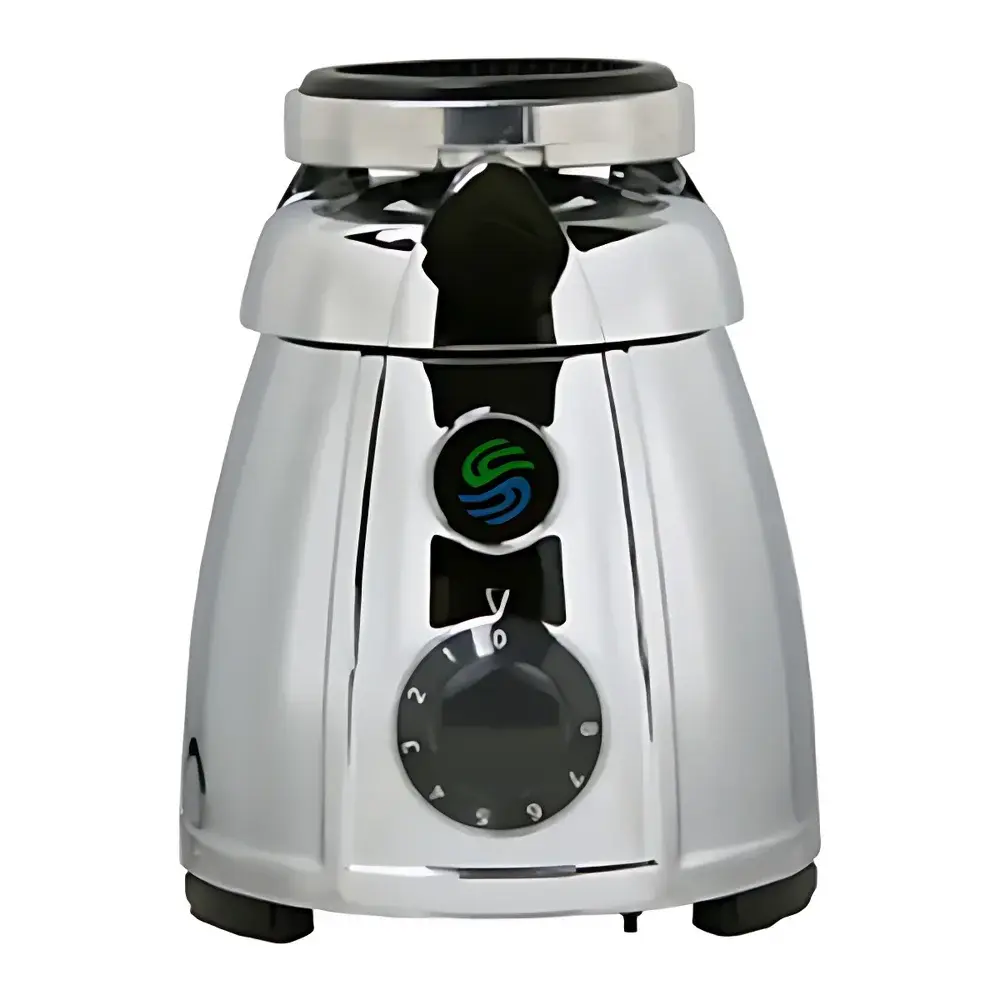
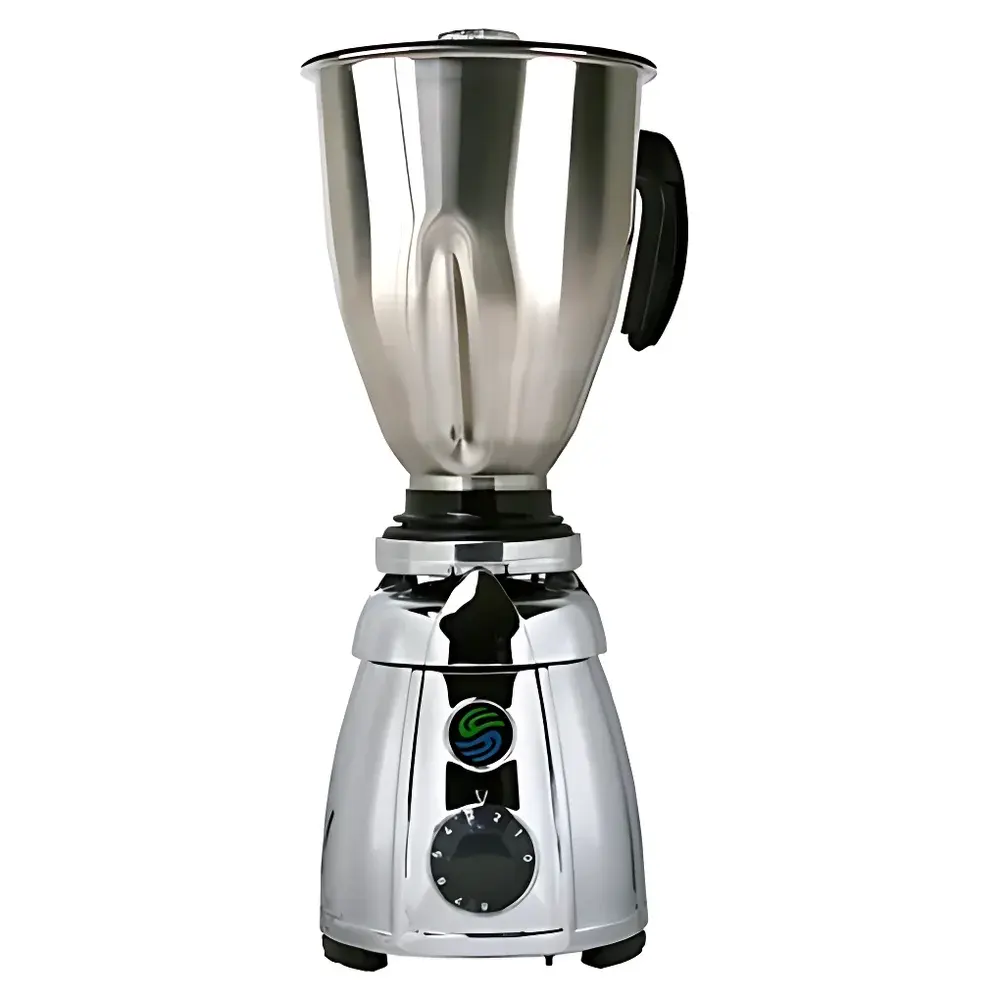
The WIGGENS WMA550 is a high-torque, probe-type laboratory homogenizer engineered for reproducible mechanical disruption of biological, chemical, and pharmaceutical samples. Based on the proven MICROTRON platform, it employs high-shear rotor-stator technology—where a rapidly rotating stainless-steel probe generates intense hydrodynamic cavitation and turbulent shear forces within the sample medium. This principle enables efficient cell lysis, tissue homogenization, emulsification, dispersion of nanoparticles, and preparation of stable suspensions across volumes from 125 mL to 1000 mL. Designed for routine QC labs, academic research facilities, and GMP-aligned process development workflows, the WMA550 delivers consistent energy input under load-compensated electronic speed control—critical for method transfer and regulatory compliance.
Key Features
- 550 W universal high-temperature fan motor with integrated thermal protection and soft-start circuitry to prevent mechanical shock during acceleration
- Precise electronic speed regulation (600–14,000 rpm) with real-time load compensation—maintains set speed regardless of viscosity or sample density changes
- Dual-layer insulation and RF shielding compliant with EN 55014 and EN 55104 for electromagnetic compatibility in shared lab environments
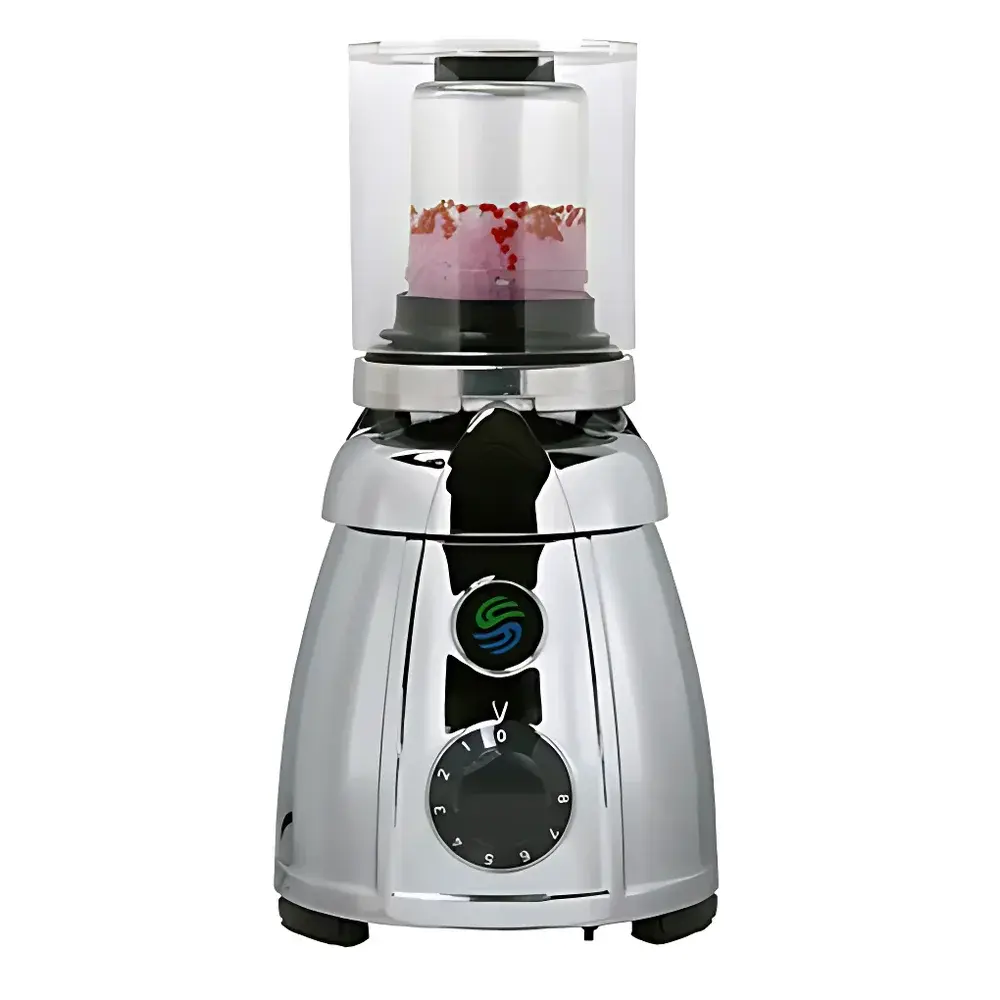
- Interlocked safety system: homogenization initiates only when the acrylic safety cover is fully seated; immediate motor shutdown upon cover removal
- Zinc die-cast drive housing with corrosion-resistant surface finish and optimized heat dissipation geometry
- Stainless-steel cutting heads (MBA series) featuring six precision-ground blades, double-sealed ball bearings, and modular damper coupling for low-noise operation and extended service life
- Tool-free disassembly of all wetted components—including probes, containers, and safety covers—for rapid cleaning, sterilization (autoclavable up to 121 °C), and cross-contamination prevention
Sample Compatibility & Compliance
The WMA550 supports interchangeable homogenizing assemblies compatible with both glass (MTG series: 125–1000 mL) and stainless-steel (MTS series: 125–500 mL) vessels. All contact surfaces are electropolished 316L stainless steel or borosilicate glass, ensuring chemical resistance to organic solvents, acids, and alkaline buffers. The system meets essential safety and EMC requirements per EU directives: EN 60335-1 (general household and similar electrical appliances), EN 60335-2-64 (particular requirements for commercial dispensing appliances), and harmonized standards under the Low Voltage Directive (2014/35/EU) and EMC Directive (2014/30/EU). Its design supports adherence to GLP documentation practices and facilitates audit readiness for ISO/IEC 17025-accredited laboratories.
Software & Data Management
While the WMA550 operates via analog front-panel controls without embedded firmware or digital connectivity, its deterministic mechanical architecture ensures full traceability in regulated environments where software validation introduces complexity. All operational parameters—including speed setpoint, run time (via external timer), and vessel type—are manually recorded in lab notebooks or LIMS-integrated SOPs. The absence of programmable logic or network interfaces eliminates cybersecurity risks and simplifies 21 CFR Part 11 compliance for paper-based or hybrid electronic record systems. For users requiring enhanced data capture, optional external tachometers or torque sensors may be integrated into validated measurement chains.
Applications
- Cell lysis of mammalian, bacterial, and yeast cultures for protein extraction and nucleic acid isolation
- Homogenization of soft tissues (liver, spleen, brain) and fibrous plant material prior to metabolite profiling
- Preparation of oil-in-water and water-in-oil emulsions for food science and cosmetic formulation studies
- Dispersion of carbon nanotubes, graphene oxide, and metal oxide nanoparticles in polymer matrices
- Routine QC testing of suspension stability, particle size distribution (when coupled with laser diffraction analyzers), and viscosity consistency
- Fragmentation of biofilms and microbial aggregates in environmental microbiology protocols
FAQ
What is the maximum recommended sample volume for the WMA550?
The WMA550 is validated for use with glass vessels up to 1000 mL (MTG1000) and stainless-steel vessels up to 500 mL (MTS500). Optimal homogenization efficiency is achieved when the liquid level covers 30–70% of the probe immersion depth.
Can the WMA550 be used with corrosive solvents such as chloroform or concentrated HCl?
Glass vessels (MTG series) are compatible with most organic solvents; however, prolonged exposure to strong oxidizers or hydrofluoric acid is not recommended. Stainless-steel components resist dilute acids but require post-use neutralization and passivation for long-term integrity.
Is the WMA550 suitable for sterile processing?
Yes—stainless-steel probes and glass vessels are autoclavable (121 °C, 20 min, saturated steam). Acrylic safety covers must be cleaned with ethanol or isopropanol and air-dried; they are not autoclavable.
Does the unit include speed calibration documentation?
Each WMA550 undergoes factory speed verification against NIST-traceable tachometry. A Certificate of Conformance (CoC) listing nominal speed accuracy ±2% at 14,000 rpm is supplied with shipment.
How often should maintenance be performed?
Routine inspection of blade sharpness, bearing smoothness, and seal integrity is advised every 200 operating hours. Replacement of cutting heads (MBA series) is recommended after 500 cycles or visible wear—no scheduled motor servicing is required due to brushless fan-motor construction.



