
ASD iSCS Atmospheric Pre-concentrator
| Brand | ASD |
|---|---|
| Origin | Canada |
| Model | iSCS |
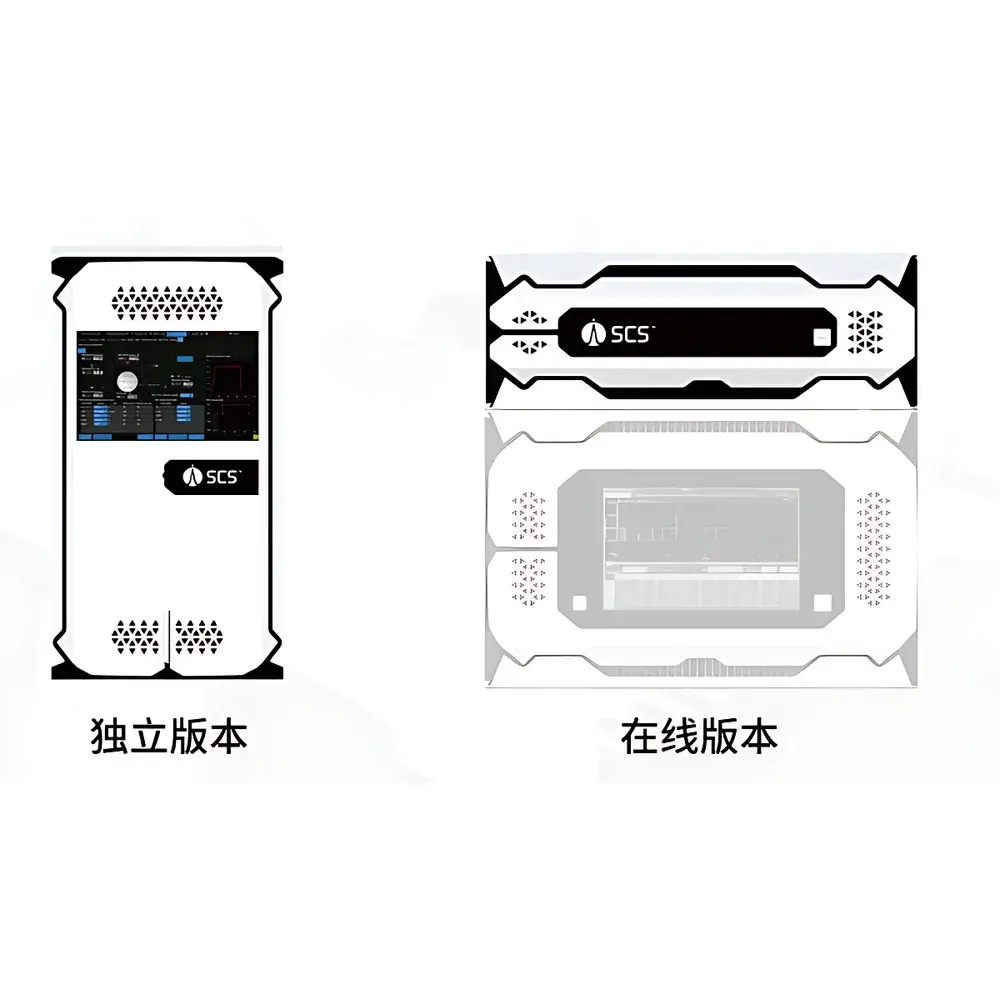
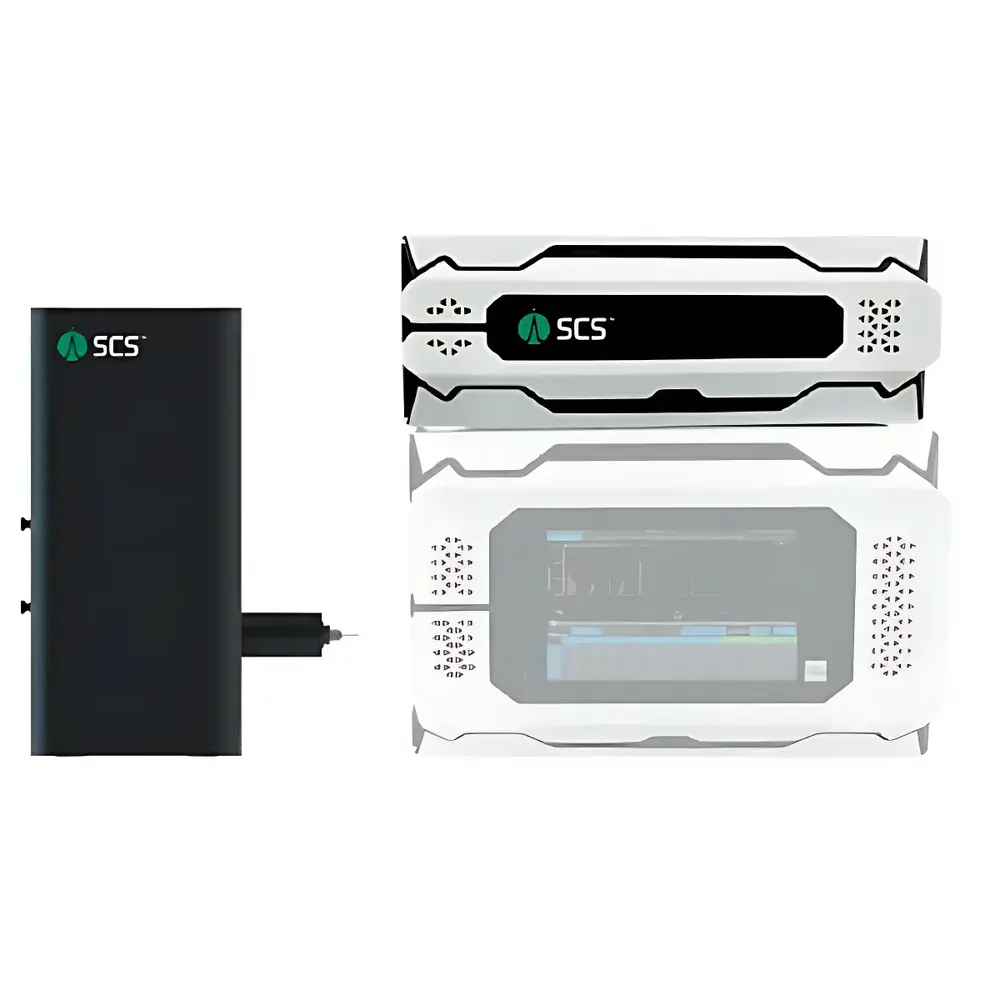
| Configuration | Rack-mountable (19″) or Benchtop Standalone |
| Cooling Trap Temperature | –30 °C |
| Thermal Desorption Range | Up to 300 °C |
| Valve Technology | PLSV (Precision Low-Dead-Volume Sampling Valve) |
| Operation Modes | Programmable Stepwise Release or Flash Desorption |
| Diagnostic Capability | Integrated Self-Diagnostic System |
| Connectivity | IoT-enabled for ASDevices Ecosystem |
| Sample Introduction | Front-accessible Cold Trap and Valve Assembly |
| Compliance | Designed for GLP/GMP-aligned laboratory workflows |
Overview
The ASD iSCS Atmospheric Pre-concentrator is a high-integrity, cryogen-free sample enrichment system engineered for trace-level volatile organic compound (VOC) and semi-volatile organic compound (SVOC) analysis in ambient air, indoor air, and stack emission monitoring applications. It operates on the principle of cryofocusing—drawing large-volume atmospheric samples through a selective sorbent trap or cold trap, followed by rapid thermal desorption into a gas chromatograph (GC) or GC–mass spectrometer (GC–MS). Unlike conventional pre-concentrators requiring liquid nitrogen or mechanical cryocoolers, the iSCS employs an electronically controlled Peltier-based cooling module capable of stabilizing the cold trap at –30 °C, ensuring quantitative retention of C2–C12 hydrocarbons, halocarbons, oxygenates, and polar VOCs without condensation artifacts or water ice formation.
Key Features
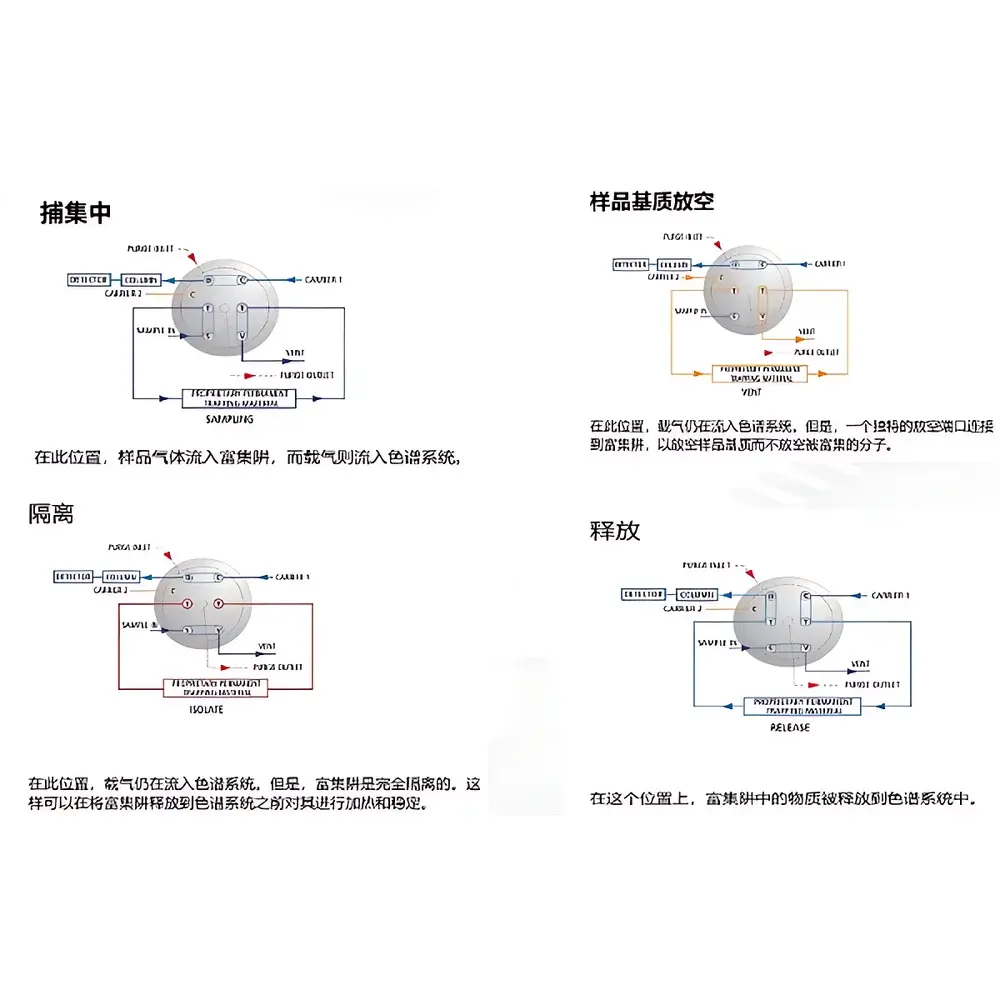
- Four-Step Configurable Workflow: Inlet → Matrix Vent → Isolation/Enrichment → Focused Desorption — each step precisely timed and pressure-controlled via the PLSV valve to eliminate cross-contamination and preserve analyte integrity.
- PLSV Valve Architecture: A patented low-dead-volume, metal-seated sampling valve with helium leak integrity <1×10⁻⁹ atm·cm3/s, eliminating baseline drift during desorption and preventing ambient air intrusion that compromises column lifetime and method robustness.
- Cryogenic Performance Without Cryogens: Solid-state cooling achieves –30 °C trap temperature; flash-heating capability delivers instantaneous thermal ramp rates >100 °C/s, enabling sharp, symmetrical chromatographic peaks with improved resolution of co-eluting isomers (e.g., xylenes, methyl ethyl ketone vs. acetone).
- Front-Serviceable Design: Cold trap cartridge and PLSV valve are accessible from the instrument front panel—reducing maintenance downtime and enabling routine calibration verification without disassembly.
- Flexible Deployment Options: Available in both 19″ rack-mount configuration (for integration into automated GC labs or central monitoring facilities) and benchtop standalone mode (optimized for mobile labs or field-deployable air quality stations).
- Embedded Intelligence: Onboard microprocessor executes real-time diagnostics—including trap temperature stability, valve actuation timing, pressure transducer calibration, and heater resistance monitoring—loggable via ASDevices cloud architecture for audit-ready compliance reporting.
Sample Compatibility & Compliance
The iSCS supports direct coupling to EPA Method TO-14A, TO-15, ASTM D5466, and ISO 16017-1 compliant sampling protocols. Its matrix venting capability allows selective removal of CO2, H2O vapor, and N2/O2 prior to trapping—critical for reducing water-induced column degradation and improving detection limits for polar compounds. The system meets mechanical and electrical safety requirements per IEC 61010-1 and carries CE marking for use in EU-accredited environmental testing laboratories. Data acquisition and method storage comply with ALCOA+ principles; full electronic audit trail functionality is available when integrated with ASDevices’ validated software suite supporting 21 CFR Part 11 and Annex 11 readiness.
Software & Data Management
Control and method development are performed via ASDevices’ iControl Suite—a Windows-based application supporting sequence scheduling, real-time pressure/temperature trending, and remote firmware updates. All method parameters—including flow rate, trap cooldown time, desorption ramp profile, and vent duration—are stored as encrypted XML files with user-defined version control. Instrument logs include timestamped event records (valve actuations, thermal cycles, diagnostic flags), exportable in CSV or PDF for internal QA review or regulatory submission. IoT connectivity enables predictive maintenance alerts and fleet-wide performance benchmarking across multi-site laboratories.
Applications
- Ambient air monitoring networks (EPA SLAMS, EEA AirBase)
- Indoor air quality assessment in commercial buildings and cleanrooms
- Workplace exposure monitoring per OSHA/NIOSH methods
- Soil vapor intrusion studies and landfill emission characterization
- Method validation and reference material analysis in accredited environmental labs
- Research on secondary organic aerosol (SOA) precursors and oxidation products
FAQ
Does the iSCS require liquid nitrogen or other cryogenic consumables?
No. It uses solid-state thermoelectric cooling and heating, eliminating dependency on LN2, dry ice, or compressed CO2.
Can the iSCS be integrated with third-party GC systems?
Yes. It provides standard ¼″ VCR fittings and analog/digital I/O for seamless synchronization with major GC vendors (Agilent, Thermo Fisher, Shimadzu, PerkinElmer) via TTL trigger or Ethernet Modbus TCP.
What is the typical carryover rate between analyses?
Less than 0.1% for benzene and chloroform under EPA TO-15 conditions, verified using certified permeation tube standards.
Is method transfer supported between rack-mounted and benchtop units?
Yes. All method files are hardware-agnostic and fully interchangeable across iSCS configurations.
How often does the cold trap require regeneration or replacement?
Under normal operation (≤100 samples/week), the stainless-steel trap with fused-silica liner requires cleaning every 6 months; sorbent-packed variants follow manufacturer-recommended service intervals based on sample matrix loading.



