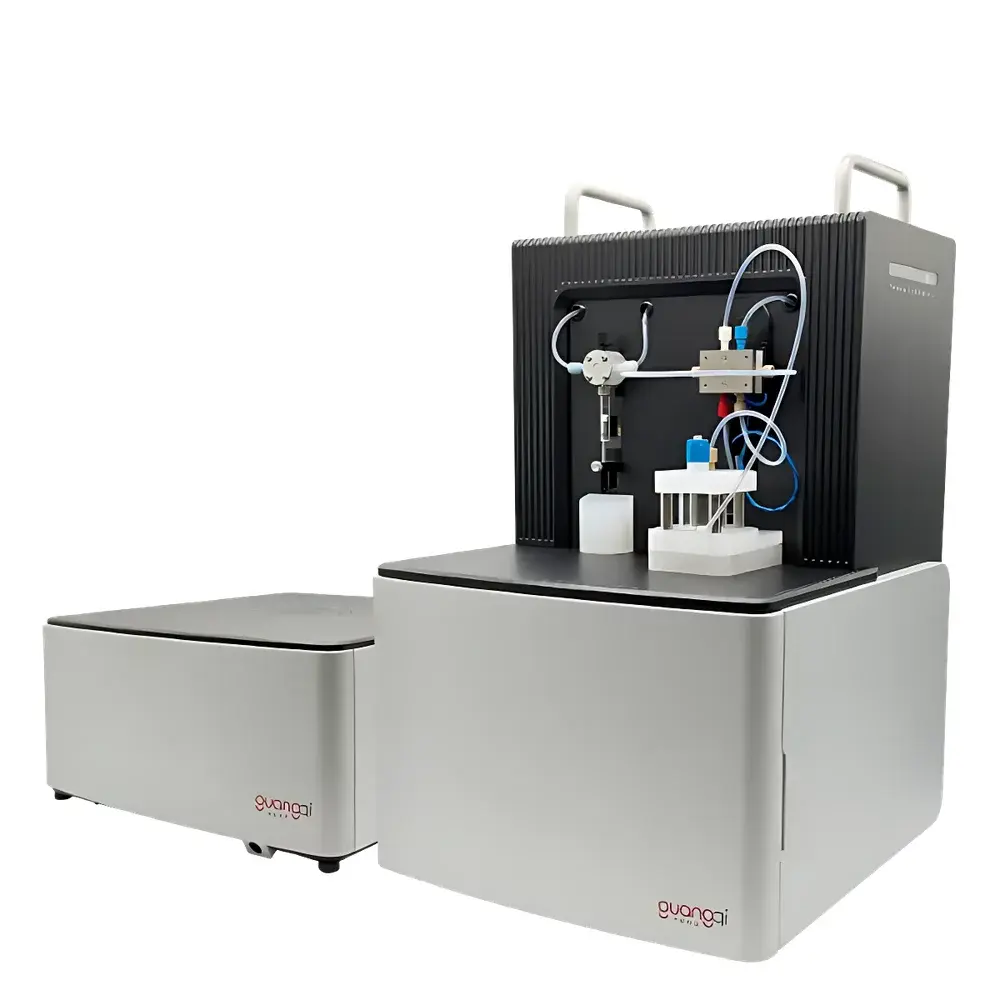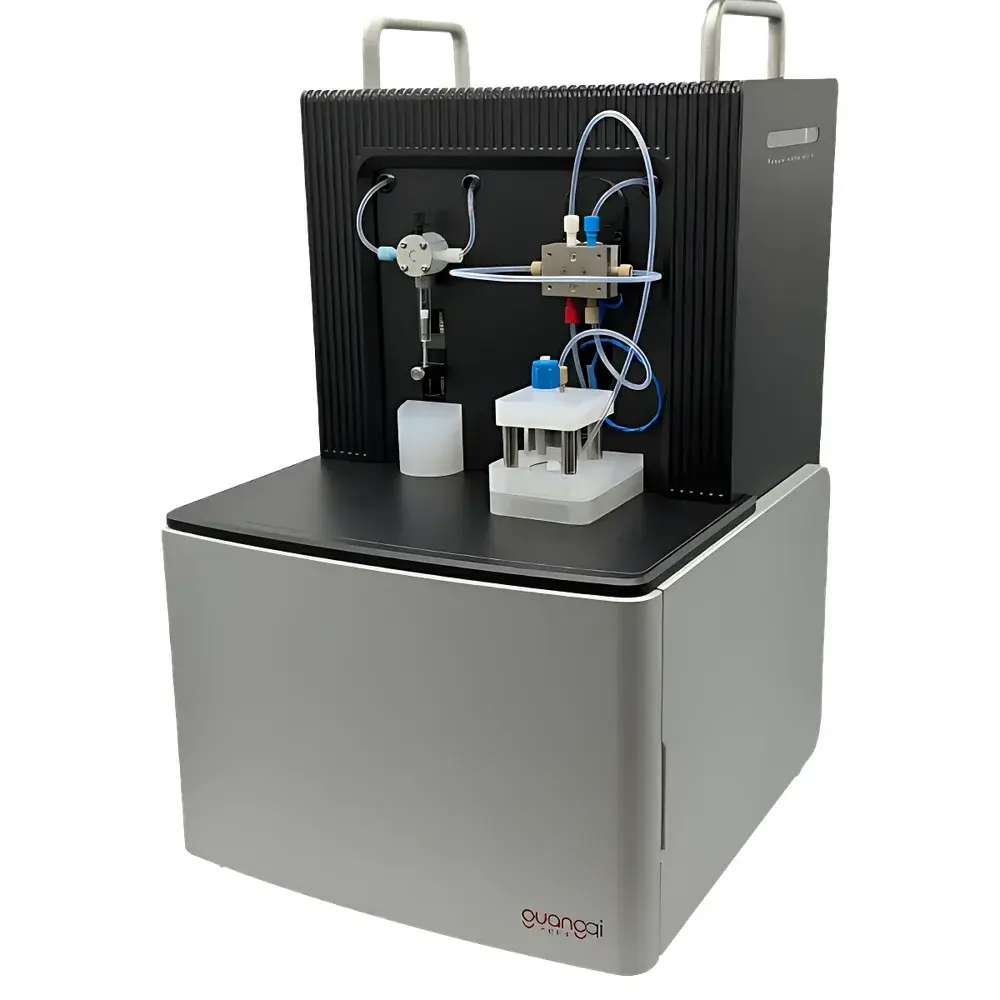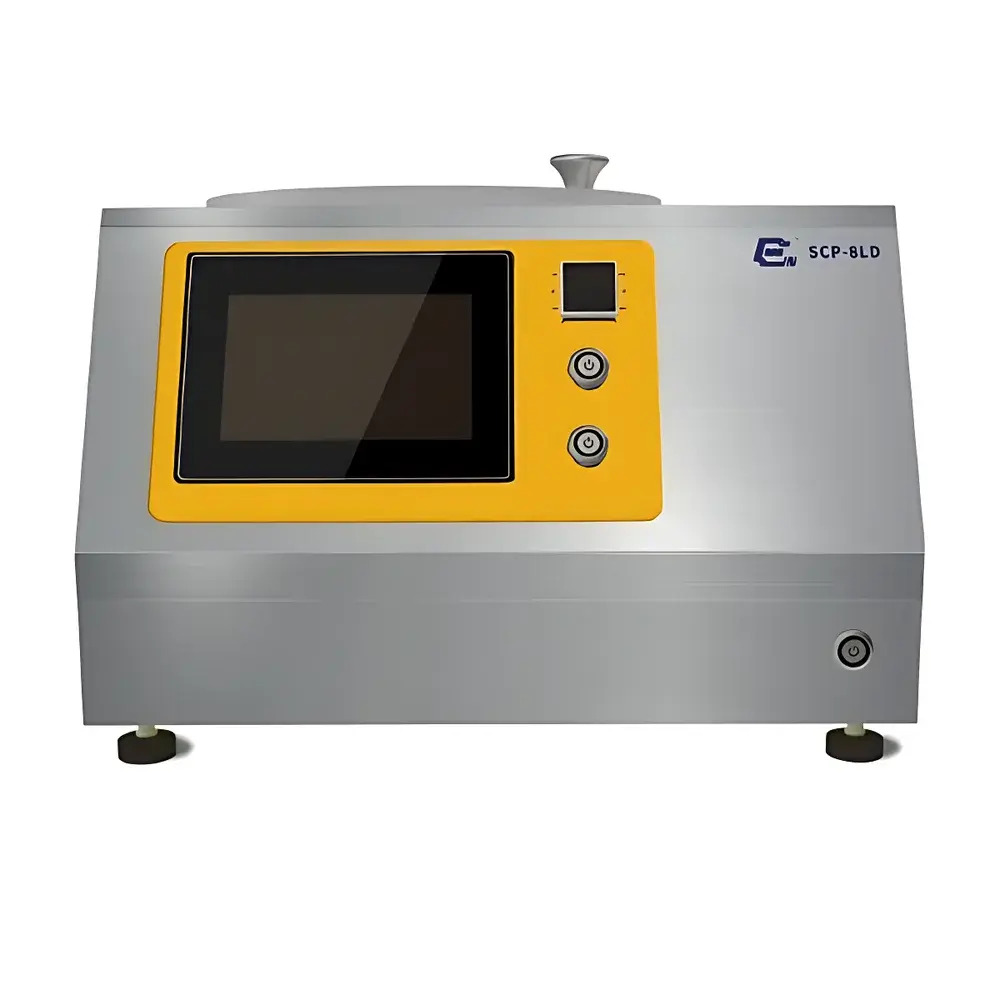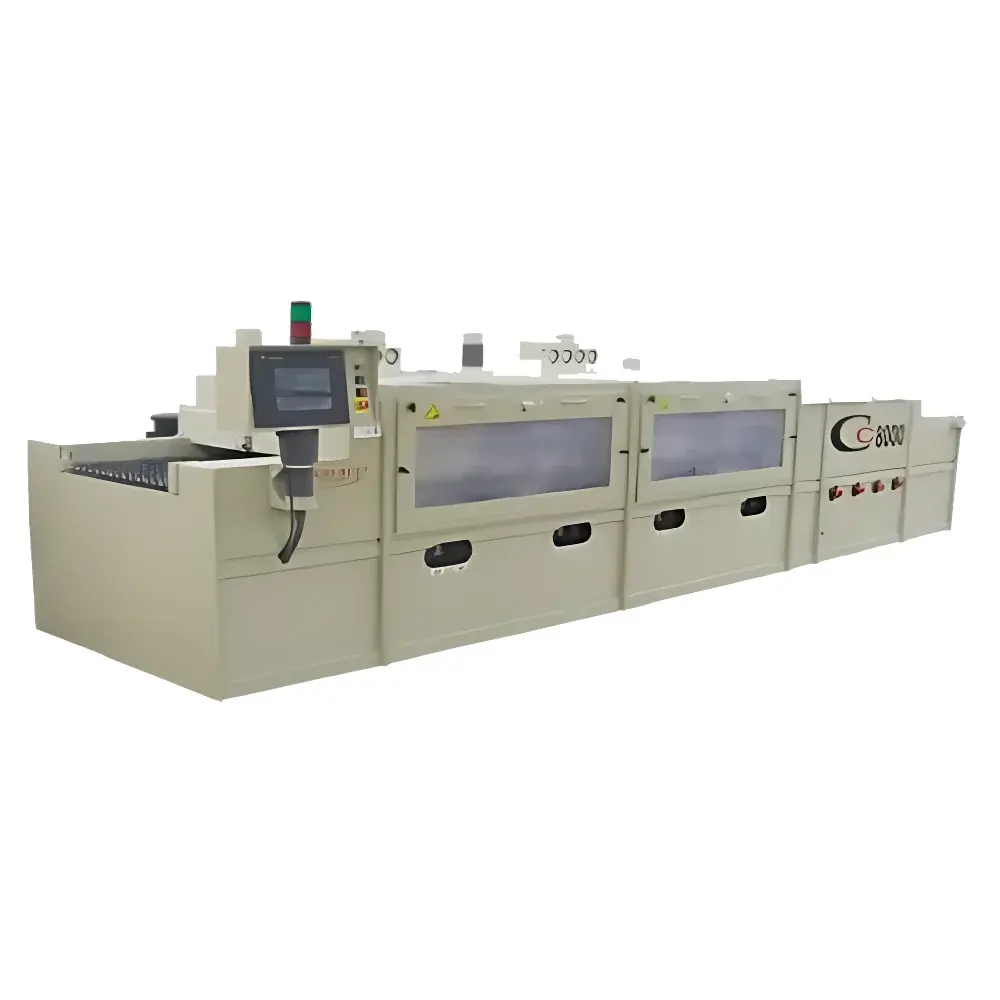
Chemcut CC8000 Horizontal Wet Etching Processing Line
| Brand | Chemcut |
|---|---|
| Model | CC8000 |
| Origin | USA |
| Equipment Type | Horizontal Conveyor-Based Wet Processing System |
| Application Scope | Semiconductor Wafers (Cu, Ti/W etching), Leadframes (QFN/BGA), IC Substrates, HDI/FPC, Display Panels (LCD/Touch), Solar Cells, Precision Metal Parts |
| Spray Manifold Design | Optimized for Uniform Chemical Delivery & High-Resolution Pattern Transfer |
| Installed Base | >700 Systems Worldwide |
| Compliance Framework | Designed for GLP/GMP-aligned cleanroom integration and ASTM F2164-compliant wet process validation |
| Software Capability | PLC-based process control with recipe management, audit trail logging, and optional 21 CFR Part 11 compliance modules |
Overview
The Chemcut CC8000 is a high-precision, horizontal conveyor-based wet processing line engineered for reproducible, particle-controlled chemical etching, development, and stripping in semiconductor front-end and advanced packaging manufacturing. It operates on the principle of controlled, high-uniformity spray delivery—rather than immersion or static bath methods—to achieve superior critical dimension (CD) control, reduced undercut, and minimized surface contamination across diverse substrates. Unlike vertical or dip-tank systems, the CC8000’s dual-sided, oscillating spray manifold architecture ensures symmetric reagent exposure on both wafer and leadframe surfaces, enabling consistent removal rates for copper, titanium, tungsten, and UBM (under-bump metallization) layers. Its modular chamber design supports multi-step sequential processing—including pre-rinse, chemical application, dwell, post-rinse, and spin-dry—within a single integrated platform, minimizing cross-contamination risk and operator intervention. The system is purpose-built for Class 100–Class 1000 cleanroom environments and integrates seamlessly into automated fab material handling systems (AMHS) via SECS/GEM protocol.
Key Features
- Horizontal conveyor architecture with independent top/bottom spray manifolds, each equipped with precision nozzles and pressure-regulated fluid delivery (30–40 bar capability for resist stripping)
- Programmable PLC-based process control with up to 99 customizable recipes, including temperature, dwell time, spray frequency, and chemical flow rate parameters
- Stainless-steel 316L wetted components and PFA/PVDF fluid paths compatible with aggressive chemistries including HF/HNO₃ mixtures, ammoniacal etchants, and high-pH strippers
- Integrated inline conductivity and pH monitoring ports for real-time bath health assessment and closed-loop replenishment control
- Modular chamber configuration supporting up to 6 process stations (e.g., developer → etch → rinse → dry), scalable to 12 stations with auxiliary modules
- Automated nozzle cleaning cycle and self-diagnostic alerts for clog detection, pressure deviation, and temperature drift
Sample Compatibility & Compliance
The CC8000 accommodates substrates ranging from 100 mm to 300 mm wafers, QFN/BGA leadframes (up to 250 mm × 300 mm), IC substrates, flexible printed circuits (FPC), and thin-film display glass (up to 600 × 700 mm). It meets mechanical and environmental requirements per SEMI S2-0216 (safety) and SEMI E10-0216 (equipment reliability). Process validation documentation supports alignment with ISO 9001 quality management systems and facilitates IQ/OQ/PQ execution per FDA guidance for medical device manufacturing. Optional audit trail functionality complies with 21 CFR Part 11 data integrity standards when paired with validated electronic signature modules.
Software & Data Management
Process execution is governed by Chemcut’s proprietary HMI interface running on an industrial-grade Windows Embedded OS. All operational parameters—including chemical lot tracking, chamber temperature logs, spray pressure history, and alarm event timestamps—are recorded with microsecond resolution. Data export is supported via CSV, OPC UA, and SQL database interfaces for integration with MES platforms such as Camstar or FactoryTalk. Batch reports include full traceability per wafer/lot ID, enabling root-cause analysis during yield excursions. Firmware updates are delivered via secure HTTPS and require cryptographic signature verification prior to installation.
Applications
- Copper RDL and redistribution layer patterning via acidic or alkaline etchants (e.g., FeCl₃, (NH₄)₂S₂O₈, or CuCl₂-based formulations)
- Ti/W barrier layer removal in bumping processes using buffered HF or plasma-assisted wet etch hybrids
- Photoresist development and high-pressure stripping (≥35 bar) for thick-film lithography in fan-out wafer-level packaging (FO-WLP)
- Half-etch and back-etch processing of QFN leadframes to achieve precise thickness control and stress relief
- Surface activation and oxide removal on silicon carbide (SiC) and gallium nitride (GaN) power devices prior to metallization
- HDI PCB and flex circuit patterning using controlled NaOH or NH₃-based alkaline etchants at elevated temperatures (up to 71°C)
FAQ
What substrate sizes does the CC8000 support?
Standard configurations handle wafers from 100 mm to 300 mm diameter and rectangular substrates up to 600 mm × 700 mm. Custom carrier adapters are available for non-standard geometries.
Is the system compatible with hydrofluoric acid (HF) chemistry?
Yes—the CC8000 offers optional HF-rated fluid path packages using PFA-lined pumps, PVDF valves, and ceramic nozzles, certified for continuous operation with HF concentrations up to 49% at temperatures ≤50°C.
Can the CC8000 be integrated into a fully automated fab environment?
It supports SECS/GEM communication, wafer ID reading via integrated barcode/RFID readers, and handshake protocols with overhead hoist transport (OHT) systems.
Does Chemcut provide process qualification support?
Yes—Chemcut offers on-site IQ/OQ execution, DOE-based etch rate optimization, and ASTM F2164-compliant uniformity mapping services for new installations.
What maintenance intervals are recommended for the spray manifold system?
Nozzle inspection and ultrasonic cleaning are recommended every 200 operational hours; full manifold calibration and seal replacement every 1,500 hours or per quarterly PM schedule.