
Aolong X-ray Radiographic Inspection System
| Brand | Aolong |
|---|---|
| Origin | Liaoning, China |
| Manufacturer Type | OEM/ODM Producer |
| Country of Origin | China |
| Model | Radiographic Film-based NDT System |
| Price Range | USD 0 – 14,500 (FOB) |
Overview
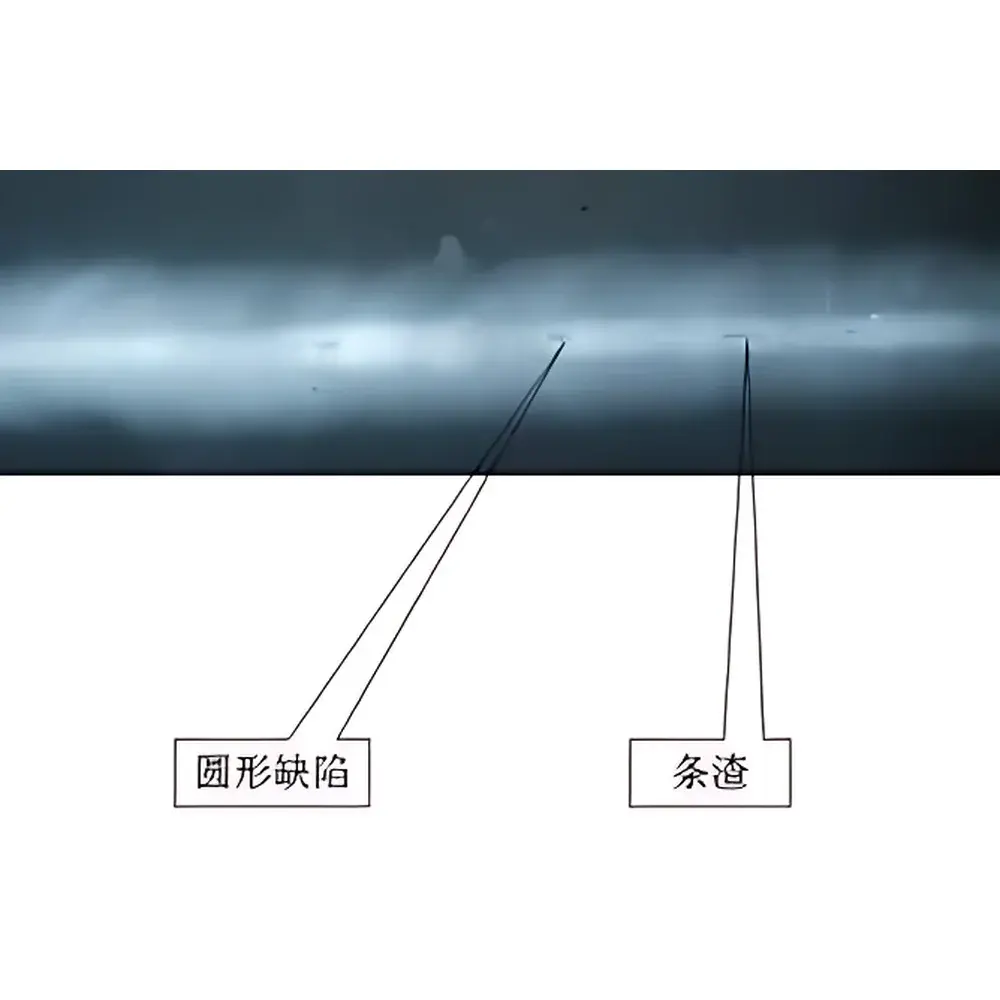
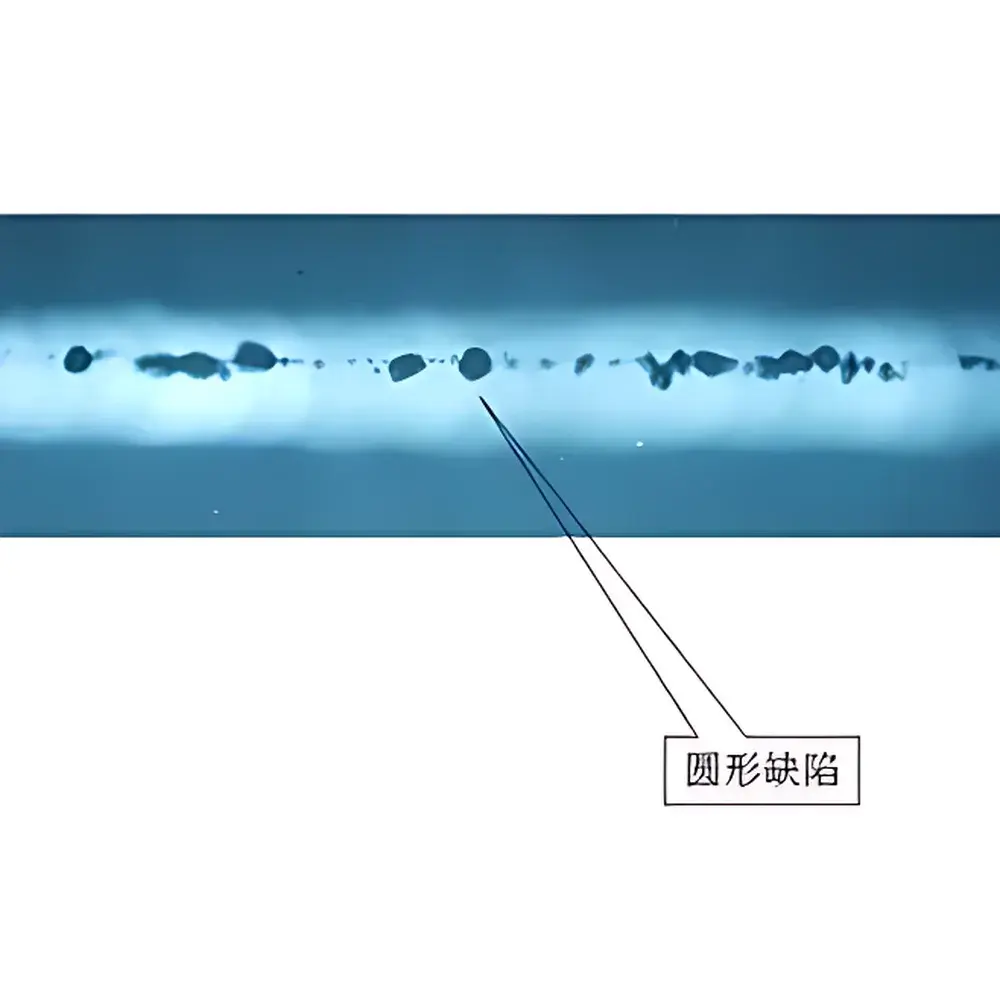
The Aolong Radiographic Film-based NDT System is a conventional X-ray radiographic inspection platform engineered for high-fidelity internal defect detection in metallic and non-metallic components. It operates on the fundamental principle of differential X-ray attenuation: when a collimated X-ray beam traverses a test object, variations in material density, thickness, and atomic number cause localized differences in radiation absorption. These spatially resolved intensity gradients are captured on industrial-grade silver-halide radiographic film, producing a permanent analog image—commonly referred to as a radiograph—that reveals volumetric discontinuities such as porosity, slag inclusions, lack of fusion, and incomplete penetration in welds.
This system is designed for static, high-resolution film radiography rather than real-time digital imaging (DR) or computed radiography (CR). Its architecture prioritizes geometric sharpness, contrast sensitivity, and repeatability under controlled exposure conditions—making it particularly suitable for QA/QC laboratories, third-party inspection agencies, and manufacturing facilities requiring archival-grade evidence compliant with long-standing radiographic standards.
Key Features
- Fixed-anode or rotating-anode X-ray generator options (kV range: 100–300 kV; mA range: 1–5 mA typical for film systems), configurable per application requirements
- Optimized focal spot size (≤1.0 mm nominal) to minimize geometric unsharpness and support ISO 17636-1 Class B sensitivity levels
- Dedicated film handling station with light-tight cassette loading, standardized film processing trays, and temperature-controlled chemical bath compartments
- Compliance-ready mechanical collimation and beam filtration (Al/Cu filters) to meet ISO 5579 and EN 462-1 requirements for beam quality and scatter control
- Robust lead-shielded exposure cabinet or portable field configuration (with interlocked safety curtains and warning lights) satisfying IEC 61331-1 radiation protection guidelines
- Integrated exposure timer with ±1% accuracy and manual/auto exposure mode selection for consistent film density control (Dmin–Dmax: 1.8–4.0)
Sample Compatibility & Compliance
The system accommodates a broad spectrum of industrial components—including welded joints (butt, fillet, T-joint), castings, forgings, pressure vessel shells, turbine blades, and composite laminates—provided dimensional constraints allow proper source-to-object and object-to-film geometry. Maximum specimen thickness capability depends on selected kV and material composition (e.g., up to 50 mm steel at 250 kV with fine-grain film).
All operational protocols align with internationally recognized radiographic testing standards: ASTM E94/E1742 (standard guide for radiographic examination), ISO 17636-1 (weld radiography—film technique), EN ISO 5579 (general principles for radiographic testing), and ASME BPVC Section V, Article 2. The system supports full traceability documentation required for ASNT Level II/III certification and ISO 9001-certified quality systems.
Software & Data Management
While primarily analog-film based, the Aolong system integrates optional digitization workflows via high-resolution film scanners (≥14-bit dynamic range, 50 µm pixel pitch) compatible with DICOM 3.0 and ASTM E2007-compliant digital archiving. Scanned radiographs may be annotated, measured, and stored within a secure, audit-trail-enabled document management system supporting FDA 21 CFR Part 11 electronic signature requirements where applicable. Film exposure logs, processing parameters (time, temperature, replenishment rates), and interpreter certifications are retained per ISO 9712 and EN 473 record retention mandates.
Applications
- Aerospace: Inspection of turbine disks, engine casings, and structural airframe welds per NAS 410 and SAE AMS 2630
- Power Generation: In-service examination of boiler tubes, piping welds, and nuclear component cladding layers
- Marine & Offshore: Certification of ship hull welds, riser connections, and subsea valve bodies to DNVGL-RP-F102 and ABS NR-234
- Heavy Machinery: Validation of cast gear housings, hydraulic cylinder barrels, and forging integrity prior to hydrostatic testing
- Infrastructure: Assessment of bridge gusset plates, rail joint welds, and post-tensioning duct integrity in civil engineering projects
FAQ
What types of defects can this system reliably detect?
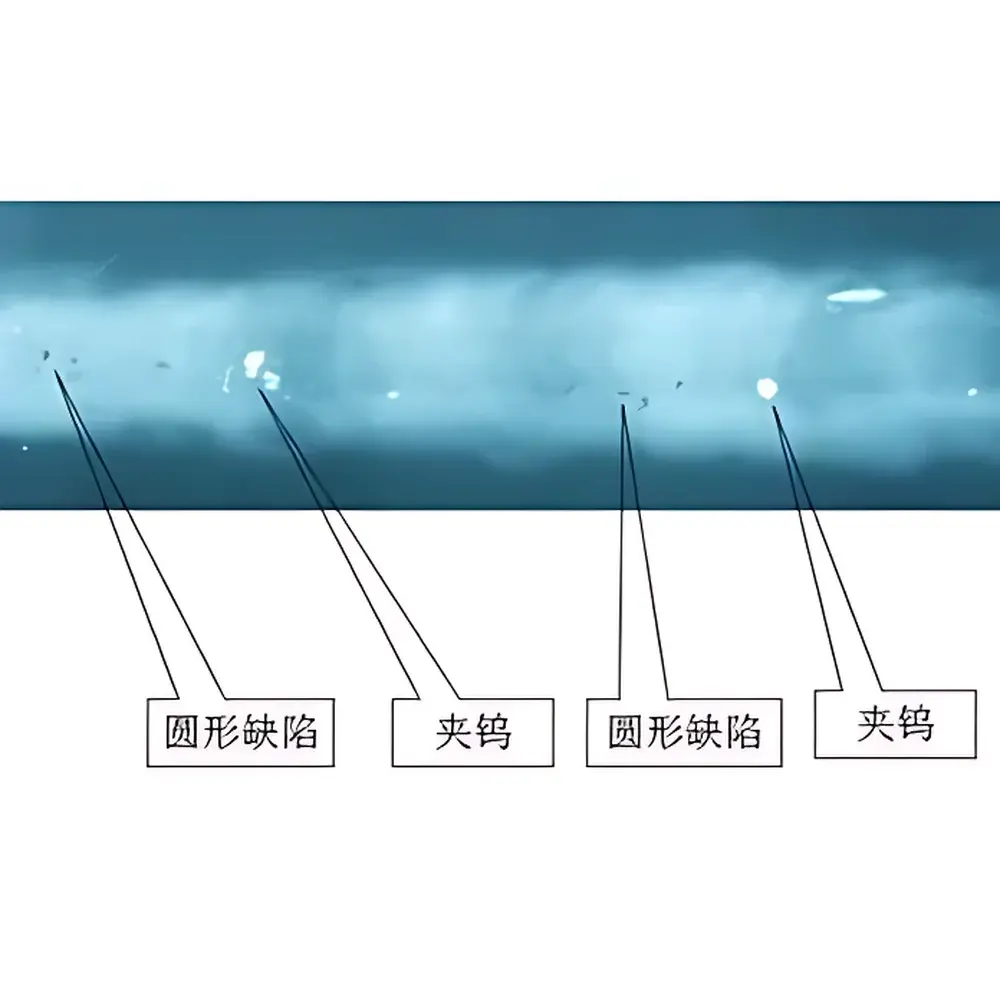
It detects volumetric discontinuities including gas pores, slag inclusions, tungsten inclusions (in GTAW), lack of sidewall fusion, root concavity, and incomplete penetration—provided they exceed the system’s sensitivity threshold (typically ≥2% thickness for Class B films per ISO 17636-1).
Is film processing automated or manual?
The base configuration includes manual film development using standardized chemistry baths; optional semi-automated processors with temperature-regulated tanks and timed agitation are available.
Does the system support international calibration and accreditation?
Yes—X-ray generator output (kV/mA), timer accuracy, and film processor performance can be verified using NIST-traceable dosimeters and step-wedge sensitometry tools compliant with ASTM E1025 and ISO 11699-1.
Can radiographs be digitally archived and shared across QA networks?
Yes—when paired with an ASTM E2007-compliant scanner and PACS-compatible viewer, digitized films support remote review, AI-assisted annotation, and integration into enterprise LIMS or QMS platforms.
What safety certifications does the equipment carry?
Standard units conform to IEC 61331-1 (radiation protection), IEC 61000-6-3 (EMC), and GBZ 131-2017 (China’s medical/industrial X-ray safety standard); CE marking is available upon request for EU market compliance.



