
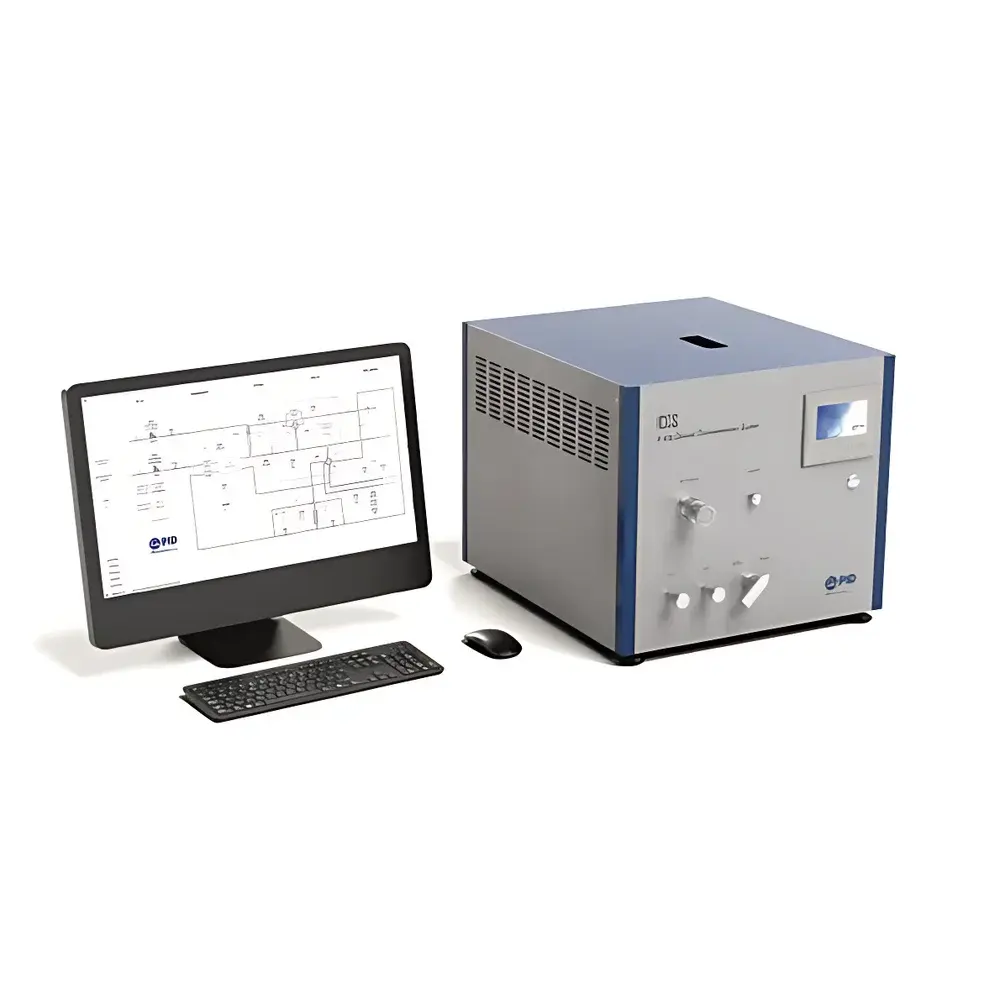
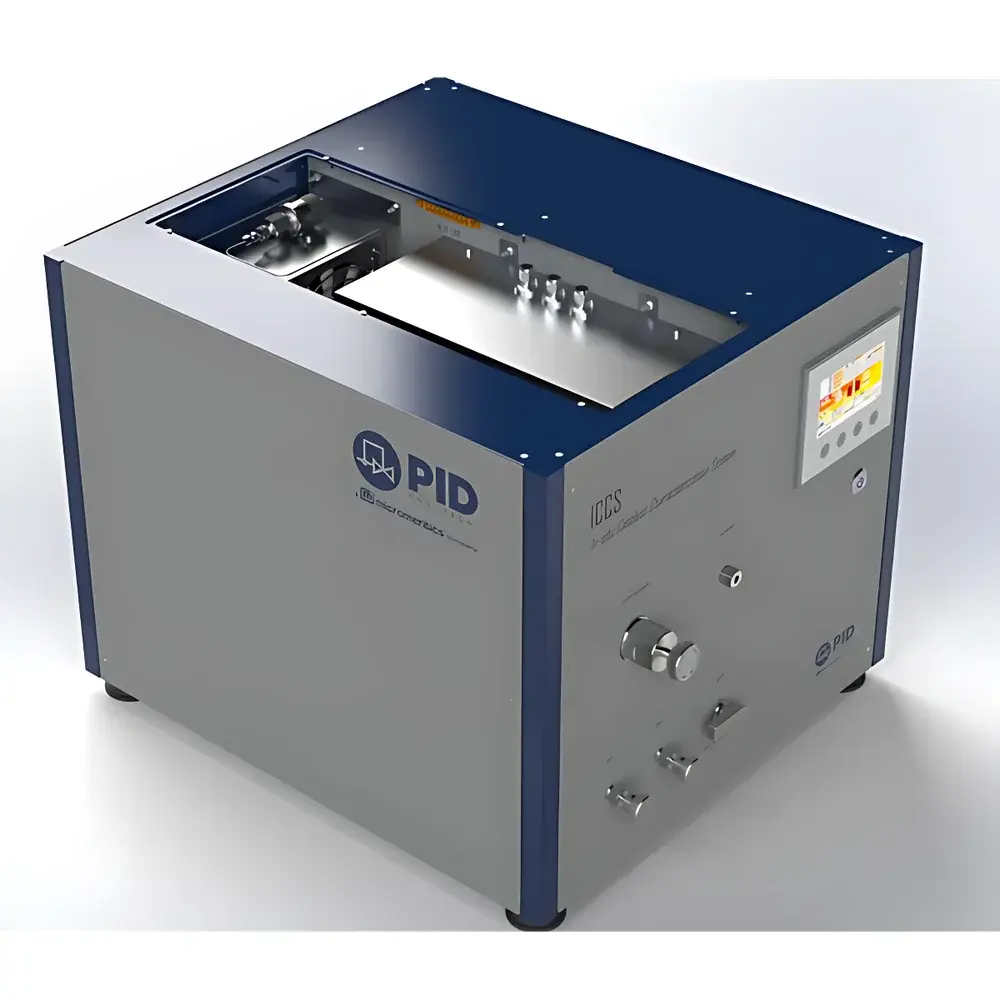
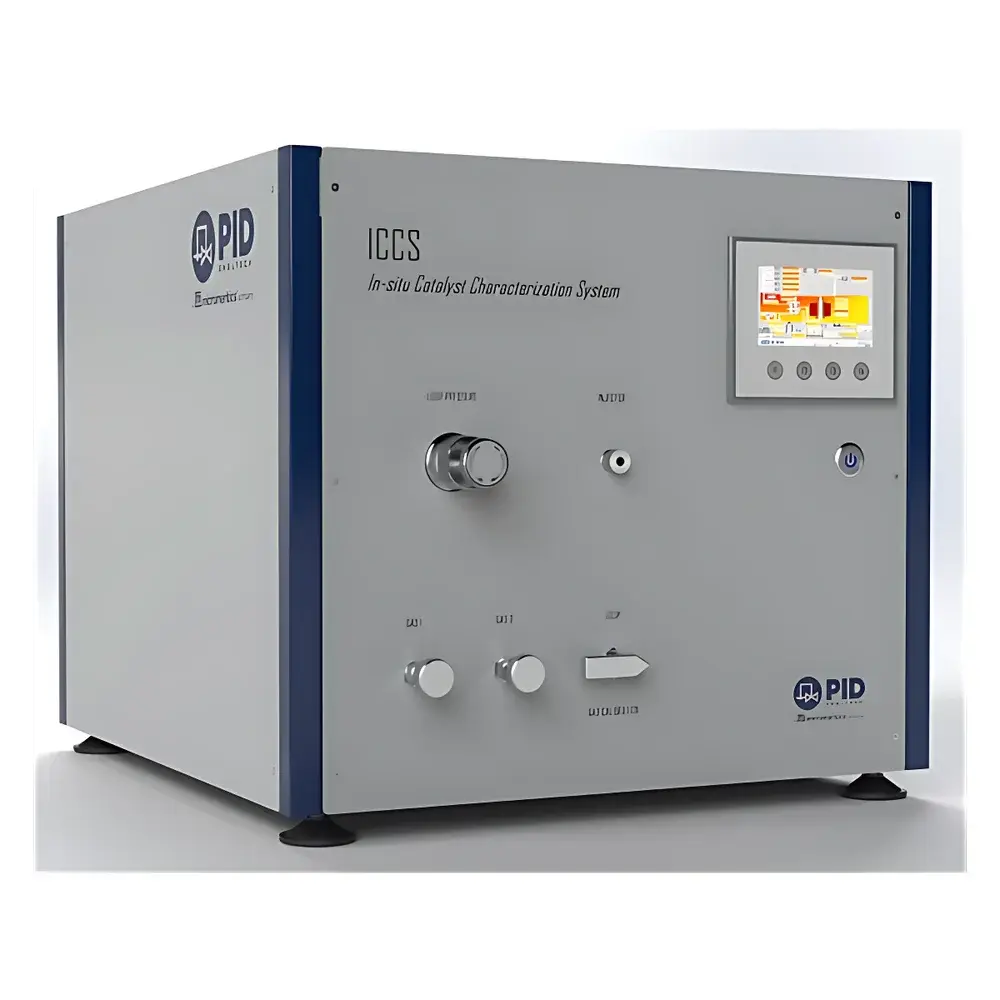
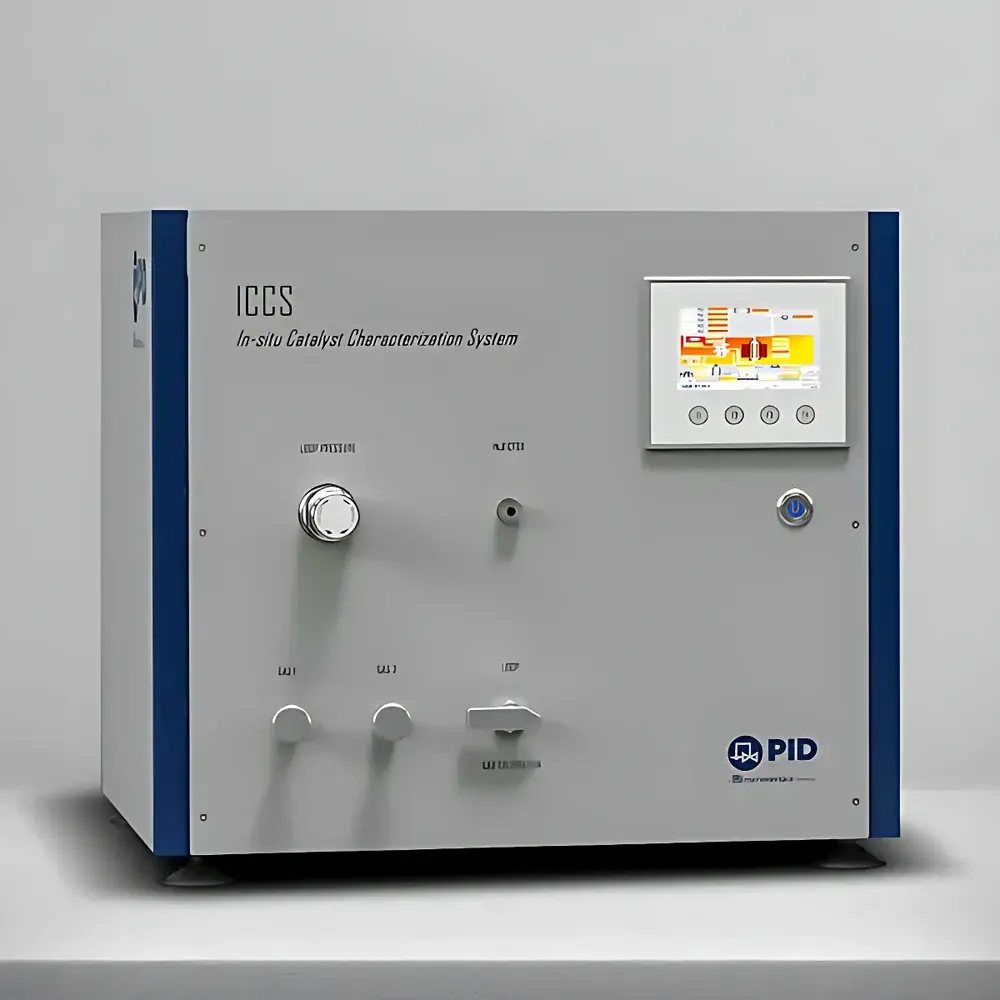
Micromeritics ICCS In-Situ Catalyst Characterization System
| Brand | Micromeritics |
|---|---|
| Origin | USA |
| Manufacturer Type | Authorized Distributor |
| Origin Category | Imported |
| Model | ICCS |
| Quotation | Upon Request |
| Operating Pressure | Up to 20 bar(g) |
| Valve Box Temperature Range | Up to 180 °C |
Overview
The Micromeritics ICCS In-Situ Catalyst Characterization System is an integrated, modular analytical platform engineered for quantitative, time-resolved characterization of heterogeneous catalysts under dynamically controlled, process-relevant reaction conditions. Built upon the foundational principles of dynamic gas-phase chemisorption and temperature-programmed techniques, the ICCS enables real-time correlation between catalytic performance metrics (e.g., conversion, selectivity) and structural–functional descriptors—most critically, active site density, dispersion, reducibility, and surface reactivity. Unlike conventional ex-situ methods requiring sample transfer, air exposure, or vacuum re-introduction, the ICCS maintains catalyst integrity by performing sequential chemisorption analyses—before reaction, during transient operation, and after deactivation or regeneration—within the same reactor tube, under inert or reactive atmospheres, without physical handling. This in-situ continuity eliminates artifacts introduced by ambient contamination (e.g., O₂ adsorption, H₂O condensation, or carbon deposition), thereby preserving surface stoichiometry and enabling statistically robust longitudinal tracking of active phase evolution.
Key Features
- Modular integration with standard microreactor systems (e.g., fixed-bed, plug-flow, or recirculating configurations) via standardized flange interfaces and gas routing manifolds.
- Dual high-precision mass flow controllers (MFCs) with digital feedback control, supporting independent regulation of up to two reactive gases (e.g., H₂, CO, O₂, NH₃) and carrier gas (He, Ar, N₂) at flow rates from 0.1 to 500 sccm.
- Integrated thermoelectric (Peltier) cold trap operating from –20 °C to +65 °C, enabling selective condensation and removal of volatile by-products—including H₂O, alcohols, or organic acids—during TPR, TPD, or TPO experiments.
- High-sensitivity thermal conductivity detector (TCD) with <10 ppm detection limit for H₂, CO, CH₄, and other permanent gases; optimized for low-dead-volume flow paths and rapid response (<100 ms).
- Valve box rated for continuous operation up to 180 °C, ensuring thermal stability of switching valves, pressure transducers, and gas lines during high-temperature ramping protocols.
- Pressure-regulated reactor environment with active back-pressure control up to 20 bar(g), compatible with gas-phase reactions involving syngas, hydrocarbons, or ammonia synthesis feedstocks.
Sample Compatibility & Compliance
The ICCS accommodates powdered, extruded, or monolithic catalyst samples (typically 0.05–0.5 g) loaded directly into quartz or stainless-steel microreactor tubes. It supports catalysts based on transition metals (Ni, Co, Fe, Pt, Pd, Rh), metal oxides (CeO₂, Al₂O₃, TiO₂, ZnO), sulfides (MoS₂, CoMo), and supported zeolites or MOFs. All wetted components comply with ASTM E2913-21 (Standard Guide for Gas Chromatography–Thermal Conductivity Detection) and ISO 18387:2016 (Heterogeneous catalyst characterization—Temperature-programmed reduction). The system architecture meets GLP documentation requirements and supports 21 CFR Part 11-compliant electronic signatures and audit trails when operated with Micromeritics’ certified software suite.
Software & Data Management
Control and data acquisition are managed through Micromeritics’ proprietary ICCS Control Suite—a Windows-based application featuring a hierarchical GUI with experiment wizards, real-time parameter visualization, and synchronized multi-channel logging (temperature, pressure, flow, TCD signal, valve status). Experimental protocols—including multi-step TPR/TPO sequences, pulse injection timing, and isothermal hold segments—are defined using drag-and-drop logic blocks. Raw chromatographic traces are processed using baseline correction, peak integration, and stoichiometric calibration modules. Export formats include CSV, ASCII, and .dx (Bruker-compatible), facilitating downstream analysis in MATLAB, Python (SciPy/NumPy), or commercial kinetic modeling platforms (e.g., Thermo-Calc, gPROMS). All datasets are timestamped, user-annotated, and stored with full metadata (gas composition, ramp rate, dwell time, purge duration) to satisfy traceability requirements for peer-reviewed publication or regulatory submission.
Applications
- Quantifying metal dispersion and active surface area via H₂ or CO pulse chemisorption before and after hydrodesulfurization (HDS) or Fischer–Tropsch synthesis cycles.
- Elucidating redox behavior of Cu/ZnO/Al₂O₃ methanol synthesis catalysts through combined TPR–TPD–TPO profiling under syngas atmospheres.
- Tracking coke formation and oxygen mobility in Ni-based dry reforming catalysts using in-situ CO₂-TPD after reaction at 750 °C and 10 bar.
- Validating regeneration efficacy of spent V₂O₅/TiO₂ SCR catalysts via sequential TPR and NH₃-TPD before and after oxidative annealing.
- Correlating acid site distribution (via NH₃-TPD) with alkane isomerization selectivity in Pt/zeolite bifunctional systems under industrially relevant pressures (15–20 bar).
FAQ
Can the ICCS be used with non-Micromeritics microreactors?
Yes—the system utilizes industry-standard Swagelok® or VCR® fittings and supports custom gas routing; compatibility requires verification of pressure rating, temperature limits, and electrical interface specifications.
Is physical adsorption (BET) functionality included as standard?
No—BET analysis requires optional integration with a dedicated Micromeritics ASAP or TriStar surface area analyzer via shared gas manifold and calibration protocols.
What is the minimum detectable change in active site density?
Under optimized conditions (e.g., H₂ chemisorption on Pt/Al₂O₃), reproducibility is ±2.5% RSD across triplicate pulses, corresponding to ~0.02 µmol/g resolution for typical loadings.
Does the ICCS support automated long-duration experiments (e.g., 72-hr stability tests)?
Yes—scheduled protocols, remote monitoring via Ethernet, and uninterruptible power supply (UPS) readiness enable unattended operation with periodic TCD calibration and purge validation.
Are safety interlocks included for high-pressure or exothermic reactions?
Standard configuration includes overpressure relief (rupture disk set at 25 bar), thermal cut-off at 200 °C, and fail-safe valve sequencing triggered by TCD saturation or pressure deviation >±5% setpoint.



