
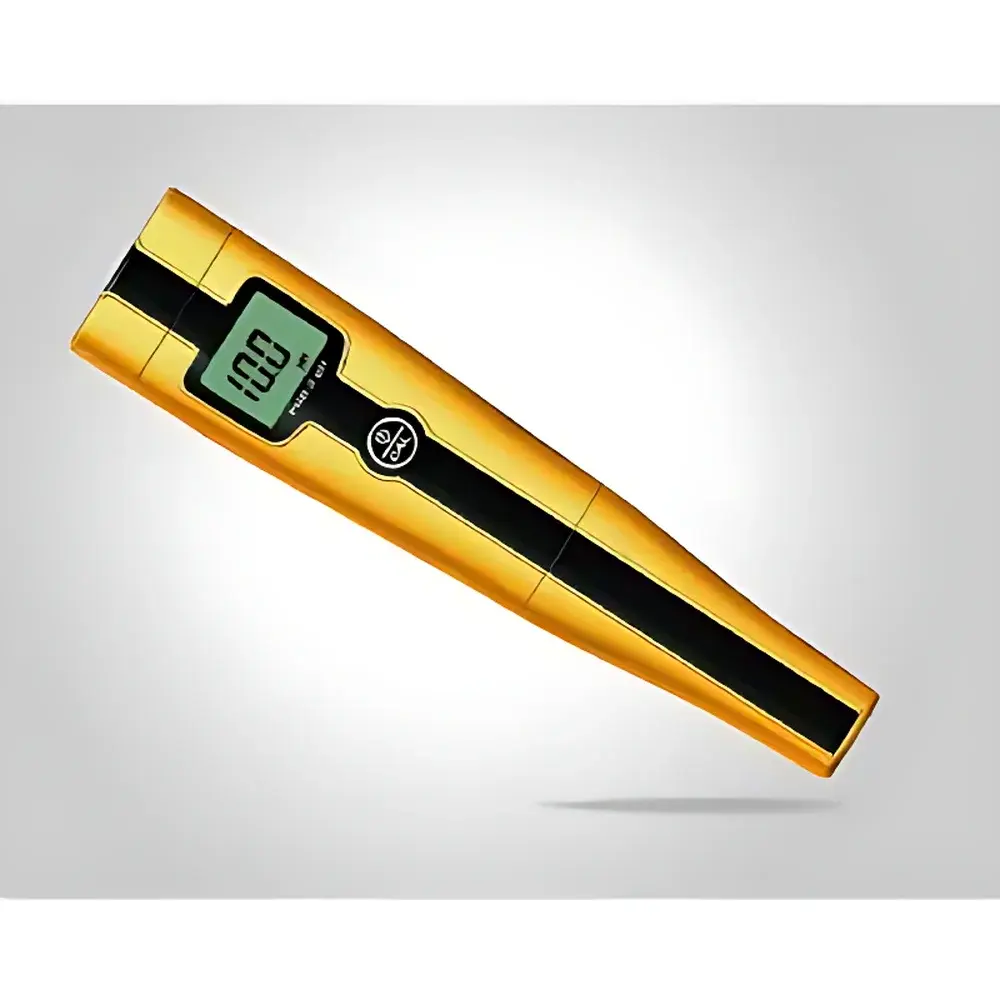
SANXIN PHB-3 Portable Pen-Style pH Meter
| Brand | SANXIN |
|---|---|
| Origin | Shanghai, China |
| Manufacturer Type | Direct Manufacturer |
| Instrument Type | Pen-Style pH Meter |
| Model | PHB-3 |
| Measurement Parameter | Single (pH only) |
| pH Range | 0.0–14.0 pH |
| Resolution | 0.1 pH |
| Accuracy | ±0.1 pH ±1 digit |
| Calibration | Single-point auto-calibration at pH 7.00 |
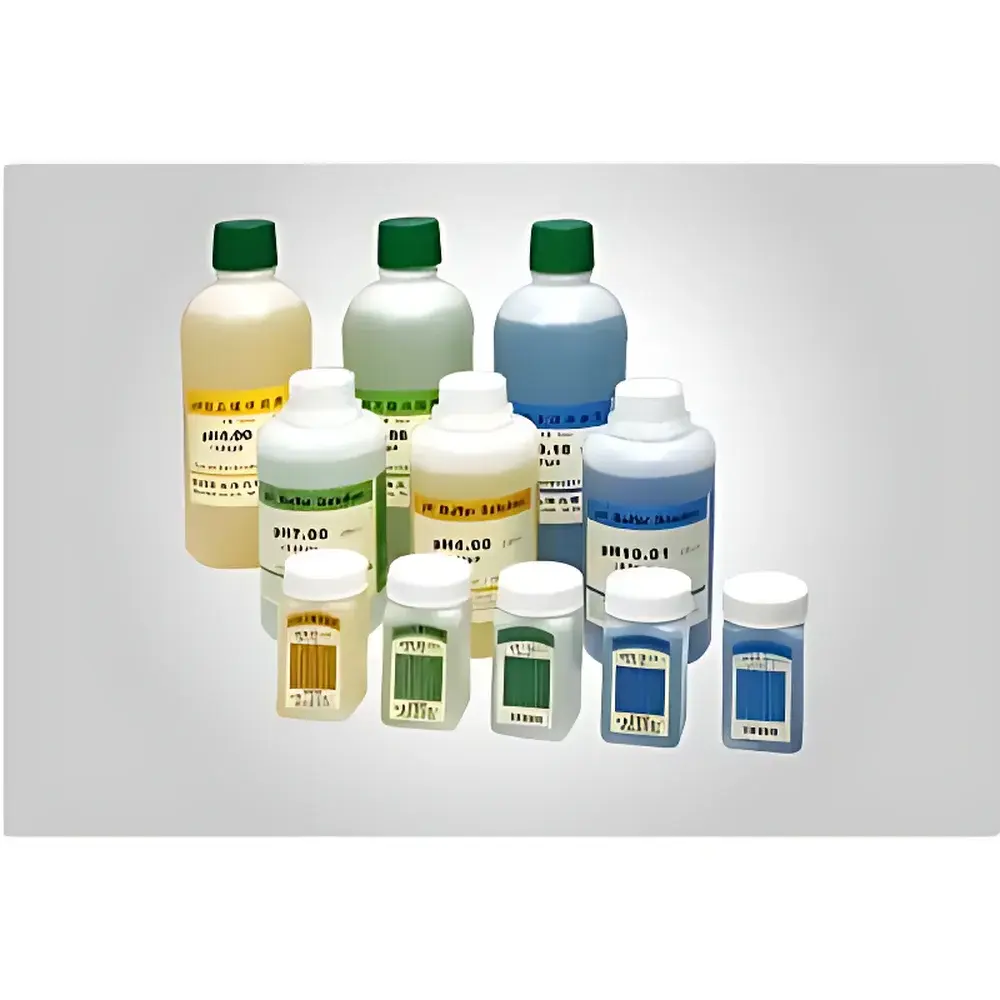
| Calibration Solution Type | USA-standard buffer |
| Temperature Compensation | None |
| Power Supply | Two AAA batteries (1.5 V × 2) |
| Dimensions | 176 × 25 × 39 mm |
| Weight | 95 g |
| IP Rating | IP57 |
| Auto Power-Off | After 10 minutes of inactivity |
| Low-Battery Indicator | Yes |
| Electrode | Replaceable 201-G plastic-body composite pH electrode (proprietary connector) |
Overview
The SANXIN PHB-3 is a compact, field-deployable pen-style pH meter engineered for rapid, reliable spot-checking of aqueous solutions across laboratory, educational, aquaculture, hydroponic, and light industrial environments. It operates on the fundamental principle of potentiometric measurement: the potential difference between a pH-sensitive glass membrane electrode and a stable reference electrode is converted into a pH value using the Nernst equation. Designed without temperature compensation, the PHB-3 assumes measurements are conducted at or near 25 °C—consistent with standard buffer calibration conditions per ASTM D1293 and ISO 10523. Its sealed, ergonomic pen form factor enables one-handed operation and immediate immersion into samples without risk of cross-contamination or handling error. The device delivers traceable, repeatable readings within its specified accuracy window (±0.1 pH ±1 digit), making it suitable for routine quality checks where high-end metrology is not required but consistency and portability are essential.
Key Features
- Single-point automatic calibration at pH 7.00 using USA-standard buffer solution—no manual slope adjustment required.
- IP57-rated enclosure provides full protection against dust ingress and immersion in water up to 1 m for 30 minutes—ideal for humid labs, outdoor ponds, or rinse-intensive workflows.
- Low-battery indicator alerts users prior to voltage drop-induced measurement drift, ensuring data integrity over extended use cycles.
- Auto power-off after 10 minutes of non-use conserves battery life; two AAA cells support >100 hours of cumulative operation under typical intermittent usage.
- Modular electrode design: compatible with the replaceable 201-G plastic-body composite pH electrode—engineered for mechanical durability and resistance to clogging in turbid or particulate-laden samples.
- Compact dimensions (176 × 25 × 39 mm) and lightweight construction (95 g) enable easy transport in lab coat pockets or field kits without compromising structural rigidity.
Sample Compatibility & Compliance
The PHB-3 is validated for direct measurement of aqueous liquids with conductivity ≥100 µS/cm and total dissolved solids (TDS) < 5000 ppm. It is not intended for non-aqueous solvents, highly viscous media, or strong oxidizing agents (e.g., concentrated chlorine solutions), which may degrade the glass membrane or reference junction. While not certified to IEC 61000-4 electromagnetic immunity standards, its analog signal path and low-power architecture minimize susceptibility to common lab-grade electrical noise. The instrument complies with general safety requirements outlined in IEC 61010-1 for electrical equipment used in laboratory environments. Buffer solutions supplied meet NIST-traceable pH certification criteria for pH 7.00 (±0.01 at 25 °C), aligning with USP and ISO 3696 Grade 3 water specifications for calibration validity.
Software & Data Management
The PHB-3 is a standalone, microprocessor-controlled instrument with no onboard memory or digital interface. All measurement data must be recorded manually. This design eliminates firmware update dependencies, cybersecurity risks, or software validation burdens—making it inherently compliant with GLP and GMP environments where audit trails are managed externally via lab notebooks or LIMS-integrated entry protocols. No computer connectivity (USB/Bluetooth) is provided, ensuring operational simplicity and long-term functional stability without obsolescence concerns related to driver compatibility or OS updates.
Applications
- Routine pH verification of drinking water, aquariums, and recirculating aquaculture systems (RAS).
- Educational demonstrations in undergraduate chemistry and environmental science laboratories.
- Quick-check monitoring of nutrient solutions in soilless cultivation (hydroponics, aeroponics).
- Pre-screening of effluent streams prior to formal titration or spectrophotometric analysis.
- Field-based assessment of surface water bodies during environmental surveys where portability and ruggedness outweigh need for temperature correction.
- QC sampling in small-scale food processing units (e.g., vinegar dilution, brine preparation) where batch consistency is verified against defined pH thresholds.
FAQ
Does the PHB-3 support two-point calibration?
No. It performs single-point auto-calibration exclusively at pH 7.00 using USA-standard buffer. Dual-point calibration is not supported due to hardware and firmware constraints.
Can the PHB-3 measure temperature?
No. It lacks an integrated temperature sensor and does not perform automatic temperature compensation (ATC). Users must ensure sample temperature is close to 25 °C for optimal accuracy.
Is the electrode replaceable, and what type is compatible?
Yes. The 201-G plastic-body composite pH electrode is specifically designed for the PHB-3 and features a proprietary plug-in connector. Replacement electrodes are available as optional accessories.
What is the expected service life of the electrode under normal use?
With proper storage in pH 4–7 buffer and regular cleaning, the 201-G electrode typically maintains performance for 6–12 months depending on sample matrix aggressiveness and frequency of use.
Does the device comply with FDA 21 CFR Part 11?
No. As a non-networked, non-data-logging instrument, the PHB-3 falls outside the scope of electronic record and signature requirements under Part 11. Its use remains fully acceptable in regulated settings when paired with controlled manual documentation practices.
Related Products






