
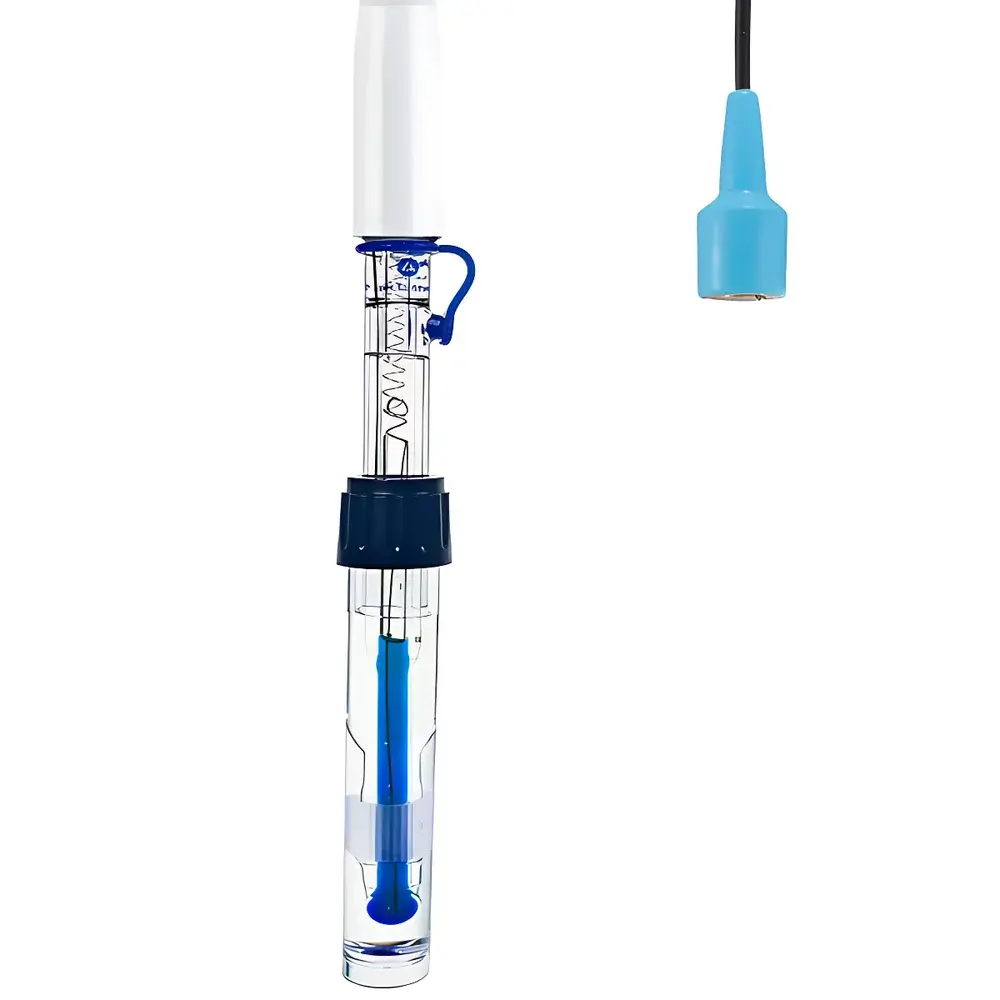
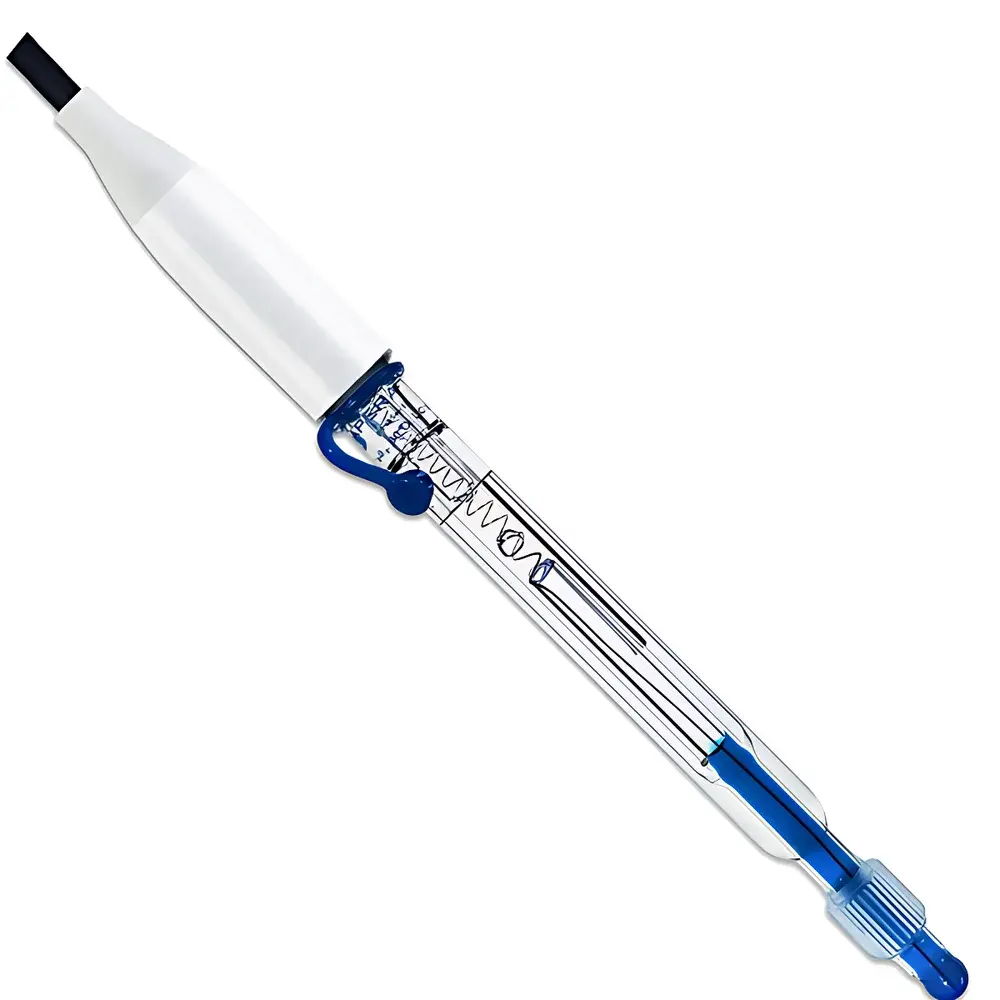
LabSen871 Non-Aqueous pH Electrode
| Brand | SANXIN |
|---|---|
| Origin | Shanghai, China |
| Manufacturer Type | Original Equipment Manufacturer (OEM) |
| Product Category | Domestic |
| Model | LabSen871 |
| Measurement Range | 1–13 pH |
Overview
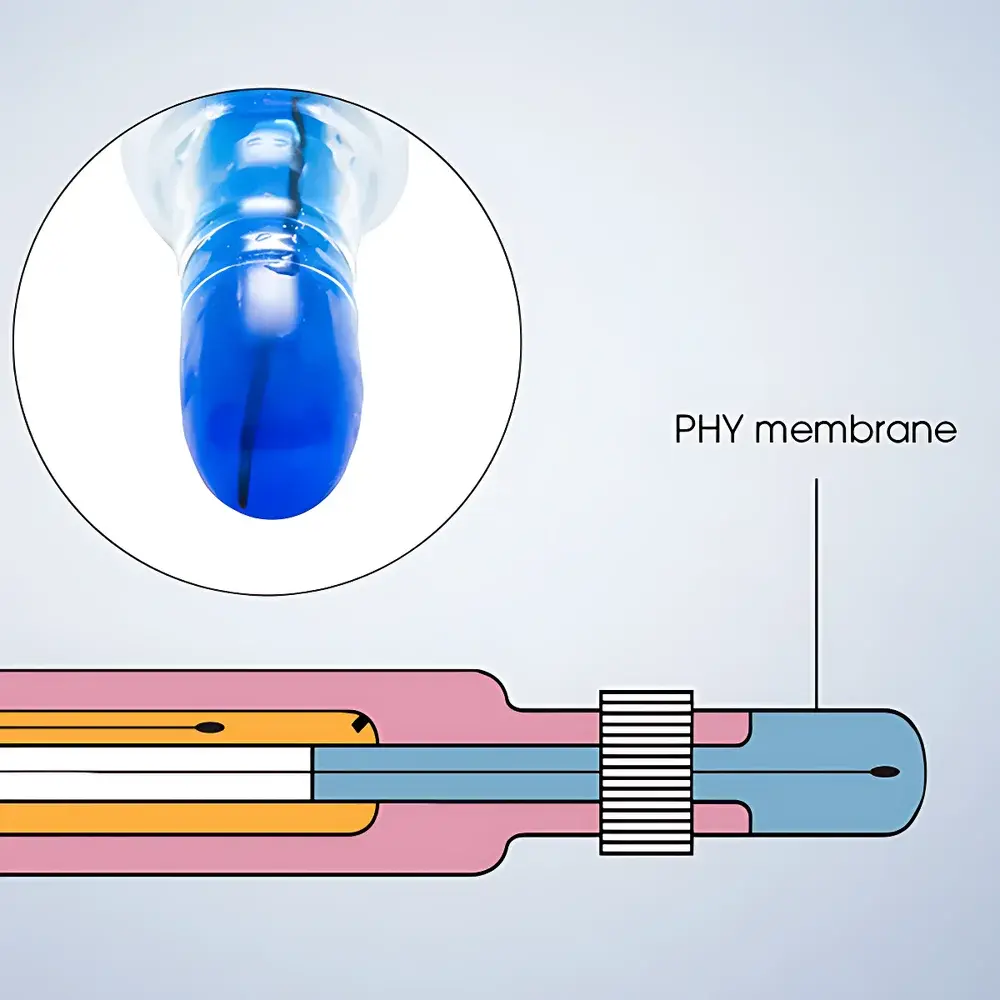
The LabSen871 Non-Aqueous pH Electrode is a purpose-engineered electrochemical sensor designed for reliable and reproducible pH measurement in low-dielectric, non-aqueous, and mixed organic-aqueous media. Unlike conventional glass pH electrodes optimized for aqueous buffers, the LabSen871 employs a proprietary thick-film glass membrane and dual-junction reference architecture to maintain thermodynamic equilibrium and stable liquid junction potential under chemically aggressive conditions. Its operational principle relies on the Nernstian response of hydrogen ions across a hydrated gel layer—preserved by PHY (Polymer-Hydrogel-Yield) membrane technology—enabling accurate potential generation even in solvents with dielectric constants below 25 (e.g., chloroform, hexane, toluene) or high-alcohol content (e.g., methanol, ethanol, isopropanol, DMSO, acetonitrile). The electrode conforms to ISO 3696 (Grade 3 water specifications for calibration), ASTM D664 (acid number titration in petroleum products), and supports GLP-compliant workflows when integrated with validated titration or meter platforms.
Key Features
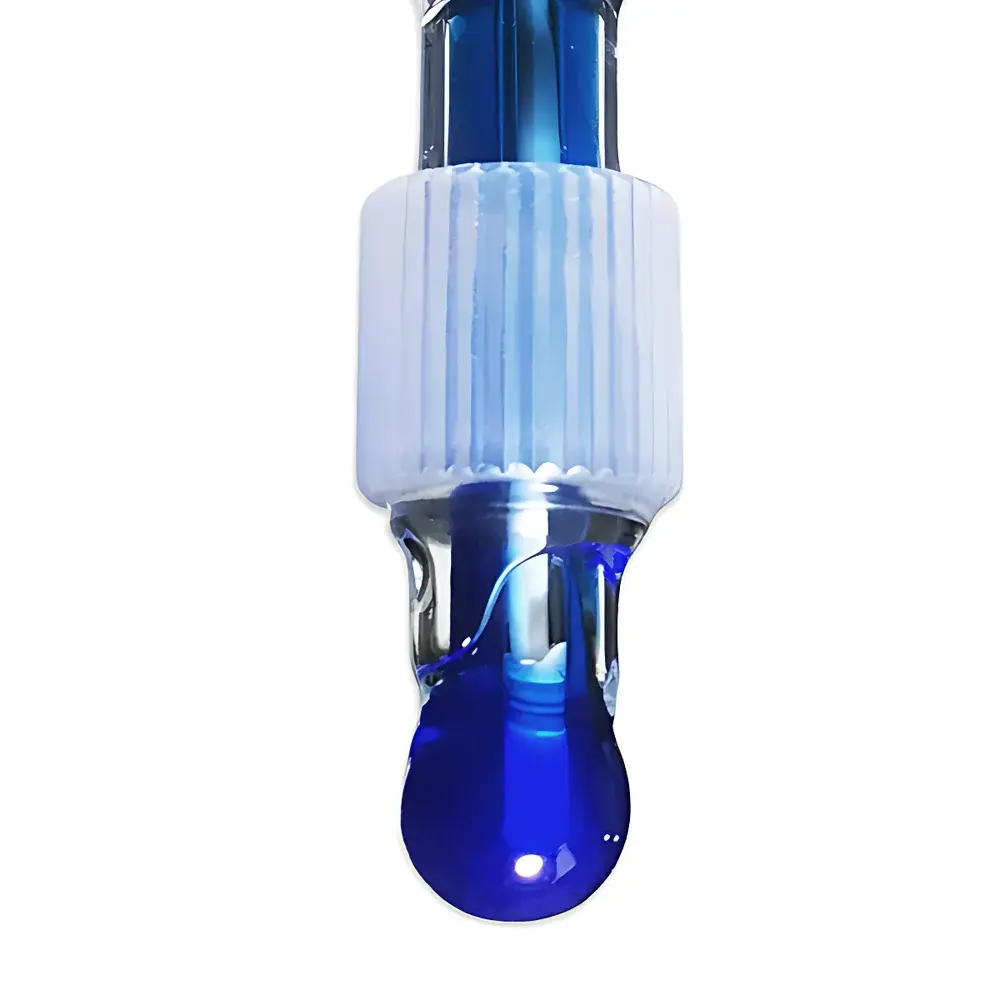
- PHY-sensitive membrane: A polymer-reinforced hydrogel barrier protects the critical hydration layer of the glass bulb from dehydration and solvent-induced leaching, ensuring sustained H⁺ sensitivity in organic media.
- Ultra-durable thick-film glass: Mechanical strength exceeds standard pH glass by >10×, minimizing fracture risk during handling or immersion in viscous or particulate-laden solvents.
- Blue gelled internal electrolyte: A thixotropic, non-flowing KCl-based gel eliminates internal convection currents and air bubble formation—critical for reducing thermal drift and improving long-term baseline stability.
- Dual-reference junction system: Features a primary fixed-junction (Ag/AgCl/KCl) and a secondary movable sleeve junction filled with 1 M KCl salt bridge solution, engineered for enhanced miscibility with organic phases and minimized liquid junction potential hysteresis.
- Optimized junction geometry: Large-surface-area sleeve design enables rapid, consistent electrolyte outflow (~1–2 µL/h), maintaining stable junction potential and reducing polarization effects during extended measurements or titrations.
Sample Compatibility & Compliance
The LabSen871 demonstrates robust performance across a broad spectrum of non-aqueous systems, including polar protic solvents (methanol, ethanol, IPA), polar aprotic solvents (acetonitrile, DMSO, DMF), and non-polar solvents (hexane, chloroform, toluene). It is compatible with common laboratory titration matrices used in pharmaceutical API analysis (per USP and ICH Q2(R2)), petrochemical acid number determination (ASTM D974, D664), and battery electrolyte characterization (IEC 62620). The electrode housing meets IP67 ingress protection standards; all wetted materials—including the sleeve, body, and reference chamber—are chemically inert to halogenated and aromatic solvents. Documentation supports traceable calibration against certified buffer standards (NIST-traceable pH 4.01, 7.00, 10.01 in 50% v/v ethanol/water mixtures).
Software & Data Management
When paired with SANXIN-compatible benchtop pH meters (e.g., SX700 series) or third-party GLP-compliant titrators (Metrohm, Mettler Toledo), the LabSen871 supports full audit trail functionality per FDA 21 CFR Part 11 requirements—including user authentication, electronic signatures, and immutable event logging. Calibration data (slope, offset, asymmetry potential) is auto-recorded and exportable in CSV or XML format. Firmware updates and electrode diagnostics (e.g., membrane resistance, junction impedance) are accessible via USB or Bluetooth-enabled host interfaces, enabling predictive maintenance and lifecycle tracking.
Applications
- Quality control of active pharmaceutical ingredients (APIs) dissolved in ethanol or isopropanol during crystallization monitoring.
- Acid-base titrations in lithium-ion battery electrolyte formulations containing ethylene carbonate/dimethyl carbonate blends.
- Stability testing of catalysts in Friedel-Crafts or Grignard reaction media.
- pH profiling of polymerization inhibitors in styrene or vinyl chloride monomer storage tanks.
- Method development for potentiometric endpoint detection in non-aqueous Karl Fischer titration.
FAQ
Can the LabSen871 be used in pure toluene without any water content?
Yes—its PHY membrane and dual-junction design enable stable potential generation even in anhydrous toluene, though calibration must be performed in matched solvent matrices.
Is it compatible with automatic titrators equipped with pH-stat modules?
Yes—mechanical and electrical interface compliance (BNC connector, 0–±1200 mV output range) ensures seamless integration with major OEM titration platforms.
How often should the movable sleeve junction be cleaned?
Rinse with appropriate solvent (e.g., acetone for hydrocarbon residues; isopropanol for polymer deposits) after each use; perform full disassembly and KCl refill every 3–6 months under continuous operation.
Does the blue gelled electrolyte require rehydration or refilling?
No—the gel is permanently sealed and non-evaporative; no maintenance or replenishment is required throughout the electrode’s service life.
What is the recommended storage condition between measurements?
Store upright in SANXIN-recommended storage solution (3 M KCl + 50% v/v ethanol) to prevent membrane drying and junction clogging.
Related Products





