Anton Paar RapidOxy Accelerated Oxidation Stability Tester
| Brand | Anton Paar |
|---|---|
| Origin | Germany |
| Manufacturer | Anton Paar GmbH |
| Type | Imported Instrument |
| Model | RapidOxy |
| Pricing | Upon Request |
Overview
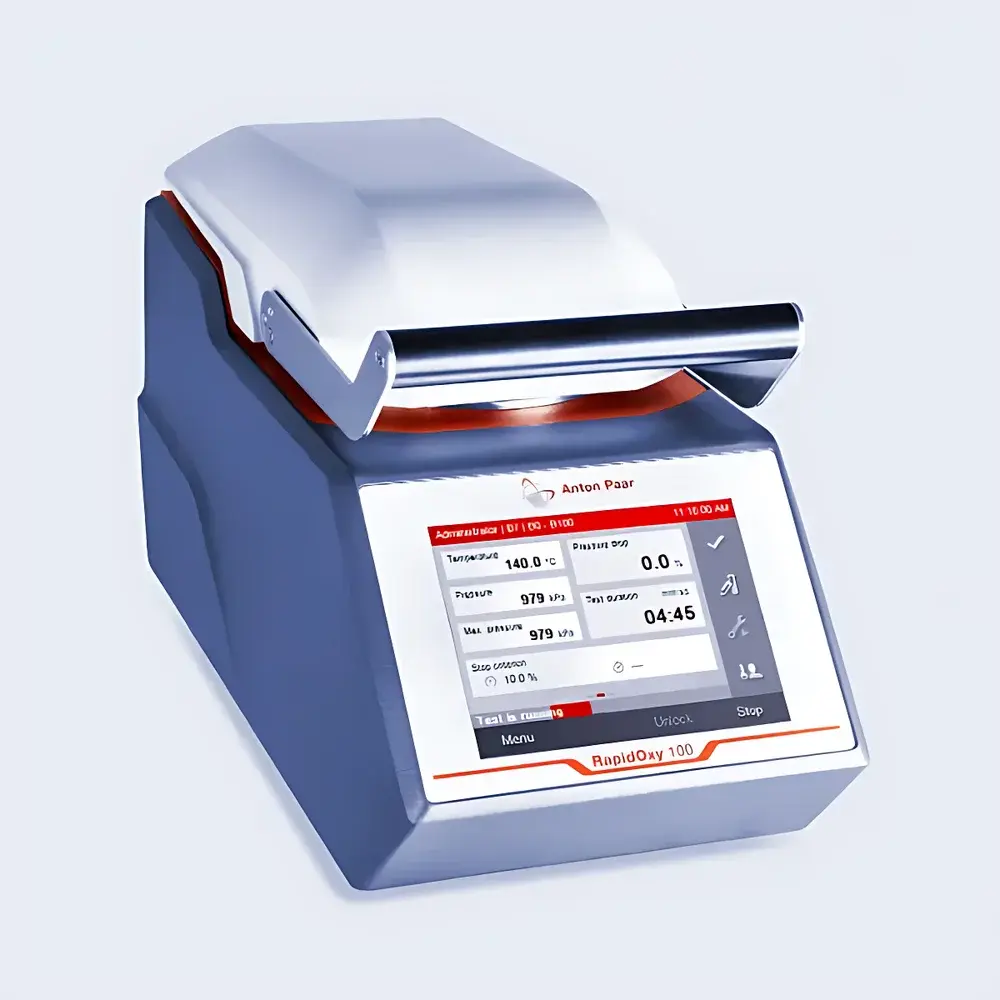
The Anton Paar RapidOxy Accelerated Oxidation Stability Tester is a benchtop, pressure-based analytical instrument engineered for the rapid, reproducible assessment of oxidative stability in diverse organic matrices. It operates on the principle of accelerated oxidation under controlled elevated temperature and pressurized oxygen atmosphere (typically 3.5–7.0 MPa), enabling real-time monitoring of oxygen consumption via high-precision pressure decay measurement within a sealed, thermostatically regulated reaction chamber. Unlike conventional methods requiring solvent extraction or derivatization, RapidOxy delivers direct, sample-in–result-out analysis—eliminating preparative steps and minimizing analyst intervention. The primary output, the Induction Period (IP), is defined as the elapsed time from test initiation until a user-specified pressure drop threshold is reached, providing a quantitative, kinetic metric of resistance to oxidative degradation. This IP value correlates strongly with shelf-life performance and antioxidant efficacy across food, cosmetic, and lubricant formulations.
Key Features
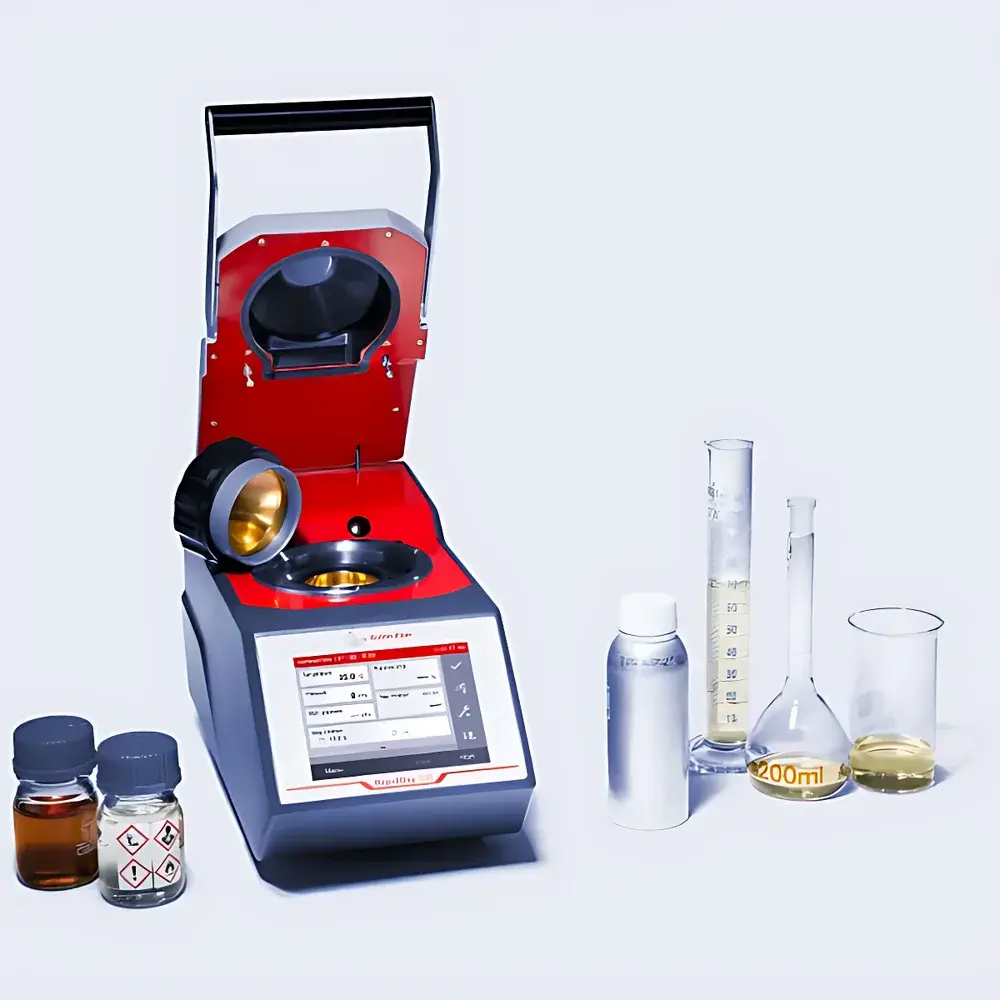
- Patented Peltier-controlled stainless-steel reaction cell with ±0.1 °C temperature stability over the operational range (25–200 °C)
- Integrated safety enclosure certified by the German Federal Institute for Materials Research and Testing (BAM) for Class I explosive atmospheres (ATEX Zone 0 compliance)
- Automated oxygen pressurization system with digital pressure regulation and leak-tight sealing verification
- Low sample requirement: 3–5 mL for liquids; 1–3 g for solids or semi-solids—no solvent extraction needed
- Rugged, chemically inert cell construction enables rapid cleaning and cross-contamination minimization between runs
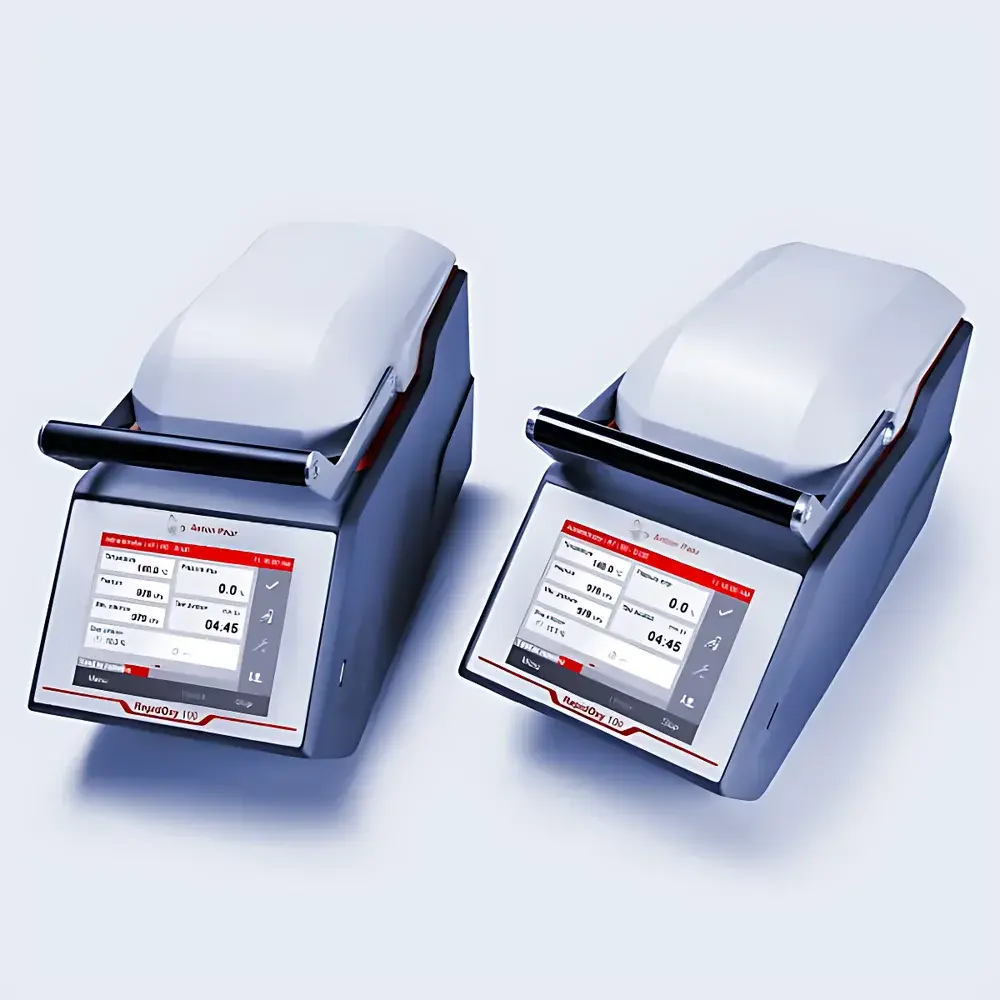
- Plug-and-play hardware interface with intuitive touchscreen control and real-time pressure/time curve visualization
Sample Compatibility & Compliance
RapidOxy accommodates heterogeneous sample forms—including edible oils, animal fats, margarines, mayonnaise, baked goods, lip balms, hand creams, emulsions, and industrial lubricants—without phase separation or pre-treatment. Its design adheres to internationally recognized testing frameworks: it supports method development aligned with ASTM D7545 (Standard Test Method for Oxidative Stability of Lubricants by Rapid Small-Scale Oxidation Tester), ISO 12283 (Petroleum products — Determination of oxidation stability of lubricating oils), and principles referenced in USP and EU Cosmetics Regulation (EC) No 1223/2009 for stability-indicating assessment. All pressure and temperature data are timestamped and logged with audit-trail capability, satisfying GLP and GMP documentation requirements per FDA 21 CFR Part 11 when used with validated OxyLogger software configurations.
Software & Data Management
The instrument is operated exclusively via OxyLogger software—a Windows-based application delivering full test lifecycle management. Functions include customizable method templates (temperature ramp profiles, target pressure setpoints, pressure drop thresholds), automated IP calculation with derivative-based inflection point detection, comparative overlay of multiple curves, and export of raw data (CSV, PDF, XML) compliant with LIMS integration protocols. Software validation packages (IQ/OQ/PQ documentation) are available upon request for regulated environments. Data integrity safeguards include electronic signatures, role-based access control, and immutable audit logs recording all user actions, parameter changes, and calibration events.
Applications
- Shelf-life prediction of edible oils and fat-containing foods under accelerated aging conditions
- Screening and dose-response evaluation of natural and synthetic antioxidants (e.g., tocopherols, BHA/BHT, rosemary extract)
- Quality control of incoming raw materials (e.g., crude palm oil, fish oil concentrates) against oxidation specifications
- Formulation optimization for cosmetics containing unsaturated lipids or active botanicals susceptible to rancidity
- Stability benchmarking of packaging systems (e.g., headspace oxygen permeability impact on product IP)
- Regulatory submission support for oxidative stability claims in food labeling and cosmetic safety dossiers
FAQ
What is the typical measurement range for induction period (IP) on RapidOxy?
IP values span from 100 hours (highly stabilized formulations), depending on temperature, oxygen pressure, and inherent sample composition.
Can RapidOxy be used for aqueous emulsions such as salad dressings or dairy-based products?
Yes—provided the continuous phase is oil-based and water content remains below ~5 wt%, as excessive free water may interfere with pressure signal fidelity and thermal homogeneity.
Is method transfer possible between RapidOxy and traditional Rancimat or OSI instruments?
While absolute IP values are not directly interchangeable due to fundamental differences in oxygen exposure geometry and mass transfer dynamics, strong rank-order correlation has been demonstrated across laboratories for relative stability comparisons.
Does the system require external gas supply or compressed air?
It requires a dedicated, oil-free, dry oxygen supply (≥99.5 % purity) at minimum 10 bar inlet pressure; no compressed air or auxiliary gases are needed.
How frequently must the pressure transducer be calibrated?
Anton Paar recommends annual calibration traceable to national standards; built-in zero-point verification is performed automatically prior to each test sequence.