
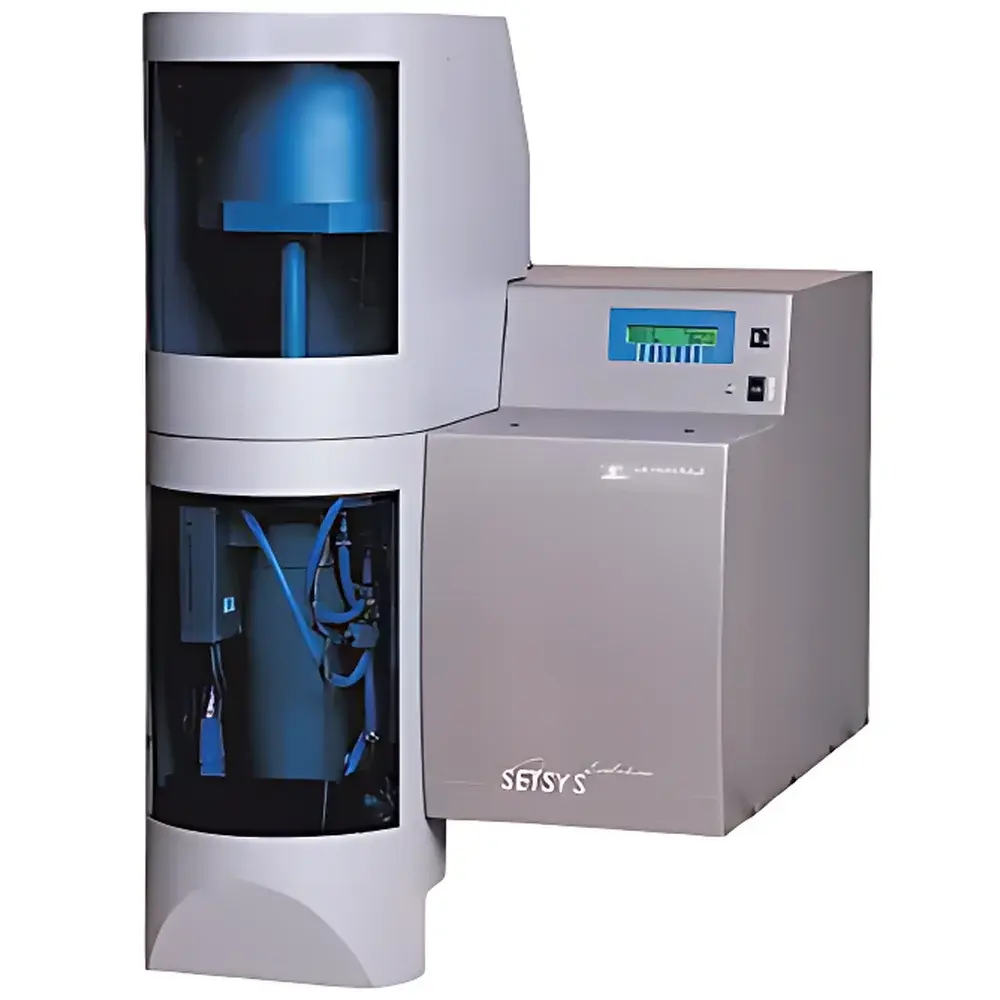
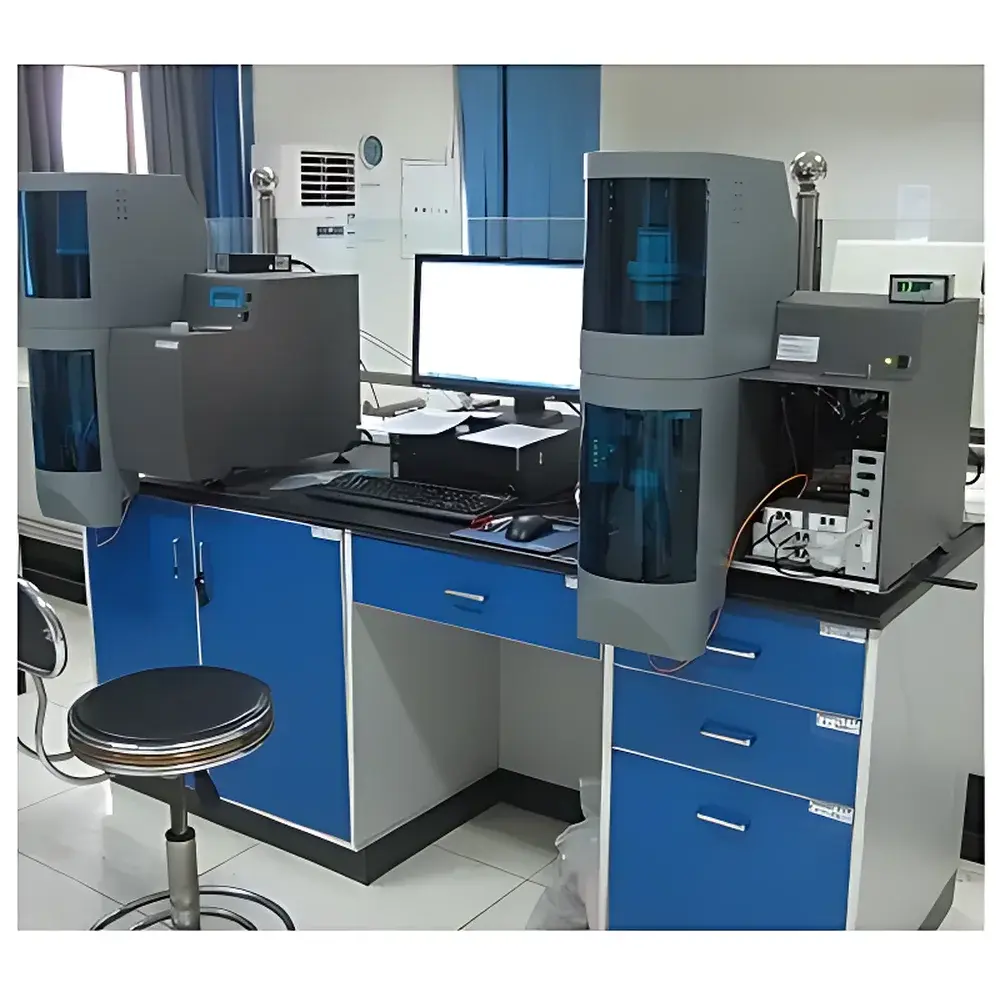
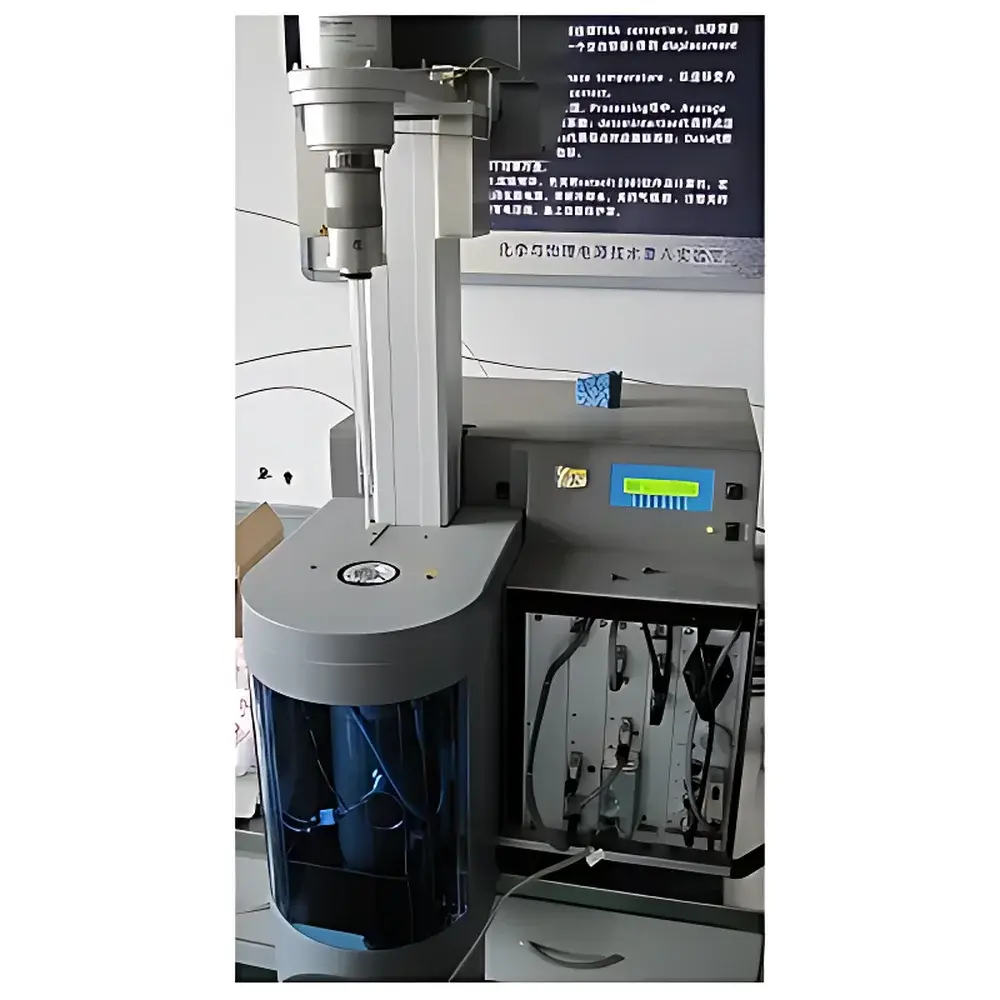
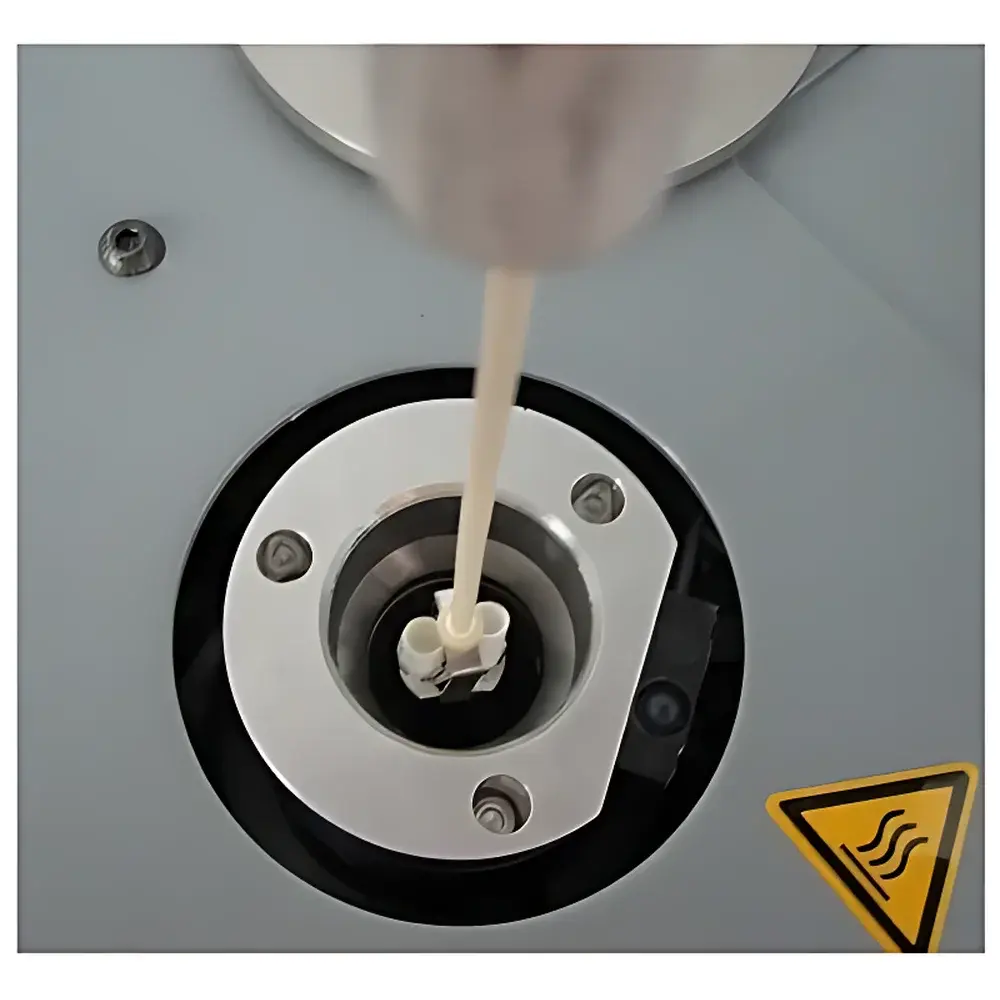
SETARAM Setsys Evo16/18/24 High-Temperature & Ultra-High-Temperature Simultaneous Thermal Analyzer
| Brand | SETARAM |
|---|---|
| Origin | France |
| Model | Setsys Evo16 / Evo18 / Evo24 |
| Temperature Range | –150 °C to 1750 °C (upgradable to 2400 °C) |
| Heating Rate | 0–100 K/min (full range) |
| Max. TG Sample Capacity | 35 g / 100 g |
| TG Resolution | 0.002 µg / 0.02 µg |
| TG Baseline Repeatability | <10 µg (RT to 1750 °C) |
| DSC Resolution | 1 µW |
| DTA Resolution | 0.4 µW |
| Gas Channels | 3 carrier + 1 auxiliary/reactive gas, all MFC-controlled |
| Atmosphere Options | Inert, oxidative, reductive, steam, corrosive gases |
| Vacuum Level | ≤1×10⁻⁴ mbar |
| EGA Compatibility | MS, FT-IR, GC interfaces standard |
Overview
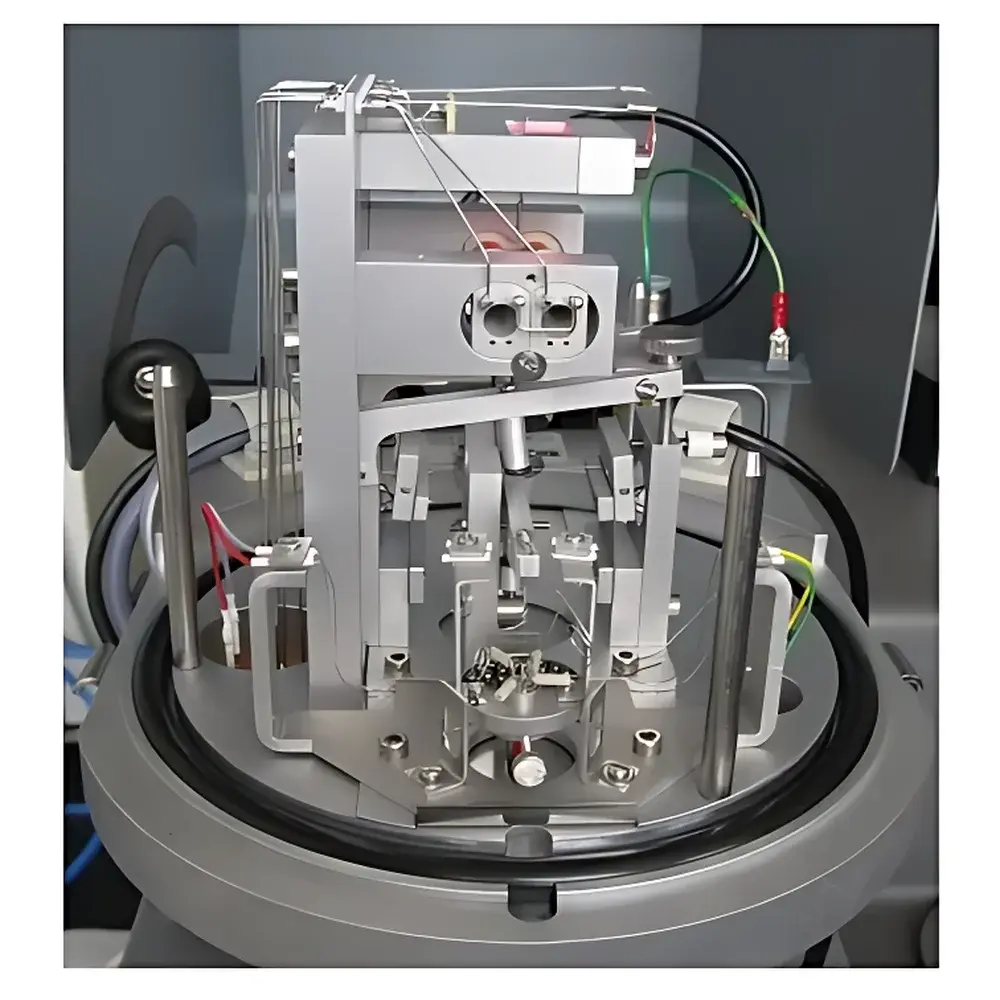
The SETARAM Setsys Evo16/18/24 is a high-precision simultaneous thermal analyzer engineered for extreme temperature operation—from cryogenic conditions at –150 °C up to ultra-high temperatures of 2400 °C—without requiring furnace exchange. Based on the proprietary suspended-sensor architecture and top-mounted optical balance design, it delivers exceptional baseline stability and reproducibility in both thermogravimetric (TG) and differential thermal analysis (DTA/DSC) modes. Unlike conventional systems relying on electromagnetic or strain-gauge balances, the Setsys Evo employs a patented photoelectric microbalance that eliminates thermal drift, eliminates the need for water-bath stabilization or extended preheating, and maintains sub-microgram resolution across the entire temperature range. Its monolithic furnace incorporates integrated water cooling, enabling sustained operation at peak temperatures with minimal thermal gradient distortion and long-term signal integrity. This architecture supports true simultaneous measurement of mass change, heat flow, and temperature difference under rigorously controlled atmospheres—making it indispensable for fundamental research and industrial development in metallurgy, advanced ceramics, catalysis, nuclear materials, and high-temperature corrosion science.
Key Features
- Single-furnace platform covering –150 °C to 2400 °C with seamless calibration continuity
- Suspended-sensor design with top-mounted optical balance: TG baseline noise <0.03 µg, baseline repeatability <10 µg over full temperature range
- Modular sensor interchangeability: plug-and-play DTA, DSC, TMA, and TGA–DSC/DTA hybrid modules
- Triple thermocouple DTA probe offering superior sensitivity and signal-to-noise ratio vs. conventional single-junction sensors
- Corrosion-resistant DTA probe compatible with aggressive atmospheres including H₂S, SO₂, NH₃, and humidified reactive gases
- Integrated safety system certified for hydrogen atmosphere operation (ATEX-compliant gas handling, pressure relief, leak detection)
- Four-channel gas delivery: three independently controlled carrier gases plus one auxiliary/reactive gas, all regulated via mass flow controllers (MFCs) with software-defined mixing ratios
- Standard high-vacuum capability (≤1×10⁻⁴ mbar) with bake-out functionality and hermetic sealing for ultra-low background EGA studies
- Native interface for evolved gas analysis (EGA): direct coupling to quadrupole mass spectrometers (QMS), Fourier-transform infrared spectrometers (FT-IR), and gas chromatographs (GC) via heated transfer lines
- Optional Wetsys humidity generator integration for precise RH control (1–95% RH) during thermal aging or hydration/dehydration studies
Sample Compatibility & Compliance
The Setsys Evo accommodates diverse sample geometries—including powders, pellets, fibers, thin films, and bulk metallic specimens—within crucibles of varying composition (alumina, platinum, tungsten, graphite, silicon carbide) and volume (up to 100 g). Its robust mechanical design and inert/refractory internal construction ensure compatibility with highly reactive, volatile, or corrosive samples under oxidizing, reducing, steam-rich, or halogen-containing atmospheres. The system conforms to ISO 11358 (polymer thermogravimetry), ASTM E1131 (composition analysis by TGA), ASTM E1269 (heat capacity by DSC), and ISO 17225 (solid biofuel characterization). For regulated environments, firmware supports 21 CFR Part 11-compliant audit trails, electronic signatures, and role-based access control when operated with SETARAM’s CALISTO software suite. All gas-handling components meet PED 2014/68/EU and EN 13445 standards; vacuum components comply with ISO 2861.
Software & Data Management
CALISTO v5.x provides full instrument control, real-time data acquisition, and advanced post-processing—including derivative thermogravimetry (DTG), peak deconvolution, kinetic modeling (Friedman, Ozawa–Flynn–Wall, Kissinger–Akahira–Sunose), and multi-step reaction simulation. Raw data are stored in vendor-neutral HDF5 format with embedded metadata (sample ID, operator, atmospheric conditions, calibration history). The software includes built-in compliance tools for GLP/GMP workflows: electronic lab notebook (ELN) export, automated report generation (PDF/Excel), and secure database archiving with versioning. Remote monitoring and diagnostics are supported via TLS-encrypted HTTP API, enabling integration into centralized laboratory information management systems (LIMS).
Applications
- Oxidation kinetics and scale adhesion analysis of Ni-based superalloys and refractory metals under air/O₂/H₂O mixtures
- Thermal stability and phase transformation mapping of SiC/Si₃N₄ composites and MAX-phase ceramics
- Catalyst decomposition pathways and active-site evolution in Fischer–Tropsch and ammonia synthesis catalysts
- Decomposition thermodynamics and gas evolution profiles of energetic materials and propellants
- Hydration/dehydration mechanisms in cementitious systems and MOFs under controlled RH
- Reductive sintering behavior of metal oxide precursors in H₂/Ar atmospheres
- High-temperature corrosion resistance evaluation of coatings exposed to SO₂–O₂–H₂O flue gas simulants
- Quantitative speciation of evolved gases from battery cathode degradation (e.g., O₂, CO₂, HF, PF₅) via coupled TGA–MS
FAQ
What is the maximum operating temperature without furnace replacement?
The Setsys Evo achieves continuous operation from –150 °C to 2400 °C using a single, water-cooled furnace assembly—no manual furnace swapping required.
Can the system perform quantitative evolved gas analysis (EGA)?
Yes: standardized heated transfer lines (up to 300 °C) and pressure-matched interfaces enable direct coupling to QMS, FT-IR, or GC for time-resolved, species-specific quantification of off-gases.
Is the optical balance susceptible to vibration or acoustic interference?
No: the photoelectric balance is mechanically isolated within a rigid, damped sensor housing and features active drift compensation algorithms—validated per ISO 16840 for vibration immunity in shared laboratory environments.
How is hydrogen safety ensured during high-temperature testing?
The system integrates redundant safety layers: explosion-proof gas manifold, automatic H₂ cutoff valves triggered by pressure/leak sensors, purge interlocks, and real-time H₂ concentration monitoring via integrated thermal conductivity detector (TCD).
Does the system support ASTM E1641 for oxidation onset temperature determination?
Yes: CALISTO includes preconfigured method templates compliant with ASTM E1641, including automatic baseline correction, tangent intersection algorithms, and uncertainty propagation reporting.



