
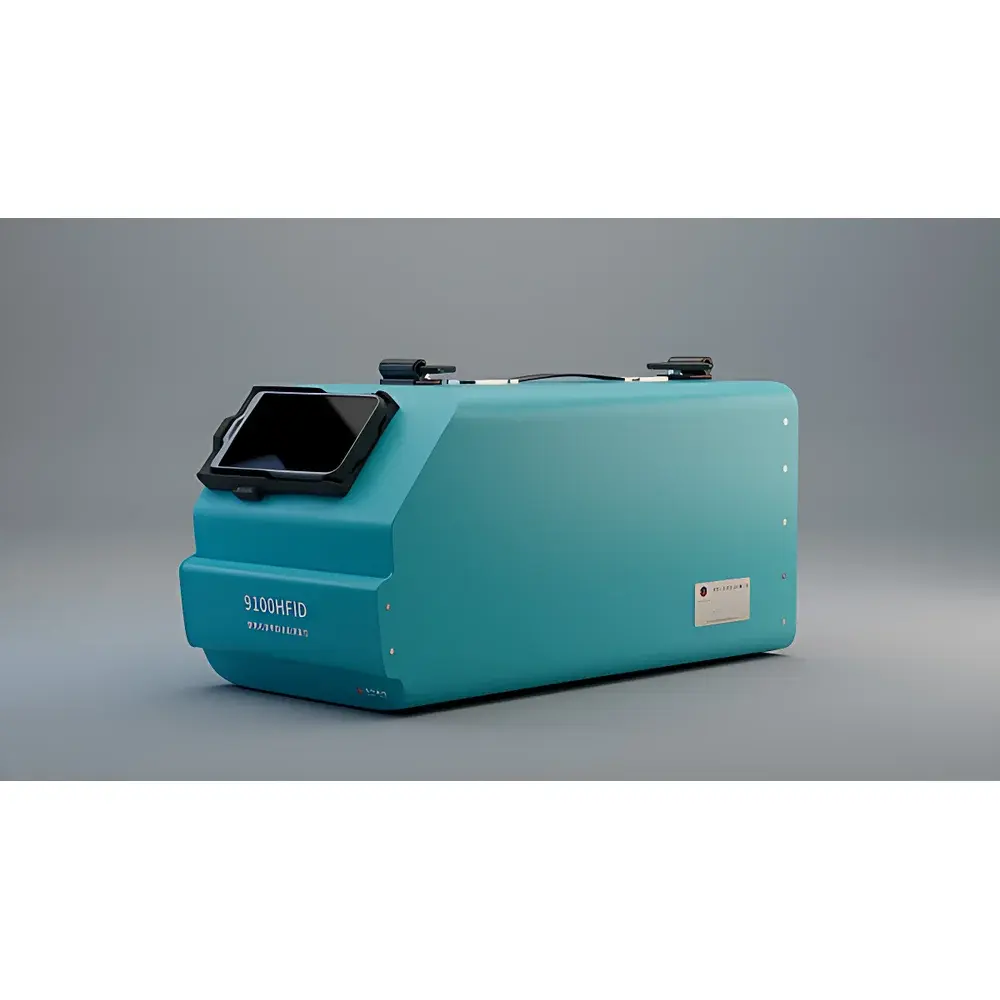
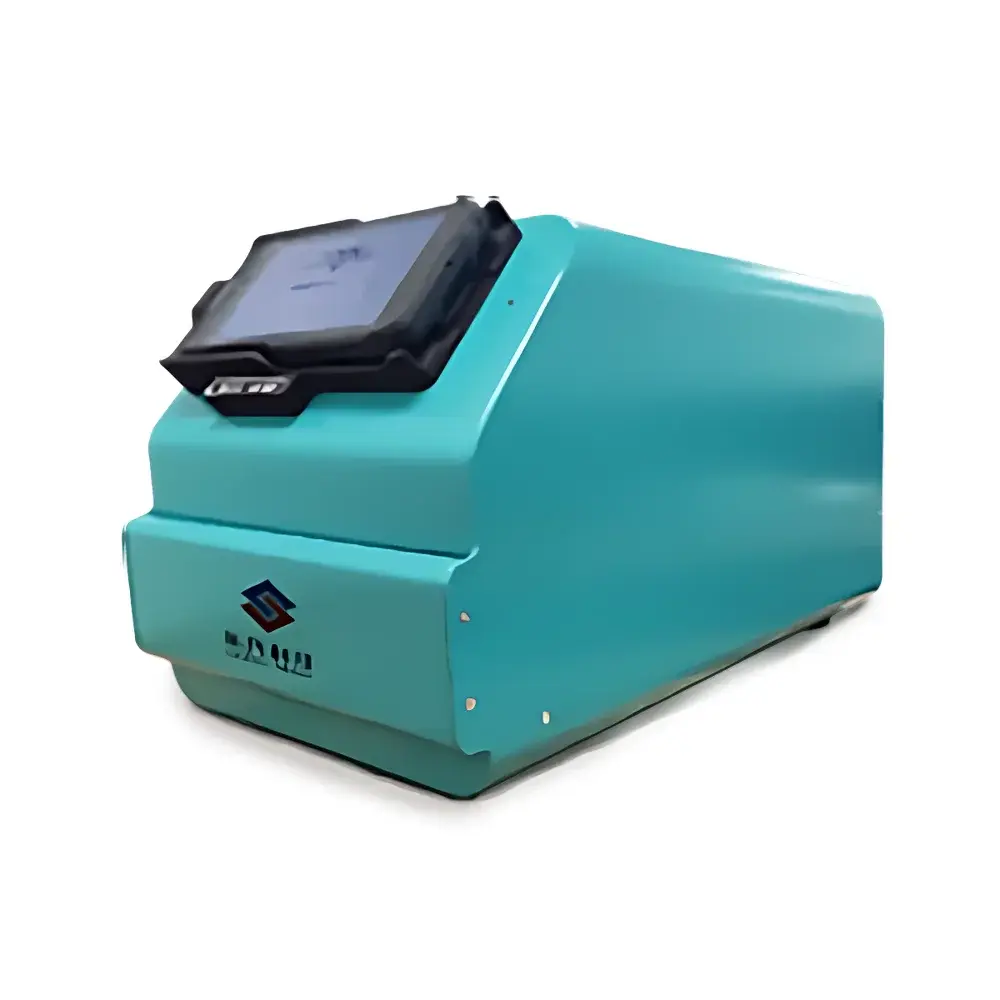
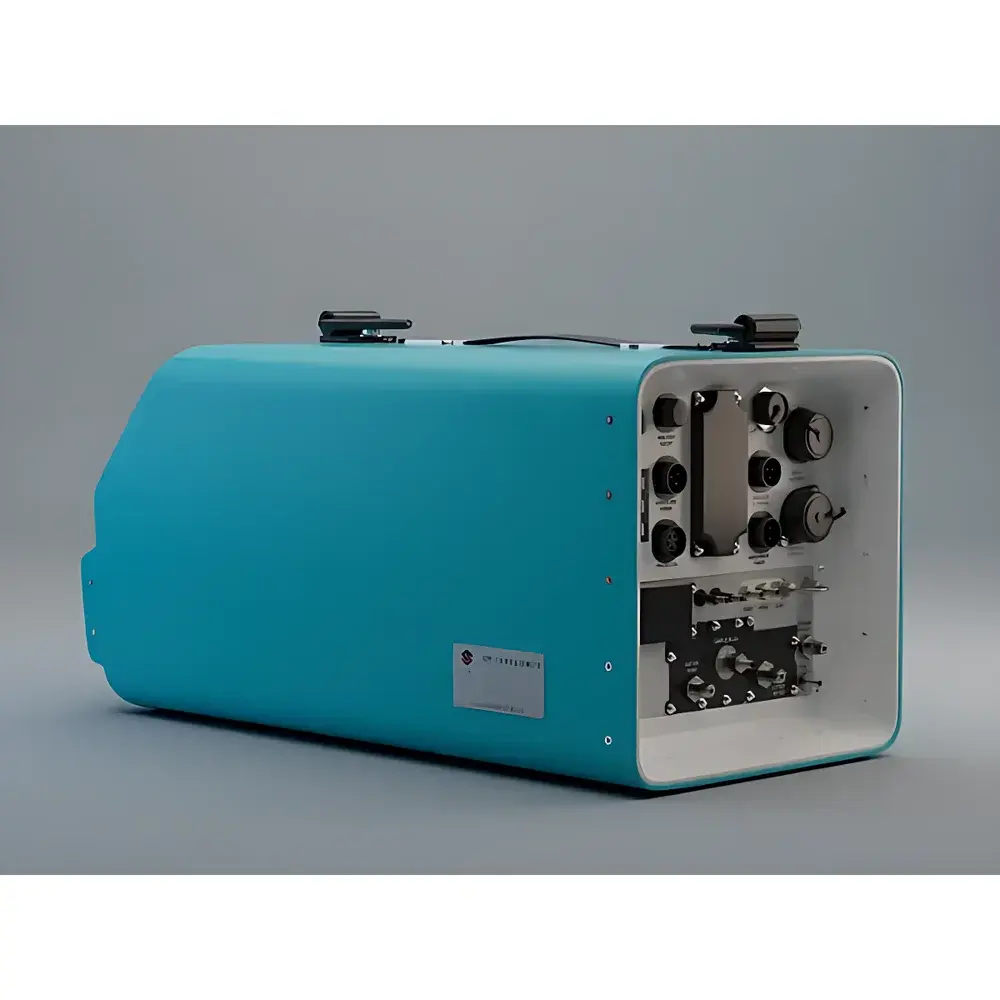
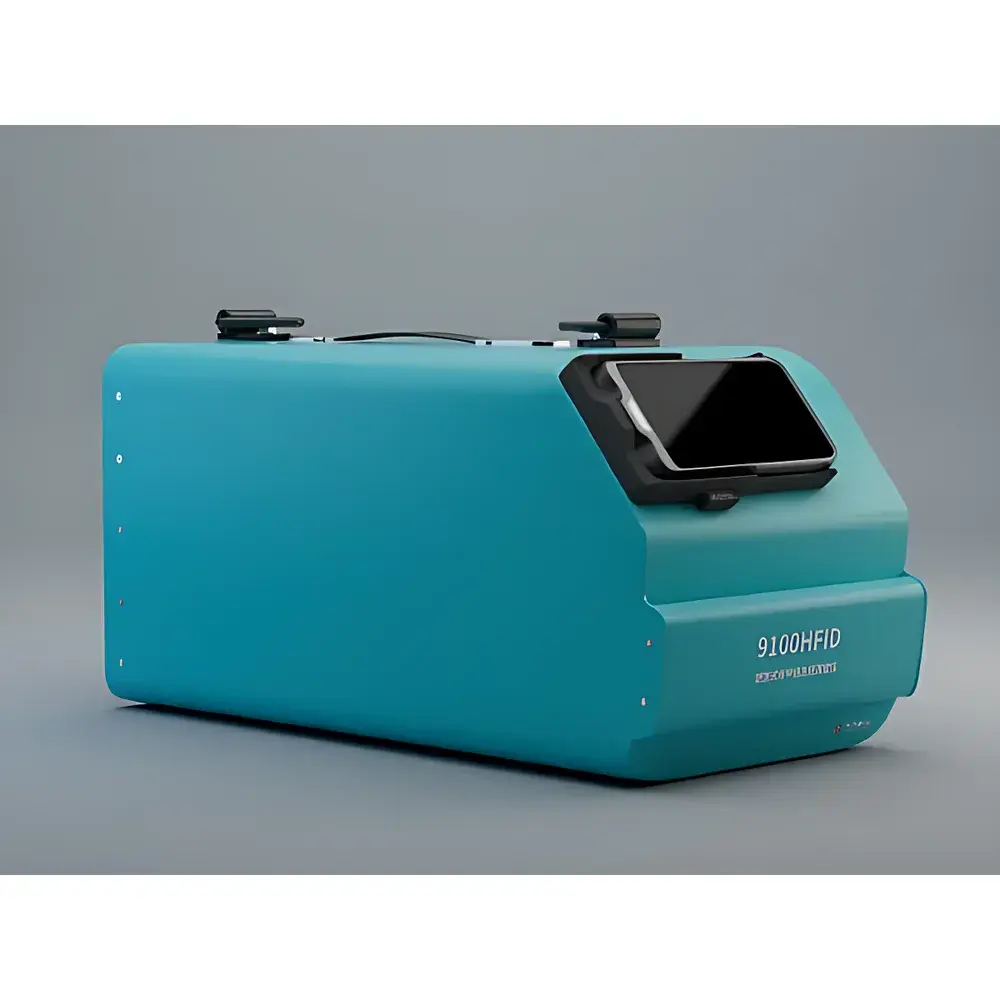
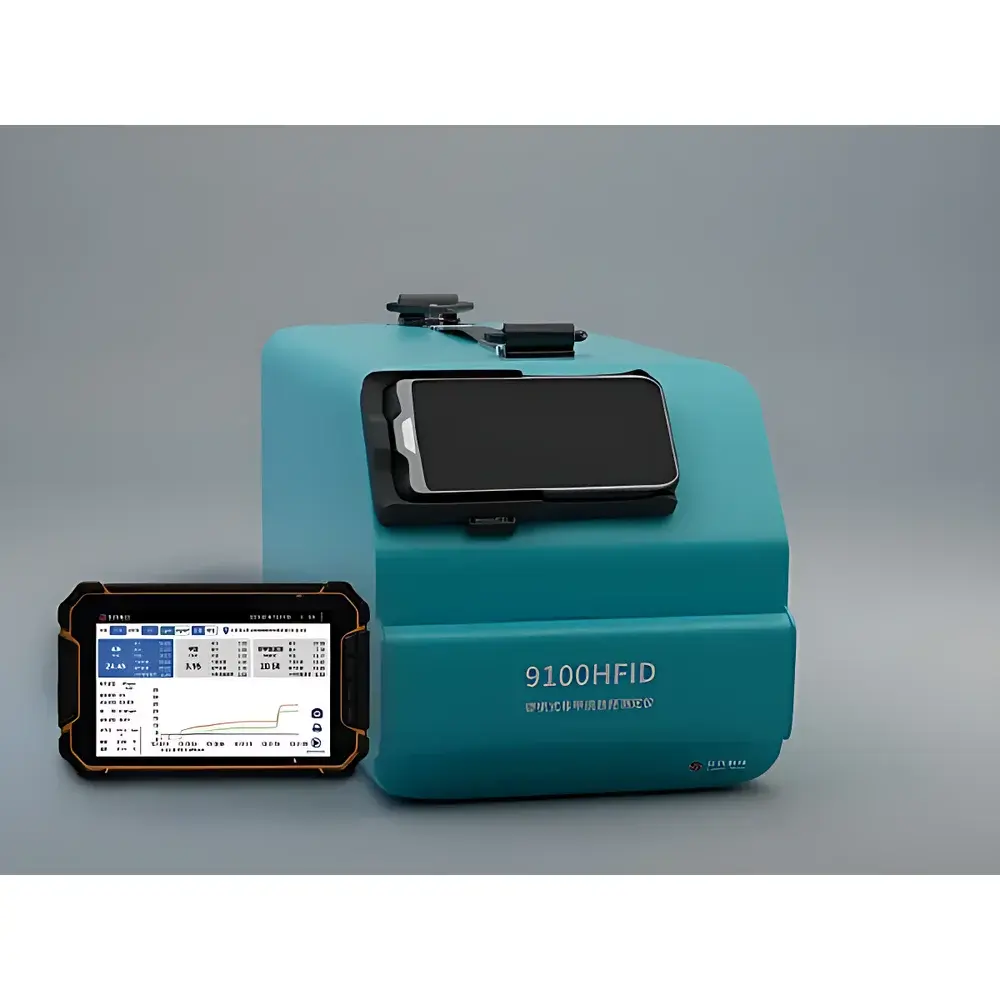
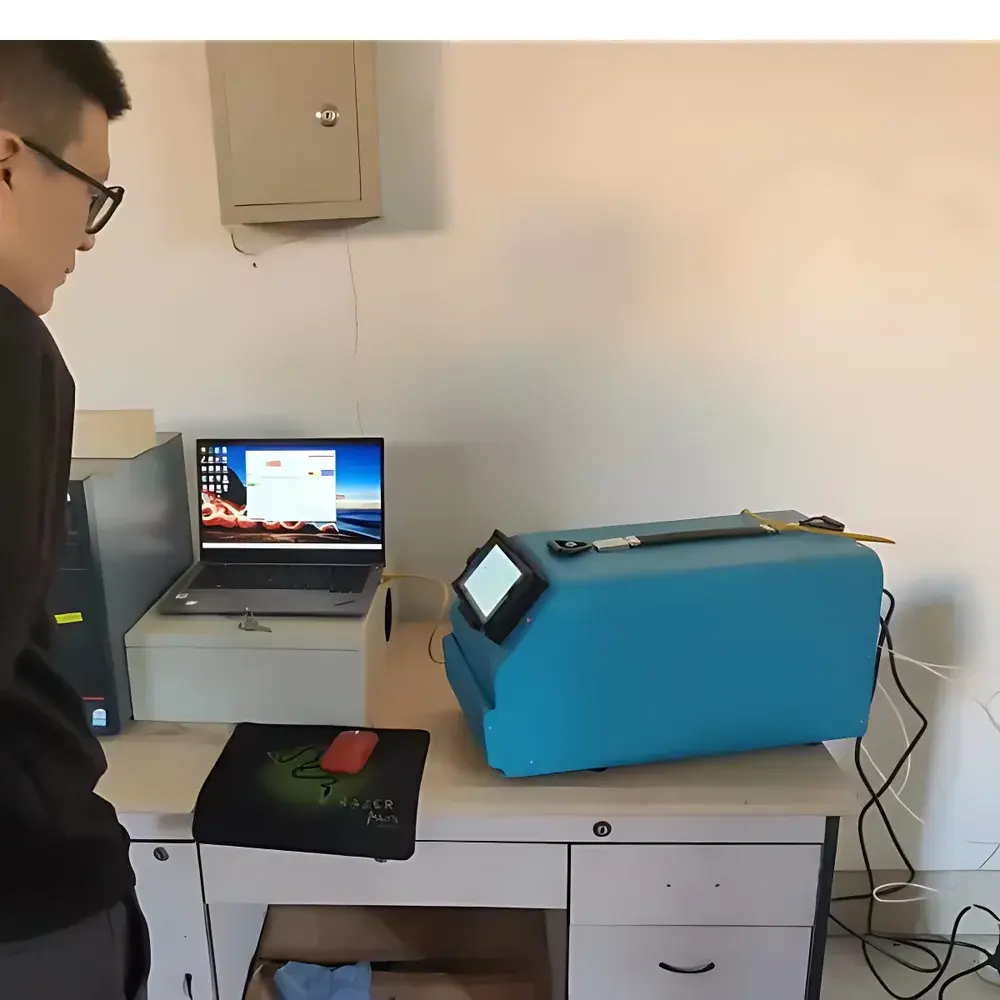
LESHI 9100HFID Portable Methane and Non-Methane Hydrocarbons (NMHC) Analyzer
| Brand | Leshi |
|---|---|
| Origin | Beijing, China |
| Manufacturer Type | Authorized Distributor |
| Instrument Type | Portable |
| Detection Principle | Heated Flame Ionization Detection (HFID) |
| Measured Parameters | Methane (CH₄), Non-Methane Hydrocarbons (NMHC), Total Hydrocarbons (THC) |
| Measurement Ranges | Three selectable ranges (A/B/C) |
| Detection Limit | ≤0.05 mg/m³ |
| Repeatability | ≤1% of Full Scale Deflection (FSD) |
| Operating Temperature | Full-path heated to 191°C |
| Compliance | MCERTS Certified, CPA Verified, EU Directive 2008/50/EC, US EPA Method 25A & 25B compatible |
Overview
The LESHI 9100HFID Portable Methane and Non-Methane Hydrocarbons (NMHC) Analyzer is a field-deployable, high-precision gas measurement system engineered for regulatory-grade quantification of methane, non-methane hydrocarbons, and total hydrocarbons in ambient air, stack emissions, and fugitive sources. It employs a heated flame ionization detection (HFID) principle—recognized under US EPA Methods 25A and 25B and aligned with ISO 12039 and EN 12619—for direct, real-time carbon-hydrogen bond quantification. Unlike unheated FID systems, the 9100HFID maintains the entire sample path—including sampling probe, heated transfer line, and detector chamber—at a constant 191 °C. This eliminates condensation of high-boiling-point VOCs (e.g., C₈–C₁₂ aliphatics, aromatics, esters, ketones, and alcohols), ensuring quantitative recovery and minimizing bias from adsorption or phase separation. Its catalytic pre-treatment stage removes interfering background hydrocarbons from combustion air, delivering true zero-gas stability and metrological traceability essential for compliance monitoring.
Key Features
- Full-path high-temperature conditioning (191 °C) integrated into instrument architecture—no external heater controllers or auxiliary power required
- Intelligent ignition and flame supervision logic: automatic flame ignition only when detector and line temperatures exceed 130 °C; immediate fuel cutoff upon flame extinction or H₂ supply interruption
- Dual-stage gas purification: built-in catalytic air scrubber (for zero-air generation) and replaceable PTFE particulate filter (0.5 µm retention)
- Pressure-regulated sample flow control with integrated back-pressure regulator and thermal mass flow stabilization
- Oxygen compensation algorithm to correct for flame temperature drift induced by variable O₂ concentration in sample matrix
- Onboard data logger (≥32 GB internal storage) with timestamped, audit-ready records compliant with GLP/GMP metadata requirements
- MCERTS-certified performance and CPA (Certified Products Approval) validation per UK Environment Agency specifications
- Ruggedized IP54 enclosure with shock-absorbing housing and ergonomic carry handle for extended field operation
Sample Compatibility & Compliance
The 9100HFID demonstrates linear response across diverse hydrocarbon classes—including alkanes, alkenes, aromatics (e.g., benzene, toluene), oxygenates (alcohols, ketones, esters), and halogenated compounds—making it suitable for complex emission matrices from combustion, solvent use, and chemical processing. It meets the analytical requirements of multiple national and international standards: GB 16297–1996 (Comprehensive Emission Standards for Air Pollutants), GB 14554–1993 (Odorous Pollutants), GB 20950–2007 (Storage Tank Emissions), and GB 20952–2007 (Gasoline Dispensing Stations). For international deployment, its measurement methodology satisfies EU Ambient Air Quality Directive 2008/50/EC Annex VII reference methods and supports 21 CFR Part 11-compliant data integrity when paired with optional software.
Software & Data Management
The optional LESHI DataLink Pro software provides secure, encrypted USB or Bluetooth connectivity for configuration, real-time telemetry, and post-processing. It enables automated report generation per regulatory templates (e.g., quarterly NMHC summary reports for EPA Subpart OOOOa), configurable alarm thresholds (ppm or mg/m³), and export in CSV, PDF, or XML formats with embedded digital signatures. Audit trails record all parameter changes, calibration events, and user logins—fully supporting FDA 21 CFR Part 11 and ISO/IEC 17025 documentation requirements. Raw signal files include detector voltage, temperature logs, flow rates, and flame status flags for forensic QA/QC review.
Applications
- Stack emission testing: boiler flue gas, incinerator exhaust, catalytic oxidizer outlet verification
- Fugitive emission surveys: LDAR (Leak Detection and Repair) programs in petrochemical, refinery, and pharmaceutical facilities
- Mobile source monitoring: diesel/gasoline engine exhaust characterization, aftertreatment efficiency evaluation (e.g., DOC, DPF, SCR systems)
- Process optimization: solvent recovery unit performance, paint booth abatement verification, semiconductor cleanroom ambient THC screening
- Environmental compliance: landfill gas monitoring, biogas upgrading validation, natural gas distribution leak detection
- Research & education: laboratory-based VOC kinetics studies, atmospheric chemistry modeling input, method validation against GC-FID references
FAQ
What distinguishes HFID from standard FID in NMHC measurement?
HFID maintains the entire gas path at elevated temperature (191 °C), preventing condensation of semi-volatile organic compounds that would otherwise be lost in unheated systems—critical for accurate NMHC determination per EPA Method 25A.
Does the 9100HFID require external zero gas cylinders?
No—the integrated catalytic air purifier generates hydrocarbon-free zero air on demand, eliminating dependency on compressed gas supplies and reducing operational overhead.
Can the instrument differentiate methane from NMHC without a GC column?
Yes—via dual-mode operation: direct THC measurement followed by methane-selective catalytic oxidation (using an optional CH₄ converter), enabling NMHC calculation as THC minus CH₄ per regulatory protocols.
Is field calibration supported?
Yes—NIST-traceable span gases (methane in air, propane in nitrogen) can be introduced via the calibrated inlet port; onboard calibration routines store multi-point curves with date/time stamps and operator ID.
How is data integrity ensured during long-term unattended operation?
All measurements are time-stamped, checksum-verified, and stored with hardware-enforced write-protection; optional software enforces electronic signatures and change logging per 21 CFR Part 11.







