
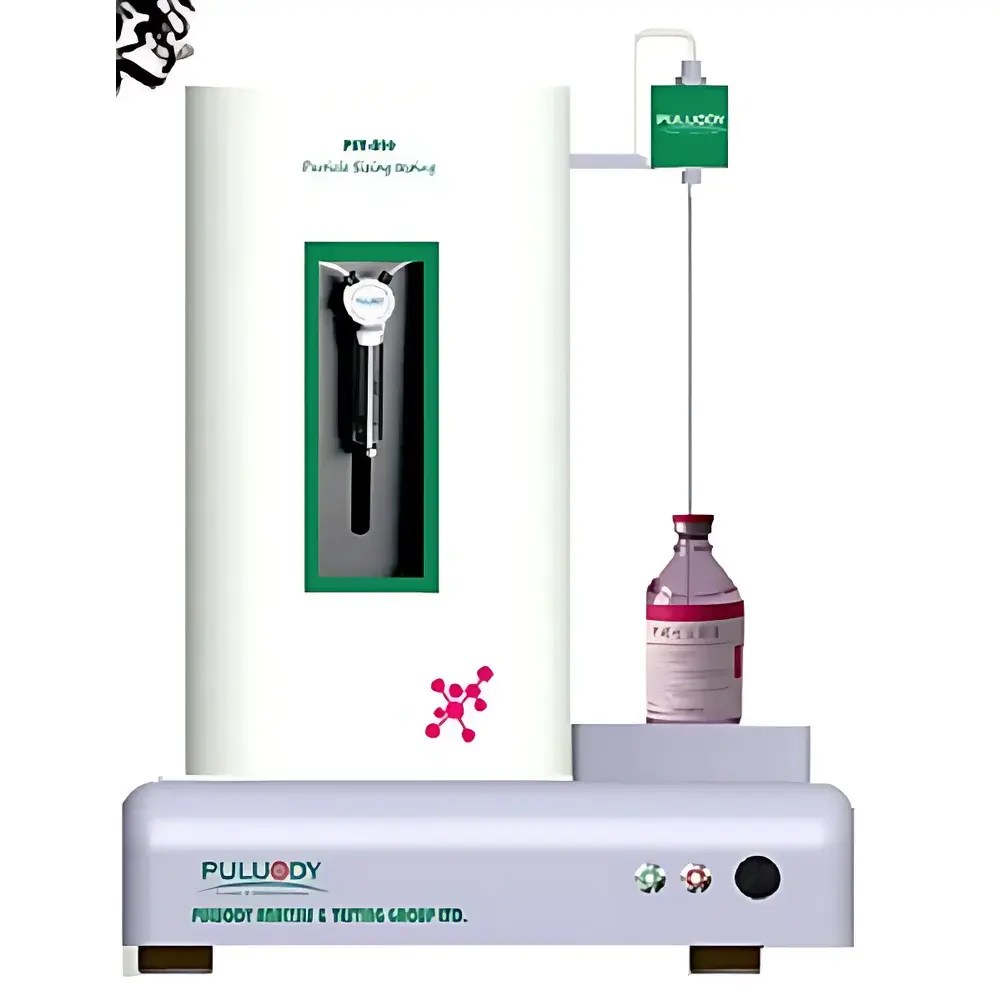
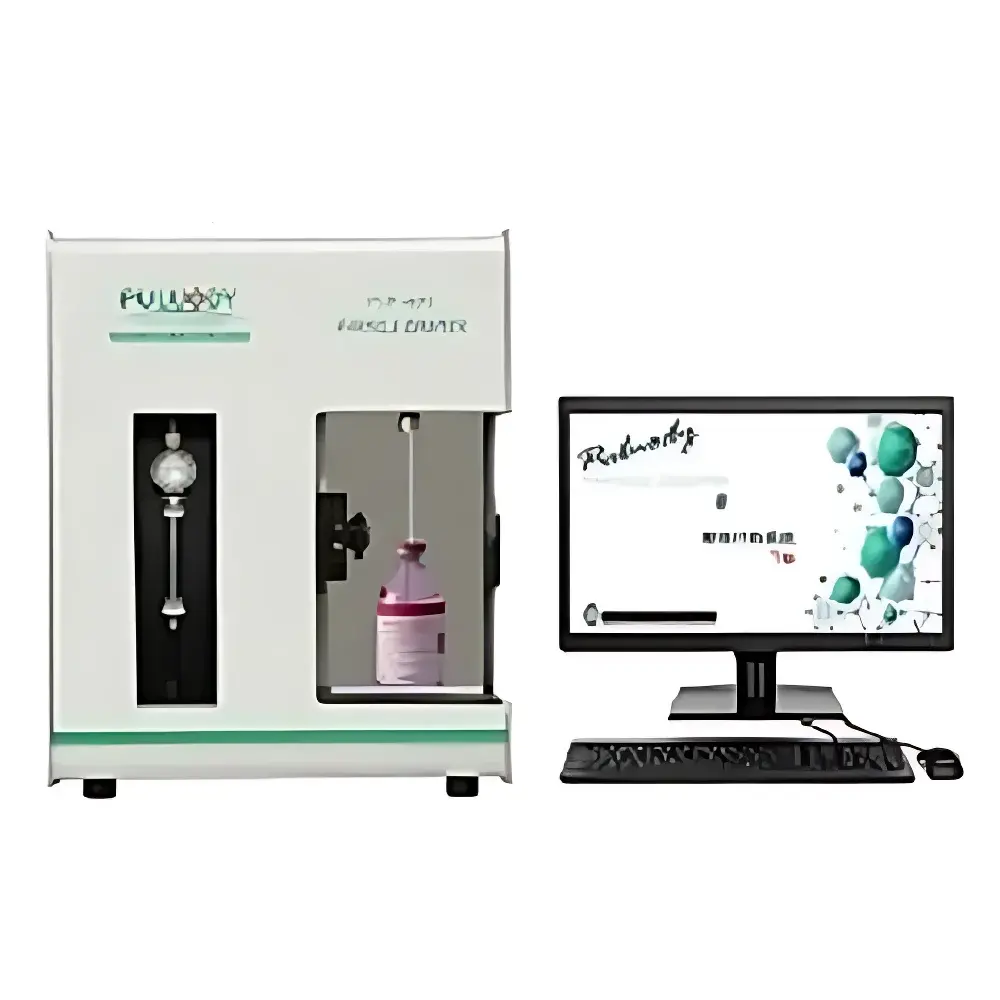
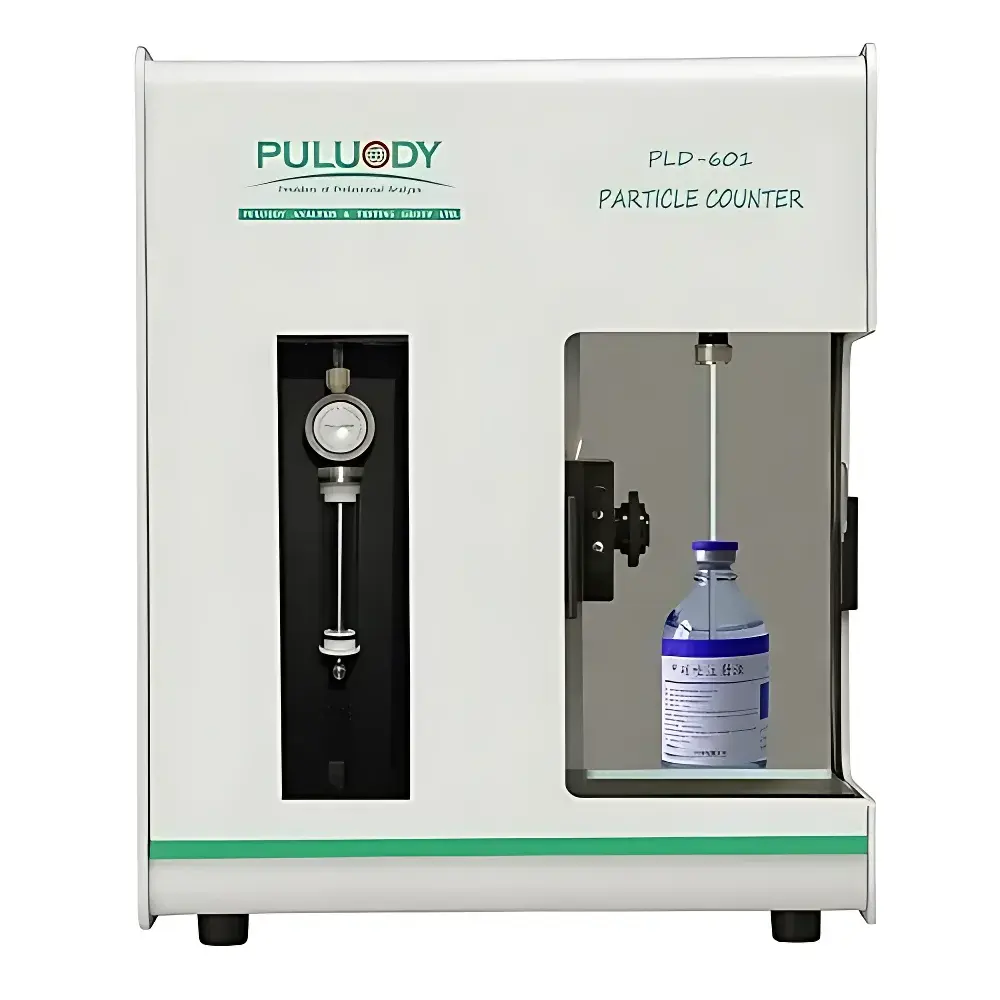
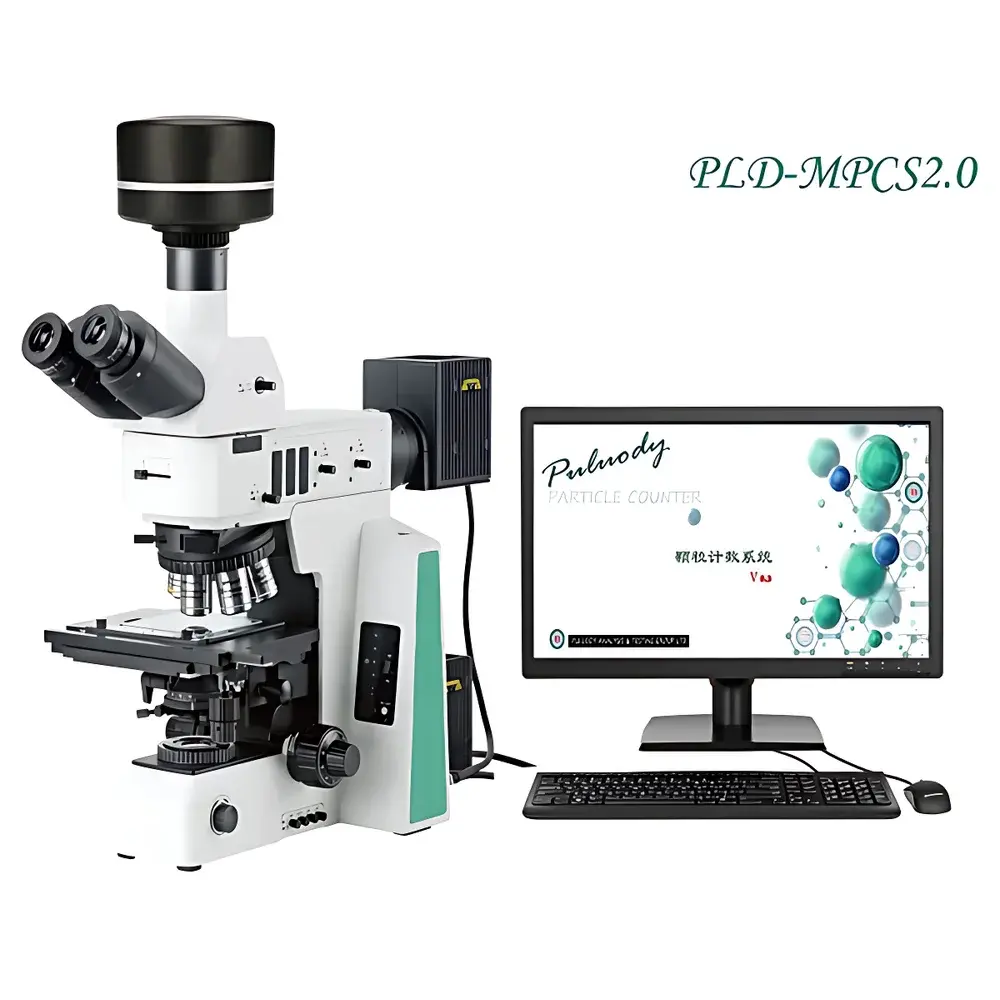
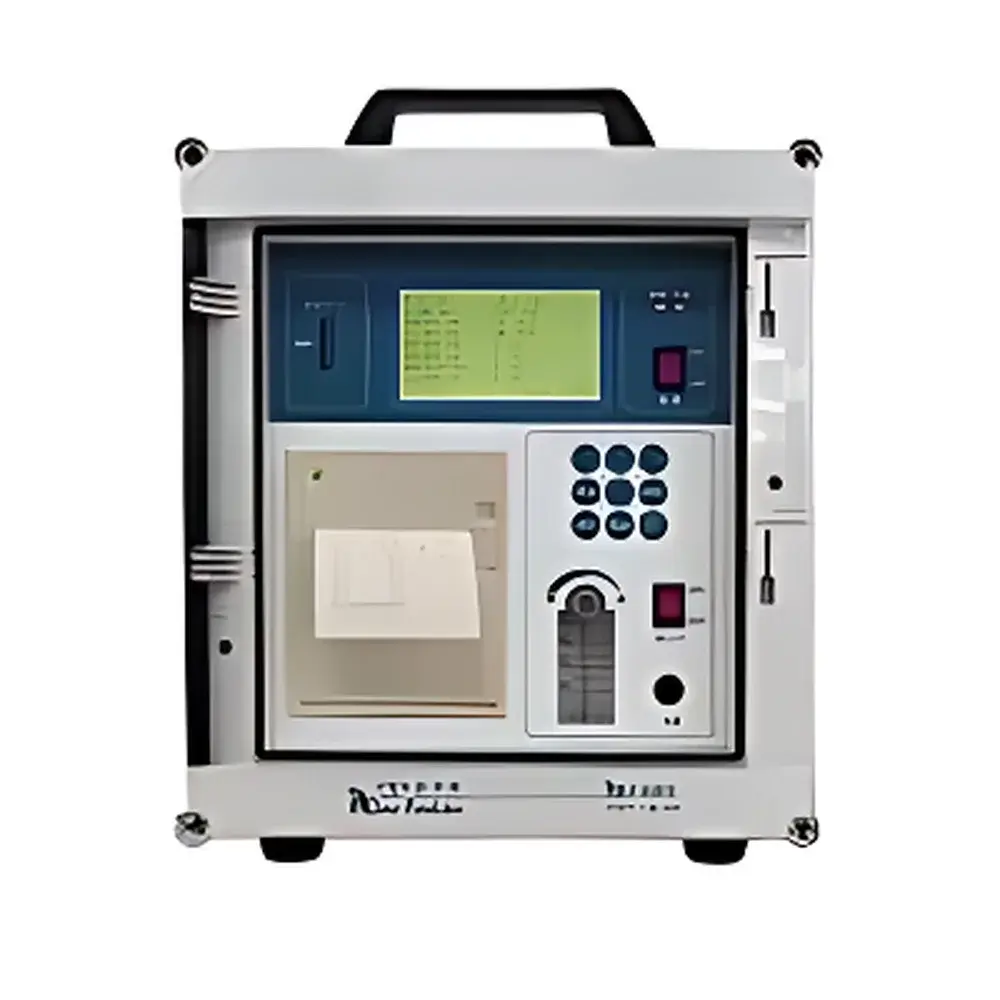
PULUODY PST-890 Emulsion Particle Counter and Size Distribution Analyzer
| Brand | PULUODY |
|---|---|
| Model | PST-890 |
| Sensor Technology | 8th-Generation Dual-Laser Narrow-Beam Detection |
| Detection Range | 1–450 µm (optional 0.03–3000 µm) |
| Resolution | >95% (ChP 2015/2020 calibration), <10% (USP/ISO 21501 calibration) |
| Channel Count | 1000 adjustable channels (customizable from 4 to 128 size bins) |
| Sampling Flow Rate | 5–150 mL/min |
| Rinse Flow Rate | 5–500 mL/min |
| Accuracy | ±3% typical |
| Coincidence Limit | 1000 particles/mL (2.5% coincidence error) |
| Temperature Range (Fluid) | 0–80 °C |
| Software | V8.9 Integrated Analysis Suite with FDA 21 CFR Part 11 Compliance |
| Standards Compliance | ChP 0903, USP <788>/<789>/<797>, EP 10.0, ISO 21501, ISO 11171, GB/T 11446.9, GB 8368, NAS 1638, ISO 4406, ASTM D6786, and 510+ international pharmacopoeial & industrial standards |
Overview
The PULUODY PST-890 Emulsion Particle Counter and Size Distribution Analyzer is a high-precision, regulatory-grade instrument engineered for quantitative measurement of insoluble particulate contamination in parenteral and ophthalmic formulations, biologics, vaccines, and ultra-pure process liquids. It operates on the principle of light obscuration (also known as the optical blockage or light extinction method), utilizing an 8th-generation dual-laser narrow-beam sensor architecture to achieve exceptional signal-to-noise ratio and minimal optical diffraction artifacts. This enables accurate sizing and counting of individual particles across a broad dynamic range—from submicron emulsion droplets (≥0.01 µm) up to coarse contaminants (≤450 µm)—with traceable metrological integrity. Designed specifically for compliance-critical environments, the PST-890 meets the analytical rigor demanded by pharmaceutical quality control laboratories operating under GMP, GLP, and ISO/IEC 17025 frameworks.
Key Features
- 8th-generation dual-laser narrow-beam detection sensor with optimized beam collimation and background noise suppression for enhanced sensitivity at low particle concentrations.
- Dual-precision fluidic control system integrating a calibrated positive-displacement piston pump and ultra-stable electromagnetic flow regulation—ensuring volumetric accuracy better than ±1% and repeatability within ±3% typical.
- 1000-channel high-resolution particle sizing capability, supporting user-defined binning (e.g., 4, 16, 64, or 128 channels) aligned with pharmacopoeial thresholds (e.g., ≥10 µm, ≥25 µm per USP ) or custom distribution analysis.
- FDA 21 CFR Part 11-compliant software (V8.9 Integrated Edition) featuring five-tier electronic user permissions, full audit trail logging, electronic signatures, automated data backup/recovery, and power-failure recovery protocols.
- Multi-standard embedded calibration library—including ChP 2015/2020, USP , EP 10.0, ISO 21501, and ISO 11171—enabling seamless transition between regional regulatory requirements without manual recalibration.
- Thermally stabilized fluid path with temperature monitoring (0–80 °C) and environmental operation range (-15–50 °C), suitable for cold-chain QC and high-temperature stability studies.
Sample Compatibility & Compliance
The PST-890 is validated for use with a wide spectrum of liquid matrices including lipid emulsions (e.g., propofol, intralipid), aqueous injectables, sterile powders reconstituted in WFI, ophthalmic solutions, vaccine suspensions, purified water (PW), water for injection (WFI), and ultrapure water (UPW) used in semiconductor CMP slurries and electronics manufacturing. Its design conforms to ISO 21501-4 for light extinction particle counters and supports full traceability to national metrology institutes—including calibration certification by the National Institute of Metrology (NIM) Northwest Center and the Defense Science & Technology Commission’s Level-1 Particle Measurement Station No. 116. All hardware and firmware configurations comply with ICH Q5A(R2), ICH Q5C, and Annex 1 (EU GMP) requirements for particulate control in sterile product manufacturing.
Software & Data Management
The V8.9 analysis platform provides a bilingual (English/Chinese) GUI with intuitive touchscreen navigation and optional wireless keyboard/mouse support. Raw pulse-height data is stored in encrypted binary format with immutable metadata tagging (operator ID, timestamp, instrument serial number, calibration certificate ID). The system generates compliant electronic audit reports—including particle count histograms, cumulative distribution curves, filter efficiency calculations (e.g., terminal filter retention rate), and statistical summaries (mean, median, CV%). All data exports are compatible with LIMS integration via ASTM E1384-compliant XML or CSV formats. Electronic signature workflows adhere to ALCOA+ principles (Attributable, Legible, Contemporaneous, Original, Accurate, Complete, Consistent, Enduring, Available), satisfying FDA, EMA, PMDA, and NMPA inspection expectations.
Applications
- Pharmaceutical QC: Quantitative assessment of insoluble particles in IV fat emulsions, monoclonal antibody formulations, mRNA-LNP suspensions, and lyophilized drug products per ChP 0903, USP , and EP 2.9.19.
- Medical device evaluation: Testing of infusion sets, IV filters, and packaging components (e.g., stoppers, vials) per YBB00272004-2015 and GB 8368.
- Water purity assurance: Monitoring of PW, WFI, and UPW in pharmaceutical and microelectronics cleanrooms against ISO 8573-1, ASTM D5127, and SEMI F63.
- Process validation: In-line and at-line particle monitoring during filtration validation, sterilizing-grade filter integrity testing, and cleaning verification of stainless-steel bioreactors.
- Material science research: Characterization of nanosuspensions, pigment dispersions, and functional colloids in R&D labs requiring sub-100 nm resolution and statistical robustness.
FAQ
Does the PST-890 meet USP and USP requirements for particle counting in injectables?
Yes—the instrument is pre-configured with USP-specified channel thresholds (≥10 µm and ≥25 µm), employs ISO 21501-4–compliant calibration using NIST-traceable latex standards, and delivers results fully auditable under FDA 21 CFR Part 11.
Can the system be used for submicron emulsion droplet analysis in lipid-based nanocarriers?
While optimized for the 1–450 µm range per standard configuration, optional extended-range optics and calibration kits support detection down to 0.03 µm when paired with appropriate dilution protocols and ISO 21501-2–validated reference materials.
Is third-party metrological verification available for GMP audits?
Yes—PULUODY maintains active accreditation partnerships with CNAS-certified calibration laboratories, including the China National Institute of Metrology (NIM) Northwest Center and the DSTC Level-1 Particle Metrology Station No. 116, providing ISO/IEC 17025–accredited certificates.
How does the system handle sample carryover between runs?
The PST-890 implements programmable rinse cycles (5–500 mL/min) with real-time conductivity and pressure monitoring to verify line clearance; automated post-run purge sequences minimize cross-contamination risk in high-throughput QC labs.
What documentation is provided for regulatory submissions?
Customers receive a complete IQ/OQ package, including URS traceability matrix, risk assessment (FMEA), calibration records, software validation summary (including Part 11 compliance report), and raw data archive templates compliant with ICH M4 and EU Annex 15 guidelines.





