
- All
- Favorite
- Popular
- Most rated
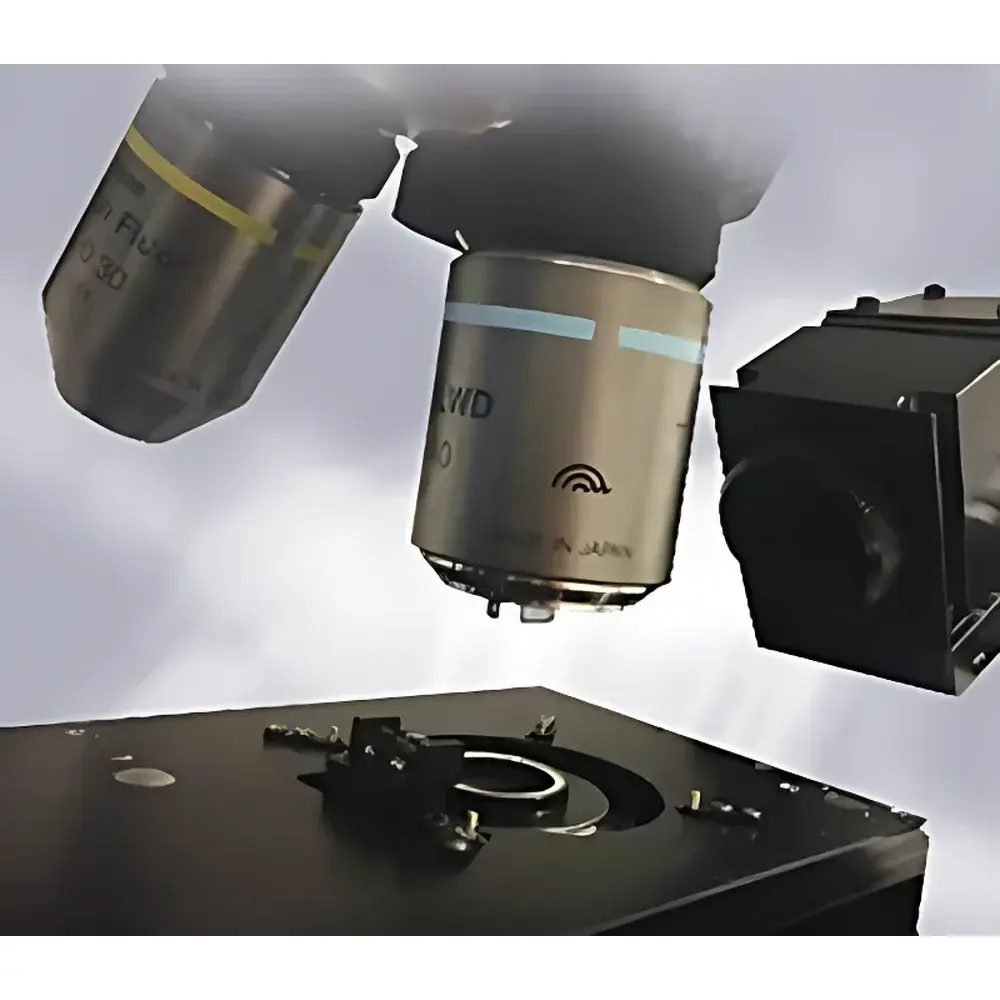
| Brand | Nanonics |
|---|---|
| Origin | Israel |
| Model | MultiView 2500 |
| Instrument Type | Hybrid SNOM/AFM System |
| Detection Noise (Positional) | 0.2 nm |
| Sample Size Capacity | 6 mm diameter |
| XYZ Scan Range per Stage | >80 µm |
| Dual-Stage Architecture | Probe Stage + Sample Stage |
| Feedback Mechanism | Tuning Fork (TF)-Based AFM |
| Optical Compatibility | Mid-IR to THz spectral range |
| Illumination/Collection Flexibility | Top-, Side-, and Bottom-Optical Access |
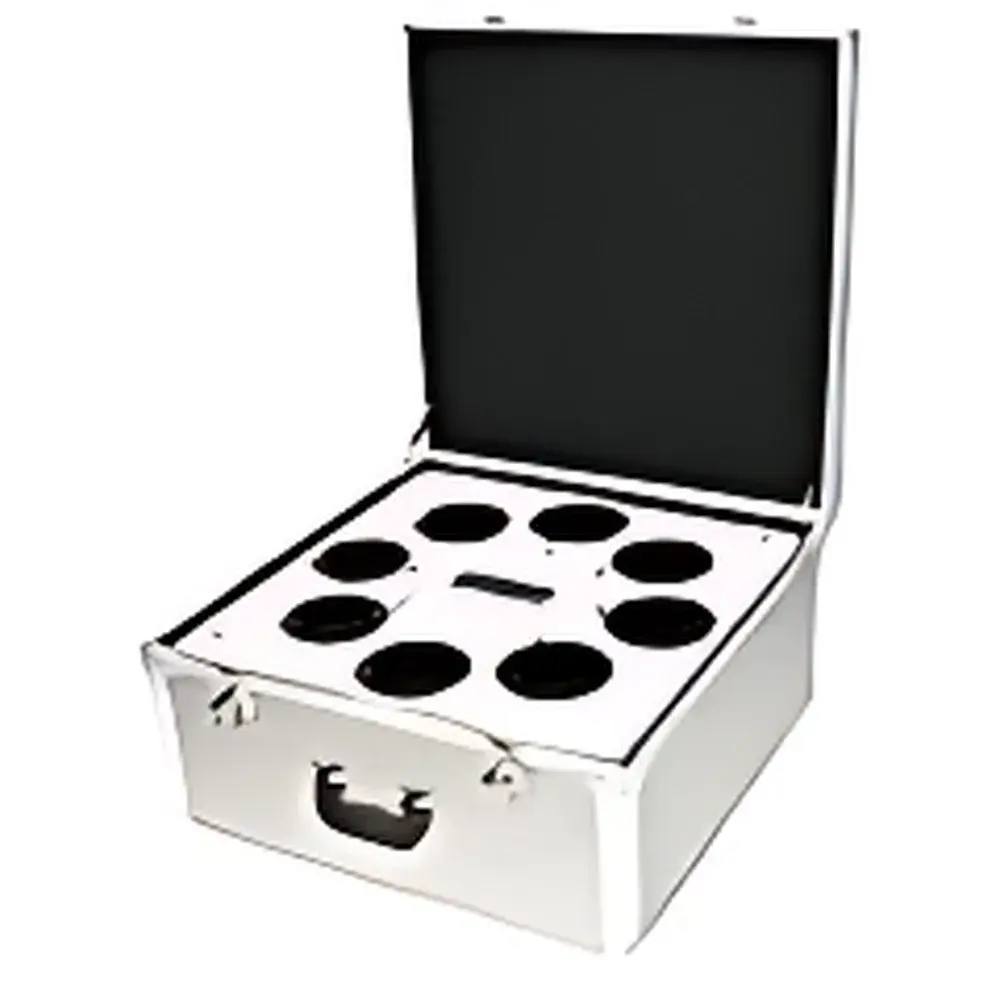
| Brand | Calmetrix |
|---|---|
| Origin | USA |
| Model | F-Cal 8000 Field / F-Cal 4000 Field |
| Sample Capacity | 8 × Ø75 mm × 150 mm cylinders (F-Cal 8000) or 4 × Ø100 mm × 200 mm cylinders (F-Cal 4000) |
| Operating Mode | Semi-adiabatic temperature tracking with environmental temperature compensation |
| Software Included | CalCommander Suite (F/P-Cal Logger & F/P-Cal Report, 1 license) |
| Optional Add-on | Full F/P-Cal Module Suite |
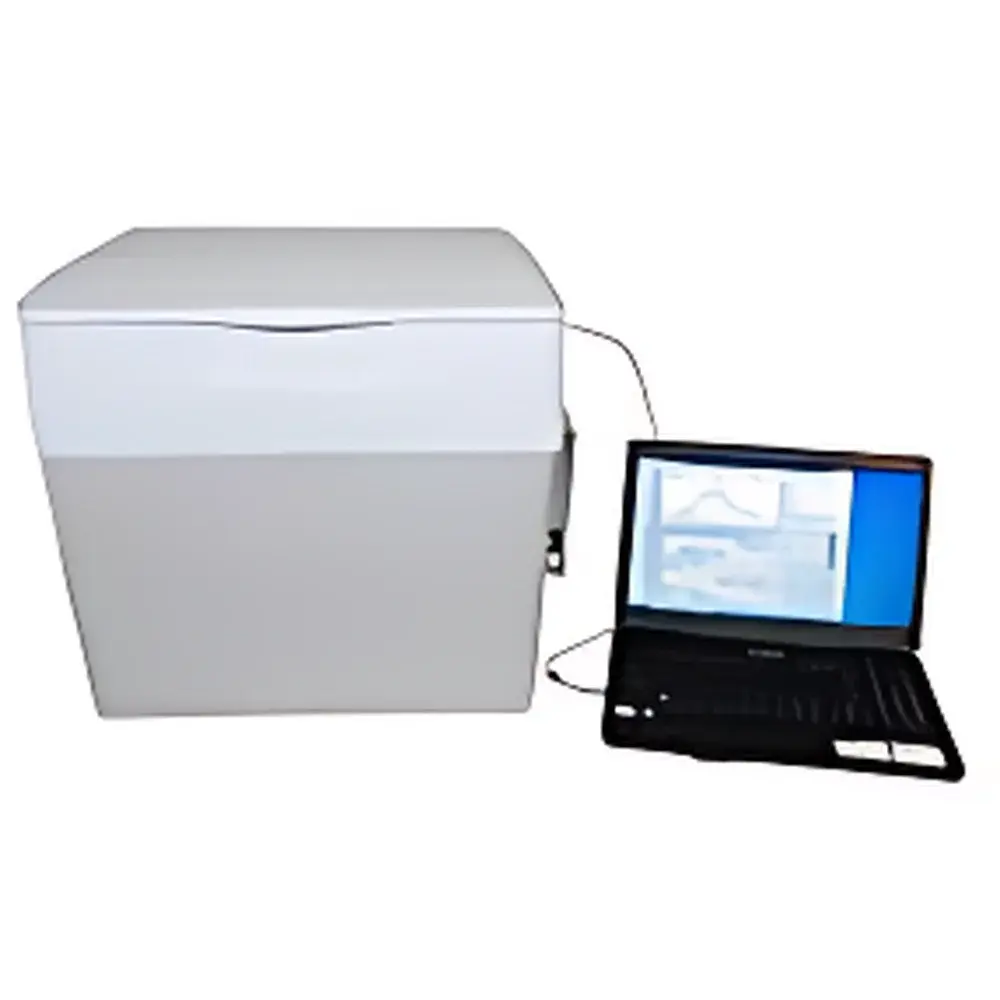
| Brand | Calmetrix |
|---|---|
| Origin | USA |
| Model | I-Cal 8000 / I-Cal 4000 |
| Compliance | ASTM C1679, ASTM C1702 |
| Temperature Range | Up to 50 °C |
| Sample Volume | 125 mL per vial |
| Channel Capacity | 8 channels (I-Cal 8000), 4 channels (I-Cal 4000) |
| Reference Configuration | Internal fixed reference unit |
| Thermal Interference Mitigation | Individual heat sink per sample (I-Cal 4000) |
| Test Duration | Standardized 72-hour hydration monitoring |
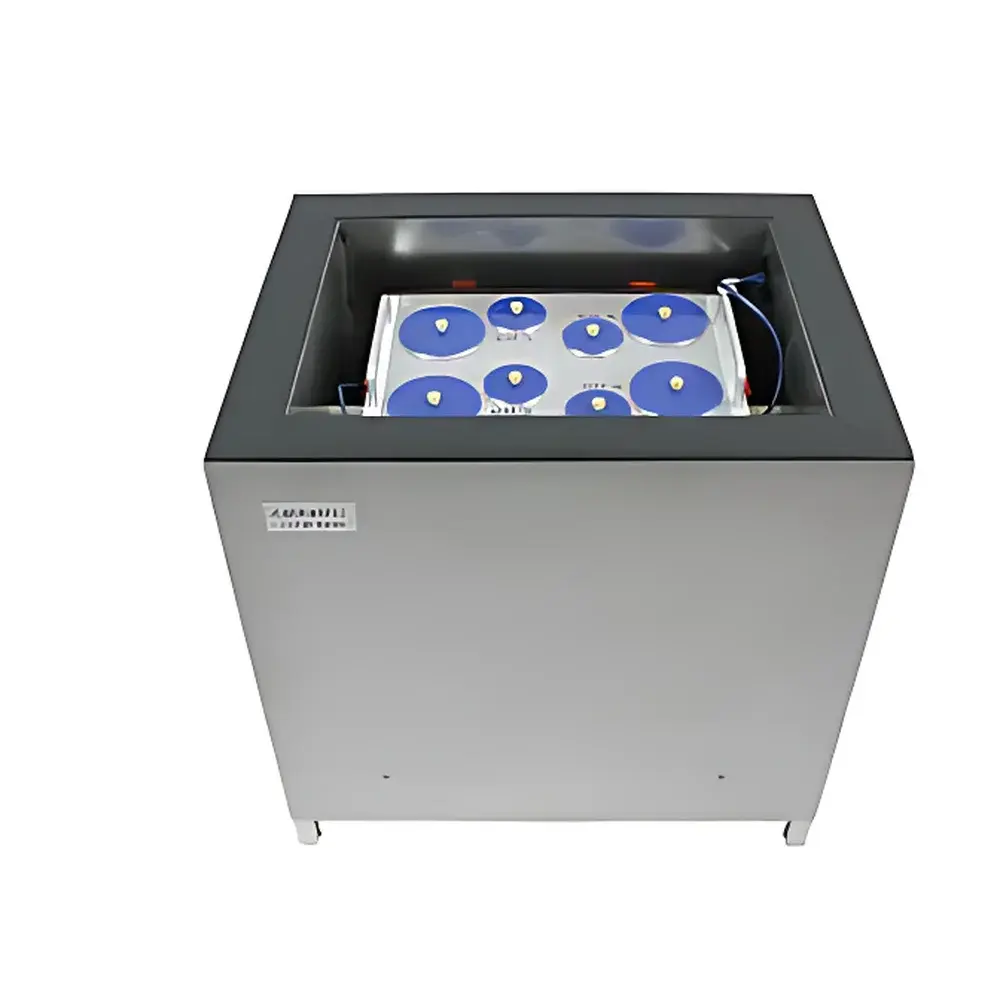
| Brand | Calmetrix |
|---|---|
| Origin | USA |
| Model | Biocal 4000 |
| Sample Vessel Capacity | 125 mL per channel |
| Number of Channels | 4 |
| Operating Temperature Range | 5–70 °C |
| Temperature Stability | ±0.02 °C |
| Baseline Noise (24 h) | < 20 µW |
| Sensitivity Limit | 5 µW |
| Accuracy | ±100 µW |
| Power Supply | 110–240 VAC, 50/60 Hz |
| Dimensions (L×W×H) | 54.6 × 41.9 × 55.9 cm |
| Weight | 47 kg |
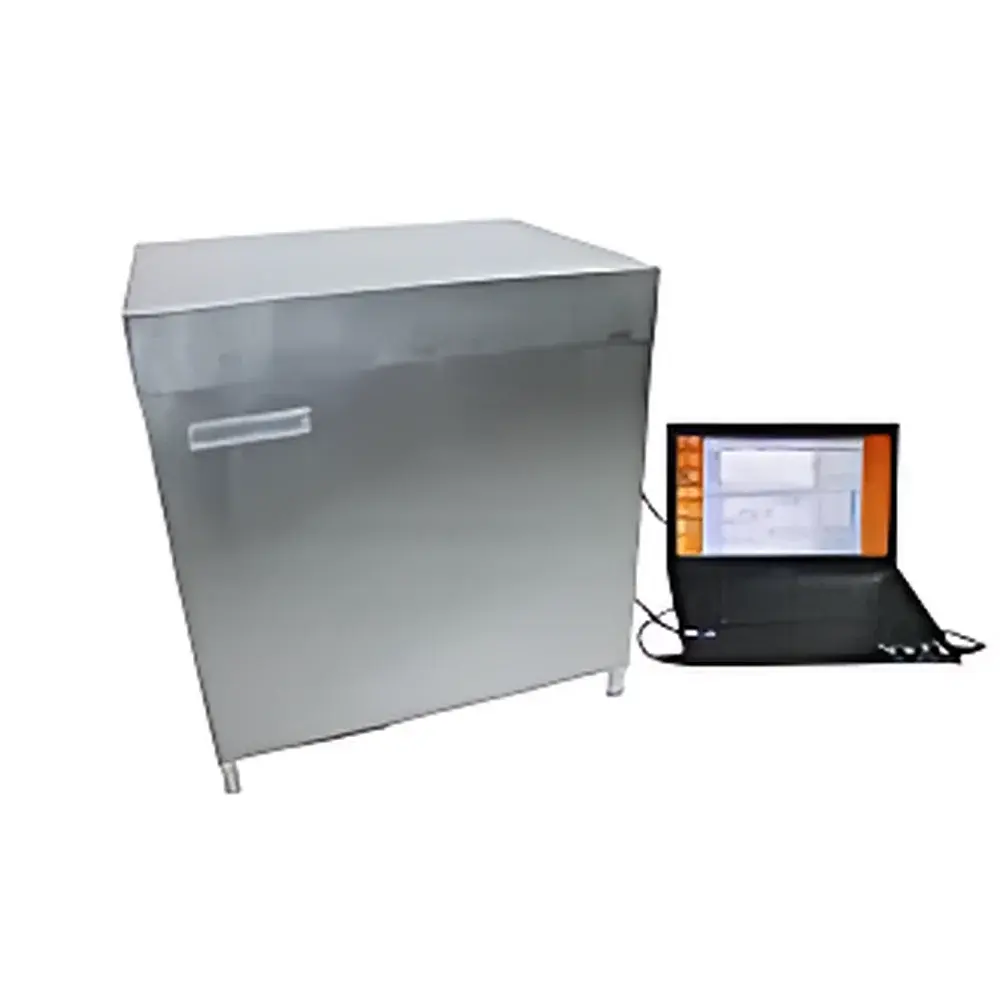
| Brand | Calmetrix |
|---|---|
| Origin | USA |
| Model | I-Cal 8000HPC / I-Cal 4000HPC / I-Cal 2000HPC |
| Compliance | ASTM C1679, ASTM C1702 |
| Temperature Range | Up to 70 °C |
| Sample Volume | 125 mL per vial |
| Measurement Duration | Up to 7 days |
| Thermal Sensitivity | Sub-mW resolution (typical) |
| Configuration | Integrated fixed reference cell |
| Cooling Architecture | Per-channel heat-sink (4000HPC), Fully isolated thermal units (2000HPC), Multi-channel parallel measurement (8000HPC) |
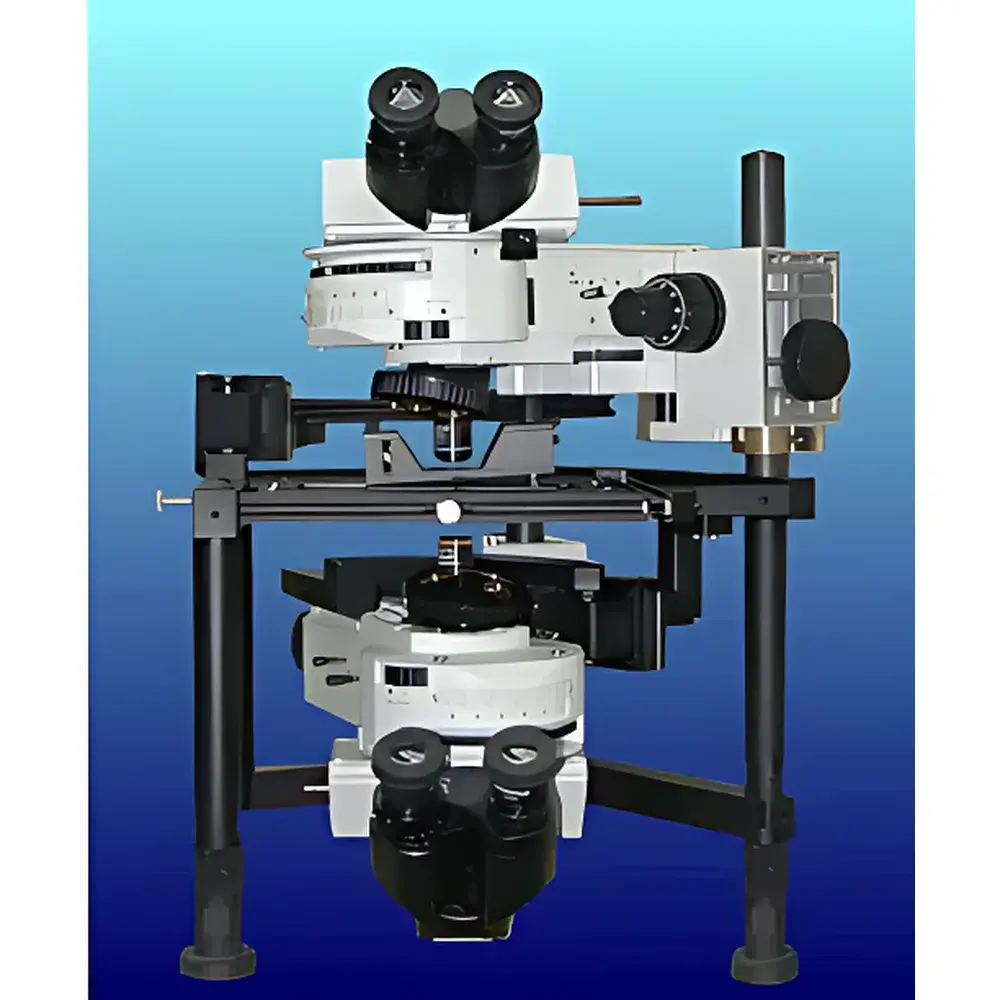
| Brand | Nanonics |
|---|---|
| Origin | Israel |
| Manufacturer Type | OEM Manufacturer |
| Origin Category | Imported |
| Model | MV2000 |
| Instrument Type | Materials-Focused Hybrid SPM Platform |
| Positional Detection Noise | 0.2 nm (RMS) |
| Maximum Sample Size | 6 mm (standard) |
| Sample Stage Scan Range | 80 µm × 80 µm × 80 µm (XYZ) |
| Z-Direction Resolution | < 0.05 nm (RMS) |
| XY Lateral Resolution (AFM) | < 0.15 nm |
| Near-Field Optical Resolution | ≤ 50 nm (aperture-limited) |
| Far-Field Optical Resolution | ~500 nm (non-confocal), ~200 nm (confocal) |
| Thermal Imaging Resolution | ≥ 100 nm |
| Electrical Resistance Mapping Resolution | ≥ 25 nm |
| Operating Temperature Range (Thermal Probes) | Up to 300 °C |
| Feedback Mechanism | Tuning Fork (standard), Laser Reflectance (optional) |
| Probe Compatibility | Glass fiber NSOM probes (patented bent-cantilever design), commercial Si/SiN AFM probes, custom multi-functional probes (optical/thermal/electrical/Raman-enhancing) |
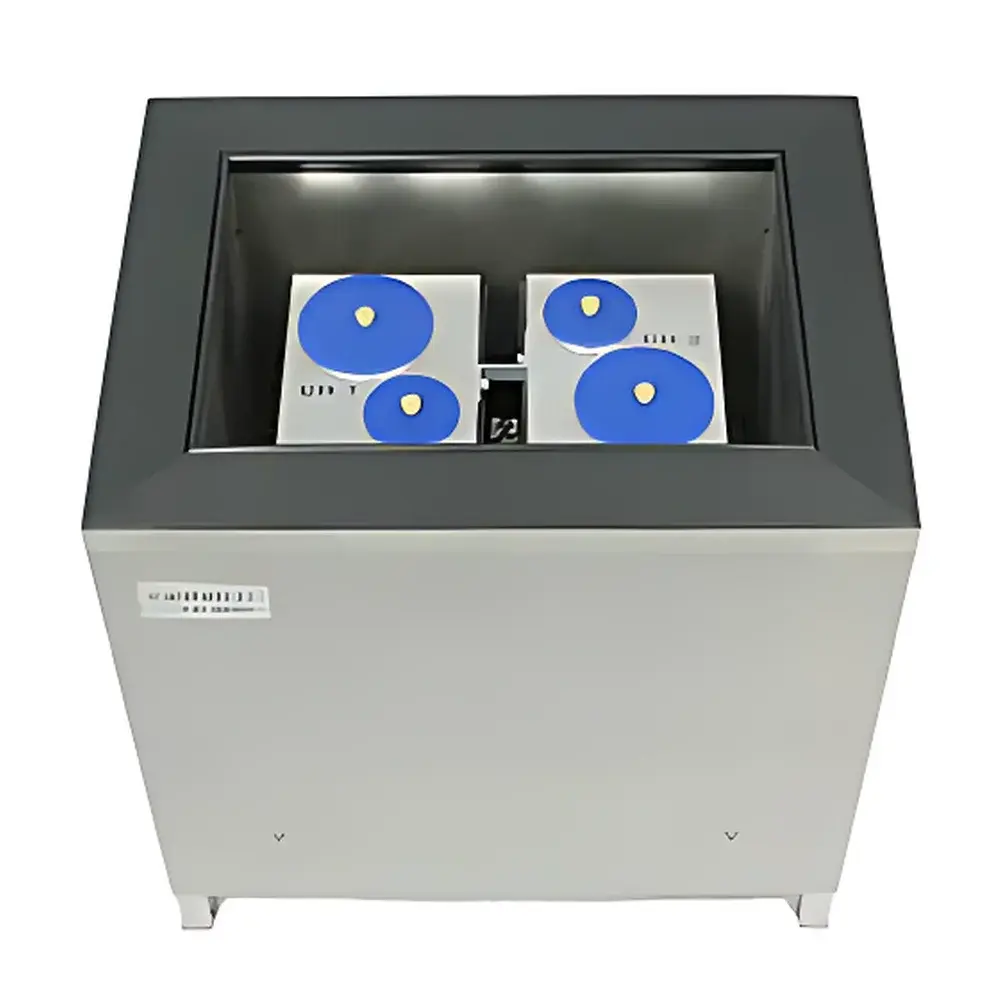
| Brand | Calmetrix |
|---|---|
| Origin | USA |
| Model | Biocal 2000 |
| Sample Volume Capacity | 125 mL per channel |
| Temperature Control Range | 5–70 °C |
| Temperature Stability | ±0.02 °C |
| Baseline Noise (24-h) | < ±100 µW |
| Detection Limit | 5 µW |
| Power Supply | 110–240 VAC, 50/60 Hz |
| Dimensions (L×W×H) | 43.2 × 41.9 × 55.9 cm |
| Weight | 47 kg |
| Channel Count | 2 |
| Compliance | Designed for GLP-compliant workflows |
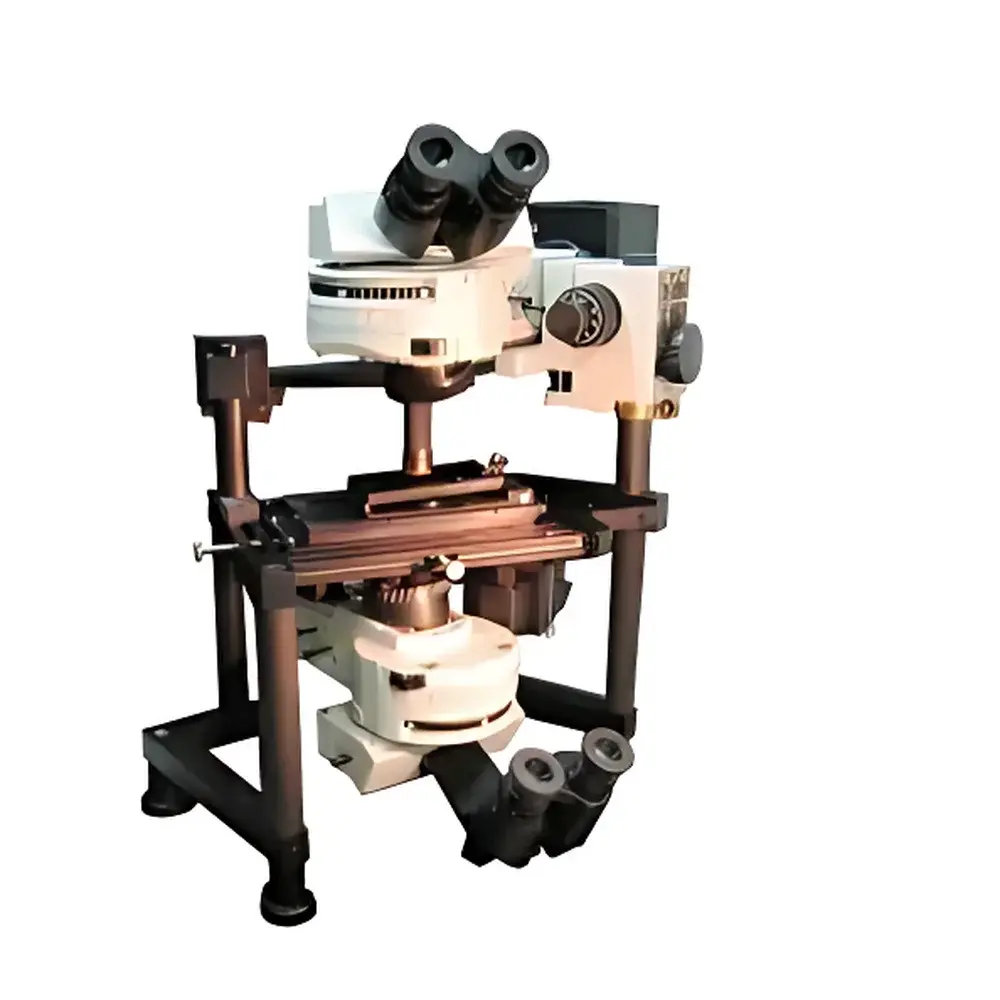
| Brand | Nanonics |
|---|---|
| Origin | Imported (Non-Chinese) |
| Model | NSOM |
| Instrument Type | Materials-Focused SPM Platform |
| Core Function | Scanning Near-Field Optical Microscopy (SNOM/NSOM) with Integrated AFM, Thermal, Electrical, and Raman Capabilities |
| Optical Resolution | ≤50 nm (near-field), 200 nm (confocal), diffraction-limited (far-field) |
| Scan Range | Up to 160 µm (XYZ, dual-probe configuration) |
| Z-Resolution | < 0.02 nm (XY), < 0.05 nm (Z, RMS) |
| Probe Types | Patented glass-fiber probes (metal-coated, hollow, TERS-optimized), compatible with commercial Si cantilevers |
| Feedback | Tuning fork (standard), laser reflection (optional) |
| Detector Compatibility | APD, PMT, InGaAs, CCD, spectrometers |
| Laser Range | Deep UV to NIR |
| Thermal Sensitivity | 0.01 °C |
| Electrical Resolution | < 25 nm (resistive imaging) |
| Max Z-Depth | 140 µm |
| Multi-Probe Support | Up to 4 independently controlled probes |
| Compliance | Designed for GLP/GMP-aligned workflows |
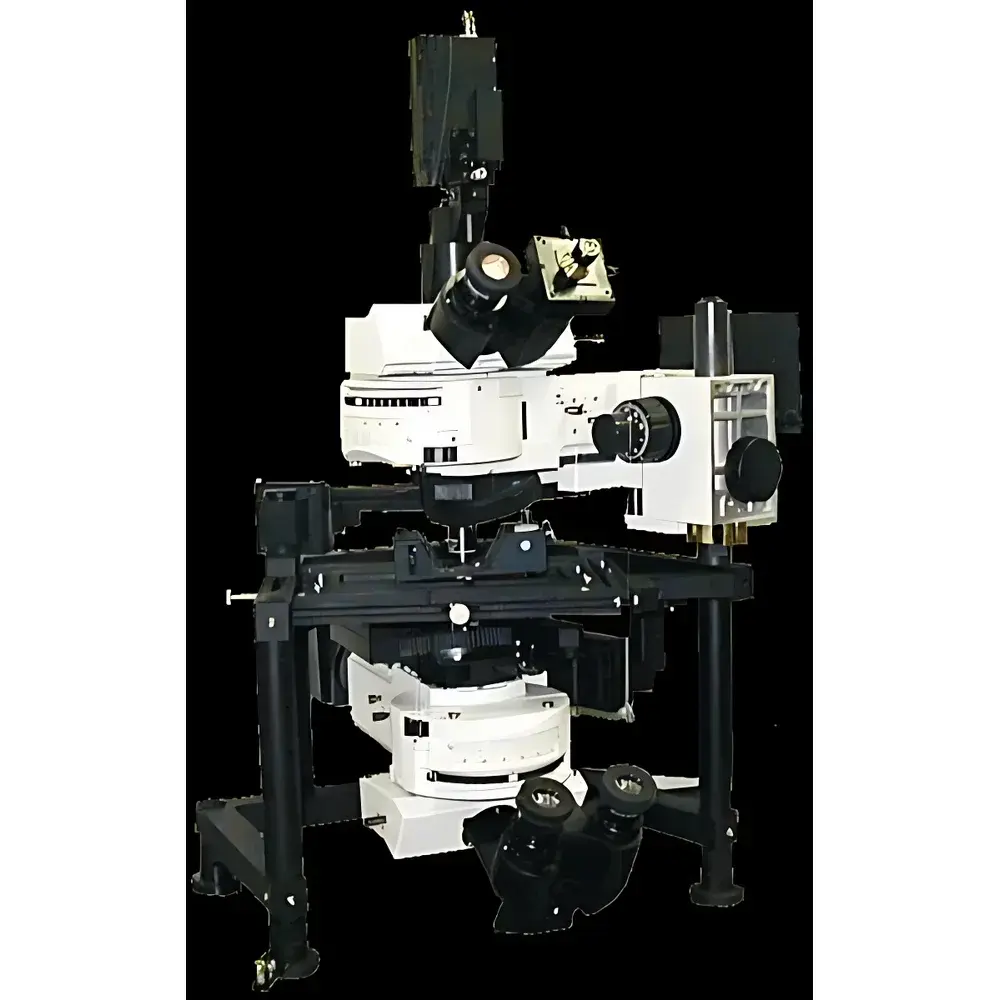
| Brand | Nanonics |
|---|---|
| Origin | Israel |
| Model | MultiView1000 |
| Instrument Type | Material-Focused AFM |
| Positional Noise | XY < 20 nm |
| Max Sample Diameter | < 100 mm |
| Max Sample Thickness | < 15 mm |
| Stage Travel Range | 85 µm × 85 µm |
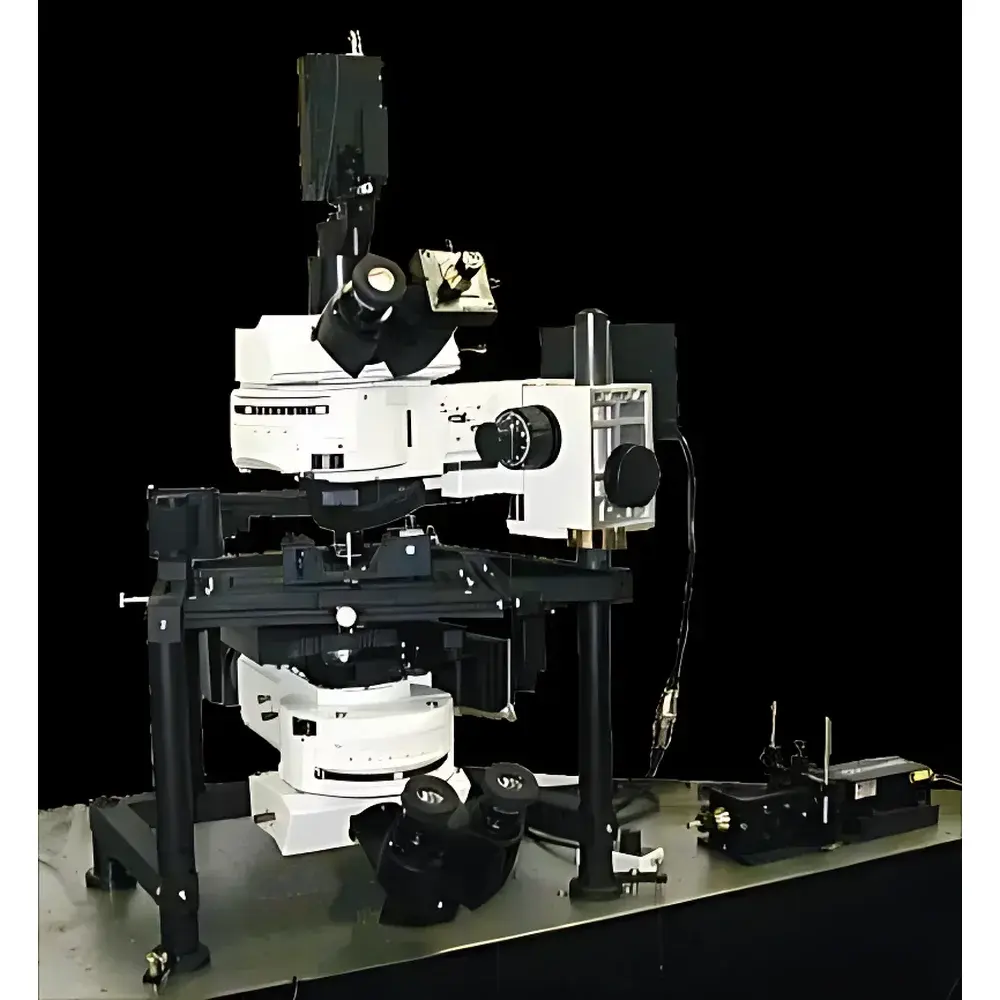
| Brand | Nanonics |
|---|---|
| Origin | Israel |
| Model | MultiView4000 |
| Instrument Type | Material-Focused AFM |
| Positioning Noise | XY < 20 nm |
| Sample Dimensions | Ø < 100 mm |
| Stage Travel Range | 170 µm × 170 µm |
| XY Resolution | < 5 nm |
| Z Resolution | < 1 nm |
| Scan Range (Combined Piezo + Sample Scanner) | up to 160 µm (XY) |
| Minimum Step Size | < 0.1 nm (10 µm scanner) |
| Scanner Thickness | 7 mm |
| Mass | 75 g |
| Probe Compatibility | Commercial SPM, NSOM, conductive, hollow, insulated glass nanowire, dual-wire, low-k AFM, deep-trench AFM probes |
| Operating Modes | NSOM reflection/transmission/collection/fluorescence/PL |
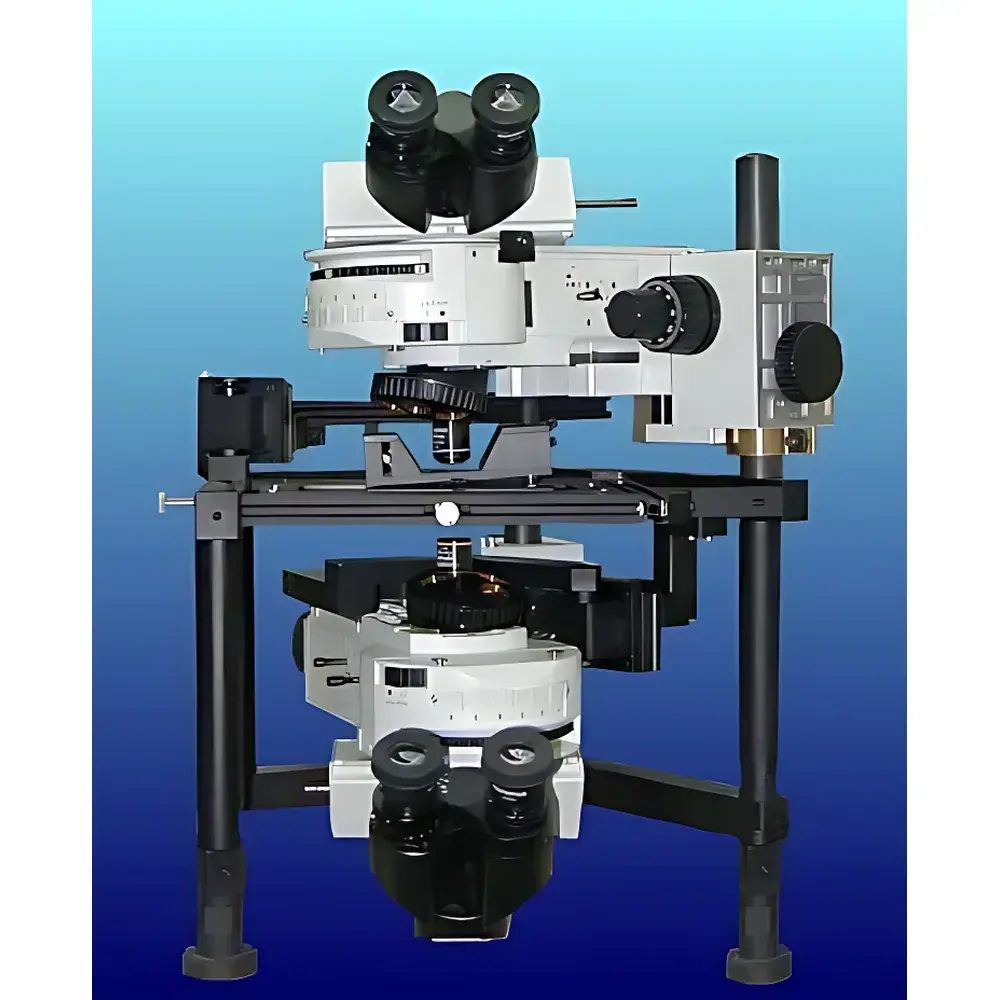
| Brand | Nanonics |
|---|---|
| Origin | Israel |
| Model | MultiView2000 |
| Instrument Type | Materials-Focused AFM/NSOM Hybrid System |
| Scan Mode | Tip Scanning |
| XY Resolution | <5 nm |
| Z Resolution | <1 nm |
| XY Scan Range | 70 µm (standard), optional 30 µm and 10 µm scanners |
| Z Scan Range | 70–120 µm |
| XY Step Size | <1 nm (70 µm scanner), <0.1 nm (10 µm scanner) |
| Scanner Thickness | 7 mm |
| Scanner Mass | 75 g |
| Max Sample Radius | 16 mm (customizable) |
| Probe Compatibility | Full commercial SPM probe interoperability including NSOM, conductive AFM, hollow probes, insulated nanowire sensors, dual-wire glass-insulated probes, low-k modulus probes, and deep-trench AFM probes |
| Operational Modes | NSOM reflection/transmission/collection/near-field fluorescence/PL |
| Controller | Nanonics Analog Controller with NT software (Windows 95/98/XP compatible) |
| Environmental Capabilities | Cryogenic operation down to 4 K (liquid helium), UHV compatibility, integrated gas/liquid delivery, in situ reaction chamber, co-located optical microscopy and micro-Raman coupling |
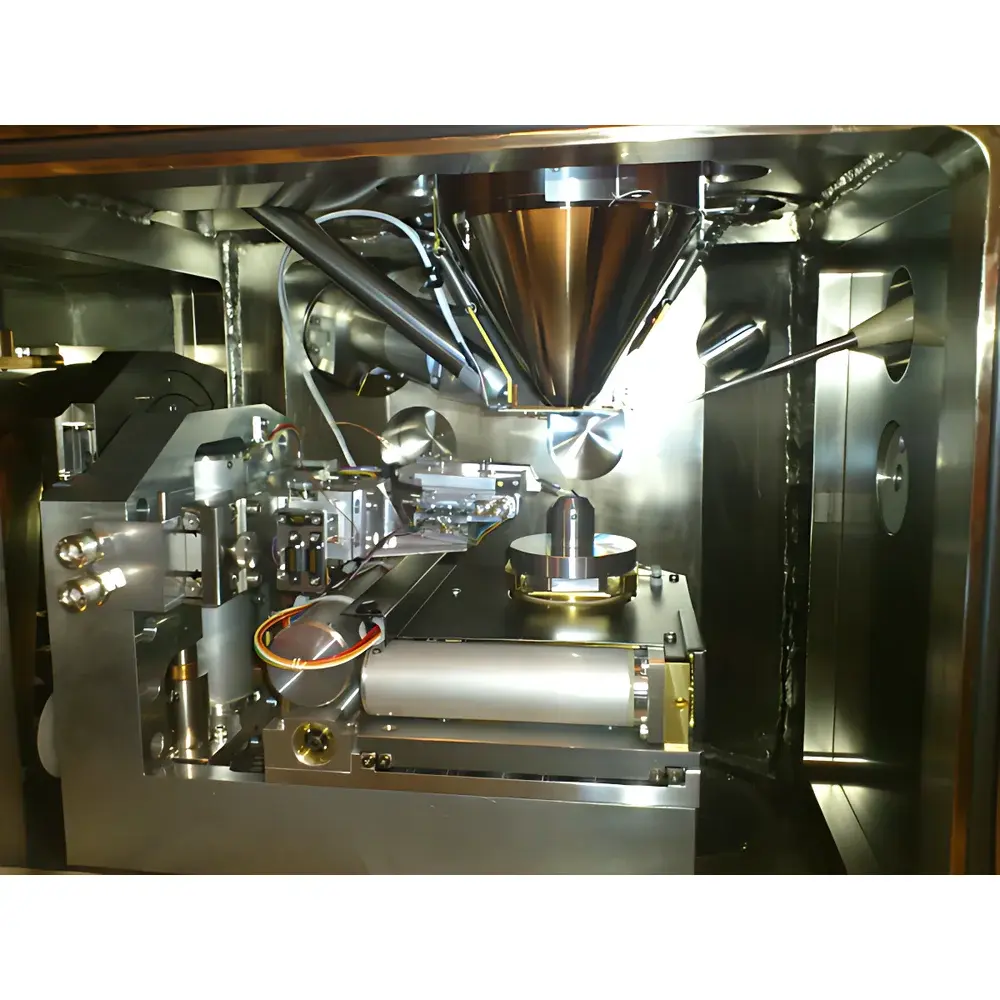
| Brand | Nanonics |
|---|---|
| Origin | Israel |
| Model | MV4000 |
| Instrument Type | Material-Focused Hybrid Correlative Microscope |
| Positional Detection Noise | 0.2 nm |
| Maximum Sample Diameter | <100 mm |
| Maximum Sample Thickness | <15 mm |
| Sample Stage Travel Range | 85 × 85 × 85 µm |
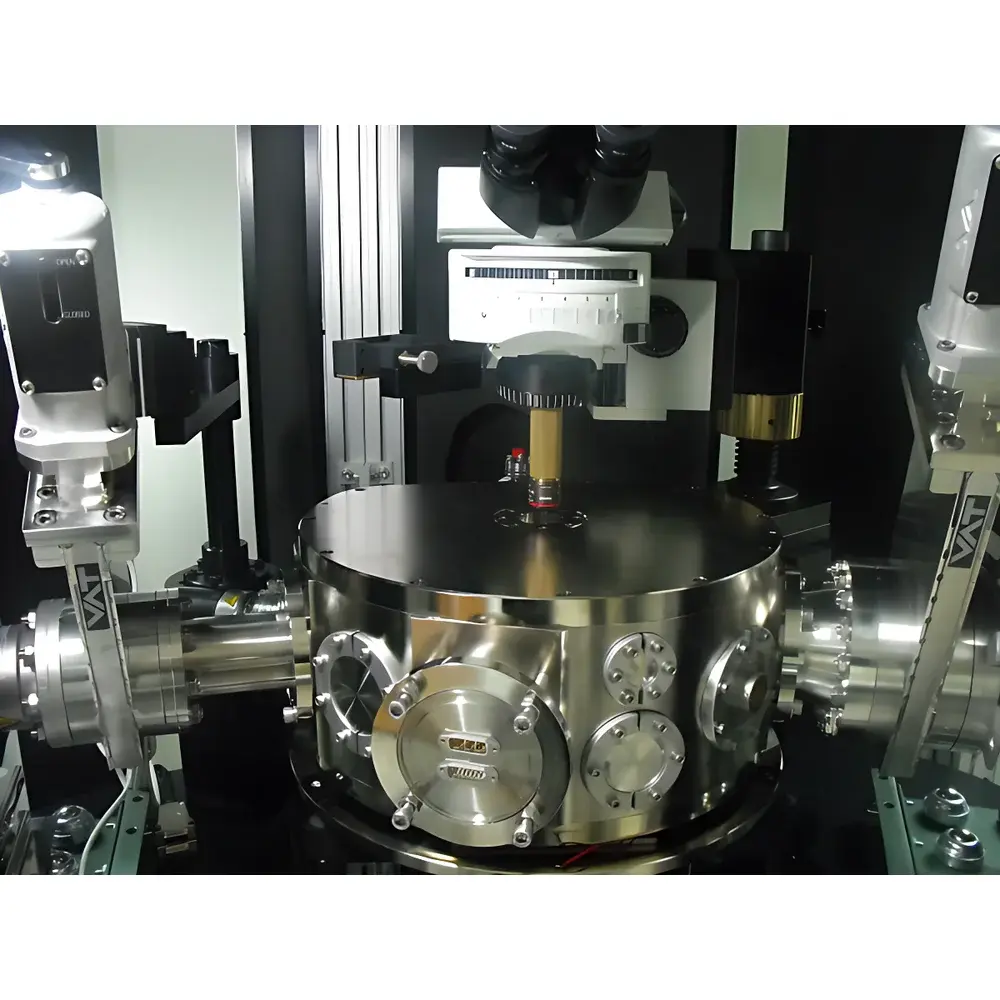
| Brand | Nanonics |
|---|---|
| Origin | Israel |
| Model | CryoView4000 |
| Z-positioning noise | <0.2 nm |
| Sample diameter | <100 mm |
| Sample thickness | <30 mm |
| Sample stage travel range | 80 µm × 80 µm × 70 µm |
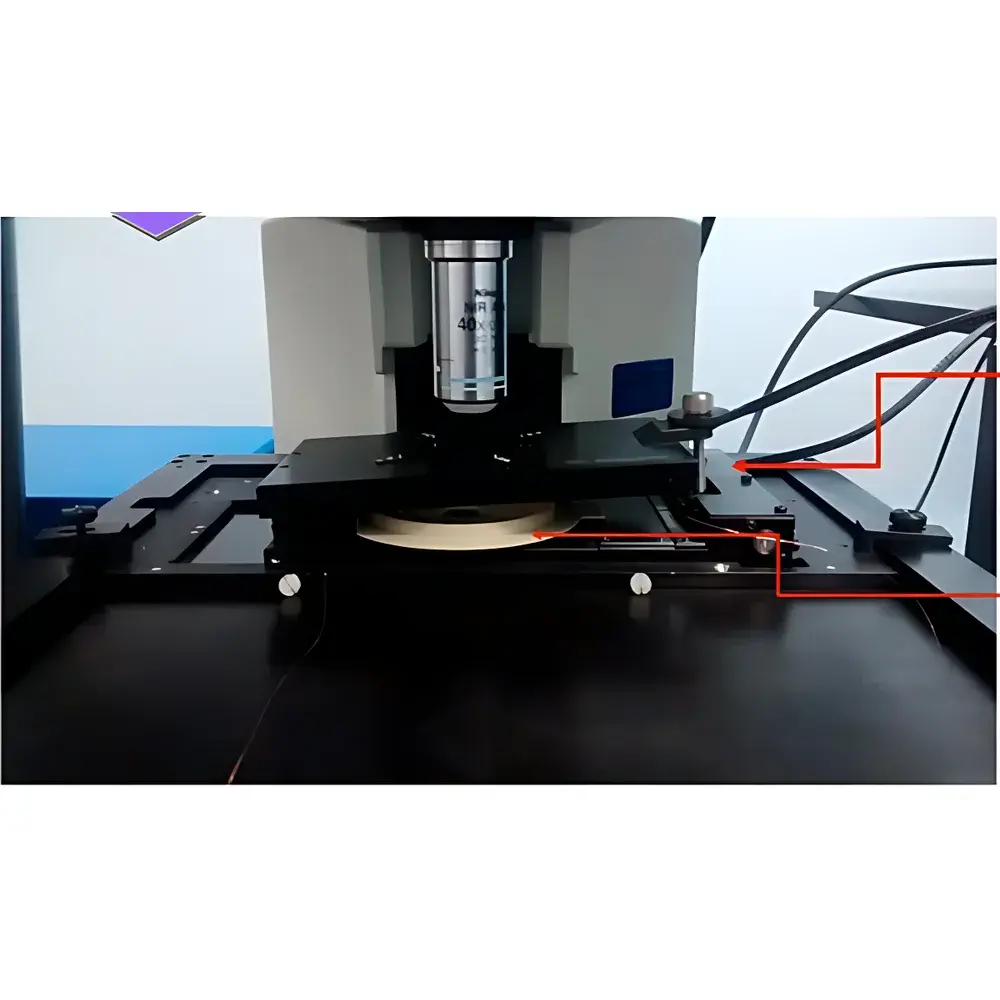
| Brand | Nanonics |
|---|---|
| Model | MV1000 / MV2000 / MV4000 |
| Instrument Type | AFM-Integrated Scanning Electrochemical Microscope |
| Z-Positioning Noise | 0.2 nm |
| Sample Diameter | < 6 mm |
| XYZ Scan Range | 80 µm × 80 µm × 80 µm |
| Probe | Hollow glass nanopipette with Pt nanowire electrode (50–100 nm tip diameter) |
| Electrochemical Control | Bipotentiostat (±10 V, ±0.25 A), current sensitivity: 10⁻¹²–0.1 A/V |
| Compatible Electrodes | Up to four side-mounted or back-contacted reference/counter electrodes (e.g., Ag/AgCl) |
| Liquid Cell Material | PEEK |
| Optical Access | Fully open top and bottom optical pathways |
| Environmental Options | Optional inert-gas chamber (N₂/Ar) |
| Software Compliance | Supports audit trail, user access control, and data integrity per FDA 21 CFR Part 11 requirements |
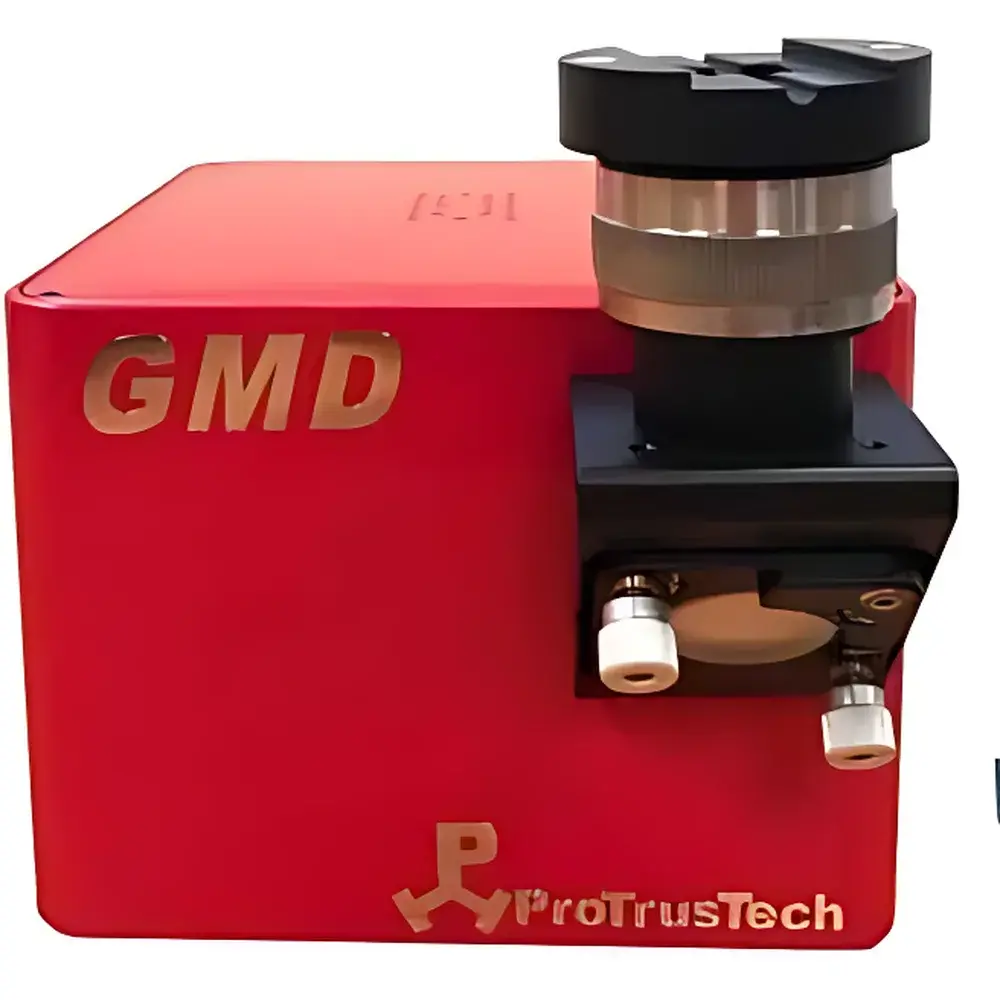
| Brand | ProTrusTech |
|---|---|
| Origin | Taiwan |
| Model | GMDX |
| Excitation Wavelengths | 532 nm & 785 nm |
| Dimensions (L×W×H) | 200 × 300 × 300 mm |
| Detector | High-Performance CCD |
| Laser Temperature Stabilization | Integrated |
| Safety Enclosure | Interlocked Laser-Safe Chamber with Shutter Control |
| Sample Stage | Motorized XYZ Translation Stage |
| Integrated Components | Coaxial Observation Camera, White LED Illumination, Rayleigh Calibration Source |
| Software | RAMSpec v3.x (Windows 7/8/10, 32/64-bit) |
| Data Export Formats | CSV, SPC, TXT, XLSX |
| Compliance | CE Marked, FDA 21 CFR Part 11–Ready Audit Trail (via optional software license), GLP/GMP-Compatible Workflow Logging |
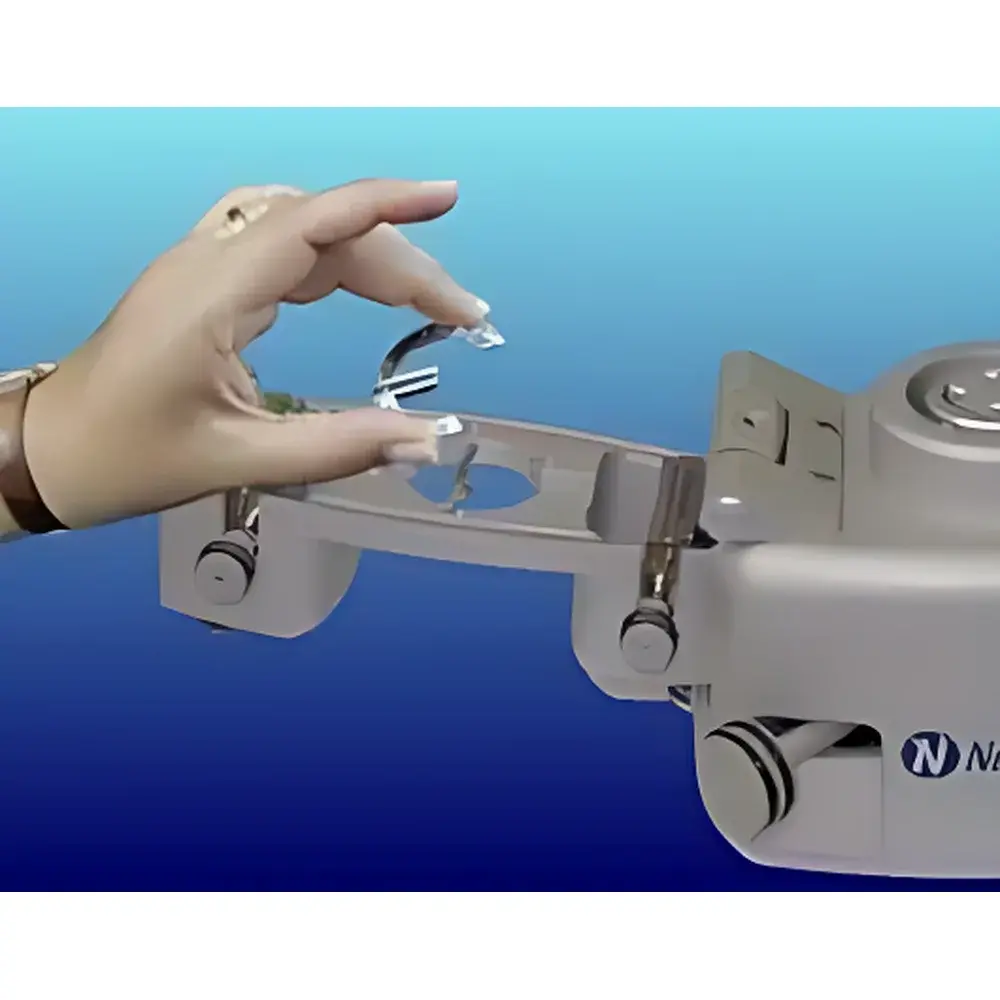
| Brand | Nanonics |
|---|---|
| Origin | Israel |
| Model | Academia |
| Instrument Type | Materials-Focused AFM |
| Primary Technique | Combined Scanning Probe Microscopy (SPM) with Integrated Near-Field Optical & Raman Capabilities |
| Scan Range | XY = 70 µm, Z = 5 µm (optional 10 µm scanner) |
| Positional Resolution | <1 nm (70 µm scanner), <0.1 nm (10 µm scanner) |
| Max Sample Size | 15 mm × 15 mm |
| Detection Method | Optical Beam Deflection |
| Operational Modes | Contact, Non-Contact, Tapping |
| Probe Compatibility | Nanonics glass probes, electro-thermal probes, NanoFountainPen™, and standard commercial SPM cantilevers |
| Software Platform | LabVIEW-based modular architecture with user-customizable modules |
| Compliance Ready | Designed for GLP/GMP-aligned workflows |
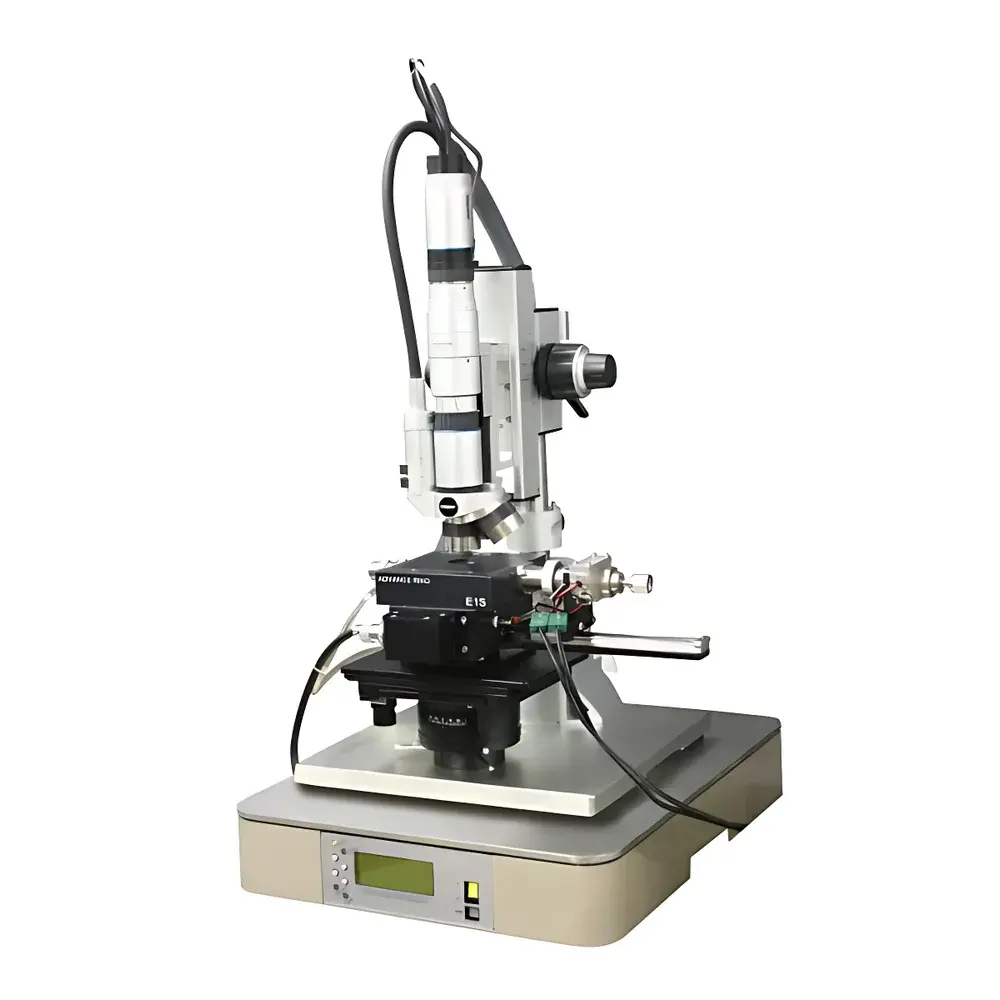
| Brand | ADVANCE RIKO |
|---|---|
| Origin | Japan |
| Model | TMS-E1S |
| Temperature Range | RT to 1600 °C |
| Atmosphere Options | Air, Vacuum, or Controlled Flow Gas (e.g., N₂, Ar, H₂) |
| Sample Capacity | Ø ≤ 4 mm × Thickness ≤ 2 mm |
| Heating/Cooling Rate | Up to 100 °C/s (dependent on sample and atmosphere) |
| Optical Configuration | Integrated Long-Working-Distance Objective with Real-Time Video Capture |
| Core Technology | Infrared Gold-Mirror Reflective Furnace Coupled with High-Resolution Optical Microscopy |
Show next