
BUCHI E-916 Accelerated Solvent Extractor
| Brand | BUCHI |
|---|---|
| Origin | Switzerland |
| Manufacturer | BUCHI AG |
| Instrument Type | Solid-Liquid Extraction System |
| Model | E-916 |
| Temperature Range | 50–200 °C |
| Pressure Range | 50–150 bar |
| Extraction Cell Volumes | 10, 20, 40, 60 mL |
| Extraction Time per Batch (6 samples) | 20–40 min |
| Sample Capacity | 6 positions |
| Dimensions (W × D × H) | 670 × 725 × 500 mm |
| Nitrogen Supply Requirement | 5–10 bar |
| Solvent Mixer | 4-port |
| Pump Flow Rate | 50 mL/min |
Overview
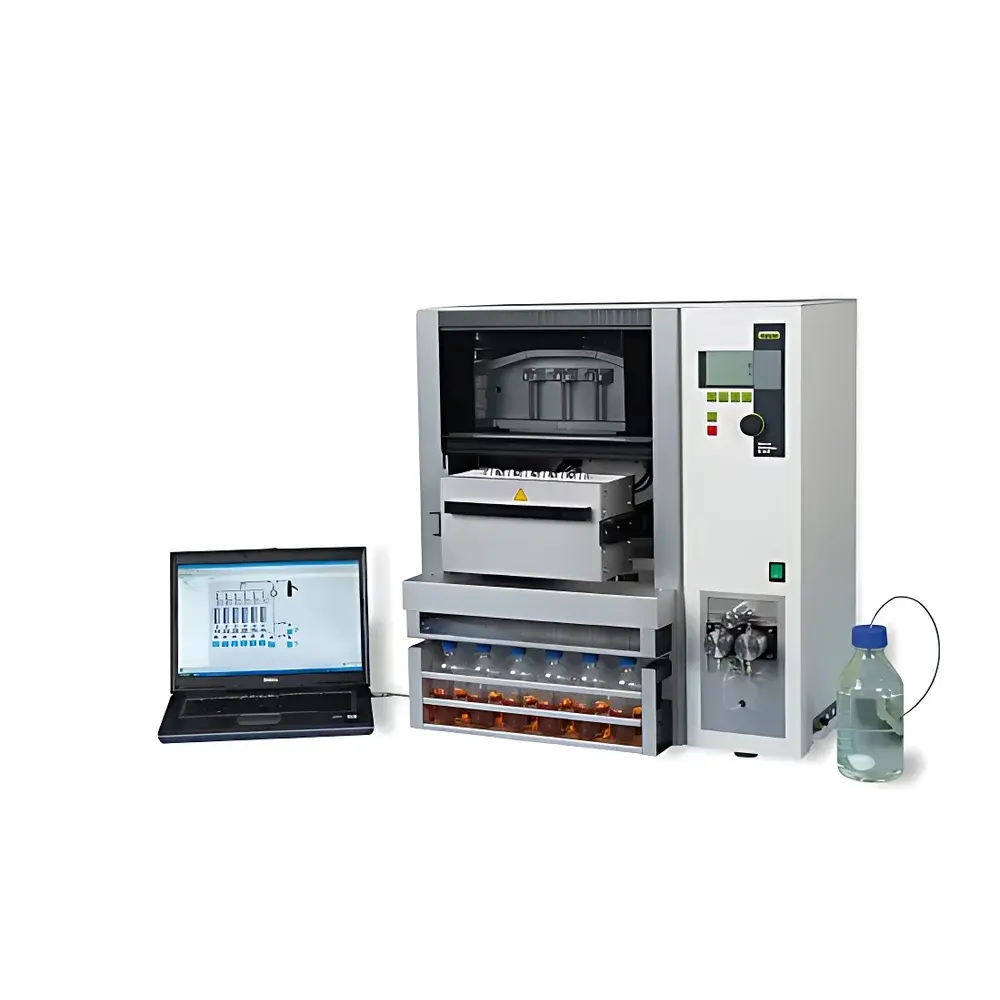
The BUCHI E-916 Accelerated Solvent Extractor is an automated, high-pressure, high-temperature solid-liquid extraction system engineered for precision, reproducibility, and throughput in regulated and research-intensive laboratories. Based on the principle of accelerated solvent extraction (ASE®-compatible methodology), it applies elevated temperature and pressure to enhance solute solubility and mass transfer kinetics—enabling rapid, efficient desorption of analytes from solid or semi-solid matrices (e.g., soils, sediments, foodstuffs, polymers, botanicals, and environmental filters). Unlike conventional Soxhlet or ultrasonic extraction, the E-916 delivers complete extractions in ≤40 minutes for a full batch of six samples, with minimal solvent consumption (typically 15–30 mL per extraction cycle) and no manual intervention post-loading. Its fully integrated fluidic architecture—including programmable solvent delivery, pressurized cell sealing, heated extraction, static/dynamic elution phases, and automatic waste diversion—ensures method robustness across diverse sample types and regulatory frameworks.
Key Features
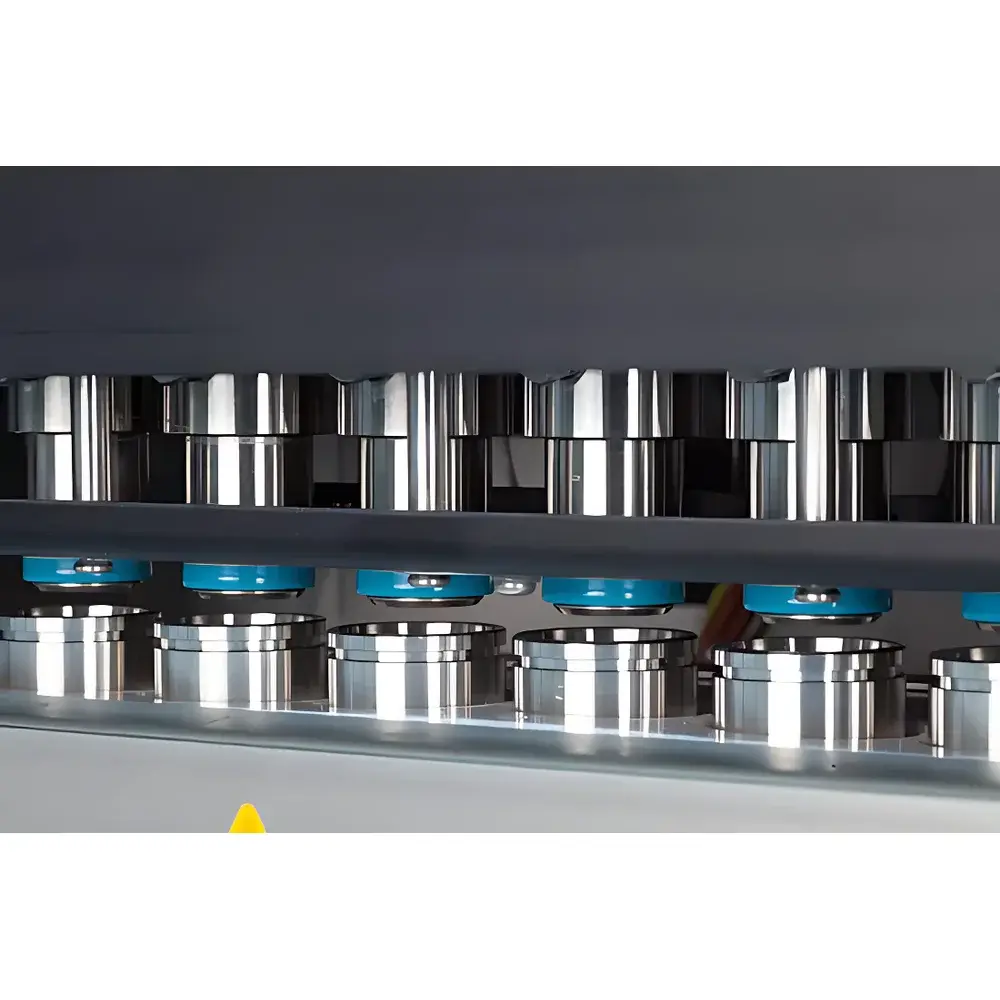
- Automated 6-position carousel with precise robotic positioning and pneumatic cell sealing—eliminating operator variability and ensuring consistent pressure integrity across all extraction cells.
- Independent temperature and pressure control: heating blocks maintain ±1 °C accuracy from 50 °C to 200 °C; hydraulic pressure regulation sustains stable 50–150 bar output with real-time feedback monitoring.
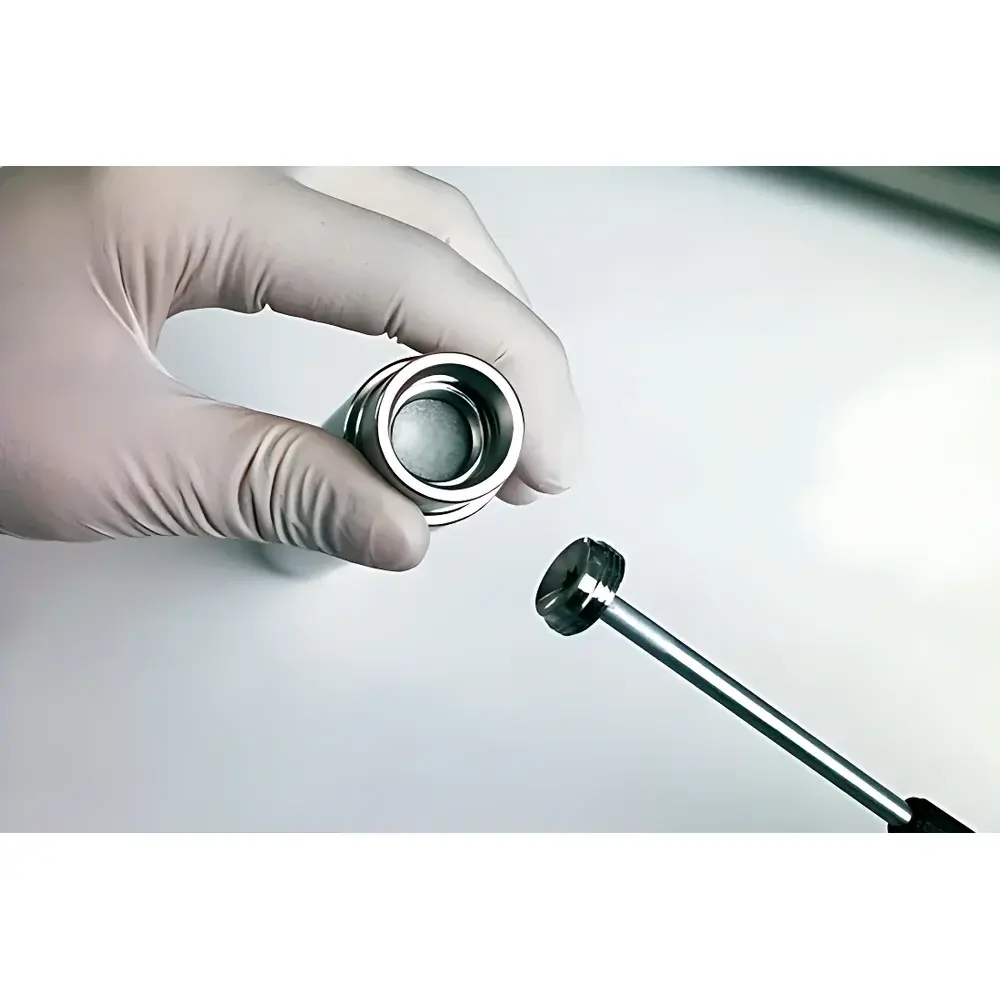
- Modular cell compatibility: accepts standardized stainless-steel extraction cells of 10, 20, 40, and 60 mL volumes—enabling scalable method development from trace-level residue analysis to bulk compositional profiling.
- Integrated 4-port solvent mixer supporting binary or quaternary gradient elution; compatible with common organic solvents (e.g., hexane, acetone, dichloromethane, methanol, ethyl acetate) and aqueous mixtures up to 100% water.
- Programmable extraction protocol: users define static time (1–20 min), flush volume (0–100% cell volume), purge duration (0–10 min), and number of cycles (1–5)—all stored with timestamped audit trails.
- Self-contained waste management: solvent-laden effluent is directed to a dedicated collection reservoir via thermally insulated tubing; optional inert gas (N₂, 5–10 bar) purging minimizes oxidation of labile analytes.
Sample Compatibility & Compliance
The E-916 accommodates heterogeneous solid matrices including but not limited to agricultural soils, activated carbon, pharmaceutical tablets, animal tissues, roasted coffee grounds, spent catalysts, and composite packaging materials. It supports validated methods aligned with EPA Methods 3545A and 3546, ASTM D7689, ISO 14507, and EN 16170. All system firmware and method logs comply with ALCOA+ data integrity principles. When paired with BUCHI’s LabX software (optional), the instrument meets FDA 21 CFR Part 11 requirements for electronic records and signatures—including role-based access control, full audit trail generation, and secure user authentication. Routine IQ/OQ documentation packages are available for GMP/GLP environments.
Software & Data Management
Control and data acquisition are managed via BUCHI’s intuitive touchscreen interface or remotely through LabX LIMS-integrated software. LabX provides centralized method storage, electronic signature workflows, automatic report generation (PDF/CSV), and seamless integration with chromatography data systems (CDS) such as Chromeleon or Empower. All extraction parameters—including actual temperature/pressure profiles, solvent delivery timing, and cell status—are logged at 1-second intervals and archived with SHA-256 hash verification. Raw data files are immutable and exportable in vendor-neutral formats compliant with ISO/IEC 17025 clause 7.5.2.
Applications
- Environmental testing: PAHs, PCBs, organochlorine pesticides, and petroleum hydrocarbons from soil and sediment.
- Food safety: mycotoxins (aflatoxin B1, ochratoxin A), fat-soluble vitamins, antioxidants (BHA/BHT), and pesticide residues in cereals, spices, and dairy powders.
- Pharmaceutical QC: active pharmaceutical ingredient (API) recovery from excipients, residual solvent quantification in granules, and extractables/leachables screening from polymer-based delivery devices.
- Materials science: plasticizer migration from PVC, flame retardants (PBDEs, HBCDD) from textiles, and additive extraction from rubber compounds.
- Academic research: metabolite profiling from plant biomass, lipidomics sample prep, and green chemistry optimization using subcritical water or ethanol/water mixtures.
FAQ
What safety certifications does the E-916 hold?
The instrument complies with IEC 61010-1 (Safety Requirements for Electrical Equipment for Measurement, Control, and Laboratory Use) and carries CE, UL, and CSA markings for global deployment.
Can the E-916 be integrated into an automated sample-to-report workflow?
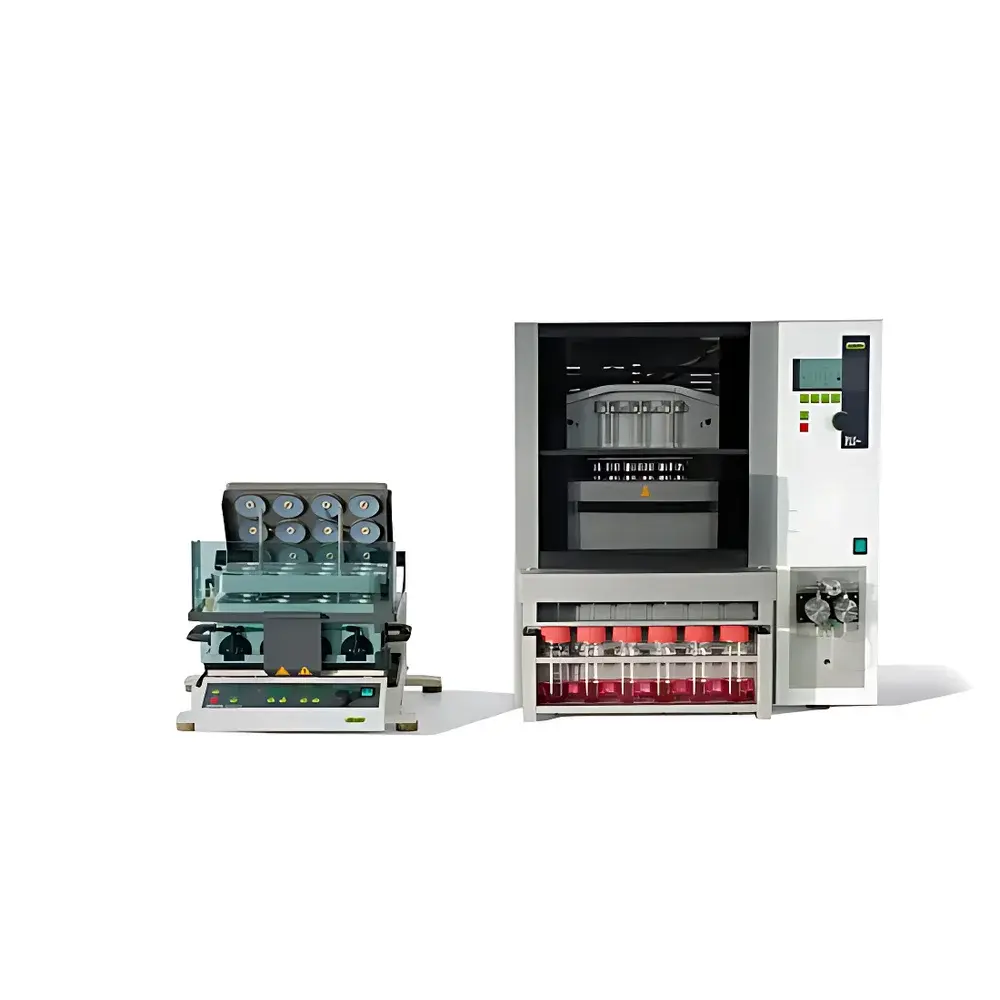
Yes—it interfaces directly with BUCHI Multivapor P-6 parallel evaporators and R-300 rotary evaporators via LabX, enabling unattended extraction, concentration, and vial-ready sample preparation.
Is method transfer from ASE® instruments straightforward?
All standard ASE methods (e.g., EPA 3545A) are directly translatable; BUCHI provides cross-platform validation templates and application notes documenting equivalency studies.
How is maintenance tracked and documented?
LabX includes a preventive maintenance scheduler with configurable alerts; service history, calibration logs, and component replacement records are stored within the same secure database as analytical data.
Does the system support unattended overnight operation?
Yes—fully autonomous batch processing is enabled by built-in thermal stabilization, pressure decay monitoring, and emergency shutdown logic triggered by temperature excursion or pressure loss.



