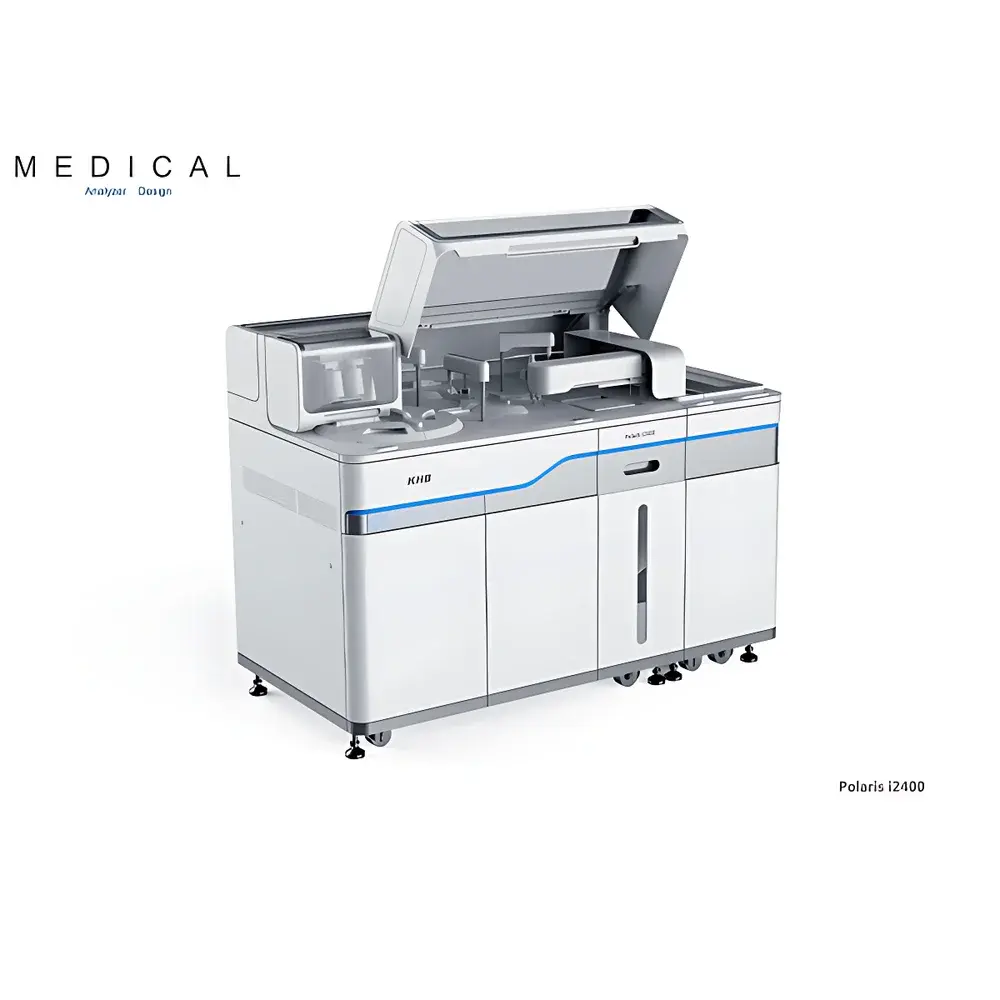
KHB Polaris i2400 Fully Automated Chemiluminescence Immunoassay Analyzer
| Brand | KHB |
|---|---|
| Origin | Shanghai, China |
| Manufacturer Type | Authorized Distributor |
| Country of Origin | China |
| Model | Polaris i2400 |
| Price Range | USD 28,000 – 70,000 (FOB Shanghai) |
| Assay Principle | Indirect Chemiluminescence |
| Automation Level | Fully Automated |
| Throughput | 240 tests/hour |
| Sample Types | Serum, plasma, and other liquid clinical specimens |
| Detection System | ALP-AMPPD chemiluminescent substrate system |
| Sensitivity | ≤10⁻²¹ mol/L |
| Temperature Control Accuracy | ±0.1°C |
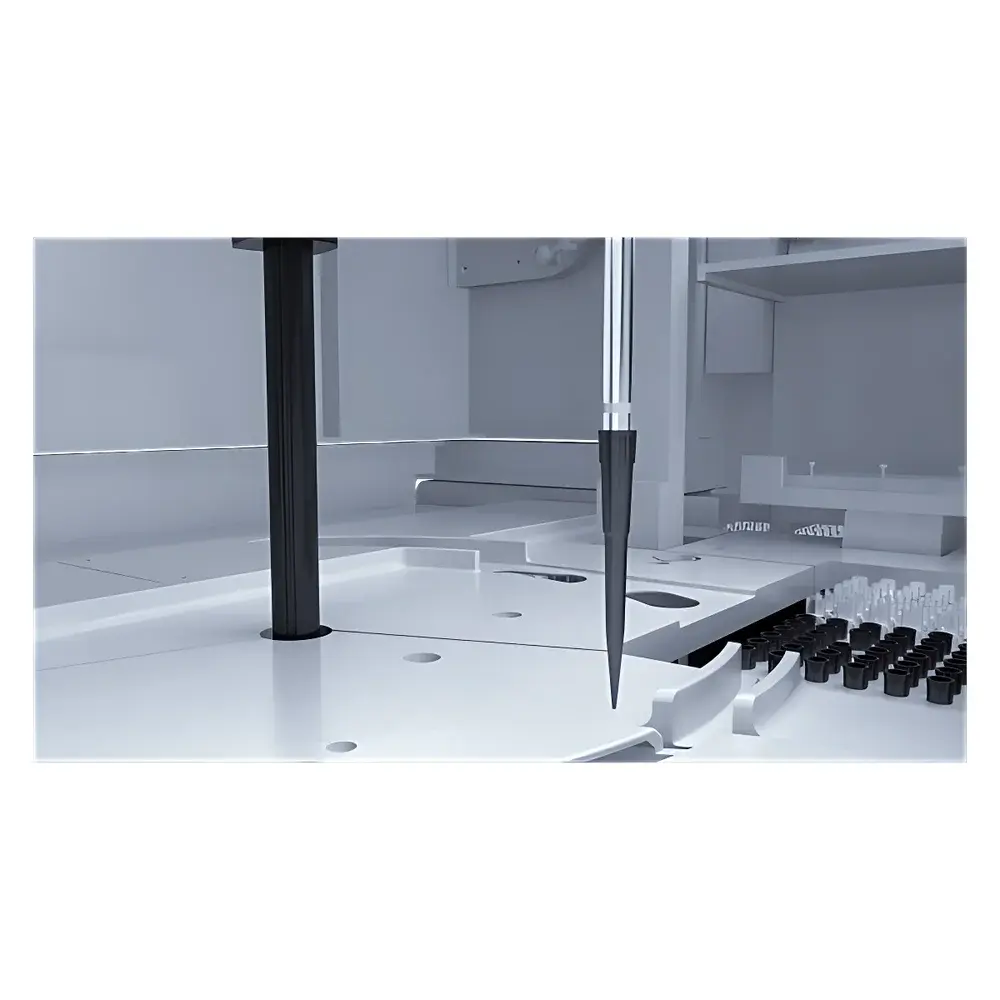
| Sample Carryover Prevention | Disposable tip/cup system |
| Regulatory Compliance | CE-IVD, NMPA Registration Class II/III (as per test menu), ISO 13485 certified manufacturing |
Overview
The KHB Polaris i2400 is a fully automated, high-throughput chemiluminescence immunoassay (CLIA) analyzer engineered for mid-to-large-scale clinical laboratories requiring reproducible, traceable, and regulatory-compliant serological and endocrine testing. It operates on the indirect chemiluminescence principle, utilizing alkaline phosphatase (ALP) conjugated antibodies and the highly sensitive AMPPD (3-(2′-spiroadamantane)-4-methoxy-4-(3″-phosphoryloxy)phenyl-1,2-dioxetane) substrate system to generate light emission proportional to analyte concentration. This detection architecture delivers sub-attomolar sensitivity (≤10⁻²¹ mol/L), enabling reliable quantification of low-abundance biomarkers including hormones (e.g., TSH, FT4), tumor markers (e.g., AFP, CEA), infectious disease antigens/antibodies (e.g., HBsAg, anti-HCV), and cardiac markers (e.g., Troponin I). The instrument’s modular architecture supports seamless integration with KHB’s complementary biochemistry or hematology modules, allowing scalable laboratory workflow consolidation without compromising assay integrity.
Key Features
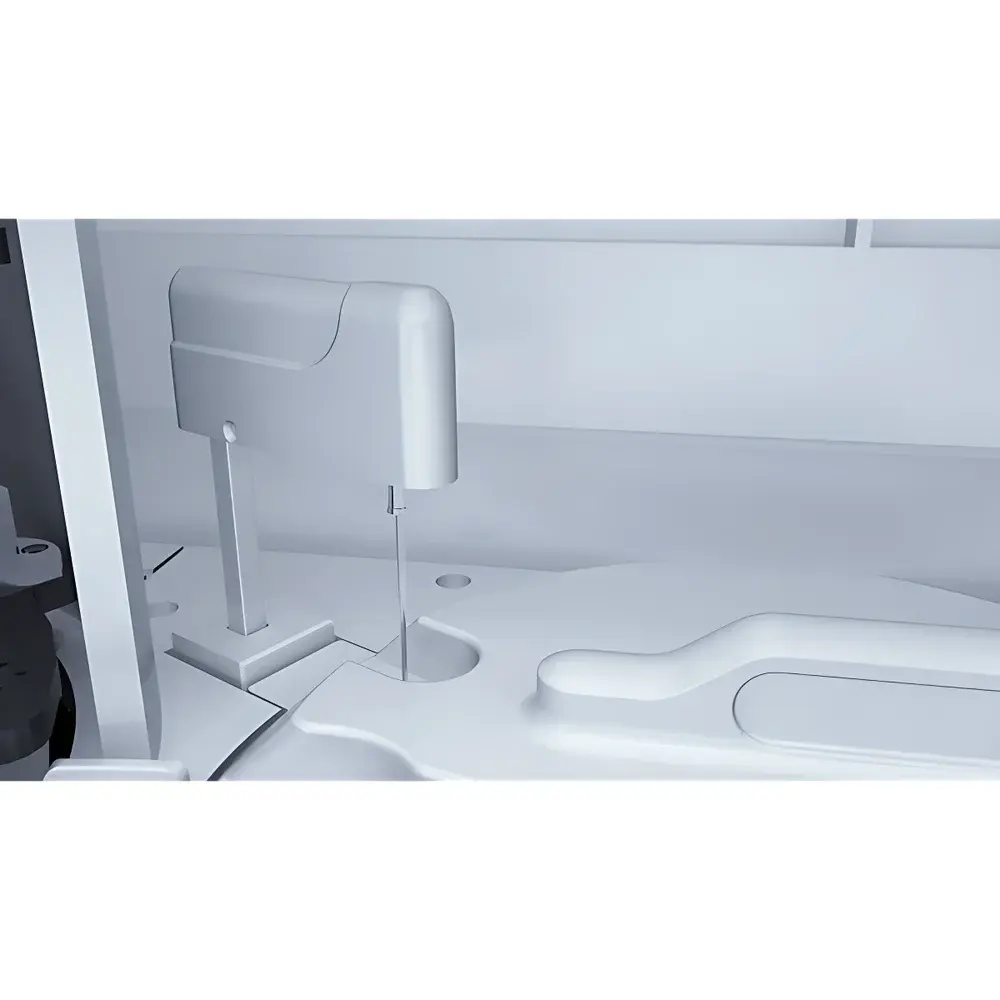
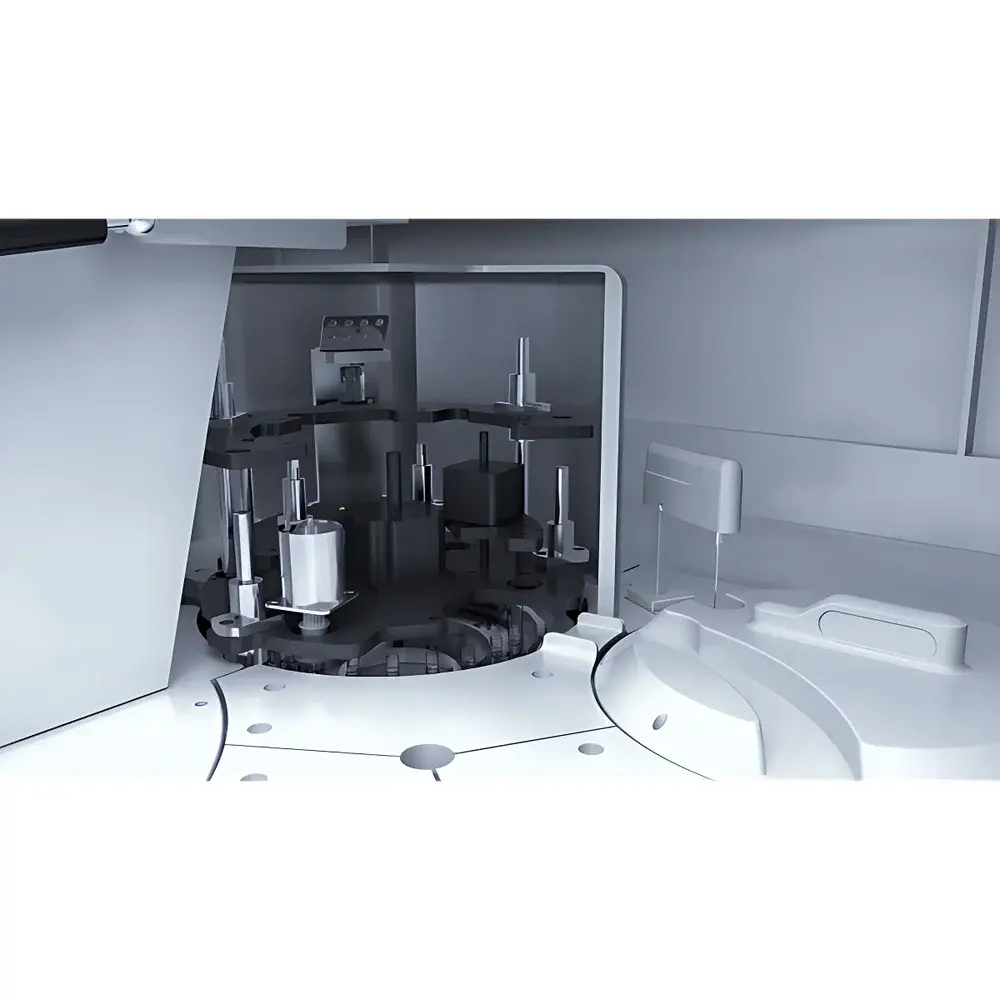
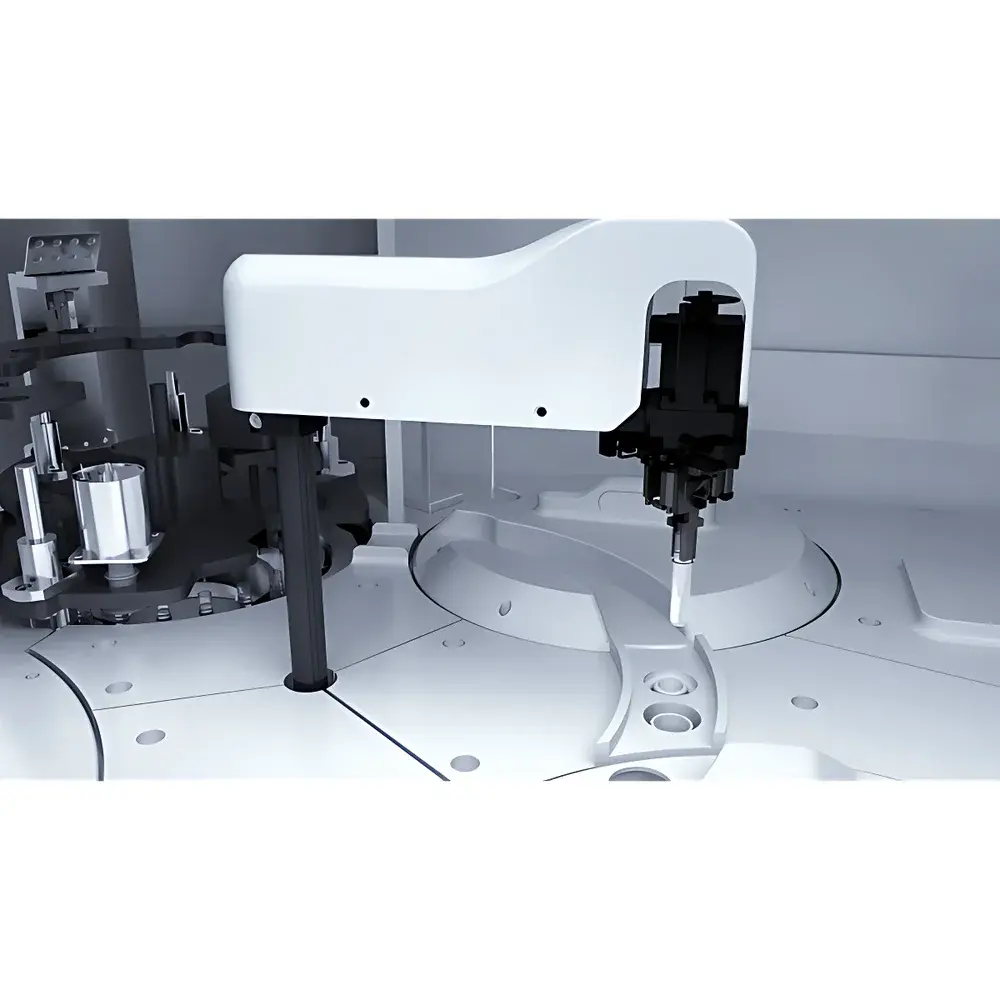
- Fully automated sample processing: integrated sample aspiration, reagent dispensing, incubation, magnetic particle separation, substrate addition, and light signal measurement—all executed without manual intervention.
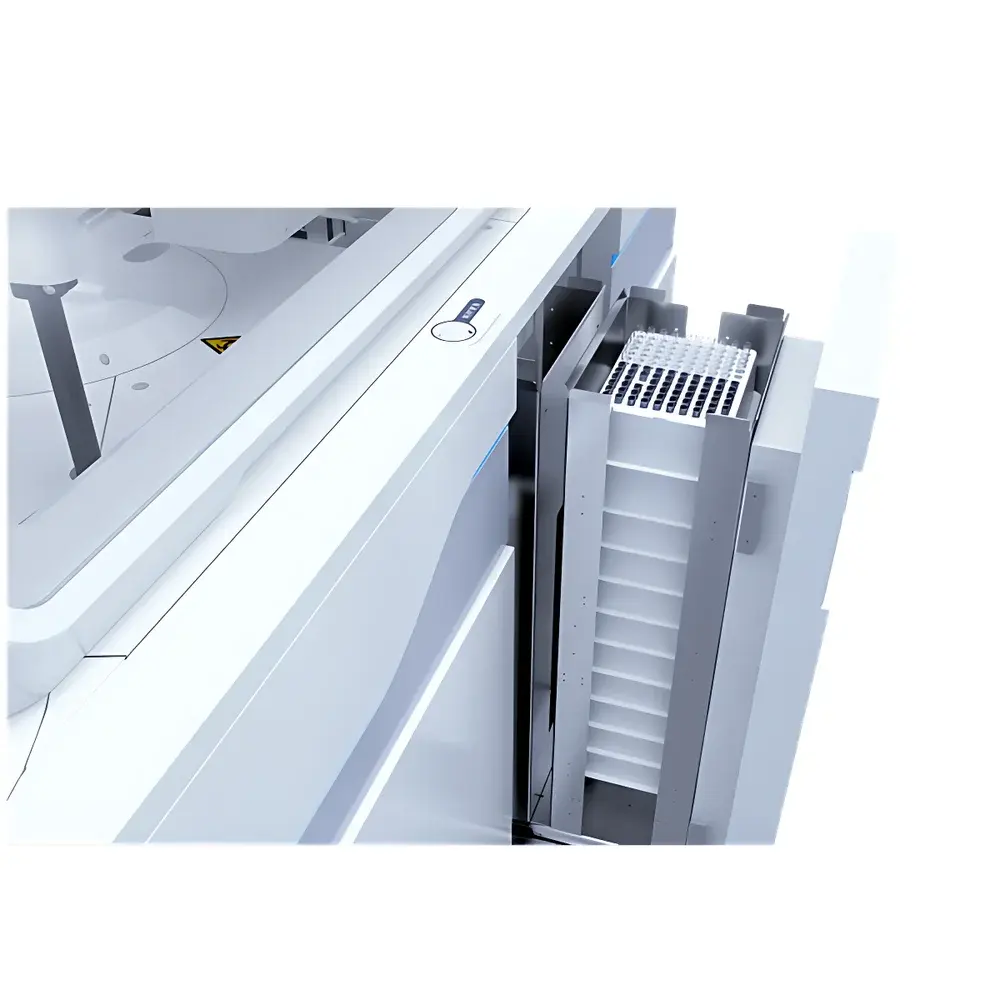
- 240-test-per-hour throughput with dual-channel continuous loading: enables uninterrupted operation during reagent cartridge and consumable tray replacement, minimizing downtime and supporting shift-based lab scheduling.
- Disposable tip and cup system: eliminates cross-contamination between samples and ensures compliance with CLIA carryover requirements (<0.1 ppm).
- Precision thermal management: solid-state Peltier-controlled reaction chambers maintain temperature stability within ±0.1°C across all incubation zones, critical for kinetic assay consistency and low CV performance.
- Pre-loaded consumable trays: standardized, barcode-scanned reagent kits and reaction cups reduce preparation time and human error while supporting full lot traceability.
- Integrated biohazard mitigation: automated cup-liquid separation and enclosed waste handling minimize operator exposure to biological aerosols—aligned with WHO Laboratory Biosafety Manual (4th ed.) and CLSI GP26-A4 recommendations.
Sample Compatibility & Compliance
The Polaris i2400 accepts primary tubes (vacutainer, serum separator, EDTA/K₂EDTA plasma tubes) and microtubes (0.5–2.0 mL) without decapping or transfer steps. It accommodates hemolyzed, lipemic, and icteric samples via built-in interference detection algorithms that flag spectral absorbance anomalies at 405 nm, 600 nm, and 700 nm. All assays are validated per CLSI EP12-A2 and EP15-A3 protocols. The platform is CE-marked under IVDR Annex II (Class D for certain infectious disease assays), holds NMPA registration for over 80 IVD test menus, and adheres to ISO 13485:2016 quality system requirements. Traceability is maintained through KHB’s accredited reference laboratory, which participates in IFCC reference measurement system programs and aligns calibrators to JCTLM-listed higher-order reference materials.
Software & Data Management
The Polaris i2400 runs on KHB’s proprietary LIMS-integrated operating system (v5.3), compliant with FDA 21 CFR Part 11 for electronic records and signatures. Audit trails log all user actions—including assay parameter changes, calibration events, QC result overrides, and maintenance interventions—with immutable timestamps and operator ID binding. Remote diagnostics, cloud-based firmware updates, and predictive maintenance alerts are delivered via encrypted TLS 1.3 channels. Data export supports HL7 v2.5.1 and ASTM E1384 formats; raw luminescence counts, calibration curves, and QC charts are stored in DICOM-SR-compatible structured reports for PACS integration.
Applications
The system supports routine and specialized testing across multiple clinical disciplines: endocrinology (cortisol, insulin, LH/FSH), oncology (PSA, CA125, CA19-9), cardiology (BNP, NT-proBNP, hs-cTnI), infectious disease (HIV Ag/Ab combo, syphilis TP-ELISA confirmation, SARS-CoV-2 nucleocapsid IgG), and autoimmunity (ANA screening, anti-dsDNA). Its ALP-AMPPD chemistry provides superior signal-to-noise ratios for small-molecule analytes such as thyroxine-binding globulin (TBG) and vitamin D metabolites, where conventional HRP-based systems exhibit higher background interference.
FAQ
What regulatory certifications does the Polaris i2400 hold for international deployment?
The analyzer carries CE-IVD marking under Regulation (EU) 2017/746 and is registered with China’s NMPA for clinical use. Specific assay kits are validated per ISO 15189:2022 and meet CLSI EP17-A2 limits for limit-of-blank and limit-of-detection.
Can the Polaris i2400 interface with third-party LIS/HIS platforms?
Yes—it supports bidirectional HL7 ADT/ORU messaging, ASTM connectivity, and custom API integration via RESTful web services for enterprise-level middleware compatibility.
Is remote software update functionality auditable and secure?
All cloud-delivered updates undergo SHA-256 signature verification prior to installation; update logs—including version hash, timestamp, and initiating user—are retained in the audit trail for ≥10 years per GLP/GMP retention policies.
How is calibration traceability ensured across global laboratory networks?
KHB provides multi-level calibration material sets traceable to NIST SRM 965a (human serum proteins) and IRMM-469 (thyroid hormone standards), with certificate of analysis issued per ISO/IEC 17025:2017 by KHB’s CNAS-accredited reference lab.
What maintenance intervals are recommended for optimal long-term precision?
Preventive maintenance is scheduled every 6 months or after 10,000 test cycles, covering optical path validation, pipetting accuracy verification (per ISO 8655-6), and magnetic separation efficiency testing using KHB-certified QC beads.