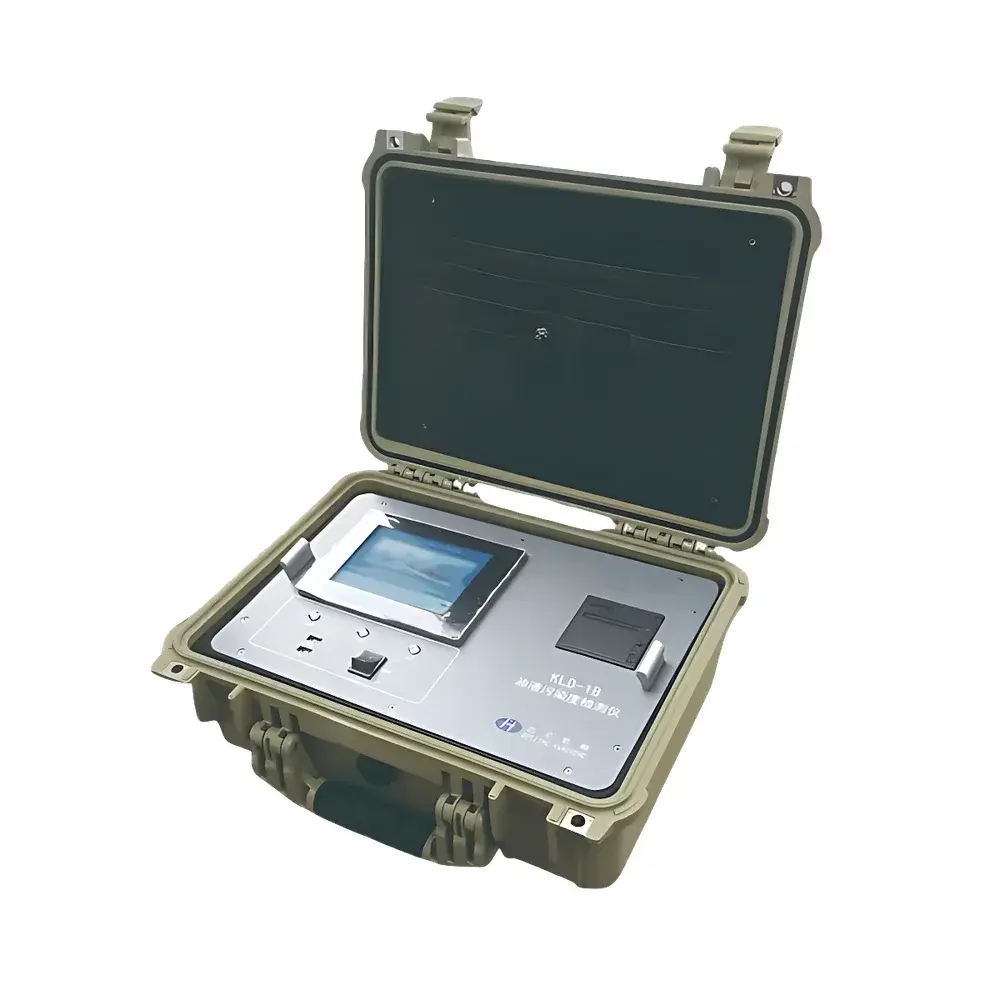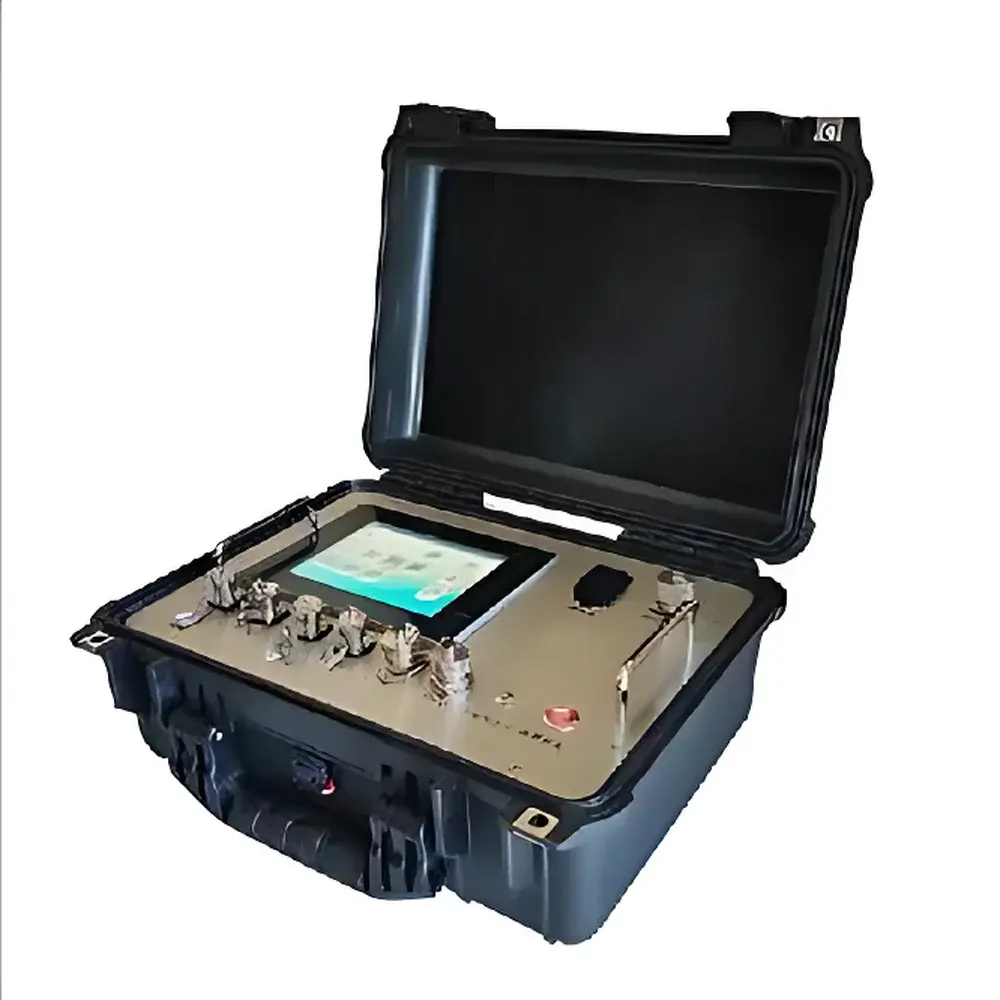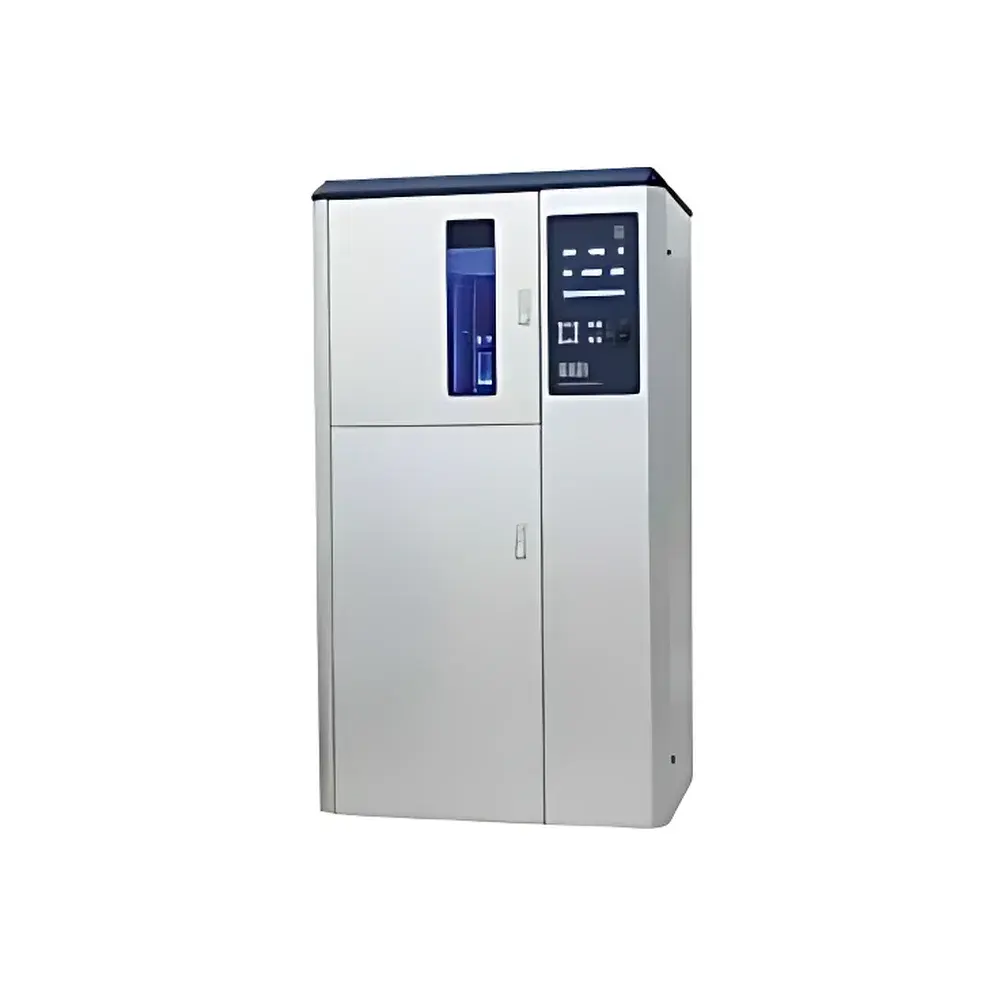
Q-LAB Q-SUN Xe-2 Xenon Arc Weatherometer for Color Fastness Testing
| Brand | Q-LAB |
|---|---|
| Origin | USA |
| Model | Q-SUN Xe-2 |
| Light Source | Full-spectrum xenon arc lamp |
| Irradiance Control Points | 340 nm, 420 nm, or TUV (300–400 nm) |
| Humidity Control | Standard relative humidity (RH) regulation |
| Water Spray | Optional top-mounted nozzle, programmable in light/dark cycles |
| Sample Mounting | Rotating drum with vertical specimen orientation |
| Temperature Monitoring | Black panel temperature + chamber air temperature |
| Compliance | ASTM G155, ISO 105-B02, ISO 11341, AATCC TM16, GB/T 8427 |
| Connectivity | Built-in Ethernet interface |
| Calibration | AUTO-CAL automated calibration system |
| Language Support | English, French, Spanish, Italian, German |
Overview
The Q-LAB Q-SUN Xe-2 Xenon Arc Weatherometer for Color Fastness Testing is an industry-standard instrument engineered to replicate the photodegradative effects of natural sunlight, moisture, and heat on textile materials under controlled laboratory conditions. Utilizing a full-spectrum xenon arc lamp that closely matches the spectral power distribution (SPD) of terrestrial solar radiation—particularly critical in the UV-A, visible, and near-infrared regions—it enables accelerated assessment of color fastness to light and weathering per globally recognized textile testing standards. Unlike UV fluorescent or metal halide systems, the xenon arc source delivers authentic solar simulation across 290–800 nm, making it the preferred method for evaluating dye stability, pigment migration, and fabric degradation mechanisms in dyed, printed, and coated textiles. The Q-SUN Xe-2 operates continuously (24/7), delivering up to 24 hours per day of peak-intensity irradiance equivalent to solar noon—dramatically compressing exposure timelines from months or years in outdoor exposure to days or weeks in the lab.
Key Features
- Full-spectrum xenon arc lamp with spectral match to CIE Standard Illuminant D65 and ISO/CIE daylight reference spectra
- Precise irradiance control at user-selectable monitoring wavelengths: 340 nm (for UV-driven degradation), 420 nm (for visible-light-sensitive materials), or integrated TUV band (300–400 nm)
- Independent regulation of relative humidity (RH) and chamber air temperature, with real-time digital display and closed-loop feedback control
- Optional water spray system featuring a single top-mounted nozzle; programmable activation during light or dark phases to simulate dew, rain, or condensation cycles
- Rotating drum sample holder enabling uniform angular exposure and consistent irradiance distribution across all specimens
- Simultaneous black panel temperature (BPT) and chamber air temperature monitoring and control—critical for correlating thermal stress with photochemical degradation
- Built-in Ethernet port supporting remote data logging, protocol-based test sequencing, and integration into LIMS or centralized QA/QC networks
- AUTO-CAL patent-pending automated calibration routine reducing operator dependency and ensuring traceable, repeatable sensor performance
- Intuitive multilingual touchscreen interface (English, French, Spanish, Italian, German) with context-sensitive help and guided setup workflows
Sample Compatibility & Compliance
The Q-SUN Xe-2 accommodates standard textile specimens mounted vertically on the rotating drum—compatible with AATCC, ISO, and GB/T specimen dimensions (e.g., 100 × 40 mm strips or swatches). Its design supports both single-layer and multi-layer fabric configurations, including knits, wovens, nonwovens, and laminated composites. The instrument meets the core requirements of ASTM G155 (Practice for Operating Xenon Arc Lamp Apparatus for Exposure of Non-Metallic Materials), ISO 105-B02 (Textiles — Tests for Colour Fastness — Part B02: Colour Fastness to Artificial Weathering: Xenon Arc Radiation), ISO 11341 (Paints and Varnishes — Artificial Weathering and Exposure to Intense Radiation), and AATCC TM16 (Colorfastness to Light). It is routinely validated for GLP-compliant textile laboratories and supports audit-ready documentation per FDA 21 CFR Part 11 when paired with compliant software platforms.
Software & Data Management
The embedded controller firmware provides real-time graphical display of irradiance, RH, BPT, and chamber temperature, with automatic data capture at user-defined intervals (e.g., every 30 seconds). Export formats include CSV and XML, facilitating post-test analysis in Excel, MATLAB, or statistical process control (SPC) tools. Optional Q-LAB’s SunTest® Software extends functionality with multi-user access control, electronic signature support, customizable report templates, and secure audit trails—including timestamped event logs for parameter changes, calibration events, and alarm triggers. All operational data—including lamp hours, filter status, and sensor drift history—is retained onboard for regulatory review and long-term trend analysis.
Applications
- Accelerated color fastness evaluation of reactive, disperse, vat, and acid dyes on cotton, polyester, nylon, wool, and blended fabrics
- Assessment of optical brightener stability under prolonged UV exposure
- Validation of UV absorbers and hindered amine light stabilizers (HALS) in functional textiles
- Correlation studies between laboratory xenon exposure and real-world outdoor aging (e.g., Arizona desert, Florida subtropical)
- Pre-qualification of new dye formulations prior to field trials
- Quality assurance in batch-to-batch consistency testing for OEM textile suppliers
- Research into photooxidation kinetics and chromophore degradation pathways using time-resolved reflectance spectroscopy
FAQ
What standards does the Q-SUN Xe-2 comply with for textile color fastness testing?
It fully supports ASTM G155, ISO 105-B02, ISO 11341, AATCC TM16, and GB/T 8427, with configurable irradiance setpoints and humidity profiles aligned to each method.
Can the Q-SUN Xe-2 replicate both dry and wet exposure cycles?
Yes—standard RH control enables precise humidification; optional water spray adds realistic wetting events during light or dark phases, simulating dew formation or intermittent rainfall.
How is irradiance stability maintained over lamp lifetime?
The closed-loop irradiance control system continuously monitors lamp output via calibrated broadband or narrowband sensors and dynamically adjusts power to maintain target irradiance within ±5% tolerance.
Is the Q-SUN Xe-2 suitable for small-scale R&D labs?
Its compact footprint, plug-and-play installation, and low maintenance requirements—including tool-free lamp and filter replacement—make it ideal for academic, contract testing, and tier-2 textile labs.
Does the system support traceable calibration and audit readiness?
Yes—AUTO-CAL ensures rapid, operator-independent recalibration; built-in diagnostics log all sensor health metrics, and optional SunTest® software provides 21 CFR Part 11–compliant electronic records.