
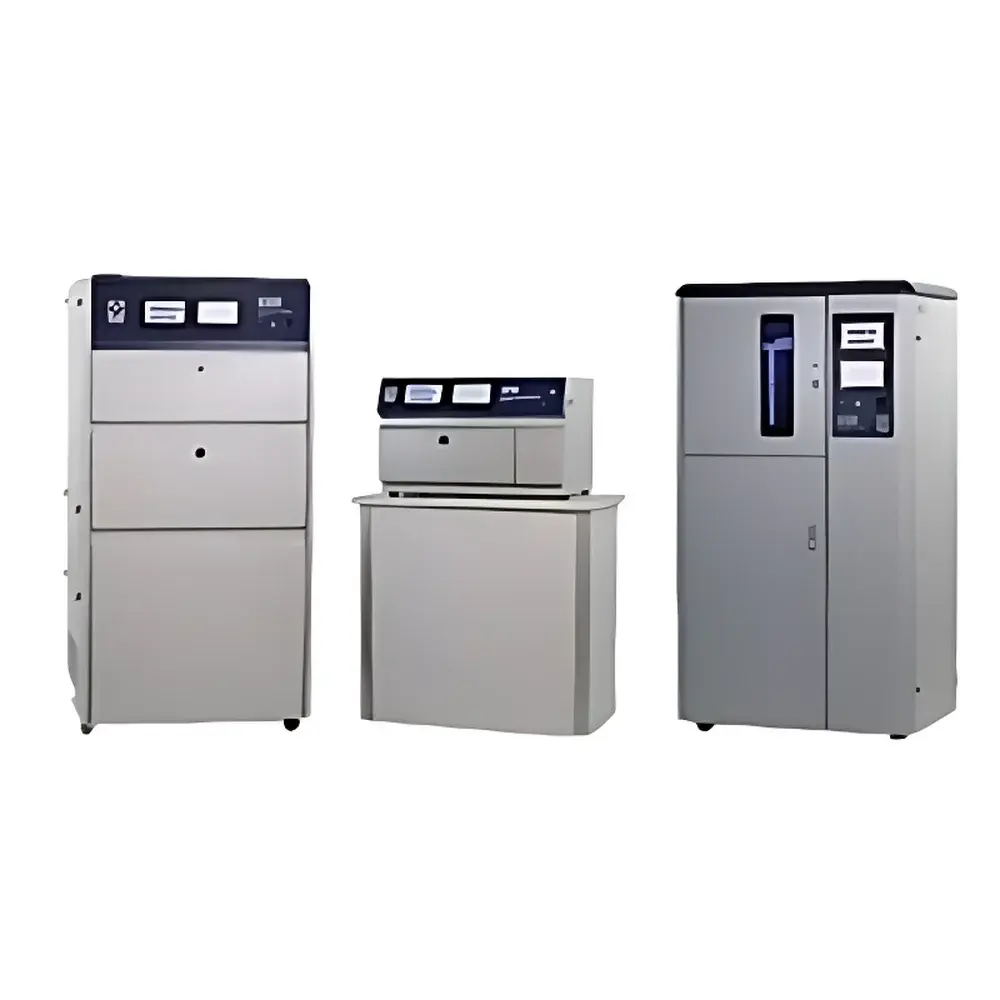
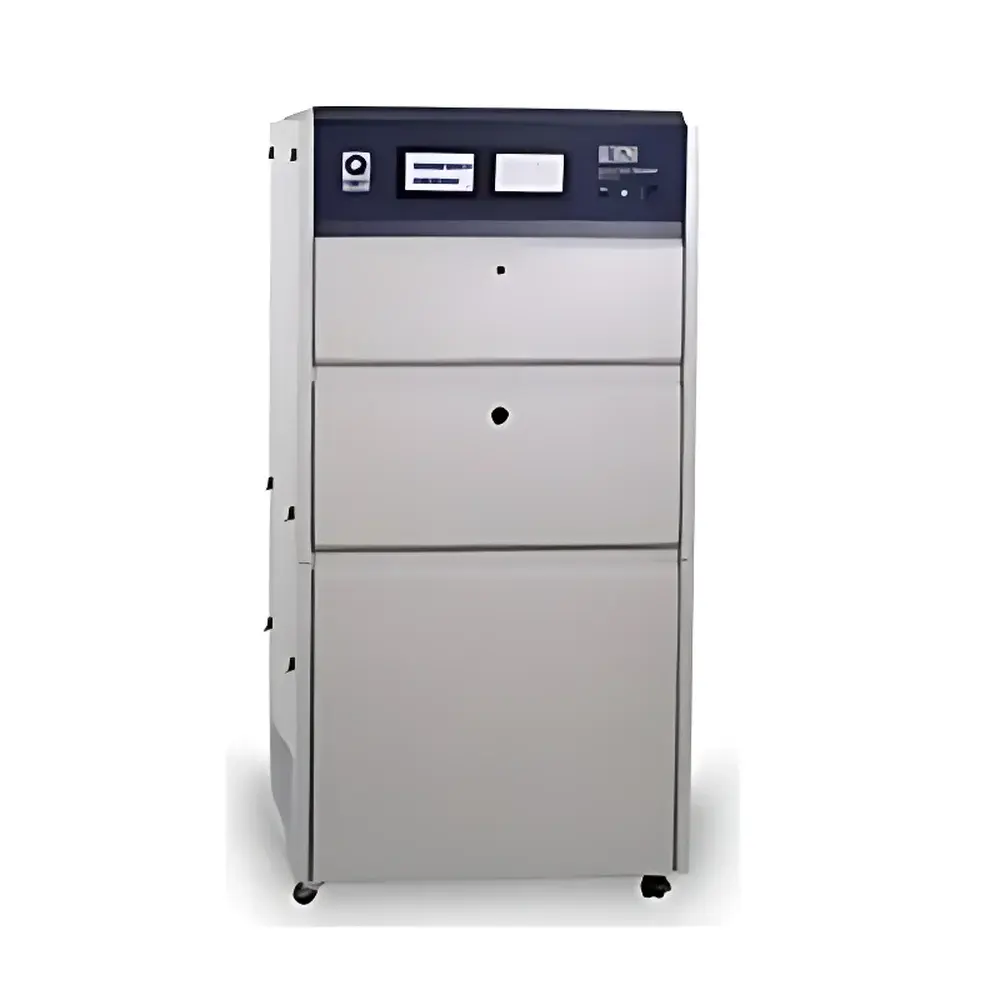
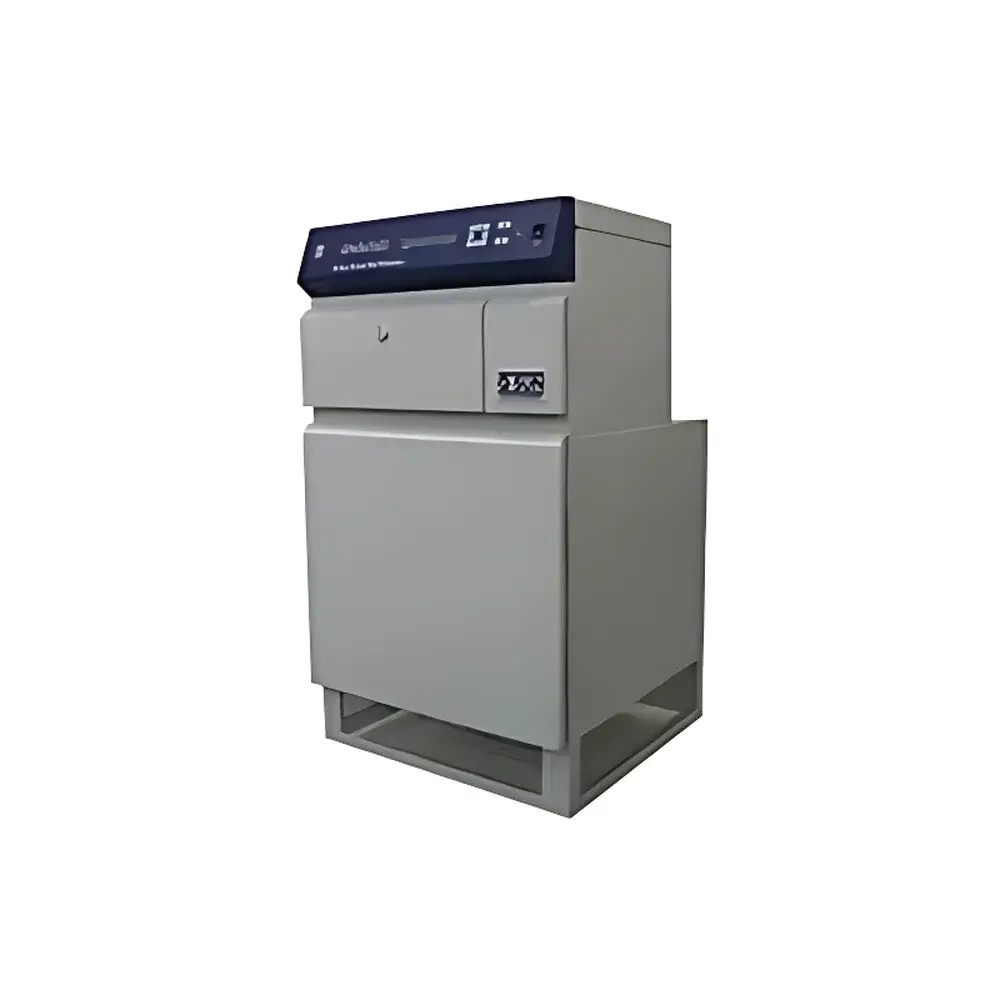
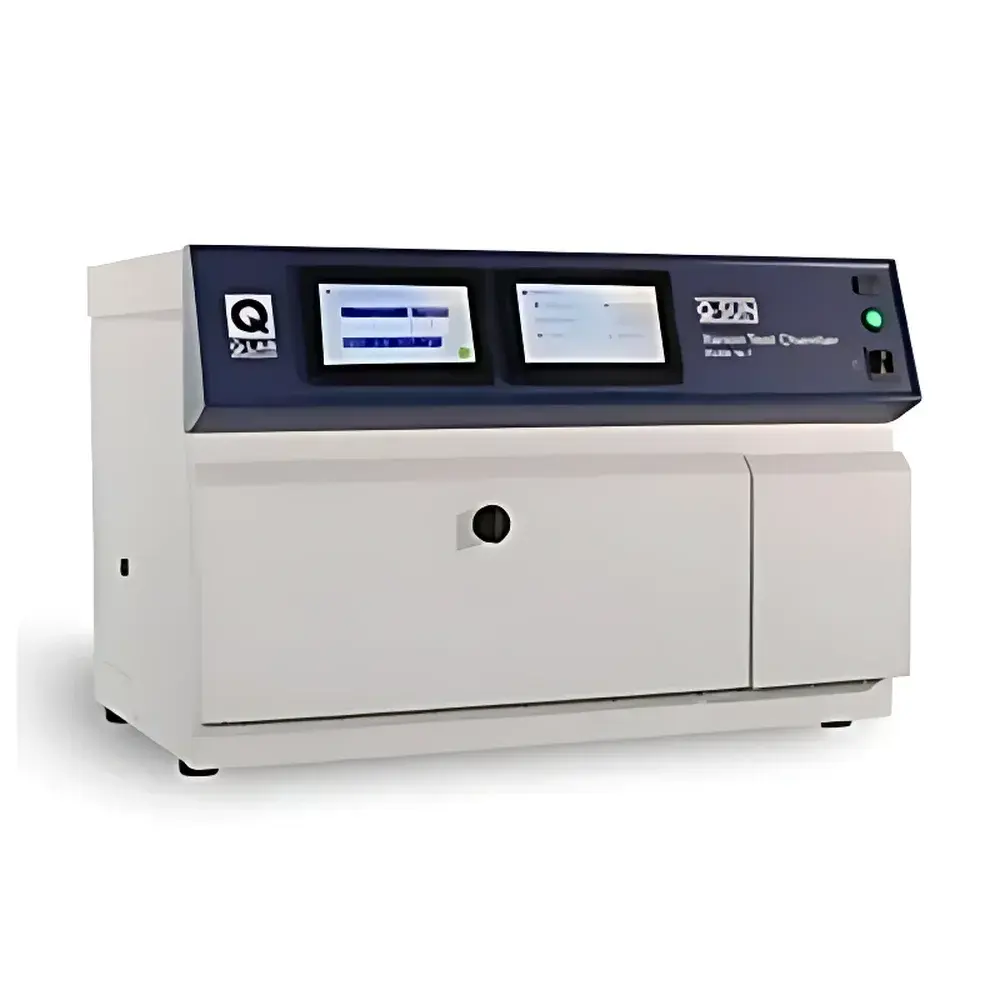
Q-LAB Q-SUN Xenon Arc Weathering Test Chamber
| Brand | Q-LAB |
|---|---|
| Origin | USA |
| Manufacturer Type | Authorized Distributor |
| Product Category | Imported Instrument |
| Model | Q-SUN Series (Xe-1, Xe-2, Xe-3) |
| Radiation Intensity | ≤1800 W/m² |
| Light Exposure Cycle | 1–9999 h, continuously adjustable |
| Humidity Control Range | 10–95% RH (model-dependent) |
| Cooling Method | Air-cooled xenon lamps |
| Lamp Life | ~1500 hours |
| Compliance | ASTM G151, G154, ISO 4892-2, SAE J2412, IEC 60068-2-5, FDA 21 CFR Part 11 (software-enabled configurations), GLP/GMP-ready audit trails |
Overview
The Q-LAB Q-SUN Xenon Arc Weathering Test Chamber is an engineered solution for accelerated weathering and light stability evaluation of materials under controlled, reproducible conditions. Utilizing air-cooled xenon arc lamps filtered to replicate the full solar spectrum—including ultraviolet (UV), visible, and near-infrared (NIR) radiation—the Q-SUN series delivers high-fidelity simulation of natural sunlight exposure. Unlike narrow-band UV sources, xenon arc technology enables accurate assessment of photodegradation mechanisms involving color shift, gloss loss, chalking, cracking, and polymer chain scission—particularly critical for organic pigments, automotive coatings, architectural finishes, and medical device polymers. The system operates on the principle of controlled irradiance exposure combined with synchronized environmental stressors: regulated relative humidity, black-panel or black-standard temperature monitoring, optional water spray cycles, and programmable dark/light phases. This multi-stress methodology aligns with internationally recognized accelerated testing frameworks, supporting both comparative ranking and quantitative lifetime prediction when correlated with field exposure data.
Key Features
- Full-spectrum xenon arc illumination with interchangeable optical filters (Daylight, Window Glass, Extended UV) to simulate diverse exposure environments—from equatorial desert to shaded indoor display.
- Three platform configurations: Xe-1 (compact single-lamp benchtop unit), Xe-2 (rotating drum design for standardized specimen arrays per ISO 105-B02 and AATCC TM16), and Xe-3 (high-capacity flat-bed chamber with triple-lamp array and extended sample area up to 451 mm × 718 mm).
- Precision humidity control (10–95% RH) via integrated steam humidifier; independent calibration traceable to NIST standards.
- Water spray system using deionized water (≤1 ppm total dissolved solids for S-type models) with programmable timing during light or dark cycles to emulate dew, rain, and thermal shock effects.
- Intelligent irradiance monitoring with real-time feedback control; automatic lamp power adjustment maintains setpoint intensity across lamp aging cycle.
- Comprehensive thermal management: black-panel temperature range 25–120°C; chamber air temperature stability ±0.5°C; IR-filtered operation available for reduced thermal load.
- Modular architecture supports future upgrades including Ethernet-based remote monitoring, electronic logbook, and 21 CFR Part 11-compliant software packages (Q-SUN Touch™ with audit trail and user access controls).
Sample Compatibility & Compliance
The Q-SUN accommodates planar specimens (e.g., coated panels, films, textiles) as well as three-dimensional components up to 150 mm in height (Xe-3). Standard specimen holders accept ISO 105-B02, ASTM D2244, and AATCC TM16-compliant formats. Rotating drum configuration (Xe-2) ensures uniform exposure across 31 specimens (46 mm × 122 mm each), satisfying stringent textile and leather industry protocols. All models comply with core international weathering standards: ASTM G151 (exposure apparatus calibration), ASTM G154 (UV fluorescent lamp reference), ISO 4892-2 (xenon arc methods), SAE J2412 (automotive interior materials), and IEC 60068-2-5 (radiation testing). Optional accessories enable compliance with pharmaceutical stability protocols (ICH Q1A–Q1E) when paired with validated temperature/humidity mapping and data integrity modules.
Software & Data Management
Q-SUN systems integrate with Q-LAB’s proprietary Touch™ interface—featuring intuitive touchscreen navigation, multi-user role-based access, and automated test method recall. Real-time data logging captures irradiance (W/m² @ 340 nm), black-panel temperature, chamber humidity, and spray status at user-defined intervals (minimum 1-minute resolution). Export formats include CSV and PDF reports compliant with GLP and GMP documentation requirements. When configured with Q-SUN Connect™, units support secure cloud-based data backup, remote diagnostics, and centralized fleet management across multi-site laboratories. Audit trail functionality records all parameter changes, user logins, calibration events, and report generation—fully aligned with FDA 21 CFR Part 11 electronic record and signature requirements.
Applications
The Q-SUN platform serves R&D, QC, and regulatory submission workflows across sectors where long-term durability under solar exposure is mission-critical. In automotive engineering, it validates dashboard materials against SAE J2412 and GMW14124. In packaging, it assesses UV barrier performance of laminated films per ASTM D7209. Coatings manufacturers use it for ISO 11341 cyclic corrosion/weathering correlation studies. Medical device firms apply it to evaluate photochemical stability of silicone elastomers and drug-eluting polymer matrices per USP . Academic researchers employ it in polymer degradation kinetics modeling, leveraging its stable spectral output and calibrated irradiance for Arrhenius-based lifetime extrapolation. Its flexibility in cycle programming also supports niche applications such as museum conservation science (lightfastness of pigments) and agricultural film development (photostabilizer screening).
FAQ
Can the Q-SUN perform ICH Q1A–Q1E stability testing?
Yes—when equipped with validated temperature/humidity mapping, continuous monitoring, and 21 CFR Part 11-compliant software, the Q-SUN meets ICH stability protocol requirements for photostability assessment of pharmaceuticals.
Does the Q-SUN meet ASTM G151?
All Q-SUN models are designed and calibrated to satisfy ASTM G151 requirements for non-filtered and filtered xenon arc exposure apparatus, including irradiance uniformity, spectral verification, and calibration traceability.
What is the typical lamp lifetime and replacement procedure?
Air-cooled xenon lamps operate for approximately 1500 hours; replacement is tool-free and completed in under 5 minutes without disrupting ongoing test sequences.
Is water spray compatible with all models?
Yes—spray functionality is standard on Xe-2-H and Xe-3-H series; optional on Xe-1 variants. Spray water purity requirements vary by model (≤20 ppm TDS for H-type; ≤1 ppm TDS + <0.1 ppm suspended silica for S-type).
How does humidity influence degradation mechanisms?
Relative humidity modulates hydrolytic degradation pathways, accelerates oxidative reactions via moisture-assisted radical formation, and governs surface drying rates—critical for evaluating blistering in coatings or delamination in composites.



