
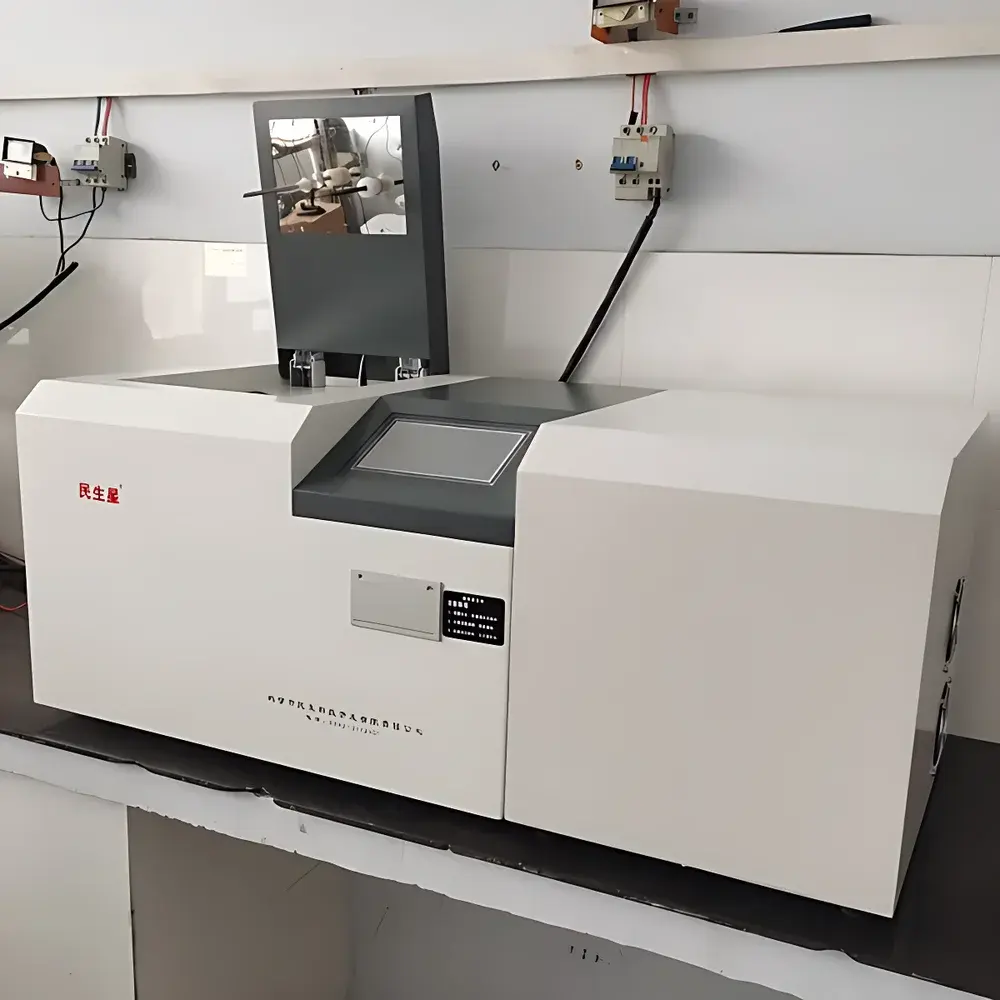
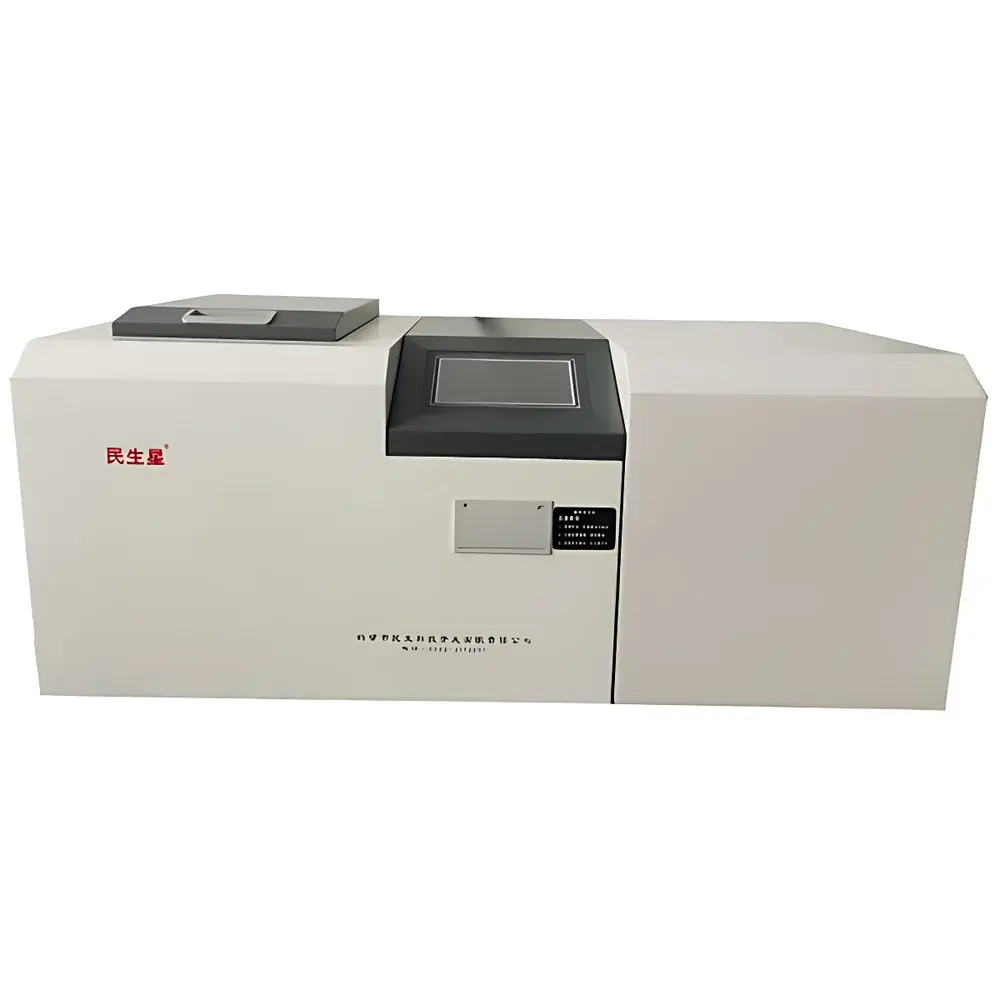
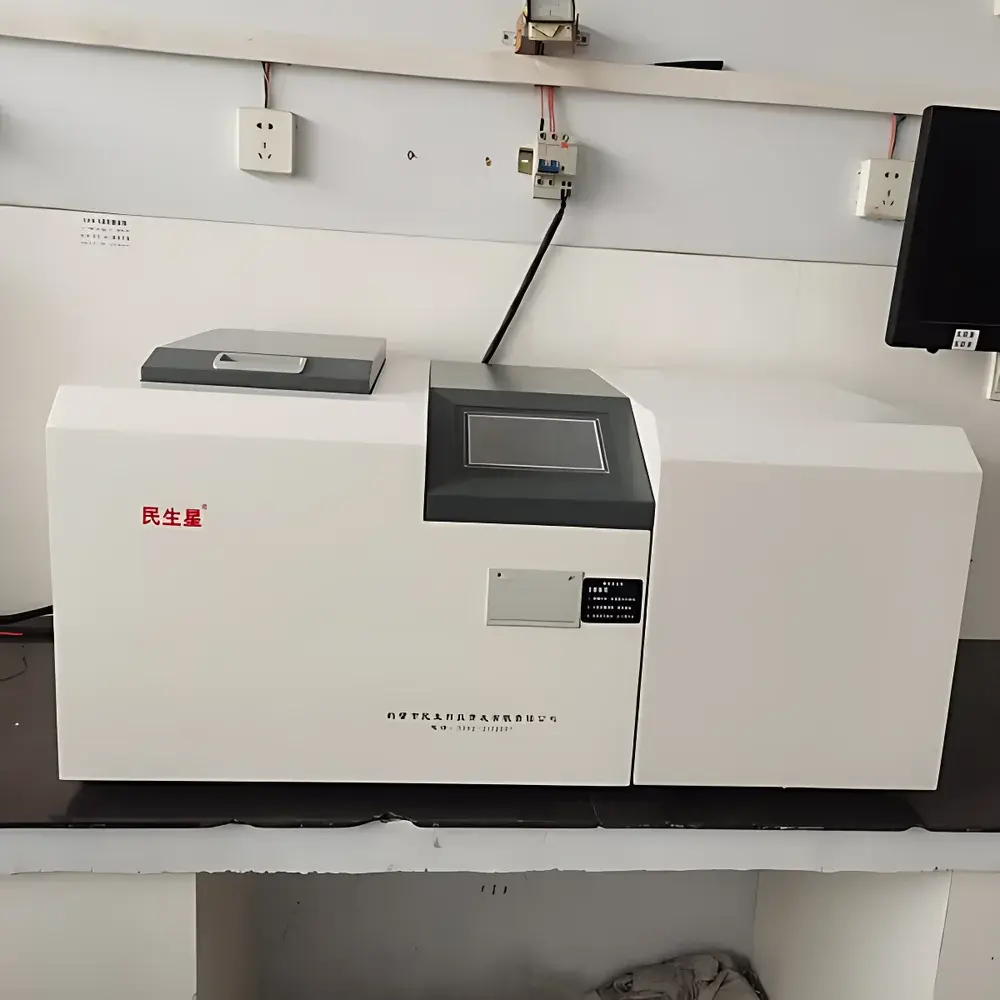
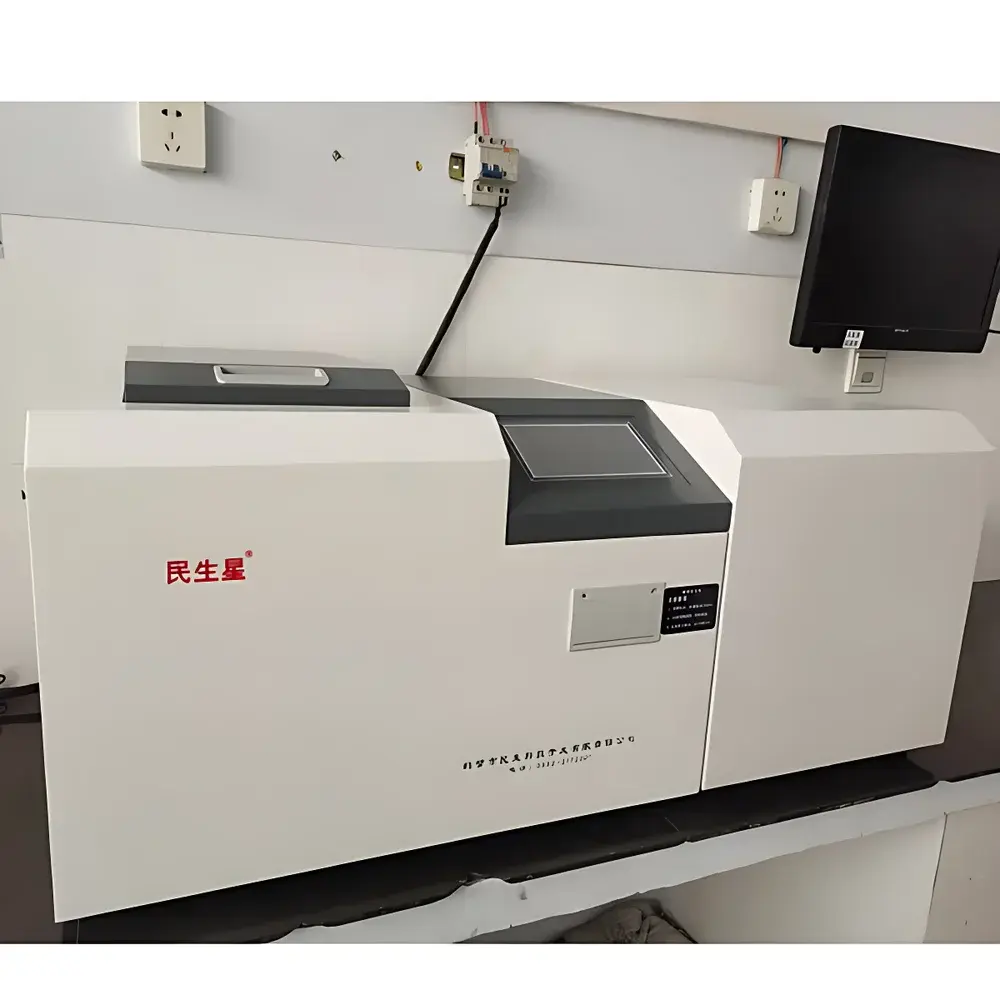
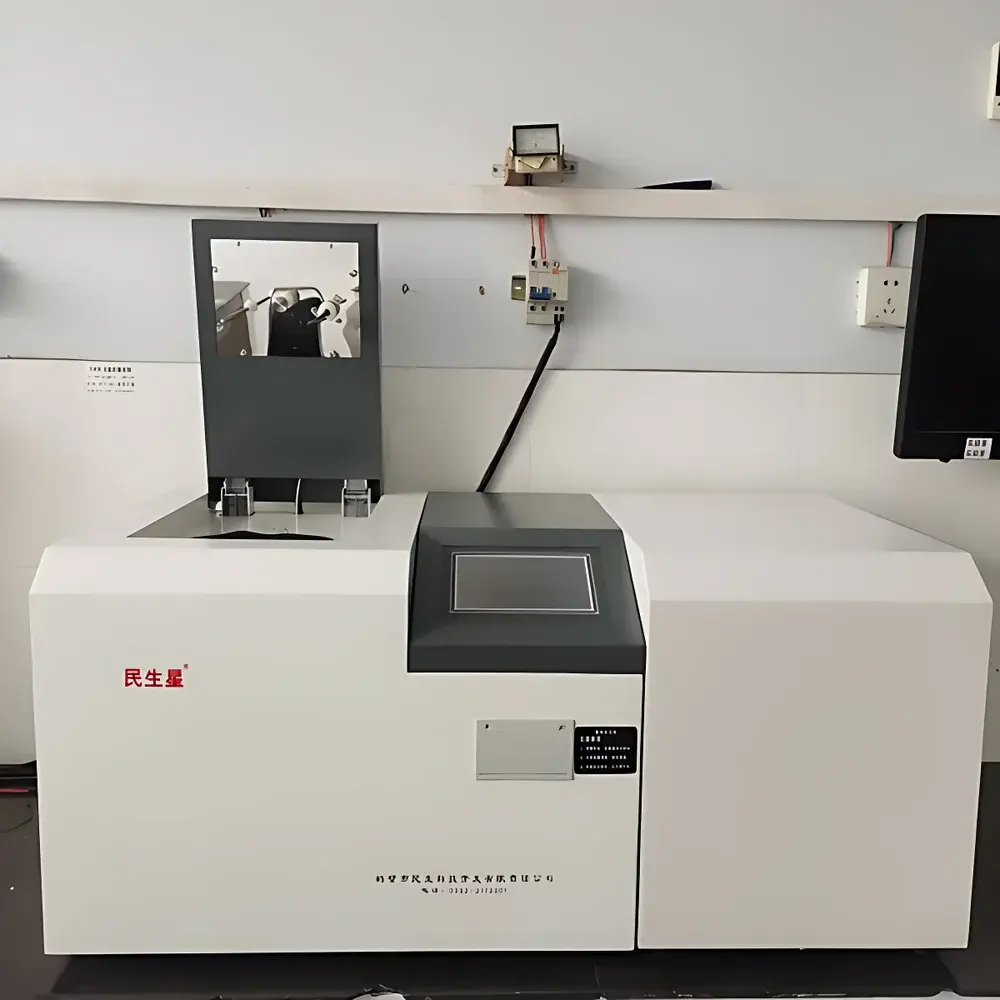
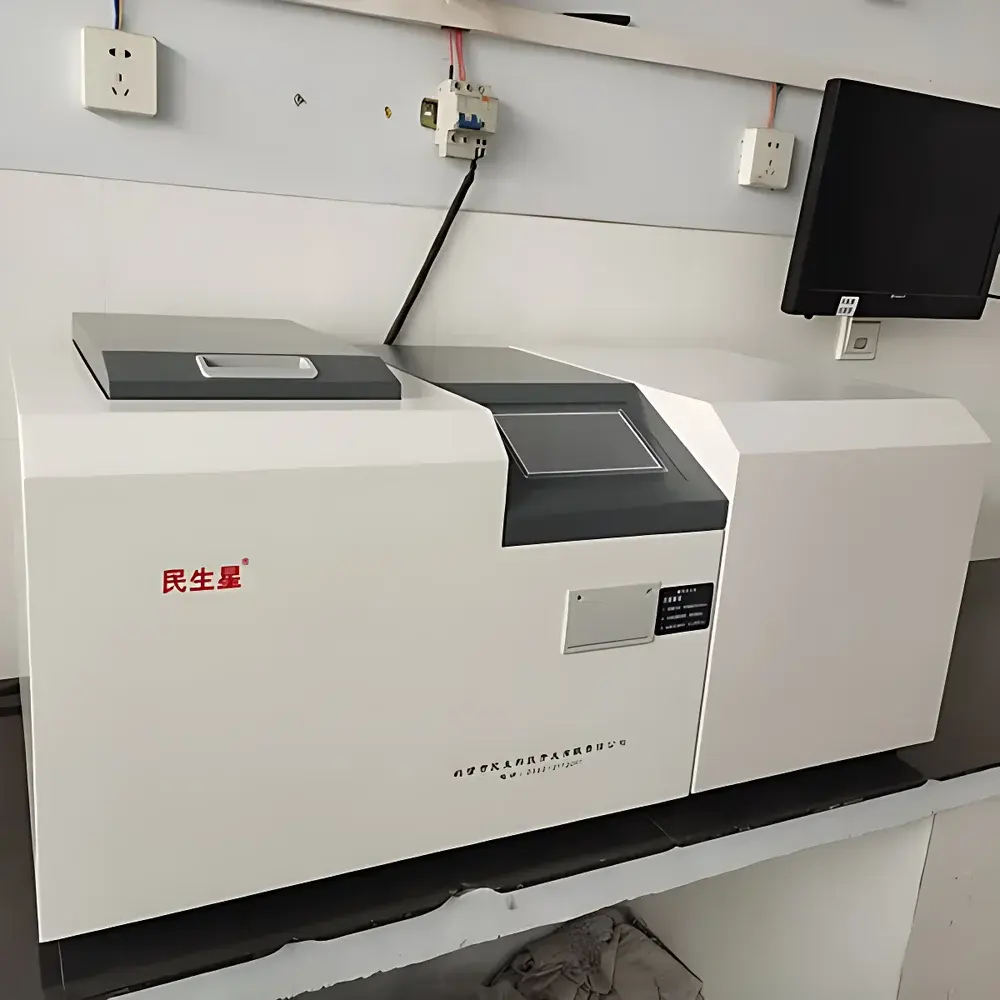
MingShen Science MLR-9C Refrigerated Touchscreen Oxygen Bomb Calorimeter
| Brand | MingShen Science |
|---|---|
| Origin | Henan, China |
| Manufacturer Type | Authorized Distributor |
| Country of Origin | China |
| Model | MLR-9C |
| Instrument Type | Oxygen Bomb Calorimeter |
| Temperature Range | 0–65 °C |
| Temperature Resolution | 0.001 °C |
| Temperature Stability | < 0.2% (over 10 min) |
| Precision (Heat Capacity) | ≤ 0.1% RSD |
| Single-Sample Test Time | ≤ 20 min |
| Heat Capacity | 10,500 J/K |
| Outer Water Jacket Volume | 51 L |
| Inner Water Bucket Volume | 2.3 L |
| Oxygen Bomb Volume | 300 mL |
| Cooling Method | Semiconductor Refrigeration |
| Power Supply | 220 V ±10%, 30 W |
| Dimensions (Main Unit) | 650 × 500 × 460 mm (L×W×H) |
| Dimensions (Chiller Unit) | 510 × 380 × 425 mm (L×W×H) |
| Weight (Main Unit) | 40 kg |
| Weight (Chiller Unit) | 17 kg |
Overview
The MingShen Science MLR-9C Refrigerated Touchscreen Oxygen Bomb Calorimeter is a precision benchtop instrument engineered for high-reproducibility determination of gross calorific value (GCV) in solid fuels and waste materials. It operates on the fundamental principle of adiabatic or near-adiabatic oxygen bomb calorimetry—where a precisely weighed sample is combusted under high-pressure oxygen (typically 3.0–3.5 MPa) inside a stainless-steel bomb immersed in a thermally stabilized water jacket. The resulting temperature rise in the surrounding water bath is measured with sub-millikelvin resolution, enabling calculation of energy release per unit mass via calibrated heat capacity. Designed to comply with ISO 1928, ASTM D5865, GB/T 213–2008, and CJ/T 313–2009, the MLR-9C delivers traceable, audit-ready results suitable for quality control laboratories, municipal solid waste characterization facilities, and coal testing centers operating under GLP or ISO/IEC 17025 frameworks.
Key Features
- Integrated semiconductor-based refrigeration system maintains outer water jacket temperature within ±0.05 °C over extended operation—critical for multi-sample batches and ambient temperature fluctuations.
- High-resolution touchscreen interface (7-inch capacitive LCD) with embedded real-time thermal curve visualization and step-by-step test guidance—no external PC required for routine operation.
- Calibrated heat capacity of 10,500 J/K ensures low relative standard deviation (<0.1%) across repeated benzoic acid calibrations; long-term stability verified at ≤0.2% drift over three months.
- Dual-volume water jacket architecture: 51 L outer reservoir provides thermal inertia, while the 2.3 L inner bucket enables rapid equilibration and precise temperature tracking (0.001 °C resolution).
- Oxygen bomb rated to 300 mL internal volume and 4.0 MPa burst pressure, compatible with standard ISO-compliant ignition wires, crucibles, and sealing components.
- Low-power design (30 W nominal) supports continuous 8-hour operation without thermal derating; meets IEC 61000-4 electromagnetic compatibility requirements.
Sample Compatibility & Compliance
The MLR-9C accommodates heterogeneous solid matrices including bituminous and anthracite coals, biomass pellets, refuse-derived fuel (RDF), sewage sludge, and municipal solid waste (MSW) composites. Sample mass range: 0.5–1.2 g (adjustable per energy density). Combustion efficiency is ensured by programmable oxygen pressurization (up to 3.5 MPa) and optional nickel-chromium ignition circuits. Regulatory alignment includes full support for GB/T 213–2008 (coal), CJ/T 313–2009 (waste sampling and analysis), and ASTM D5865–22 (standard test method for gross calorific value of coal and coke). Data integrity complies with ALCOA+ principles: attributable, legible, contemporaneous, original, accurate, complete, consistent, enduring, and available—facilitating FDA 21 CFR Part 11 readiness when paired with optional audit-trail-enabled software.
Software & Data Management
Onboard firmware stores ≥1,000 test records with full metadata: date/time stamp, operator ID, sample ID, calibration history, raw ΔT curves, correction factors (e.g., nitric acid and sulfur corrections), and final GCV output (kJ/kg or kcal/kg). Export options include CSV and PDF reports via USB 2.0 port. Optional PC-based CaloSuite™ v3.2 software (sold separately) adds multi-instrument fleet management, automated uncertainty budgeting per GUM (JCGM 100:2008), electronic signature workflows, and LIMS integration via ASTM E1384-compliant HL7 messaging. All data files are SHA-256 hashed and time-stamped for forensic traceability.
Applications
- Coal quality assurance in power generation and metallurgical coke production.
- Energy content profiling of alternative fuels (wood chips, torrefied biomass, tire-derived fuel).
- Municipal solid waste (MSW) characterization for landfill gas modeling and waste-to-energy plant feedstock evaluation.
- Research-grade calorimetry in academic energy labs requiring ISO 1928-compliant methodology.
- Third-party certification labs accredited to CNAS (China) or UKAS (UK) standards requiring documented measurement uncertainty and interlaboratory comparison capability.
FAQ
What standards does the MLR-9C explicitly support?
GB/T 213–2008, CJ/T 313–2009, ISO 1928:2020, and ASTM D5865–22—all validated during factory calibration using NIST SRM 39j benzoic acid.
Is external cooling water required?
No—the integrated semiconductor chiller eliminates dependency on tap water or recirculating chillers, reducing infrastructure complexity and operational variability.
Can the system perform both high- and low-calorific-value corrections?
Yes—automated nitric acid correction (ΔHHNO₃) and sulfur correction (ΔHSO₂) are applied per ISO 1928 Annex C and ASTM D5865 Section 10.
What maintenance intervals are recommended?
Oxygen bomb hydrostatic testing every 2 years; temperature sensor recalibration annually; outer water jacket deionized water replacement every 6 months.
Is remote monitoring supported?
Not natively—but Ethernet/Wi-Fi connectivity can be added via optional CaloLink™ module (firmware v2.4+), enabling SNMP-based status polling and alarm notifications.



