PermiNex™ 1000 and 2000 Series Photoimageable Epoxy Bonding Adhesives
| Brand | MicroChem Corp |
|---|---|
| Origin | USA |
| Product Type | Photoimageable epoxy-based wafer bonding adhesive |
| Series | PermiNex™ 1000 and 2000 |
| Temperature Resistance | <200 °C cure |
| Resolution | High-resolution patterning |
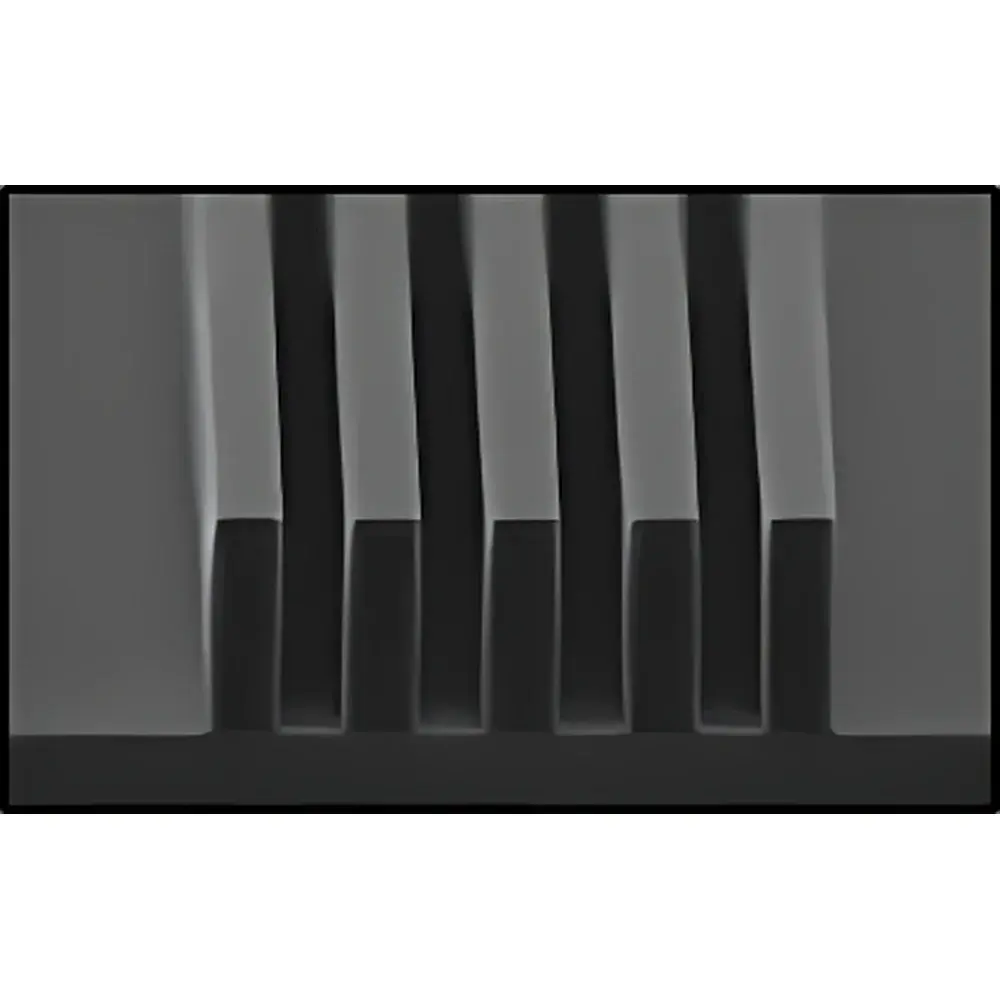
| Aspect Ratio | Up to 3:1 |
| Developer Compatibility | Aqueous alkaline solutions |
| Substrate Adhesion | Silicon, glass, quartz, SiO₂, SiNₓ |
| Shelf Life Storage | 4–21 °C |
| Corrosivity | Low metal ion contamination |
| Conformality | Void-free, conformal interface |
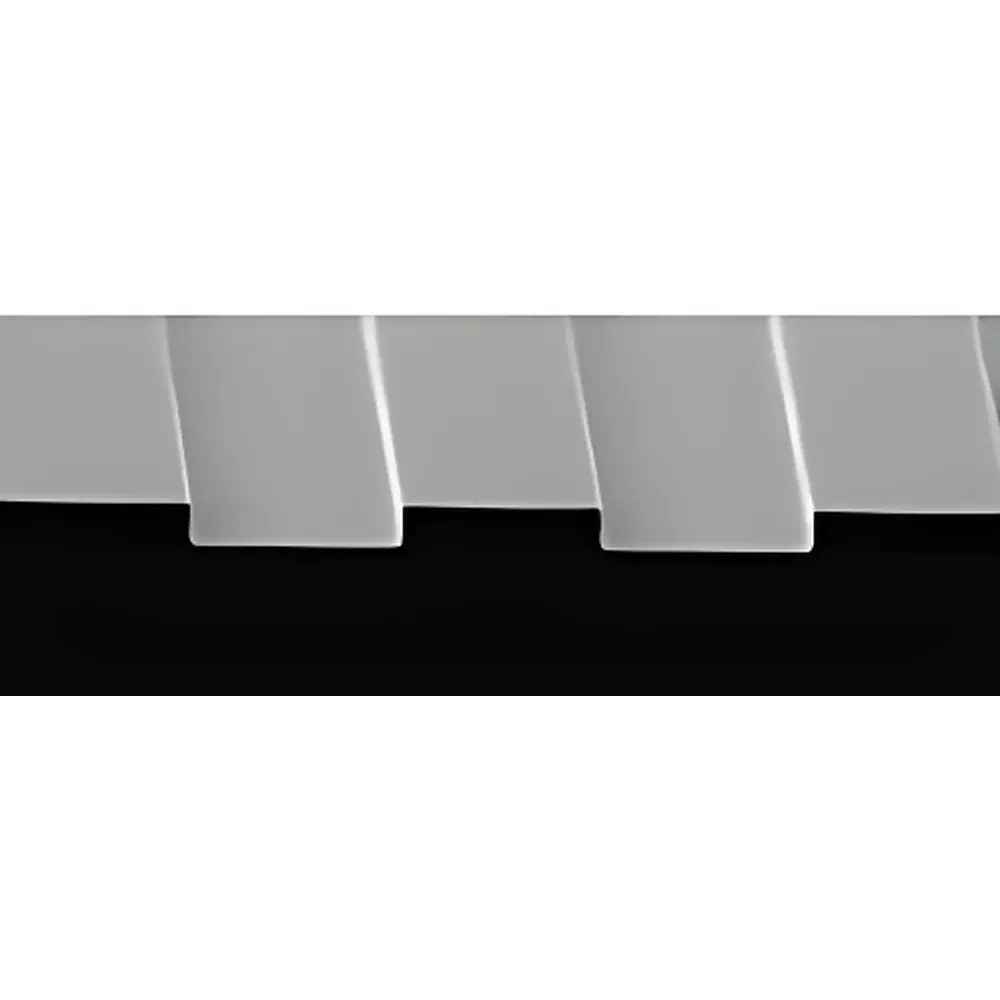
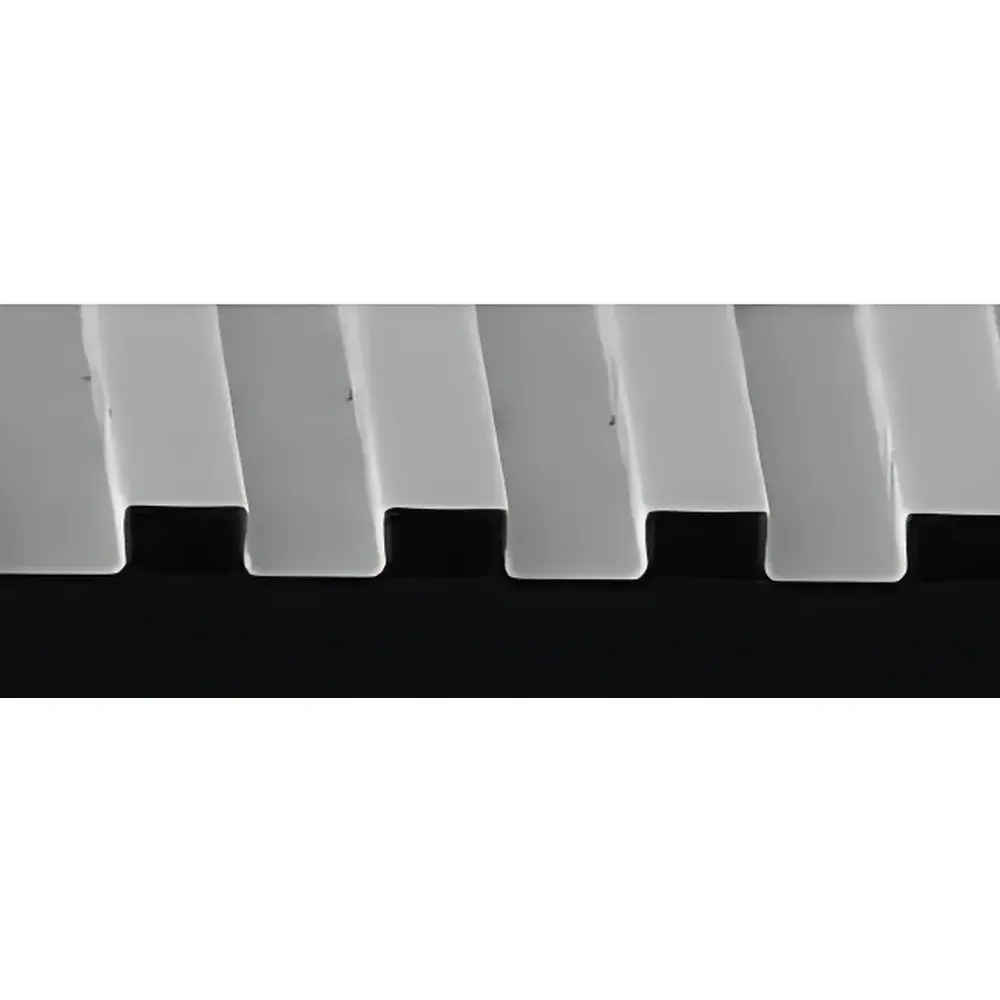
| Edge Acuity | Sharp, crack-free pattern edges |
| Reliability | Qualified for HAST (JESD22-A110) and TCT (JESD22-A104) |
| Seal Integrity | High hermeticity post-bond |
| Process Compatibility | Compatible with dicing, laser welding, and backend packaging steps |
Overview
PermiNex™ 1000 and 2000 Series photoimageable epoxy adhesives are engineered for high-precision wafer-level bonding in advanced microelectromechanical systems (MEMS), bulk acoustic wave (BAW) and surface acoustic wave (SAW) filters, microfluidic devices, and hermetic cavity encapsulation. Unlike conventional spin-on dielectrics or thermocompression bonding layers, PermiNex™ functions as a dual-purpose material: it serves both as a structural adhesive and a photolithographically patternable resist. Its core chemistry is based on a proprietary bisphenol-F epoxy formulation sensitized with diazonaphthoquinone (DNQ) photoactive compounds, enabling high-fidelity image transfer via standard i-line (365 nm) or broadband UV exposure tools. Curing occurs at ≤200 °C — significantly lower than glass frit or anodic bonding temperatures — preserving temperature-sensitive device layers and reducing thermal budget-induced stress. The resulting bond exhibits low outgassing, minimal ionic contamination (<1 ppb Na⁺, K⁺, Cl⁻), and long-term stability under accelerated aging conditions per JEDEC standards.
Key Features
- Photoimageable functionality enables direct lithographic definition of bond frames with sub-5 µm resolution and aspect ratios up to 3:1
- Low-temperature thermal cure (150–200 °C) compatible with CMOS back-end-of-line (BEOL) metallization and polymer interlayers
- High adhesion strength (>15 MPa shear strength on Si/SiO₂ and fused silica substrates after 24 h humidity soak)
- Aqueous alkaline developability (0.26 N TMAH or equivalent) eliminates need for aggressive organic solvents
- Conformal coating capability ensures uniform thickness across topography, eliminating voids and interfacial delamination
- Exceptional edge acuity and corner fidelity — no microcracking or line-end pullback observed after development and cure
- Hermetic seal integrity validated by He-leak testing (<1×10⁻⁹ mbar·L/s) and prolonged HAST (130 °C/85% RH/96 h)
- Process robustness confirmed across multiple lithography platforms (contact, proximity, and stepper aligners) and cleanroom environments (Class 100 or better)
Sample Compatibility & Compliance
PermiNex™ adhesives demonstrate broad compatibility with semiconductor-grade substrates including single-crystal silicon (100/111), thermally grown SiO₂, LPCVD Si₃N₄, fused silica, borosilicate glass (e.g., Borofloat® 33), and aluminum nitride (AlN). It is formulated to meet stringent semiconductor manufacturing requirements: low sodium and potassium content (<1 ppb), halogen-free composition (per IEC 61249-2-21), and RoHS 2015/863/EU compliance. The material supports full traceability per ISO 9001:2015 and is qualified for use in GMP-aligned production lines where process documentation and lot control are mandatory. While not FDA-regulated (as it is not intended for implantable medical devices), its low extractables profile makes it suitable for MEMS sensors deployed in regulated diagnostics applications.
Software & Data Management
As a consumable material rather than a standalone instrument, PermiNex™ does not incorporate embedded firmware or data logging capabilities. However, its integration into automated wafer processing workflows is fully supported through industry-standard equipment interfaces. Spin-coating parameters (RPM ramp profiles, acceleration/deceleration rates, dispense volume, edge-bead removal settings) are programmable on all major track systems (Tokyo Electron CLEAN TRACK®, SUSS MicroTec LithoTrack®). Exposure dose calibration and focus mapping are managed via mask aligner or stepper tool software (e.g., EVG® SmartView, ASML PAS 5500). Process data—including lot number, viscosity batch certificate, expiration date, and recommended bake/cure profiles—is provided in electronic format (PDF/CSV) compliant with SEMI E10 (Definition and Measurement of Equipment Reliability and Maintainability) and E142 (Data Collection and Exchange).
Applications
- Wafer-level vacuum packaging of MEMS resonators and inertial sensors
- Hermetic sealing of optical MEMS cavities (e.g., tunable VCSELs, LIDAR emitters)
- Structured bonding layers for piezoelectric microfluidic pumps and lab-on-chip devices
- Patterned adhesive frames in 3D-stacked RF filters (BAW/SAW) requiring precise cavity height control
- Temporary bonding/debonding processes using release-layer-compatible variants (PermiNex™ 2000 series)
- Through-silicon via (TSV) passivation and redistribution layer (RDL) encapsulation
FAQ
What is the shelf life of PermiNex™ adhesives under recommended storage conditions?
PermiNex™ 1000 and 2000 Series maintain full performance for 12 months when stored unopened at 4–21 °C in original nitrogen-purged containers.
Can PermiNex™ be applied via spray coating or slit-die methods?
Spin coating is the validated and qualified application method; alternative deposition techniques require process requalification due to differences in film uniformity, solvent retention, and edge profile control.
Is PermiNex™ compatible with plasma descum prior to exposure?
Yes — O₂ or CF₄/O₂ plasma treatments (≤50 W, 30–60 s) improve adhesion and reduce standing-wave effects without degrading photosensitivity.
Does MicroChem provide lot-specific analytical certificates?
Yes — each shipment includes CoA with viscosity (cP @ 25 °C), solids content (% w/w), DNQ concentration (wt%), and residual solvent analysis (GC-MS).
Related Products