
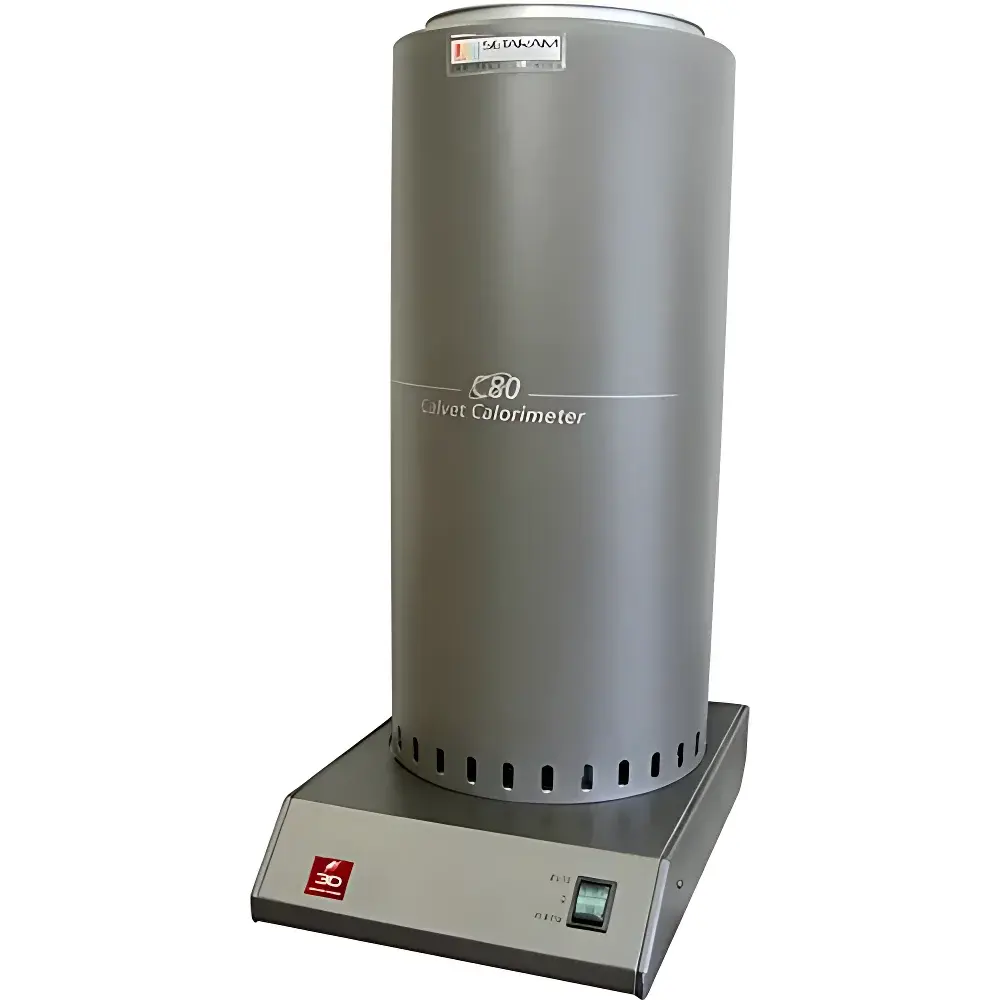
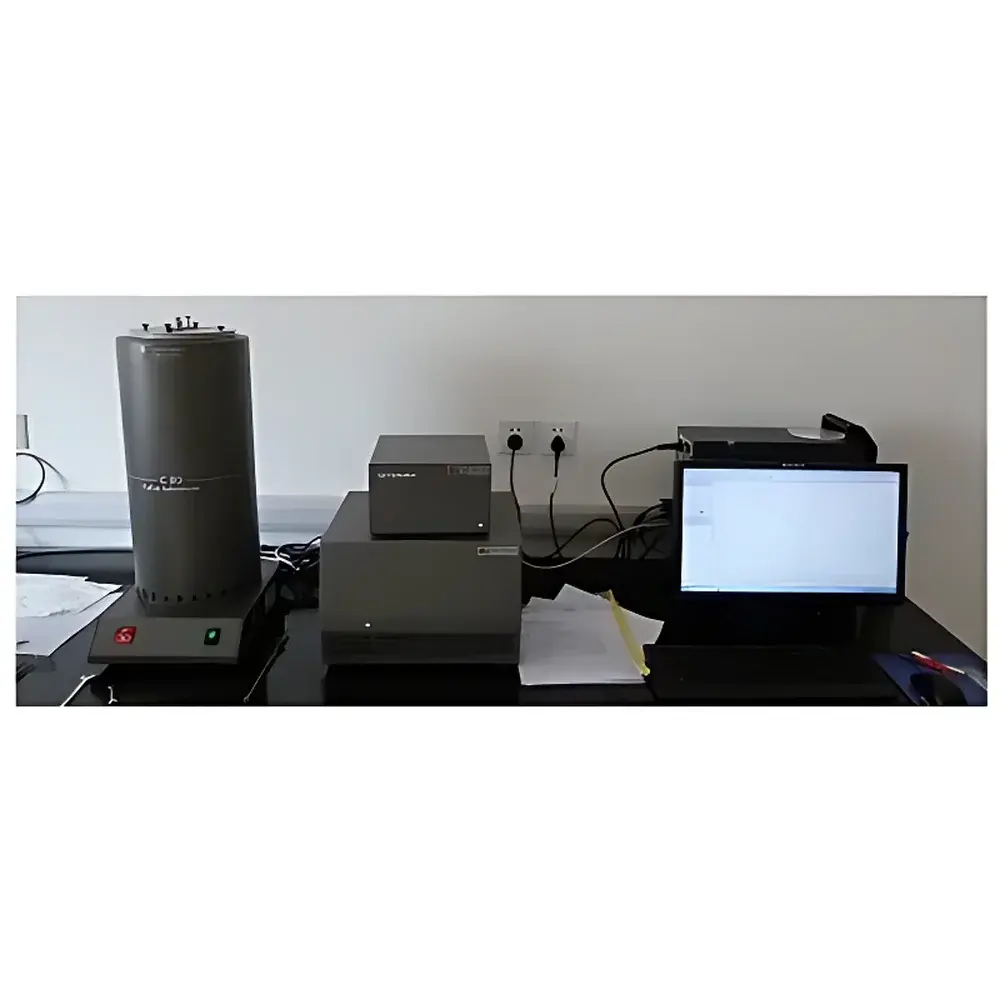
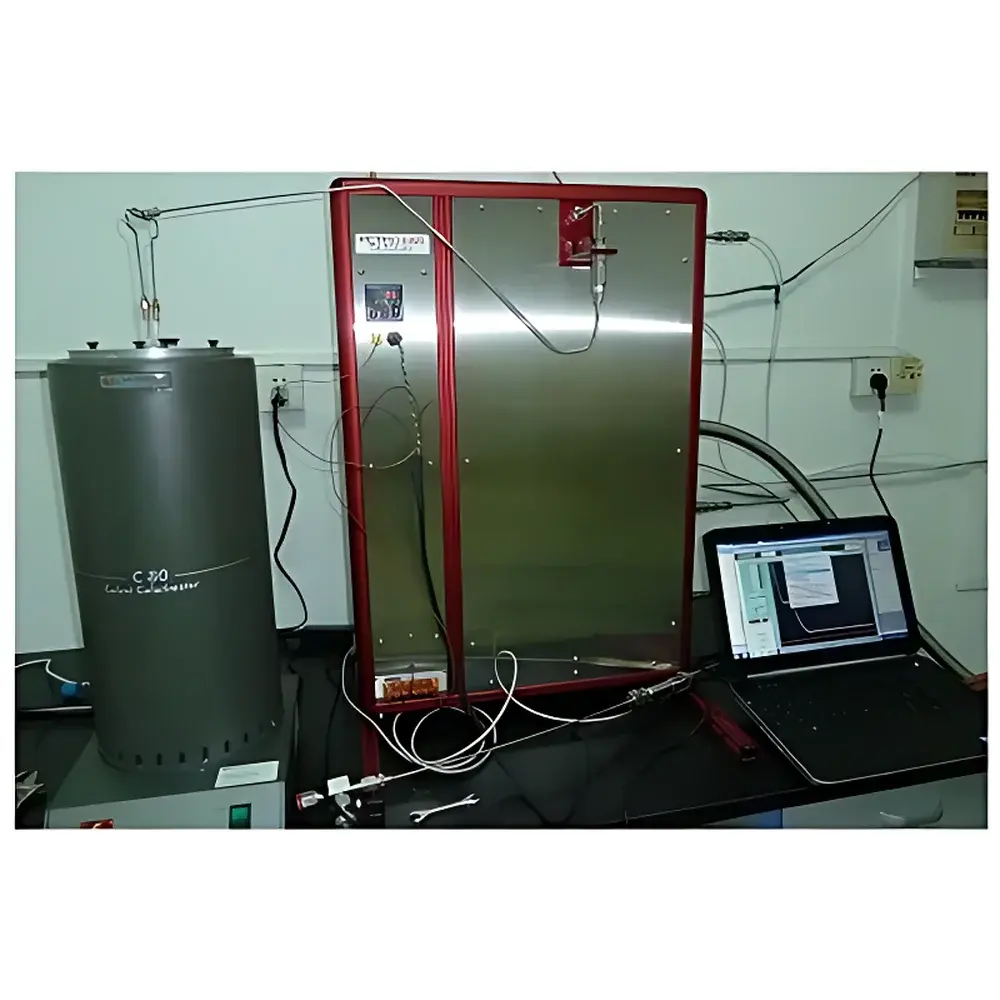
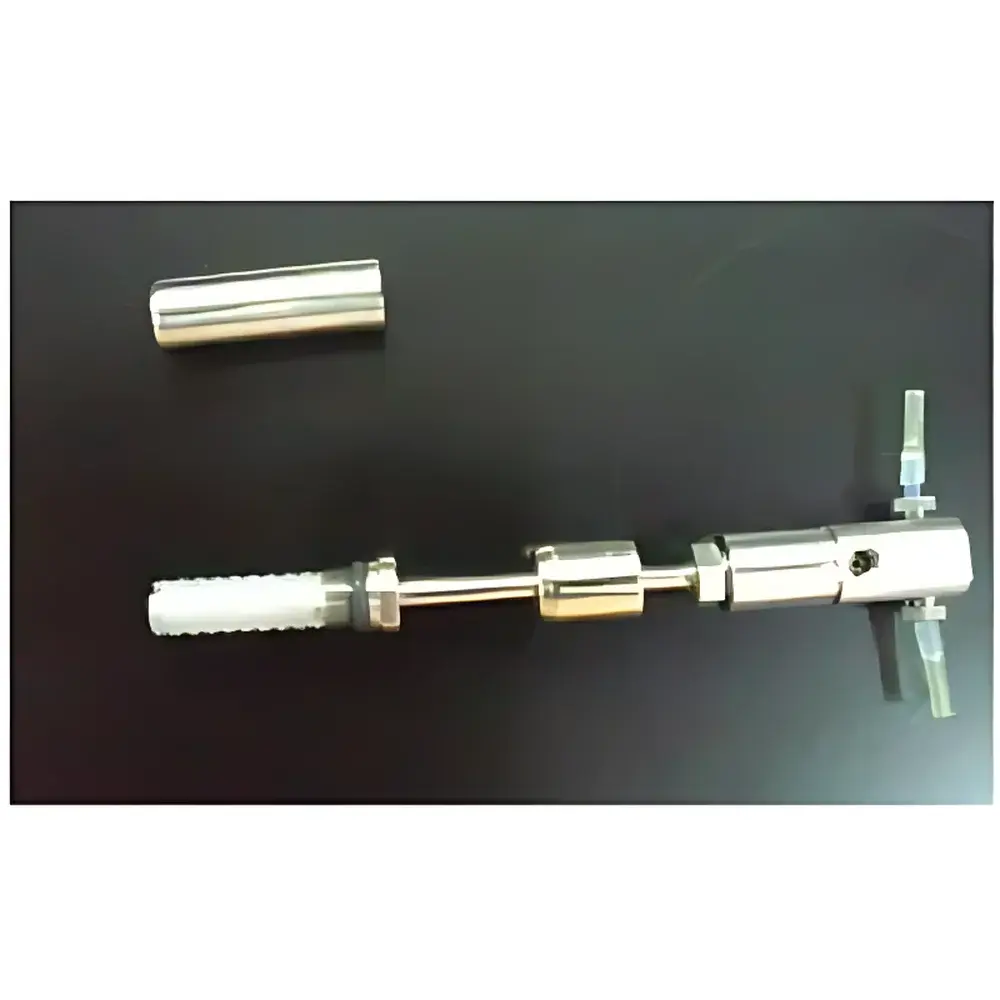
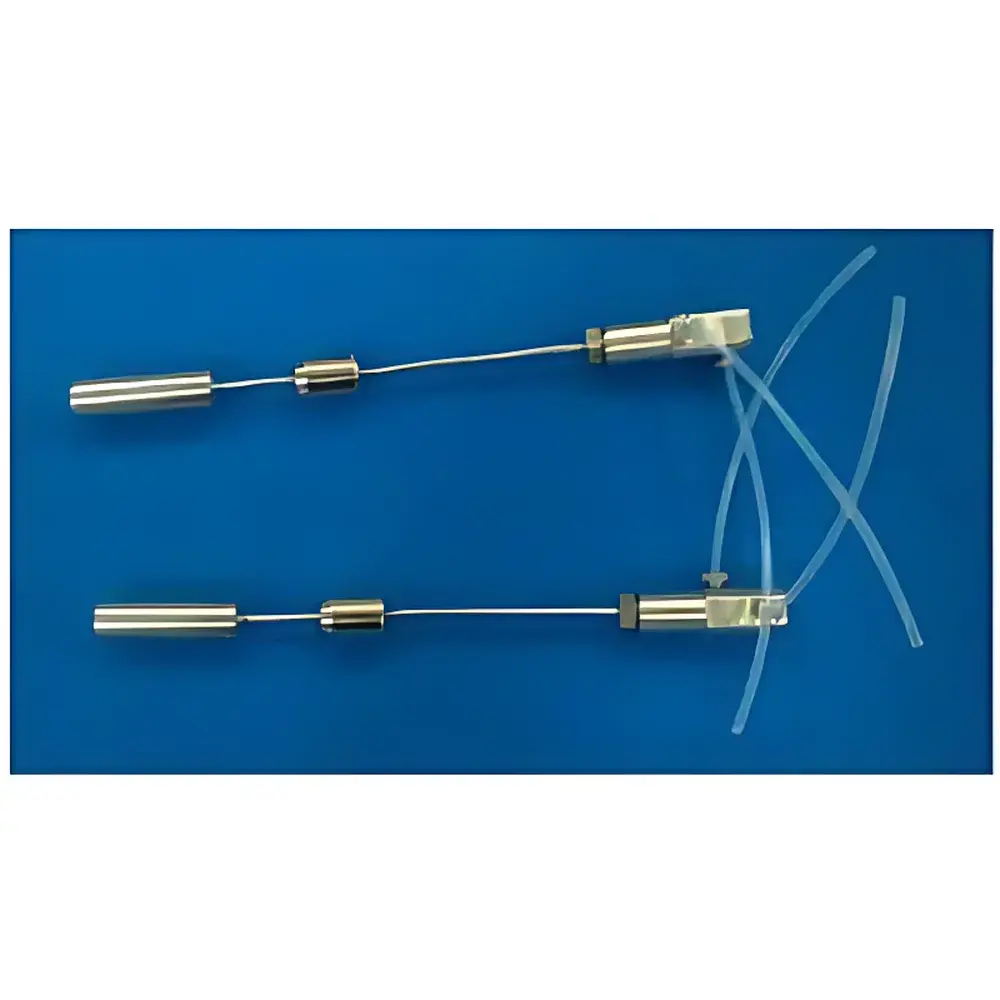
Setaram C80 Microcalorimeter
| Brand | Setaram |
|---|---|
| Origin | France |
| Model | C80 Microcalorimeter |
| Temperature Range | Ambient to 300 °C |
| Temperature Accuracy | ±0.1 °C |
| Heating/Cooling Rate | 0.001–2 K/min |
| Calorimetric Resolution | 0.10 µW |
| Maximum Sample Volume | 12.5 mL |
| Maximum Pressure Rating | 1000 bar |
| Sensor Principle | Calvet-type 3D-sensor |
| Thermal Enthalpy Accuracy | ±1% |
| Calorimetric Accuracy | ±0.1% |
| Temperature Precision | ±0.05 °C |
| Sample Cell Materials | Stainless Steel or Hastelloy C |
| Operating Modes | Isothermal and Scanning |
Overview
The Setaram C80 Microcalorimeter is a high-precision, dual-mode (isothermal and scanning) reaction calorimeter engineered for quantitative thermal analysis of physical and chemical processes under controlled temperature and pressure conditions. Based on the Calvet principle—utilizing a three-dimensional thermopile sensor array surrounding the sample cell—the C80 achieves exceptional heat flow detection sensitivity and spatial uniformity. Unlike conventional differential scanning calorimeters (DSC), which rely on comparative two-point temperature differentials and limited sample mass (<10 mg), the C80 measures absolute heat flow directly via radial and axial thermal flux integration across its full 3D sensor geometry. This architecture enables true quantitative calorimetry with high reproducibility, minimal baseline drift, and intrinsic compensation for thermal gradients and convection effects. The instrument is designed for rigorous process safety evaluation, reaction kinetics characterization, and thermodynamic profiling across pharmaceutical, energetic materials, food science, cement chemistry, and catalysis research domains.
Key Features
- Calvet-type 3D-sensor technology providing isotropic heat detection and superior signal-to-noise ratio (0.10 µW resolution)
- Dual operating modes: high-stability isothermal calorimetry and dynamic temperature scanning (0.001–2 K/min)
- Expandable sample chamber accommodating up to 12.5 mL volume—enabling representative-scale testing of heterogeneous systems
- Modular sample cell platform: includes ampoule cells, flip-mixing cells, membrane-diffusion cells, fluid circulation cells, vacuum cells, adsorption cells, and dedicated high-pressure safety cells
- Integrated pressure monitoring with precision transducers; certified for operation up to 1000 bar with real-time pressure logging
- Cell materials compatible with aggressive chemistries: standard stainless steel and optional Hastelloy C construction
- Thermal accuracy of ±0.1 °C and precision of ±0.05 °C over ambient to 300 °C range
- Thermodynamic accuracy: ±1% for enthalpy and ±0.1% for calorimetric signal fidelity
Sample Compatibility & Compliance
The C80 supports diverse sample states—including solids, powders, gels, liquids, slurries, and gas–solid mixtures—without requiring homogenization or dilution. Its large-volume reactor configuration allows direct measurement of mixing enthalpies, dissolution heats, wetting phenomena, adsorption/desorption, decomposition kinetics, and oxidation exotherms under near-process-relevant conditions. Cells are designed to meet ISO/IEC 17025 calibration traceability requirements and support GLP-compliant workflows. Pressure-rated configurations comply with ASME BPVC Section VIII standards for high-pressure instrumentation. When configured with audit-trail-enabled software and electronic signatures, the system satisfies FDA 21 CFR Part 11 requirements for regulated environments in pharmaceutical development and quality control labs.
Software & Data Management
Control and analysis are performed via Setaram’s dedicated T.A. Calisto software suite, offering real-time visualization of heat flow, temperature, pressure, and time-domain signals. The software supports multi-step experimental protocols—including automated sequential injection, programmed pressure ramps, and conditional trigger logic based on thermal thresholds. All raw data are stored in vendor-neutral ASCII format with embedded metadata (timestamp, operator ID, cell ID, calibration constants). Built-in kinetic modeling tools (e.g., ASTM E698, Ozawa–Flynn–Wall) enable activation energy estimation from dynamic scans. Data export modules ensure compatibility with third-party platforms such as MATLAB, OriginLab, and JMP for advanced statistical modeling and DOE integration.
Applications
- Safety assessment of energetic materials (propellants, explosives, pyrotechnics) via adiabatic and isothermal stability testing
- Reaction calorimetry for API synthesis scale-up, including heat accumulation analysis and thermal runaway prediction
- Hydration thermodynamics in cementitious systems and geopolymer chemistry
- Protein–ligand binding enthalpies and excipient compatibility screening in formulation development
- Adsorption enthalpies on activated carbons, MOFs, and zeolites under variable pressure
- Food matrix interactions: fat crystallization, starch gelatinization, and enzymatic reaction enthalpies
- Corrosion thermodynamics and inhibitor efficiency quantification in oilfield chemistry
FAQ
What distinguishes the Calvet 3D-sensor from conventional DSC sensors?
The Calvet design uses a cylindrical thermopile array that surrounds the sample cell uniformly in all directions, capturing total heat flow vectorially. Conventional DSC sensors measure only the temperature difference between sample and reference pans—introducing systematic errors from heat leakage, asymmetry, and small-sample artifacts.
Can the C80 perform simultaneous pressure and heat flow measurements?
Yes—when equipped with a high-pressure safety cell and integrated piezoresistive transducer, the C80 records synchronized heat flow and pressure profiles at up to 1000 bar, enabling direct correlation of gas evolution with reaction enthalpy.
Is the C80 compliant with regulatory data integrity requirements?
When deployed with Calisto software in audit-trail mode (including user authentication, electronic signatures, and immutable raw data archiving), the system meets FDA 21 CFR Part 11 and EU Annex 11 expectations for GxP environments.
How does the C80 support process safety studies?
Its large-volume, mixed-phase capability—combined with isothermal hold stability (<0.01 K/h drift) and pressure-resolved decomposition profiling—enables realistic simulation of thermal hazards during storage, transport, and handling per UN TDG and NFPA 495 guidelines.
Are there low-temperature or high-temperature variants in the same platform family?
Yes—Setaram offers the BT2.15 (–196 to 200 °C), C500 (ambient to 500 °C), and HT1000 (ambient to 1000 °C) calorimeters, all sharing identical software, cell interface standards, and data structure for cross-platform method transfer and comparative analysis.



