
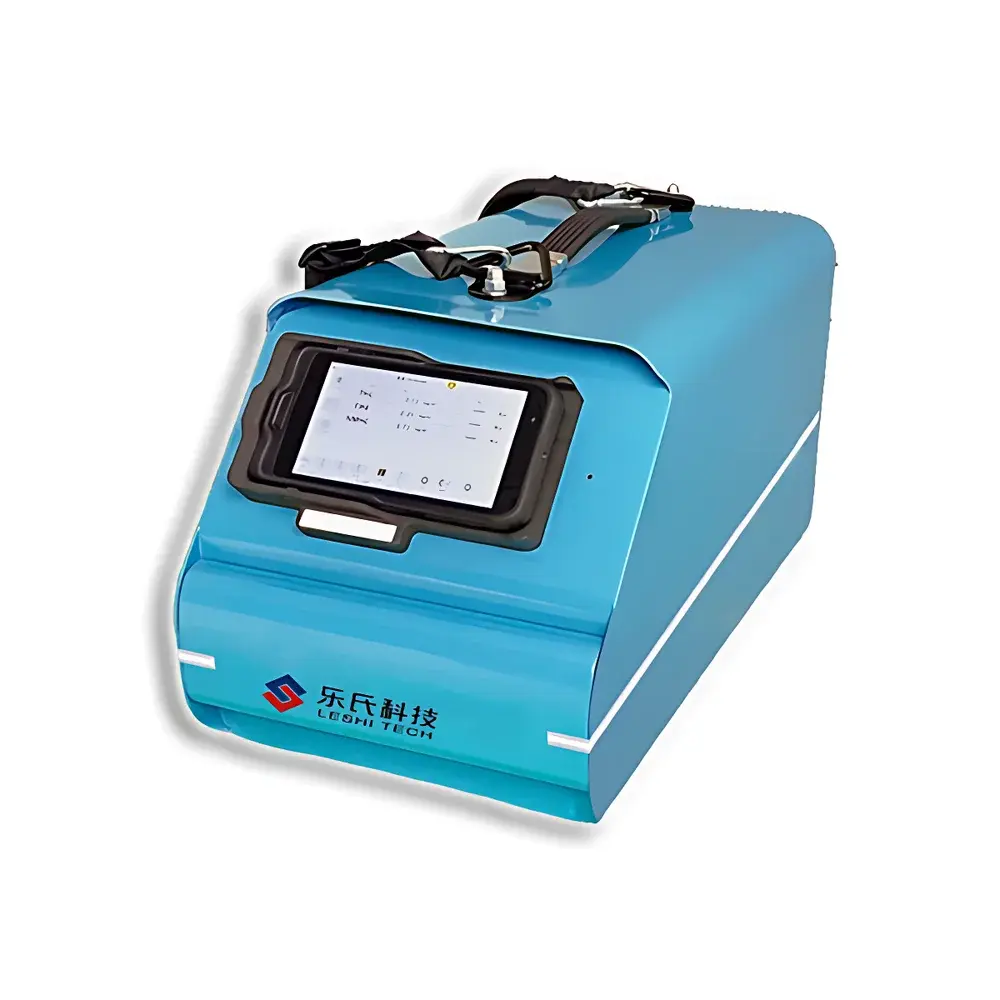
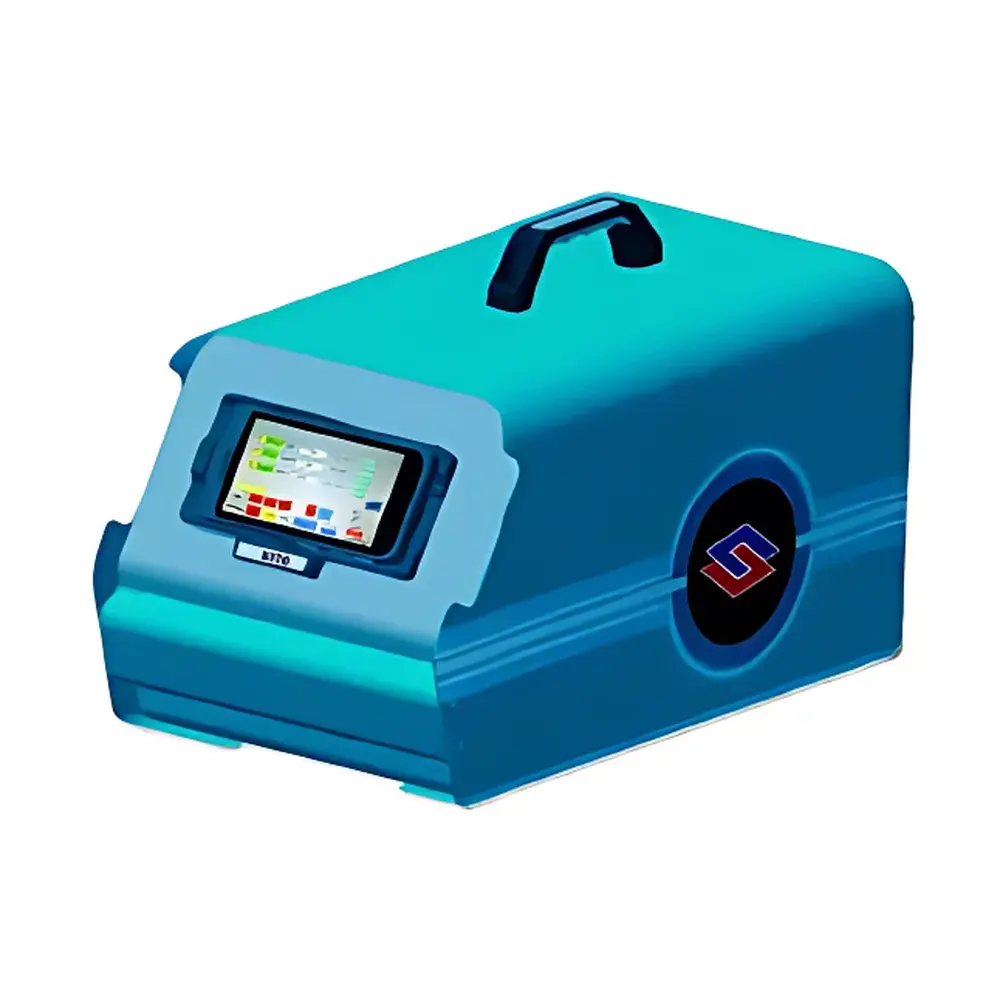
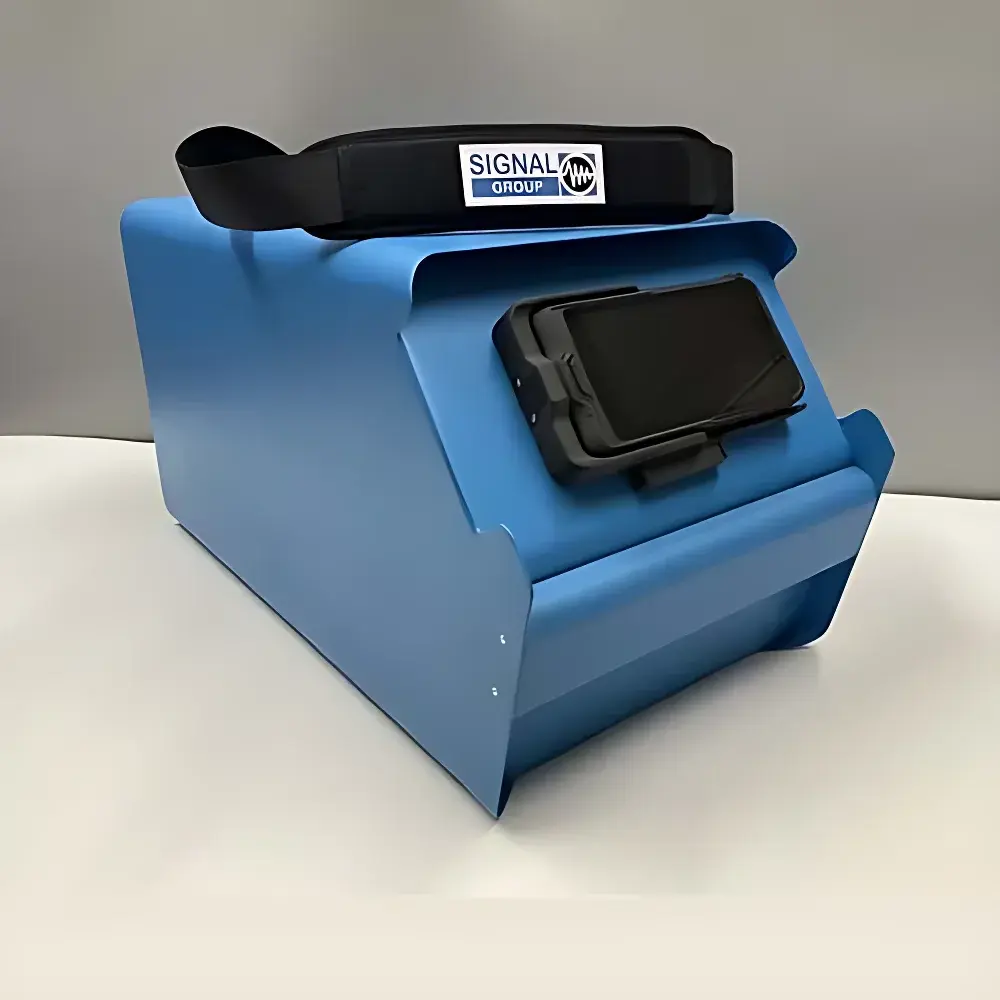
SIGNAL 3010Plus Portable Total Hydrocarbons / Methane / Non-Methane Hydrocarbons Analyzer
| Brand | SIGNAL |
|---|---|
| Origin | United Kingdom |
| Model | 3010Plus |
| Instrument Type | Portable |
| Compliance | HJ/T 38–2017, HJ 1012–2018, GB 17691–2018, GB 18352.6–2016, DB11/T 1367–2016, DB37/T 3922 |
Overview
The SIGNAL 3010Plus is a field-deployable, dual-flame ionization detector (FID)-based analyzer engineered for simultaneous, real-time quantification of total hydrocarbons (THC), methane (CH4), and non-methane hydrocarbons (NMHC) in ambient air and stack emissions. It implements a catalytic oxidation–dual FID architecture: one FID measures total hydrocarbons after high-temperature catalytic conversion of all organics (including methane), while the second FID—bypassing the catalyst—measures methane directly. The difference yields NMHC with second-level temporal resolution and eliminates mechanical valve switching or sequential measurement cycles inherent in single-FID systems. Designed for regulatory-grade field use, the 3010Plus operates with full sample path heating up to 200 °C to prevent condensation and adsorption losses of volatile and semi-volatile organic compounds (VOCs), ensuring measurement integrity across diverse emission matrices—from low-concentration ambient air to high-humidity, particulate-laden flue gas.
Key Features
- Dual high-sensitivity hydrogen flame ionization detectors (FIDs) enabling concurrent THC, CH4, and NMHC measurement without flow-path reconfiguration or time-delayed calibration.
- Integrated high-efficiency catalytic oxidizer operating at ≥600 °C, compliant with HJ 1012–2018 and DB37/T 3922 for complete oxidation of C2–C12 hydrocarbons prior to FID detection.
- Electronically controlled pneumatic (EPC) modules regulating H2, synthetic air, and sample flow with <±0.5% repeatability; coupled with precision annular sampling loops for consistent injection volume.
- Onboard hydrocarbon-free air generator eliminating dependency on external zero-air cylinders—critical for unattended operation during extended field campaigns.
- Multi-fuel compatibility: supports pure H2, H2/He blends, and solid-state hydrogen cartridges—optimized for safety, portability, and operational continuity in confined or hazardous locations.
- Full thermal management: heated sample line, catalytic converter, transfer lines, and dual FID chambers maintained at 200 °C to preserve VOC integrity and minimize memory effects.
- Automated sequence control: self-initiated ignition, temperature ramping, span/zero calibration, and diagnostic self-checks reduce operator dependency and improve inter-user reproducibility.
Sample Compatibility & Compliance
The 3010Plus is validated for direct analysis of undiluted gas streams from fixed emission sources (e.g., stacks, ducts, scrubber outlets), mobile source exhaust (light- and heavy-duty vehicles per GB 18352.6–2016 and GB 17691–2018), ambient air, and fugitive emissions (e.g., solvent leaks, pharmaceutical vent streams). Its heated configuration ensures compatibility with high-moisture (>90% RH), high-particulate, and thermally labile VOC mixtures—including alkanes, alkenes, aromatics, and oxygenates—without condensation artifacts. Regulatory alignment includes full conformance with Chinese national and provincial standards: HJ/T 38–2017 (FID methodology), HJ 1012–2018 (portable NMHC instrument performance criteria), DB11/T 1367–2016 (stack-based CH4/NMHC determination), and DB37/T 3922 (catalytic oxidation–FID method validation). Data acquisition meets GLP-aligned traceability requirements, supporting audit-ready reporting for environmental compliance and enforcement applications.
Software & Data Management
Embedded firmware provides ISO/IEC 17025–compatible data handling: automatic timestamping, user-accessible audit logs, and encrypted local storage of raw FID signals, calibrated concentrations, and system diagnostics. The onboard interface supports configurable report generation (PDF/CSV), real-time trend visualization, and remote firmware updates via secure TLS-enabled IoT gateway. Optional cloud integration enables centralized fleet monitoring, cross-site comparison, and automated alerting for exceedance events. All calibration events—including zero/span verification, linearity checks, and detector response factor updates—are digitally signed and archived with operator ID, environmental conditions, and gas standard lot traceability—fully satisfying documentation requirements under China’s MEE inspection protocols and supporting future FDA 21 CFR Part 11 readiness through optional electronic signature modules.
Applications
- Regulatory stack testing and continuous emission monitoring system (CEMS) verification for petrochemical, chemical manufacturing, and waste incineration facilities.
- In-use vehicle emissions auditing—especially for diesel and gasoline-powered fleets subject to GB 17691–2018 Stage VI and GB 18352.6–2016 limits.
- VOC abatement efficiency assessment of thermal oxidizers, catalytic converters, and carbon adsorption units.
- Fugitive emission detection and quantification in semiconductor cleanrooms, paint spray booths, and pharmaceutical production suites.
- Research-grade kinetic studies of combustion chemistry, catalyst deactivation, and VOC photochemical reactivity in university and national laboratory settings.
- Indoor air quality surveys in healthcare facilities where anesthetic gases and sterilant residues require NMHC-specific monitoring.
- Environmental justice screening in industrial zones using rapid-response mapping of NMHC plumes correlated with meteorological parameters.
FAQ
Does the 3010Plus require external zero-air or calibration gas cylinders?
No—the integrated hydrocarbon-free air generator produces certified zero-air on demand, and optional permeation tube or dynamic dilution calibrators enable traceable span gas delivery without high-pressure cylinders.
Can the instrument measure benzene or other individual aromatic compounds?
Not natively; it reports NMHC as a summed carbon-equivalent concentration. However, optional PID or GC–FID add-on modules support speciated VOC analysis when paired with the 3010Plus platform.
What is the minimum detectable limit for methane under field conditions?
Typical method detection limit (MDL) is ≤0.05 ppmC (as methane) at 1-second integration, verified per HJ 1012–2018 protocol using certified calibration standards.
Is the system suitable for high-dust or high-moisture stack environments?
Yes—its heated sample train (200 °C), sintered metal inlet filter, and condensate trap mitigate particulate loading and water interference, enabling stable operation in wet scrubber bypass ducts and kiln exhausts.
How is data integrity ensured during long-term unattended operation?
All measurements are time-stamped with GPS-synced UTC, stored redundantly in internal flash and removable SD card, and protected by cyclic redundancy checksums—meeting HJ 1012–2018 data retention and tamper-evidence requirements.
Related Products







