
HOGON AKF-C6 Acetonitrile-Specific Coulometric Karl Fischer Moisture Analyzer
| Brand | HOGON |
|---|---|
| Origin | Shanghai, China |
| Manufacturer Type | Direct Manufacturer |
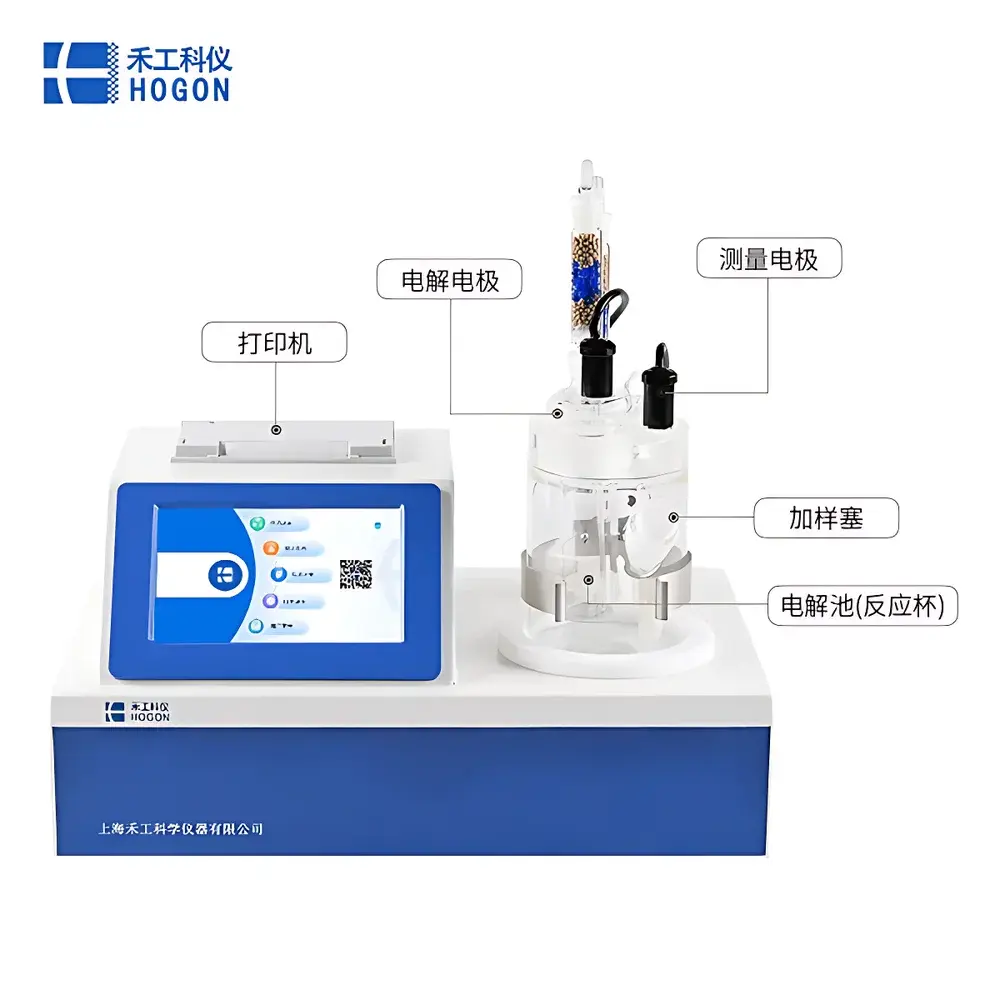
| Instrument Type | Coulometric Karl Fischer Moisture Analyzer |
| Titration Mode | Fully Automatic |
| Moisture Range | 0.001–100% w/w |
| Measurement Resolution | 0.01 µg |
| Accuracy | >99.7% (at 1000 µg water) |
| Minimum Dispensing Volume | 1/2000 of burette capacity |
| Titration Control Precision | 0.01 µg |
Overview
The HOGON AKF-C6 Acetonitrile-Specific Coulometric Karl Fischer Moisture Analyzer is an engineered solution for high-precision, trace-level water quantification in pharmaceutical-grade solvents—particularly acetonitrile—and other moisture-sensitive matrices governed by stringent regulatory standards. Operating on the fundamental electrochemical principle of coulometric Karl Fischer titration, the instrument generates iodine *in situ* via controlled electrolysis of iodide ions in the anolyte, eliminating the need for volumetric reagent delivery and enabling direct mass-based quantification of water. This method delivers superior accuracy and reproducibility for samples containing ≤100 µg of water—critical for residual solvent analysis in APIs, lyophilized biologics, and sterile injectables. Designed to meet the analytical rigor demanded by modern GMP/GLP environments, the AKF-C6 integrates hardware-level stability with software-driven compliance architecture, making it suitable for QC laboratories in pharmaceutical manufacturing, contract research organizations (CROs), and regulatory testing institutions.
Key Features
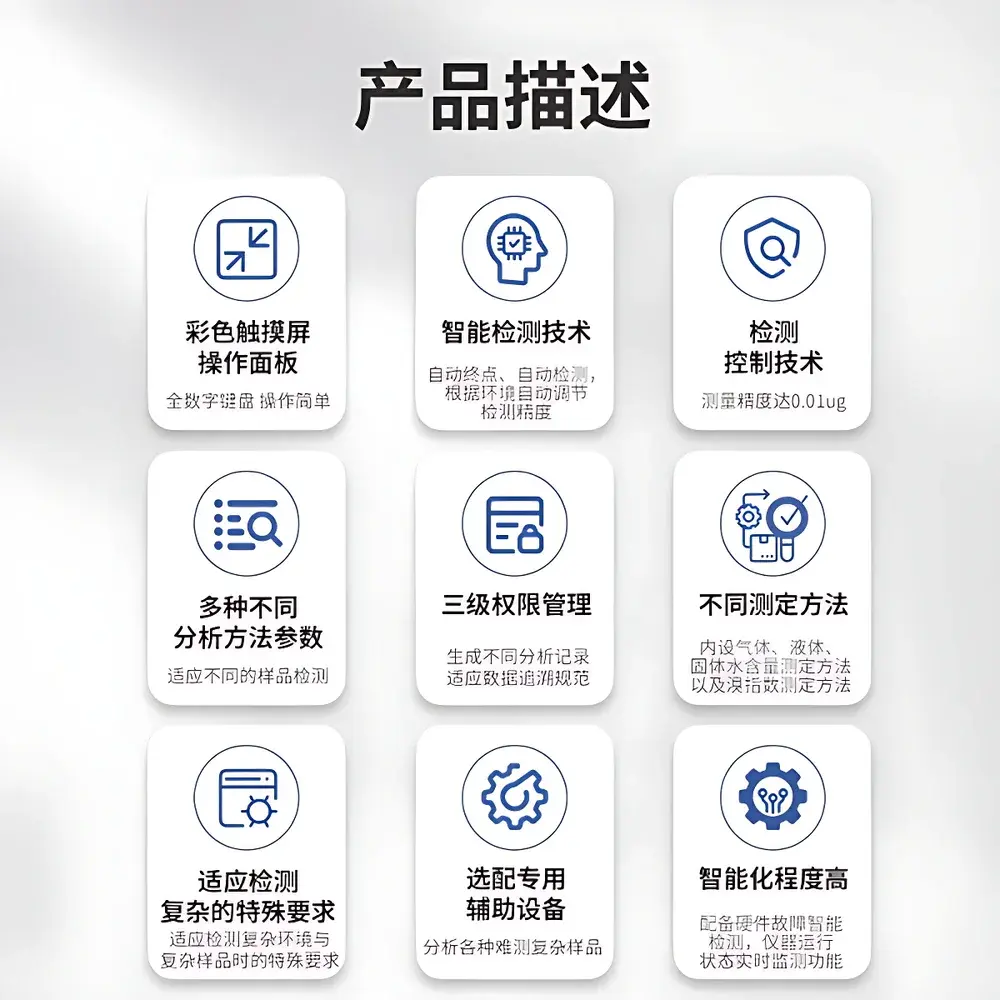
- Ultra-high resolution detection at 0.01 µg water, supported by auto-adjusting electrolysis current (1–400 mA range, ±0.1 mA control precision)
- Dedicated acetonitrile-optimized cell design and electrolyte compatibility—minimizing side reactions and ensuring stable baseline drift under low-humidity conditions typical of aprotic solvent analysis
- Integrated real-time titration curve visualization for endpoint verification, process troubleshooting, and method validation support
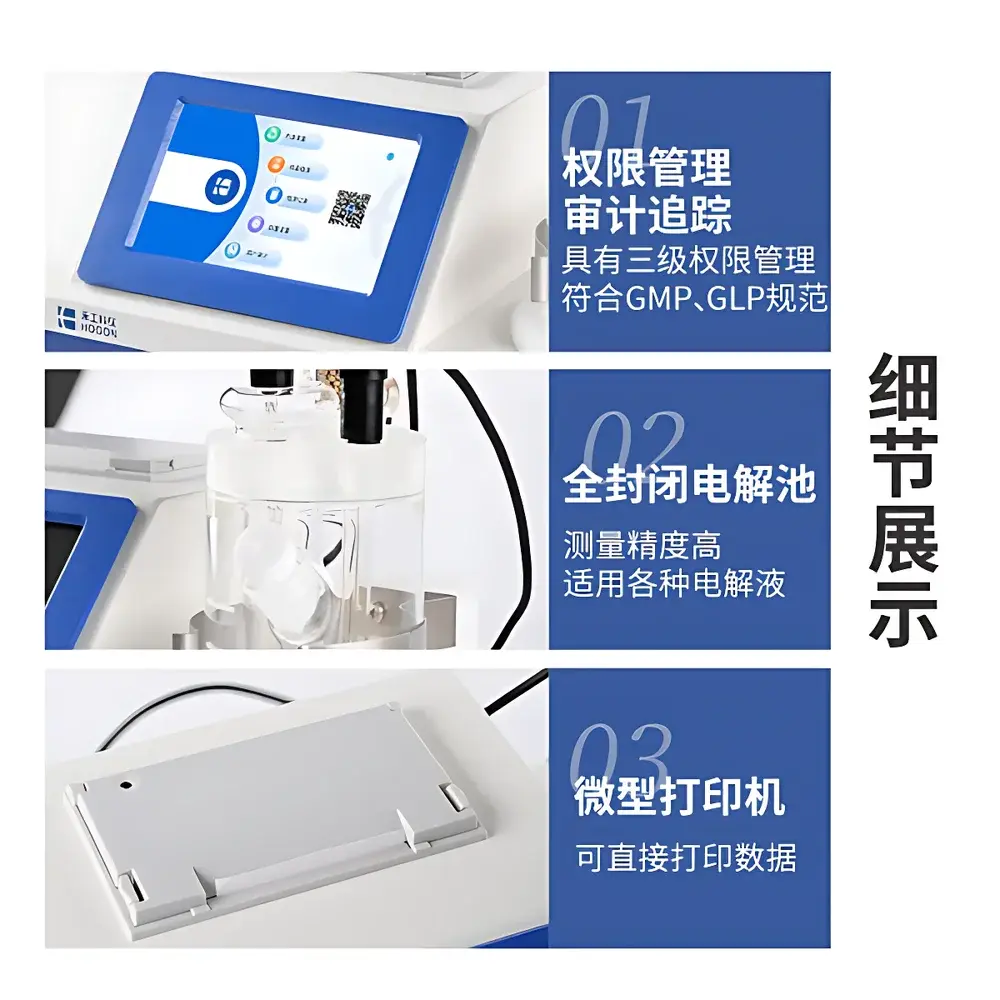
- Triple-tier user permission system (Administrator, Supervisor, Analyst) with role-based access control and password-protected configuration changes
- Full audit trail functionality compliant with FDA 21 CFR Part 11 requirements: immutable electronic records, timestamped operator logins, and complete experiment history—including method parameters, raw data, and manual interventions
- Intelligent environmental adaptation: automatic selection among multiple electrolysis sensitivity modes to maintain optimal response across variable ambient humidity (20–80% RH) and diverse electrolyte formulations (e.g., Hydranal-Coulomat AG, Sigma-Aldrich Coulomat AG-H)
- Multi-method capability: preconfigured protocols for water content in solids, liquids, gases, and bromine index determination—without hardware modification or accessory addition
Sample Compatibility & Compliance
The AKF-C6 demonstrates validated performance across a broad spectrum of pharmacopeial-relevant materials, including but not limited to: lyophilized proteins (e.g., albumin, monoclonal antibodies), excipients (lactose monohydrate, povidone K30, starch), sterile ophthalmic solutions, surgical adhesives, absorbable sutures (PLA, PGA), contrast agents (gadobutrol), and high-purity organic solvents (acetonitrile, chloroform, glacial acetic acid). All methods are aligned with USP , EP 2.5.12, and ChP 2020 Edition General Chapter 0832. Instrument qualification documentation supports IQ/OQ/PQ execution per ASTM E2500 and ISO/IEC 17025:2017 requirements. The system satisfies critical GMP data integrity criteria—ensuring attributable, legible, contemporaneous, original, and accurate (ALCOA+) recordkeeping.
Software & Data Management
The embedded Windows-based operating system hosts a purpose-built analytical suite featuring method editor, sequence scheduler, and integrated report generator. Each analysis session automatically archives raw current-time profiles, calculated water mass, drift correction values, and system diagnostics. Data export is available in CSV, PDF, and XML formats—compatible with LIMS integration via ODBC or HL7 interfaces. Electronic signatures, mandatory for batch release testing, are implemented per Annex 11 and ICH GCP guidelines. All user actions—including method edits, calibration events, and result approvals—are time-stamped and cryptographically linked to individual accounts, supporting full traceability during regulatory inspections.
Applications
- Residual moisture quantification in freeze-dried biopharmaceuticals per ICH Q5C stability protocols
- Acetonitrile purity verification for HPLC mobile phase preparation (USP )
- Water content assessment in solid oral dosage forms (capsules, tablets, granules) per USP
- Bromine index measurement in hydrocarbon feedstocks using the same coulometric cell—reducing capital expenditure and lab footprint
- Moisture determination in hygroscopic excipients (e.g., magnesium chloride hexahydrate, dextrose) under controlled glovebox conditions
- Supporting extractables & leachables studies where solvent dryness directly impacts analyte recovery
FAQ
Does the AKF-C6 require separate hardware modules to perform bromine index analysis?
No—the same coulometric cell and base electronics are used; only the titration reagent and method parameters are changed.
Is the instrument compatible with third-party LIMS systems?
Yes—via standard ODBC drivers and configurable ASCII/CSV export templates supporting automated data ingestion.
How does the system handle high-drift environments during acetonitrile analysis?
It employs adaptive blank subtraction algorithms and dual-stage drift compensation, calibrated against certified anhydrous standards.
Can audit trails be exported independently of test reports?
Yes—audit logs are stored in a segregated database table and can be extracted as encrypted ZIP archives with SHA-256 checksums.
What documentation is provided for GMP validation?
Comprehensive IQ/OQ protocol templates, factory calibration certificates, and a traceable metrology chain back to NIM (China National Institute of Metrology) are included.
Related Products






