
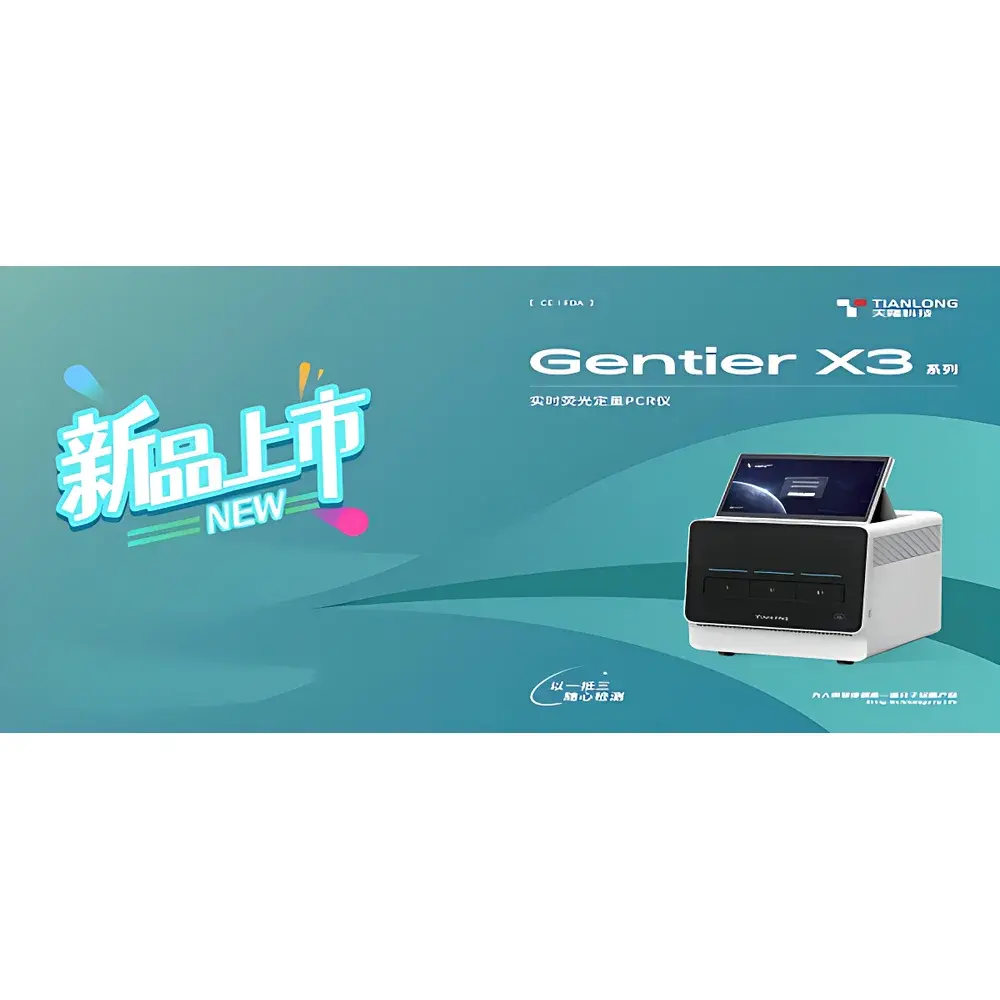
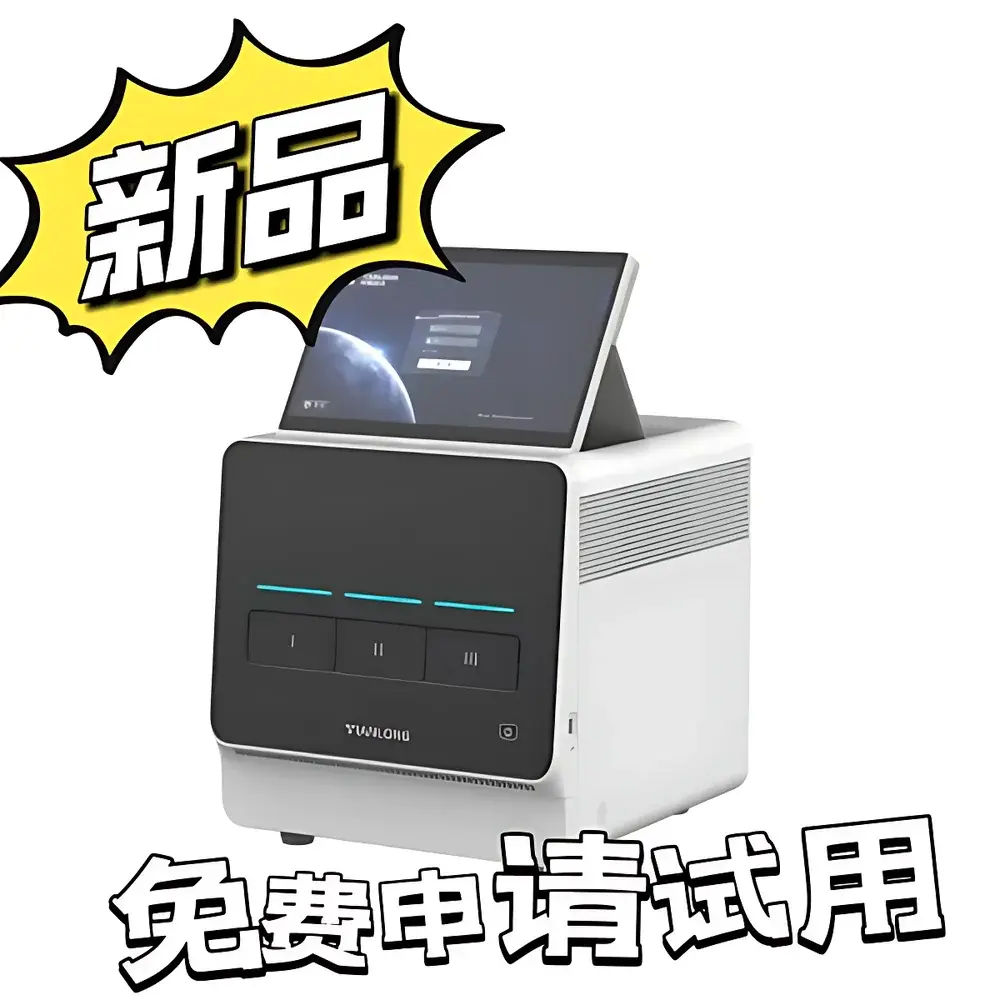
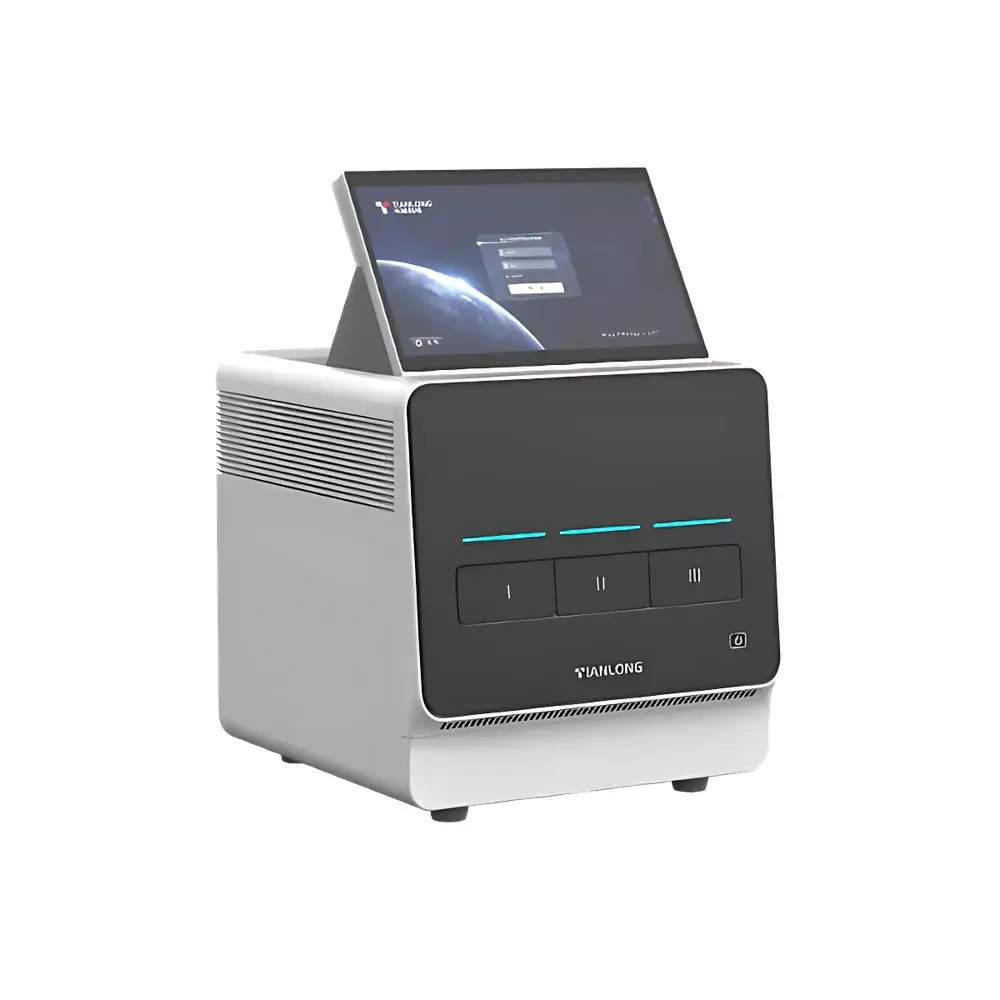
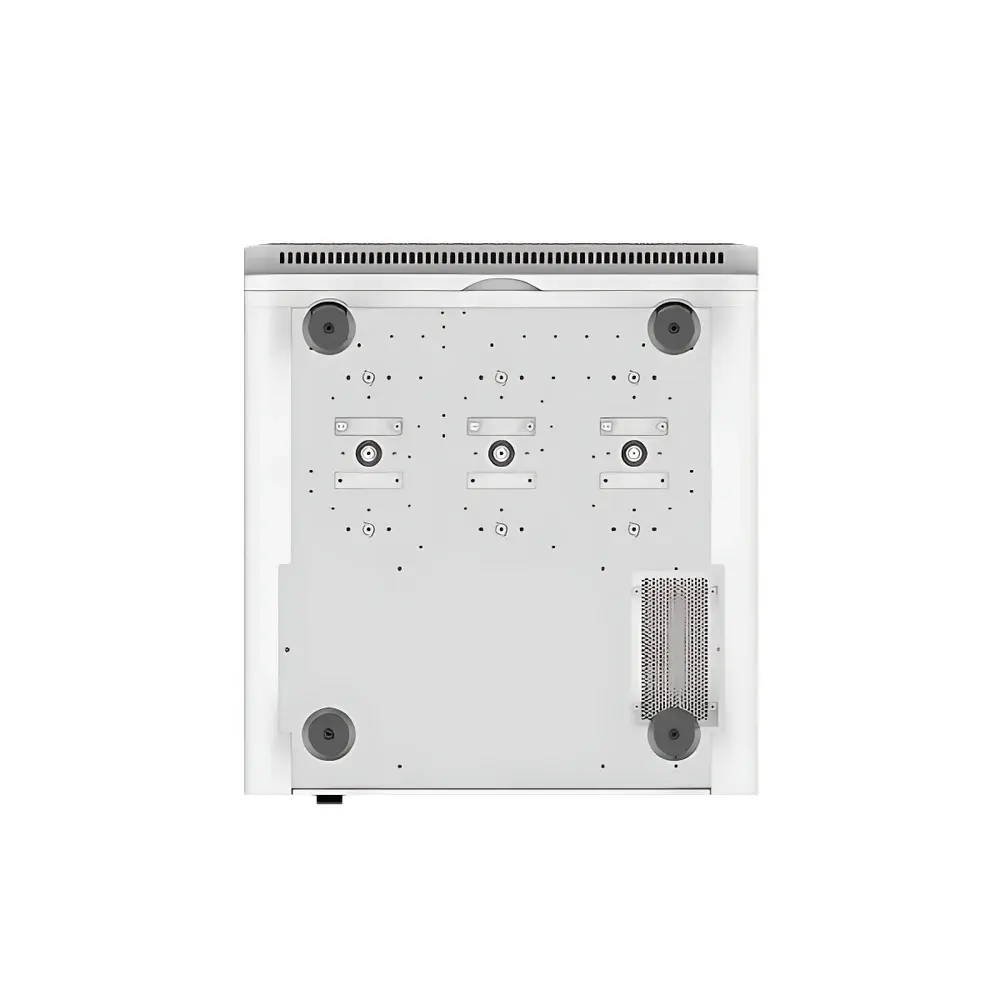
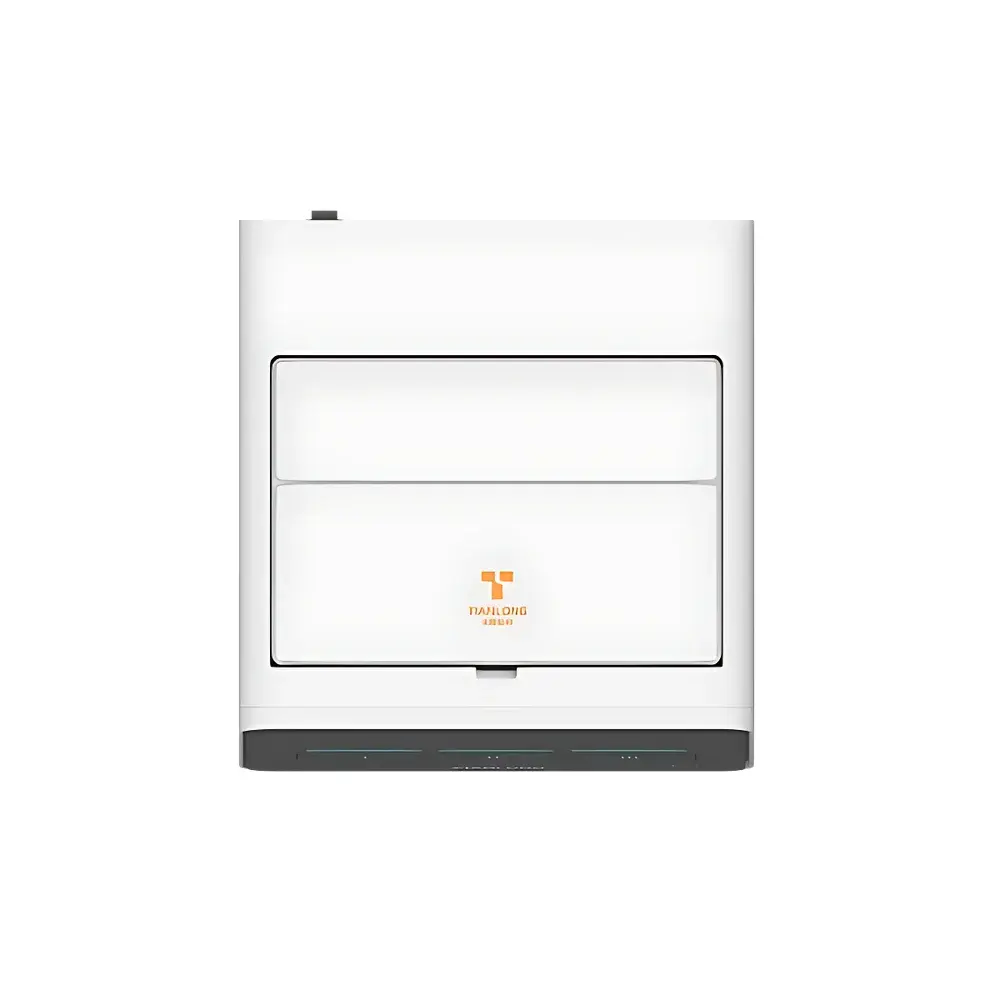
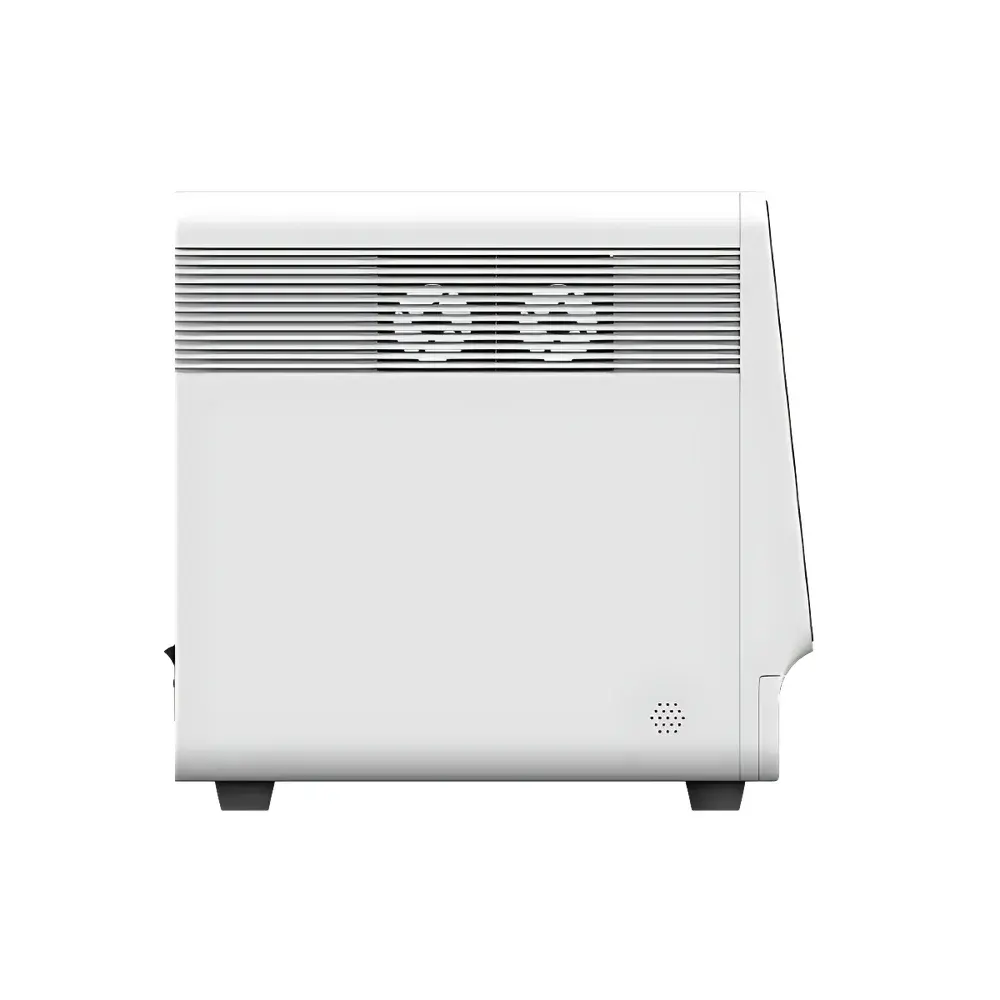
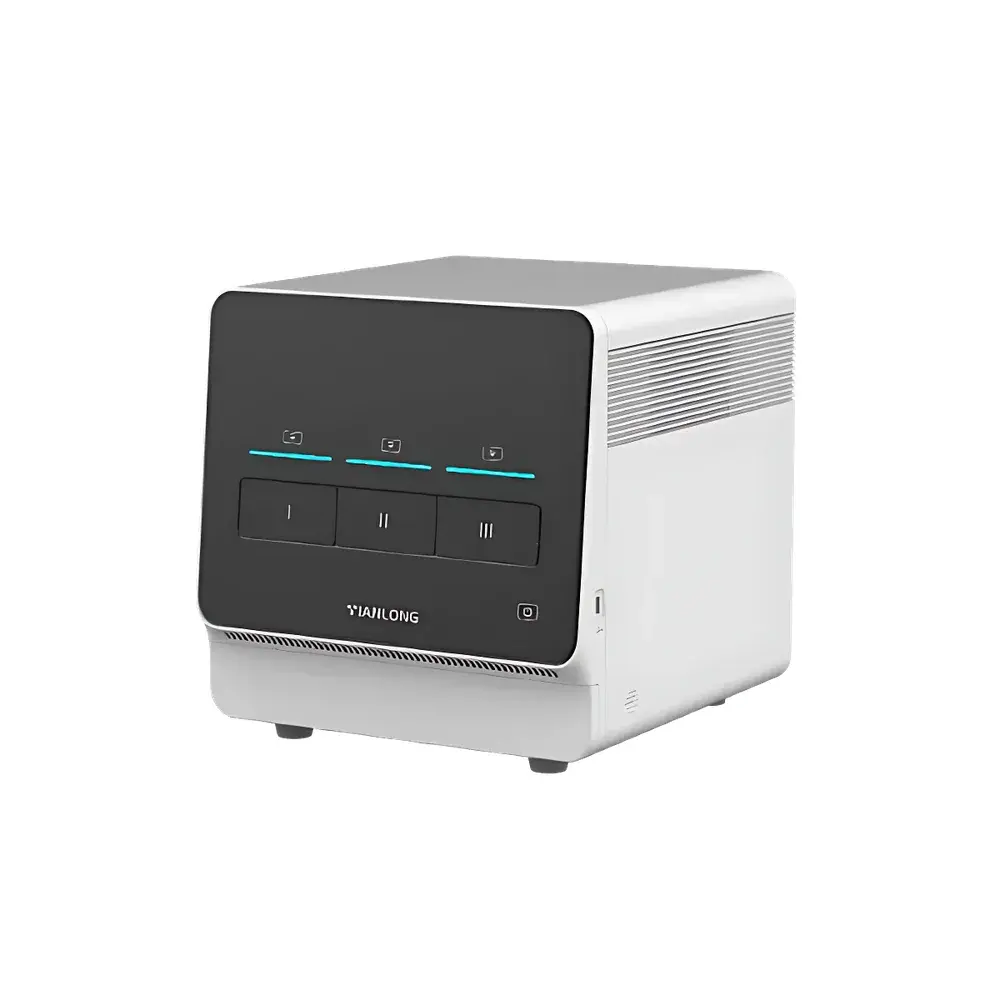
TIANLONG Gentier X3 Real-Time Fluorescence Quantitative PCR System
| Brand | TIANLONG |
|---|---|
| Origin | Shaanxi, China |
| Manufacturer Type | Direct Manufacturer |
| Instrument Type | Real-Time Fluorescence Quantitative PCR System |
| Model | Gentier X3 |
| Sample Throughput | 96-well (3 × 32-well independent modules) |
| Effective Reaction Volume Range | 0–100 µL |
| Max Heating Rate | ≥6.2 °C/s |
| Avg Heating Rate | ≥4.5 °C/s |
| Avg Cooling Rate | ≥3.5 °C/s |
| Max Cooling Rate | ≥5.0 °C/s |
| Temperature Accuracy | ≤±0.1 °C |
| Temperature Uniformity | ±0.2 °C |
| Light Source | High-Efficiency LED Array |
| Fluorescence Detection Channels | 6 |
| Fluorescence Scan Time per Module | ≤2 s |
| Optical Linearity | r ≥ 0.990 |
| Inter-Run CV | ≤1% |
| Power Supply | AC 220 V, 50 Hz, 1200 VA |
| Dimensions (W×D×H) | 380 × 410 × 395 mm |
| Weight | 34 kg |
| Onboard Display | 13.3″ Full-Color Touchscreen (Adjustable Tilt) |
| Standalone Operation | Supported |
| Software Compliance | FDA 21 CFR Part 11–ready audit trail, GLP/GMP data integrity features |
Overview
The TIANLONG Gentier X3 Real-Time Fluorescence Quantitative PCR System is an advanced, modular thermal cycler engineered for high-fidelity nucleic acid amplification and quantitative detection using real-time fluorescence monitoring. Based on the principle of sequence-specific DNA amplification coupled with synchronous optical detection of fluorophore-labeled probes or intercalating dyes, the Gentier X3 delivers precise quantification across diverse molecular biology applications—including absolute and relative gene expression analysis, SNP genotyping, high-resolution melt (HRM) profiling, and pathogen load determination. Its unique 3 × 32-well independent thermocycling architecture enables true parallel processing of three distinct assays—each with fully programmable temperature profiles—without cross-module interference. This design supports rigorous experimental replication, multi-target validation, and time-resolved kinetic studies within a single instrument footprint.
Key Features
- Modular Thermal Architecture: Three physically isolated Peltier-based heating/cooling modules operate independently, each supporting up to 32 wells. Each module features compensation-driven thermal control, achieving ≤±0.1 °C temperature accuracy and ±0.2 °C uniformity across the entire block surface.
- High-Speed Optical Detection: A six-channel LED excitation system paired with a high-quantum-efficiency CCD detector enables full-well fluorescence scanning in ≤2 seconds per module. Channel configuration covers standard dyes (FAM/SYBR Green I), VIC/HEX/TET/JOE, ROX/Texas Red, Cy5, Alexa Fluor 680, and Cy3/TAMRA/NED—ensuring compatibility with multiplexed assay designs.
- Intelligent Thermal Lid: Equipped with pressure-sensing lid actuation, the system dynamically adjusts contact force to prevent tube deformation and minimize evaporation—even during extended cycling protocols or low-volume reactions (down to 0 µL dead volume calibration).
- Standalone Workflow Execution: Integrated 13.3″ capacitive touchscreen with ergonomic tilt adjustment allows complete assay setup, run initiation, real-time monitoring, and basic result review without external PC dependency. All user inputs and instrument events are timestamped and logged locally.
- Robust Data Integrity Framework: Firmware-enforced audit trails, electronic signatures, and role-based access control align with GLP and GMP requirements. Data files are stored in vendor-neutral, non-proprietary formats (e.g., CSV, JSON) alongside encrypted raw fluorescence traces and thermal profiles.
Sample Compatibility & Compliance
The Gentier X3 accepts standard 0.2 mL transparent or frosted PCR eight-tube strips and individual optical tubes—including TIANLONG’s proprietary line-integrated consumables. Its universal thermal interface accommodates both rigid and flexible tube materials without mechanical adaptation. The system complies with ISO/IEC 17025:2017 clause 5.9 (method validation), ASTM E2587-21 (real-time PCR performance criteria), and USP guidelines for nucleic acid quantification. All firmware and software updates undergo formal change control per ICH Q5A(R2) and FDA 21 CFR Part 11 Annex A requirements, ensuring traceability from development through field deployment.
Software & Data Management
Gentier Analysis Suite v4.x provides validated workflows for absolute quantification (standard curve and Ct-based), comparative ΔΔCt analysis, melting curve derivation (including HRM classification via derivative peak analysis), allelic discrimination, and endpoint fluorescence reporting. The software supports customizable report templates aligned with CLIA, CAP, and CNAS accreditation standards. Raw data export includes cycle-by-cycle fluorescence values, temperature logs, and instrument metadata—formatted for direct ingestion into LIMS platforms via HL7 or RESTful API integration. Local storage capacity accommodates ≥1,000 experiment configurations and associated datasets; optional network-attached storage (NAS) expansion maintains regulatory-grade retention policies.
Applications
- Quantitative viral/bacterial load measurement in clinical diagnostics (e.g., SARS-CoV-2, HBV, HIV)
- Gene expression profiling in translational research and biomarker discovery
- SNP detection and pharmacogenomic screening using TaqMan or KASP chemistries
- High-resolution melt analysis for methylation status assessment and variant calling
- Quality control of CRISPR editing efficiency and off-target evaluation
- Environmental microbiology testing (e.g., waterborne pathogen enumeration)
FAQ
Does the Gentier X3 support gradient PCR?
Yes—the system permits independent gradient programming across all three modules, with adjustable slope ranges from 0.1 °C to 20 °C over the 32-well span.
Is remote monitoring possible without continuous PC connection?
The instrument supports secure HTTPS-based web interface access via local network; no persistent PC link is required after initial configuration.
How is thermal calibration verified post-installation?
Built-in NIST-traceable reference sensors enable automated calibration verification at startup and upon user request; reports comply with ISO/IEC 17025 documentation standards.
Can custom dye spectra be added to the detection matrix?
Yes—users may define new excitation/emission profiles via the software’s spectral editor, subject to hardware optical filter constraints.
What backup power options are recommended for uninterrupted operation?
An external UPS rated for ≥1500 VA and ≥10 min runtime is advised to ensure seamless recovery from grid interruption under full thermal load.




