
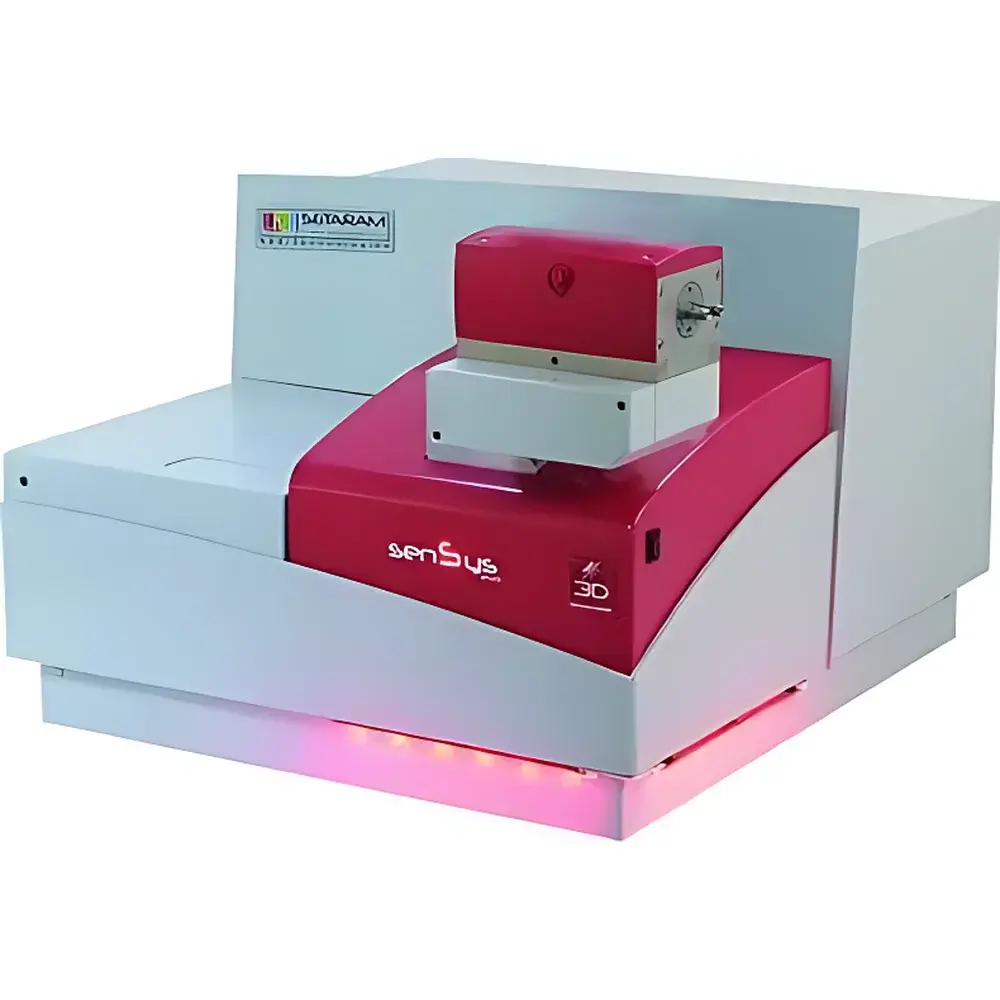
Setaram Sensys-evo High-Pressure Gas Adsorption Calorimeter
| Brand | Setaram |
|---|---|
| Origin | France |
| Model | Sensys-evo |
| Instrument Type | High-Pressure Chemisorption Calorimeter |
| Temperature Range | −120 to +830 °C |
| Temperature Repeatability | ±0.1% |
| Programmable Scan Rate | 0.01–30 °C/min |
| Heat Flow Resolution | 0.4 μW |
| Detection Limit | 5 μW |
| Maximum Sample Cell Pressure | 500 bar at 600 °C |
| Controlled/Measured Pressure Range | up to 400 bar at 600 °C |
| Sample Chamber Volume | 250 μL |
| Gas Channels | 3 carrier + 1 reactive/auxiliary |
| Atmosphere Compatibility | oxidizing, reducing (H₂, CO), corrosive (H₂S, NH₃), steam |
| Automated Sampler Capacity | 48 positions |
| Optional Coupling | TGA (35 g max, 0.03 μg resolution), FT-IR, MS, GC, humidity controller |
Overview
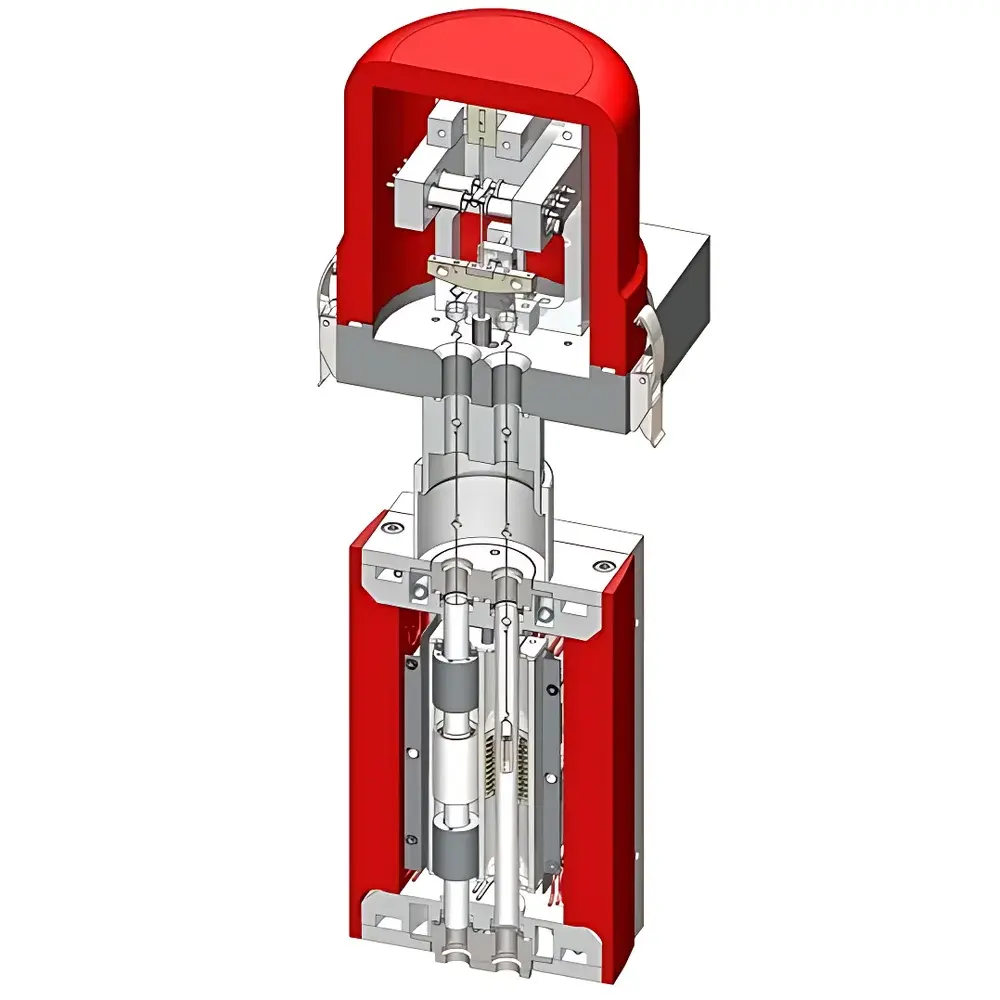
The Setaram Sensys-evo High-Pressure Gas Adsorption Calorimeter is a precision microcalorimetric platform engineered for quantitative thermodynamic characterization of gas–solid interactions under controlled elevated pressure and temperature conditions. It operates on the classical Calvet principle—a three-dimensional heat-flow measurement architecture originally developed by French physical chemist E. Calvet—where thermal energy from the sample is captured isotropically across a spherical sensor array, achieving >94% thermal efficiency and exceptional baseline stability. Unlike conventional differential scanning calorimeters (DSC) employing planar sensor geometries, the Sensys-evo’s 3D-sensor design eliminates directional bias in heat detection, enabling accurate quantification of weak exothermic or endothermic events—including catalytic adsorption/desorption, surface reaction enthalpies, and mixed-phase equilibria—even at sub-microwatt signal levels. Its fully sealed, pressurized sample chamber (rated to 500 bar at 600 °C) allows direct in situ measurement of gas uptake enthalpies without mechanical or thermal perturbation to the calorimetric core, making it uniquely suited for high-pressure hydrogen storage studies, CO₂ capture material screening, Fischer–Tropsch catalyst evaluation, and process safety assessment of energetic materials.
Key Features
- Calvet-type 3D-sensor architecture delivering >94% thermal detection efficiency and <0.001 °C thermal stability over extended durations
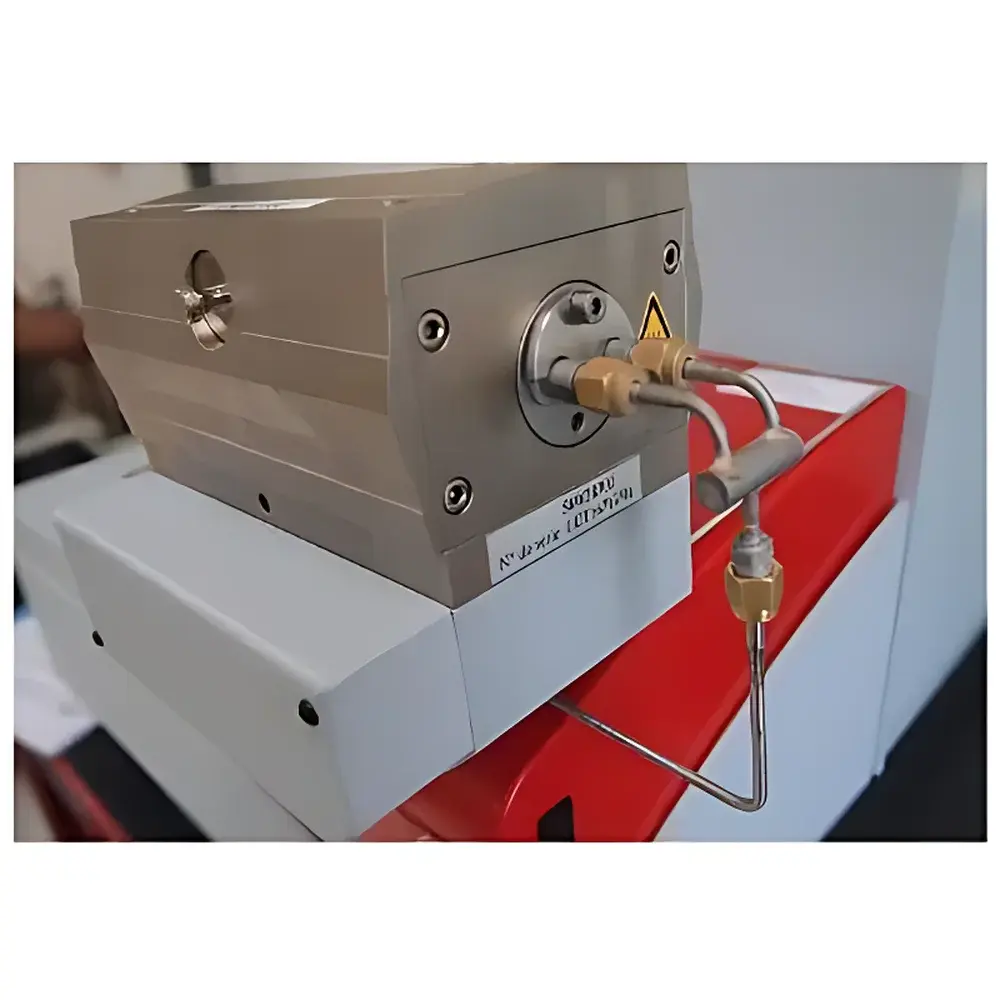
- Pressurized sample cell with integrated pressure monitoring and active control (up to 400 bar, 600 °C), compatible with aggressive atmospheres including H₂, CO, H₂S, NH₃, and saturated steam
- Large-volume sample chamber (250 μL) enabling representative mass loading for heterogeneous catalysts, MOFs, and porous carbons—critical for minimizing wall effects and improving signal-to-noise ratio
- Modular gas handling system with three independent carrier lines and one reactive/auxiliary line; dual-reactive gas mixing capability (1:99 to 99:1 ratios) for kinetic studies under programmable partial pressures
- Optional synchronized thermogravimetric analysis (TGA) module featuring top-loading microbalance (0.03 μg resolution, 35 g capacity) decoupled from furnace thermal gradients
- Full integration readiness with online gas analyzers (FT-IR, quadrupole MS, GC) for simultaneous mass/heat flow correlation—essential for mechanistic deconvolution of multi-step adsorption processes
Sample Compatibility & Compliance
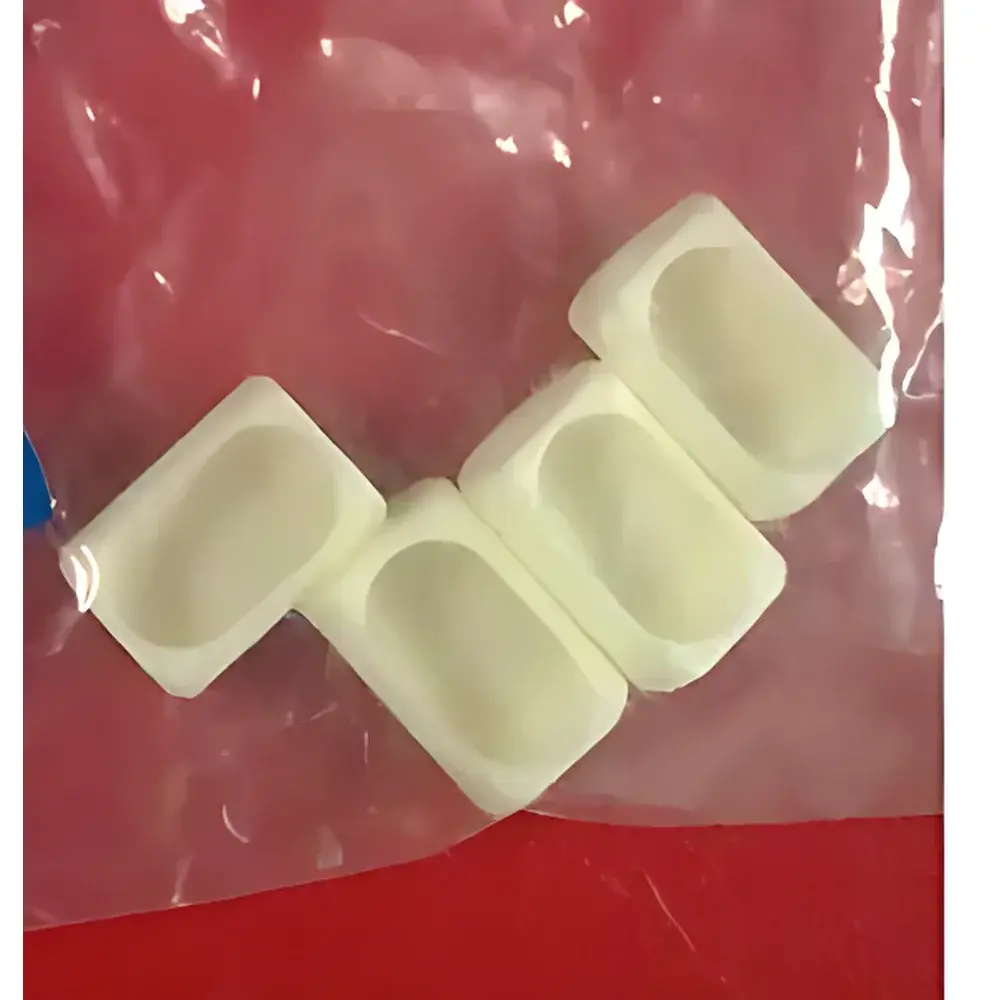
The Sensys-evo accommodates solid powders, monoliths, extrudates, and supported catalysts in standardized high-strength Inconel crucibles rated for 500 bar and 600 °C. Its open-system configuration supports dynamic gas exchange between sample and environment, permitting true isobaric/isothermal calorimetry per ISO 11357-4 and ASTM E1269. The instrument meets GLP-compliant data integrity requirements via audit-trail-enabled Calisto software (21 CFR Part 11 ready), and its pressure–temperature control subsystem adheres to PED 2014/68/EU directives for pressurized equipment. Routine calibration employs Joule heating—eliminating dependence on reference material purity or morphology—and ensures traceability to SI units across all operating conditions.
Software & Data Management
Calisto v5.x provides an intuitive, workflow-driven interface for method development, real-time visualization, and post-acquisition thermodynamic modeling. Key capabilities include automated baseline subtraction using multi-point reference compensation, time-resolved enthalpy integration, and built-in models for Langmuir, Freundlich, and Temkin isotherm fitting. Raw heat flow, pressure, temperature, and mass (when coupled with TGA) are time-synchronized and exported in ASCII or HDF5 formats for third-party analysis (e.g., MATLAB, Python-based PyCalvet). All user actions, parameter changes, and calibration events are logged with timestamps and operator IDs, satisfying FDA and EMA audit requirements for regulated R&D environments.
Applications
- Determination of differential enthalpies of gas adsorption (ΔHads) on metal–organic frameworks (MOFs) and zeolites under industrially relevant pressure regimes (1–100 bar)
- Thermodynamic profiling of catalyst deactivation pathways during CO/H₂ co-adsorption in syngas conversion systems
- Quantitative assessment of hydration/dehydration enthalpies in pharmaceutical excipients under controlled RH–T–P conditions
- Safety-relevant calorimetry of energetic compounds (e.g., nitrocellulose, ammonium nitrate) under inert or oxidizing overpressure
- In situ validation of DFT-predicted adsorption energies via experimental enthalpy–coverage correlations
FAQ
How does the Calvet 3D-sensor differ from conventional DSC sensors in terms of accuracy?
The Calvet geometry captures radial, axial, and tangential heat flux components simultaneously—achieving near-unity thermal coupling—whereas planar DSC sensors exhibit directional sensitivity and significant heat loss through lateral conduction paths.
Can the Sensys-evo perform isosteric enthalpy calculations?
Yes—by acquiring multiple adsorption isotherms at discrete temperatures and applying the Clausius–Clapeyron equation within Calisto’s thermodynamic module.
Is remote operation and monitoring supported?
Calisto supports secure client–server deployment over LAN/WAN, with role-based access control and live dashboard streaming for centralized lab management.
What pressure calibration standards are used?
Primary calibration employs NIST-traceable dead-weight testers; secondary verification uses certified pressure transducers with annual metrological validation.
Does the system comply with ISO 17025 for accredited testing labs?
When operated with documented SOPs, validated methods, and periodic inter-laboratory comparisons, the Sensys-evo fulfills technical competence requirements outlined in ISO/IEC 17025:2017 Clause 6.4.



