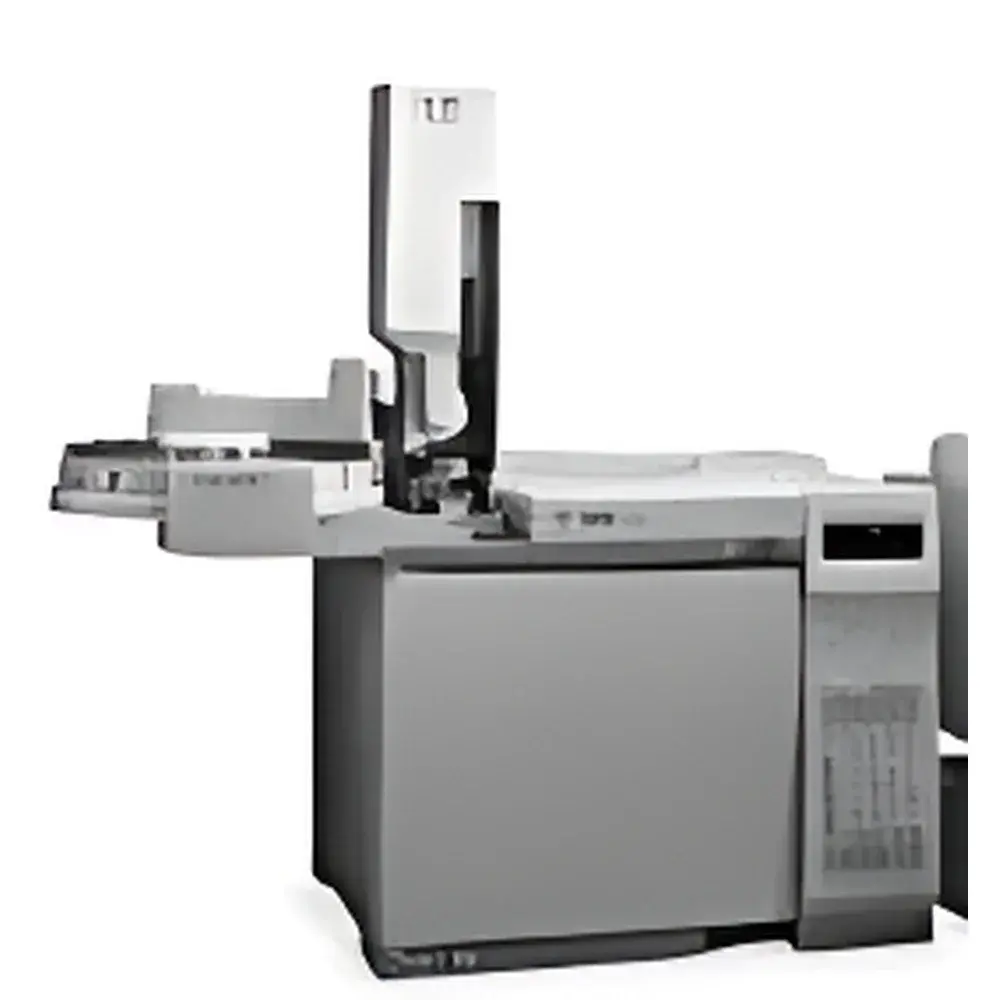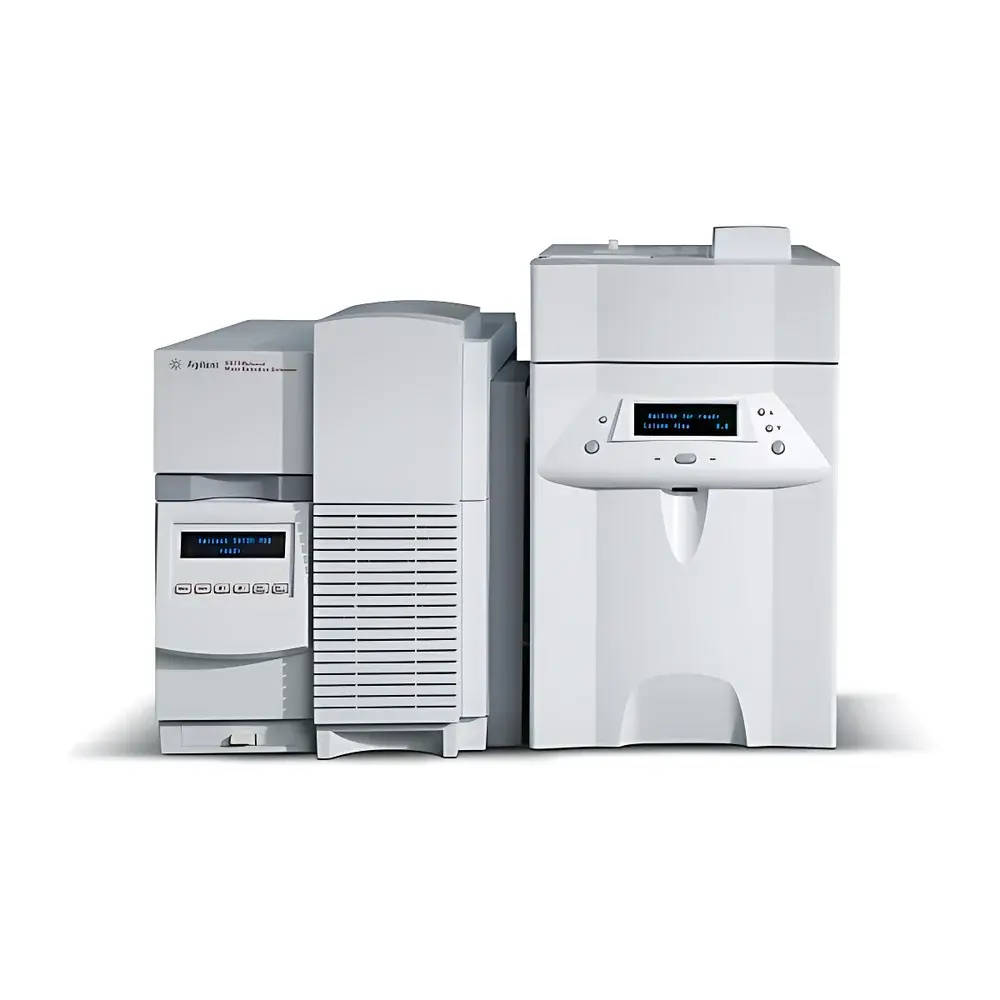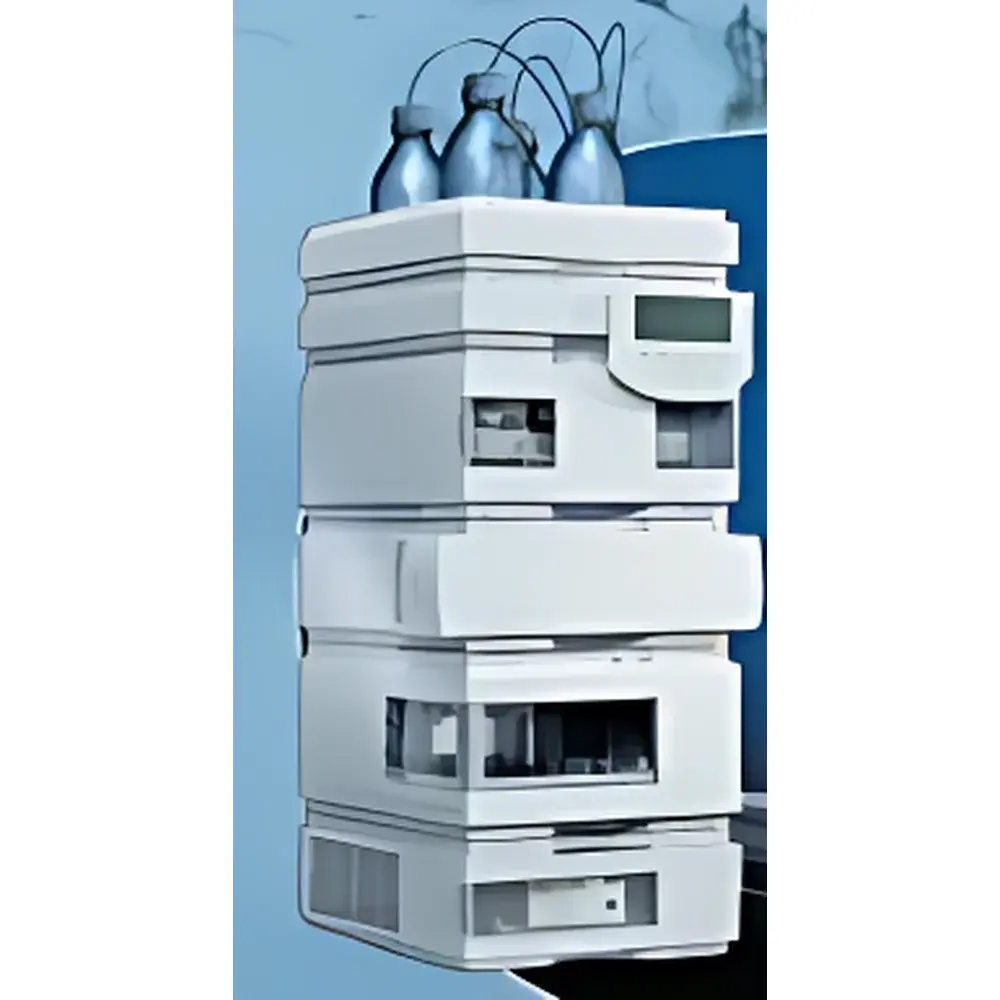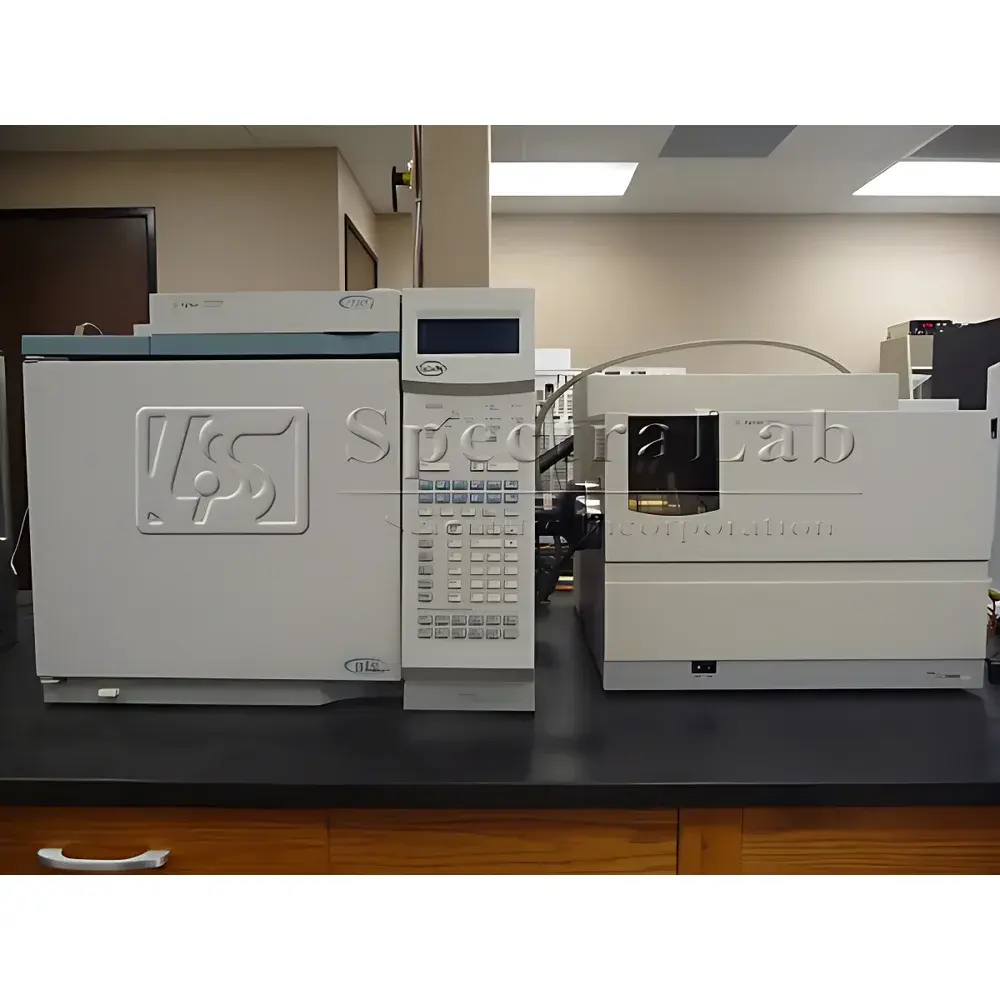
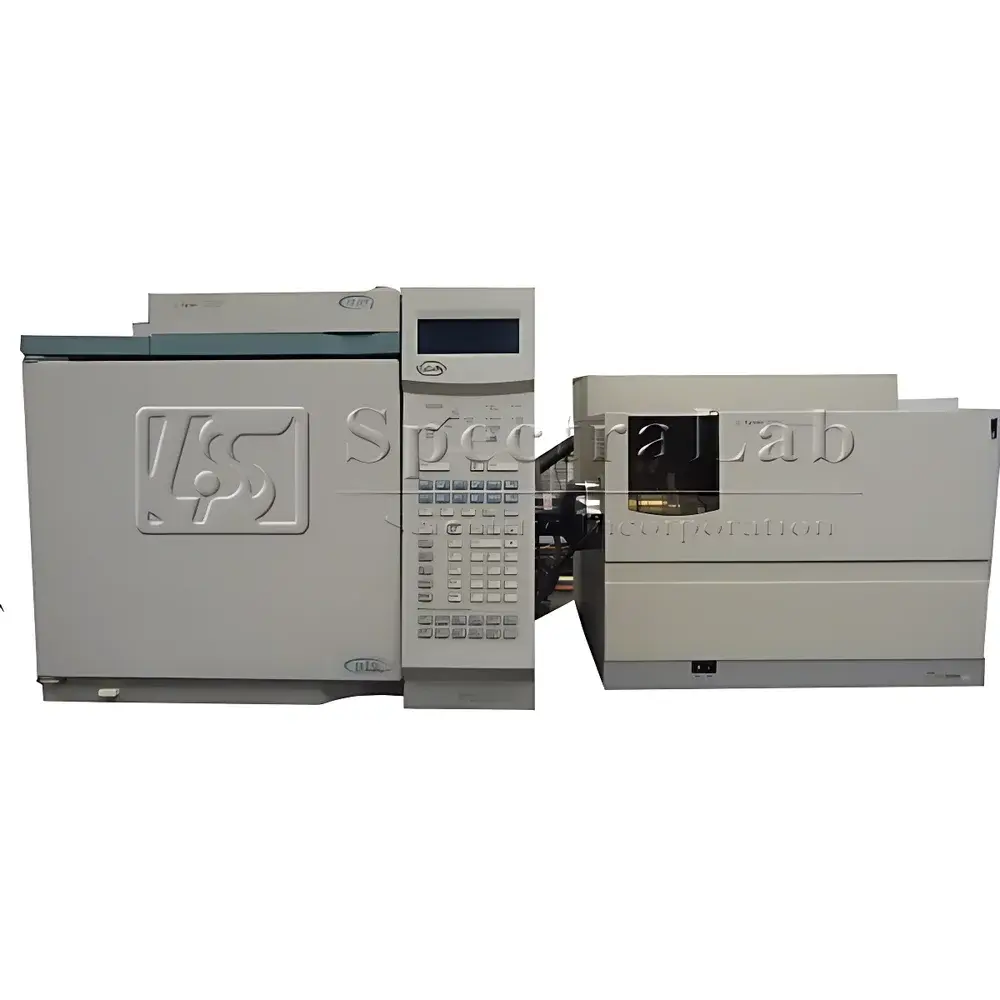
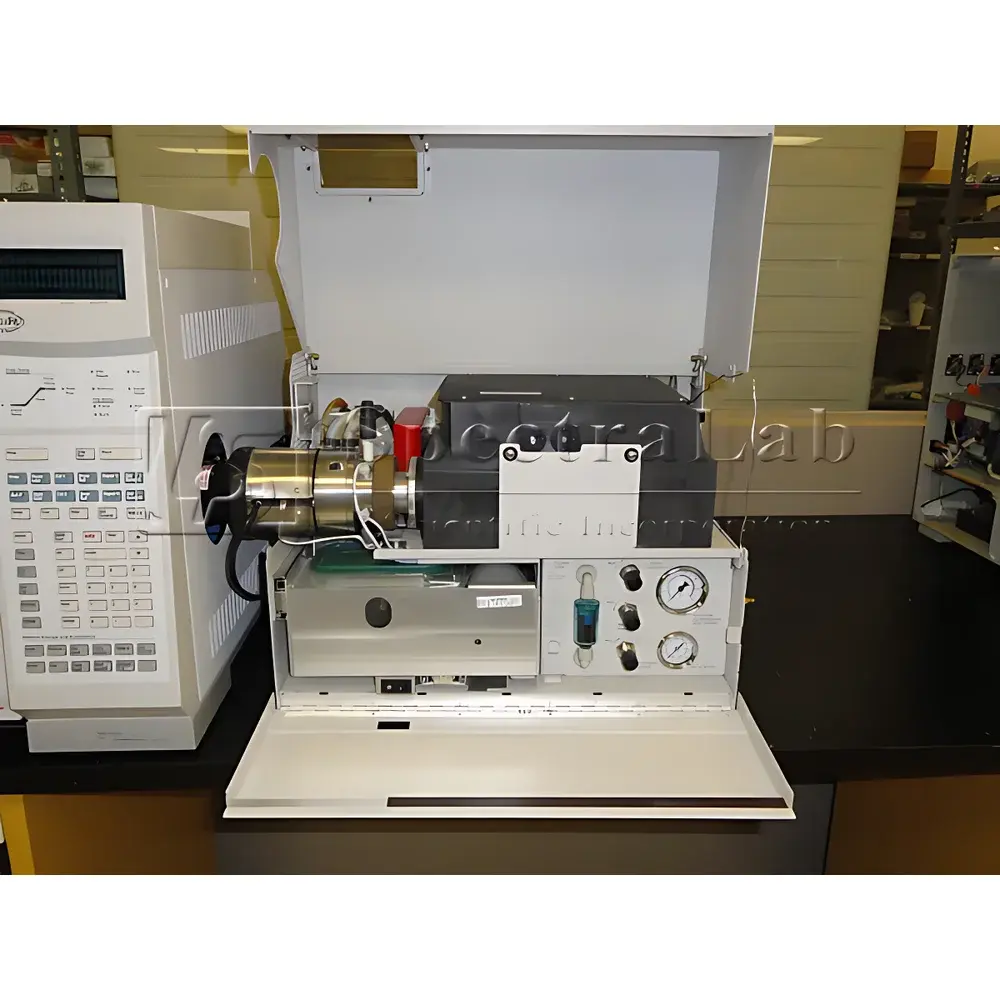
Agilent 6890 GC System with Atomic Emission Detector (AED)
| Brand | Agilent Technologies |
|---|---|
| Origin | Canada |
| Manufacturer Type | Authorized Distributor |
| Origin Category | Imported |
| Model | 6890, AED |
| Price Range | USD $6,800 – $13,600 (FOB) |
| Product Category | Chromatography |
| Operational Age | 2–3 years |
| Warranty | 6 months |
Overview
The Agilent 6890 GC System with Atomic Emission Detector (AED) is a refurbished, production-ready gas chromatography platform engineered for elemental-specific detection in complex organic matrices. Unlike conventional mass spectrometric or atomic absorption-based approaches, the AED operates on the principle of microwave-induced plasma (MIP) excitation followed by element-selective atomic emission spectroscopy—enabling simultaneous multi-element detection (e.g., C, H, N, O, S, P, Cl, Br, I, and metals) at trace levels without prior derivatization. This configuration integrates the robust thermal and pneumatic architecture of the Agilent 6890N GC—featuring precision electronic pressure control (EPC), high-stability oven temperature regulation (±0.01 °C), and dual independent inlet/detector control—with the G2350 AED’s calibrated spectral acquisition over 190–840 nm. The system is fully compatible with standard capillary columns (0.1–0.53 mm ID), split/splitless injectors, and cryogenic cooling options, supporting method transfer from legacy Agilent 6850/6890 workflows.
Key Features
- Refurbished Agilent 6890N GC chassis with factory-calibrated EPC modules for carrier gas, make-up gas, and detector flow control—ensuring retention time reproducibility <0.0008 min (RSD <0.008%) across ≥100 injections
- G2350 Atomic Emission Detector with integrated MIP source, wavelength-scanning monochromator, and photomultiplier tube (PMT) array optimized for elemental linearity (0.999+ r² over 3 orders of magnitude)
- Full compliance with ASTM D6377 (hydrocarbon analysis), EPA Method 6010D (multi-element organometallic screening), and ISO 17025-accredited operation when paired with validated SOPs
- Dual-channel data acquisition: GC chromatograms synchronized with time-resolved AED emission spectra (per-element chromatograms exportable as .csv or .cdf)
- Pre-installed Agilent ChemStation Rev. A.09.03 or later (licensed for instrument control, spectral deconvolution, and elemental quantitation via internal standard calibration)
- Factory-reconditioned hardware: all critical components—including column oven heaters, EPC solenoids, AED plasma torches, and optical alignment assemblies—replaced or certified to original Agilent specifications
Sample Compatibility & Compliance
The system accepts liquid, gaseous, and volatile solid samples introduced via autosampler (e.g., Agilent G1888 or third-party PAL systems), headspace vials, or purge-and-trap modules. It supports EPA SW-846 Methods 8015 (petroleum hydrocarbons), 8260 (VOCs), and 8270 (SVOCs) when coupled with appropriate sample preparation. All refurbished units undergo full functional verification per Agilent’s Service Manual 6890-90010, including leak testing (<1×10⁻⁸ atm·mL/s He), baseline noise assessment (<0.5 pA RMS), and AED spectral resolution validation (Mn 257.610 nm FWHM ≤0.05 nm). Documentation includes Certificate of Conformance, calibration logs, and traceable metrology records aligned with ISO/IEC 17025:2017 requirements.
Software & Data Management
ChemStation software provides full audit trail functionality compliant with FDA 21 CFR Part 11 (electronic signatures, user access tiers, and immutable event logs). Raw AED spectral data are stored in native .D format; processed results—including elemental peak areas, normalized intensity ratios, and compound-specific elemental fingerprints—are exportable to LIMS-compatible formats (.xlsx, .xml, .txt). Optional integration with OpenLab CDS enables centralized instrument monitoring, remote diagnostics, and GLP/GMP-compliant report generation with automatic metadata embedding (operator ID, method version, instrument serial number, calibration date).
Applications
- Organometallic speciation in petrochemical feedstocks and catalysts (e.g., Ni/V ratio in crude oil fractions)
- Halogenated contaminant profiling in pharmaceutical intermediates (Cl/Br/I mapping in API synthesis byproducts)
- Elemental impurity screening per ICH Q3D guidelines in biologics and small-molecule APIs
- Forensic toxicology: simultaneous detection of phosphorus-containing nerve agents and sulfur-based metabolites
- Environmental analysis: speciation of organotin compounds in sediment extracts and atmospheric particulates
- Academic research: reaction pathway elucidation via real-time elemental tracking during catalytic hydrogenation or oxidation
FAQ
Is this system eligible for Agilent’s extended warranty or service contracts?
Yes—refurbished 6890/AED systems retain full compatibility with Agilent’s CarePack offerings, including Preventive Maintenance Contracts (PMCs) and ResponseTime Onsite Support, subject to regional Agilent Field Service availability.
What documentation accompanies the instrument?
Each unit ships with a complete refurbishment dossier: functional test report, EPC calibration certificates, AED spectral validation record, ChemStation license certificate, and ISO 17025-aligned traceability statement.
Can the AED be upgraded to support newer spectral libraries or additional elements?
The G2350 firmware supports spectral library expansion via Agilent’s AED Spectral Database Manager (v3.2+); elemental coverage is inherently defined by the MIP plasma physics and optical path—not firmware—and remains unchanged from original specification.
Is method validation support included?
Spectralab provides pre-validation templates (ICH Q2(R2)-aligned) and application notes for common use cases; full IQ/OQ/PQ execution requires site-specific qualification under client’s internal SOPs.
Related Products